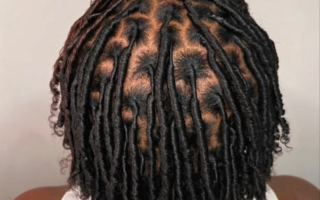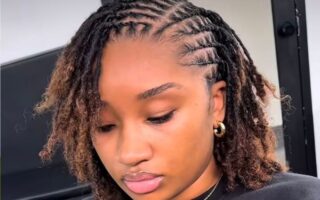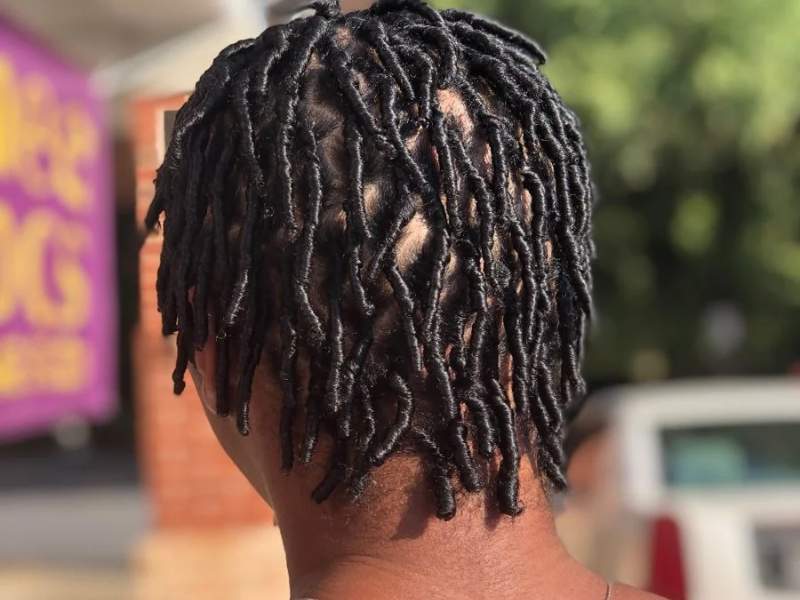
Starting your loc journey is exciting. There is something special about embracing your natural hair and watching it gradually develop into beautiful, mature locs.
Whether you choose comb coils, two-strand twists, or braids, the beginning of your journey brings questions about washing, moisturising, styling, and preventing unraveling.
You might wonder whether you are doing everything correctly. Perhaps you have noticed loose strands or fuzzy roots and are worried that your locs are not developing properly. These concerns are normal, especially when you are new to loc maintenance.
The good news is that caring for your new locs does not have to be complicated. With the right habits, you can protect your locs and enjoy the process.
These starter locs care tips will help you understand your hair, maintain a healthy scalp, reduce unnecessary unraveling, and establish a simple routine. You will also discover common mistakes to avoid and learn how to keep your locs looking and feeling their best.Remember, every loc journey is different. Your locs does not have to look exactly like someone else’s to be healthy.
Understand Your Starter Locs
Before following different starter locs care tips, it is important to understand what happens during the early stages of your journey.
Starter locs are newly formed locs that have not yet matured. They may look neat immediately after installation, but they can become fuzzy, loose, or uneven as your hair develops.
This is completely normal. Your starter locs needs time to tangle and form the structure that eventually creates mature locs. During this period, excessive manipulation can interfere with the process. You may notice small bumps along your locs. These are often called buds and can be part of normal loc development. Avoid pulling these bumps apart simply because they make your locs look uneven.
One of the most important starter locs care tips is learning to accept the different stages of development. Your hair may change in appearance several times before your locs mature.
Instead of worrying about every loose strand, concentrate on keeping your scalp clean and your hair healthy.
Looking for a stylish way to wear your locs without putting too much tension on your edges? Explore these ponytail loc styles that protect your hairline and keep your locs healthy. From loose, low ponytails to elegant high ponytails and relaxed half-up styles, discover beautiful ways to style your locs while minimizing tension on your roots and edges. These hairstyle ideas will help you maintain a polished look while prioritizing healthy locs and a well-protected hairline.
Be Patient With the Locking Process
Patience is one of the most valuable starter locs care tips you can practise.
Many people expect their locs to look mature within a few weeks. Social media can make the process seem quick because people often share beautiful pictures without showing the months of maintenance behind them.
However, locs take time to develop.
Your hair texture, installation method, loc size, and maintenance habits all influence how quickly your locs mature.
Some people notice budding within a few months, while others experience a longer early stage.
Neither experience automatically means something is wrong.
Avoid comparing your progress with someone else’s. Instead, pay attention to whether your locs is gradually developing and whether your scalp remains comfortable.
Frequent retwisting may seem like a way to make your locs look mature faster, but excessive manipulation can put unnecessary tension on your roots.
Give your locs enough time to develop naturally.
These starter locs care tips are not about rushing your journey. They are about creating healthy conditions that allow your locs to mature at their own pace.
Wash Your Starter Locs Gently
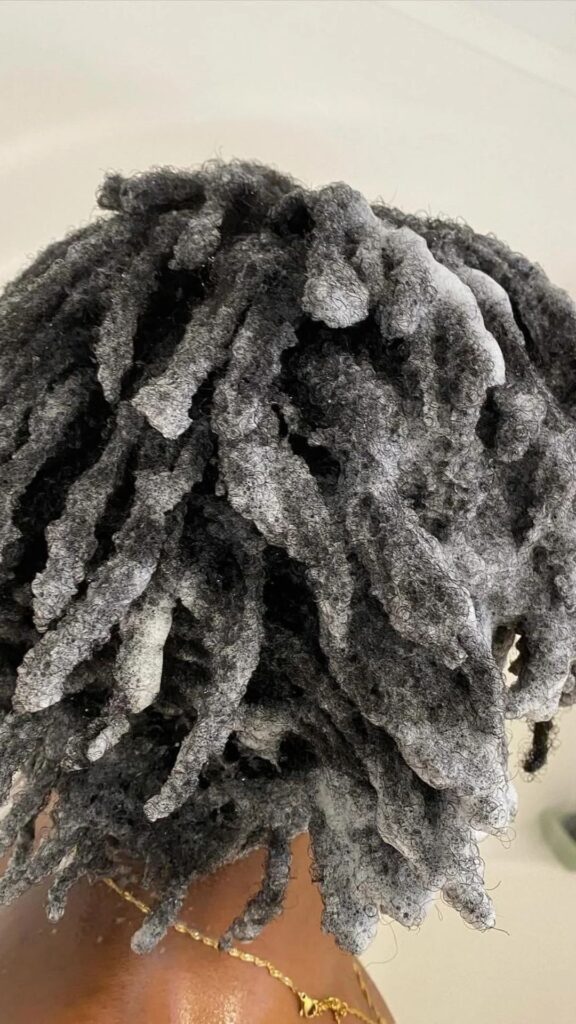
Keeping your scalp clean is essential for healthy locs.
Some people avoid washing starter locs because they fear the hair will unravel. Although certain installation methods are more delicate than others, avoiding cleansing for too long can allow sweat, oil, dead skin, and product residue to accumulate.
This may cause itching, discomfort, and unpleasant odours.
One of the most practical starter locs care tips is to establish a gentle washing routine.
If your locs have just been installed, ask your loctician when it is appropriate to wash them.
The recommended waiting period may depend on your installation method and how securely your hair has been formed.
When washing is appropriate, choose a gentle shampoo that cleans your scalp without leaving heavy residue.
Apply the shampoo carefully and massage your scalp with your fingertips. Avoid aggressive rubbing, twisting, or scrubbing.
Rinse thoroughly to remove the shampoo.
If your starter locs unravel easily, a mesh stocking cap designed for washing locs may help keep the sections together. However, you should still handle your hair gently.
After washing, squeeze out excess water with a clean towel.
Following these starter locs care tips can help you maintain a clean scalp without unnecessarily disturbing your developing
Starter locs care tips for Keeping Your Scalp Clean and Comfortable
Healthy locs begin with a healthy scalp.
Your scalp naturally produces oil and sheds dead skin cells. Sweat, dust, and styling products can also accumulate around your roots.
When these substances build up, your scalp may become itchy or uncomfortable.
Pay attention to how your scalp feels between washes.
If you exercise regularly or live in a hot, humid climate, you may need to cleanse your scalp more frequently.
There is no single washing schedule that works for everybody.
Choose a routine that keeps your scalp clean without unnecessarily disturbing your locs.
Avoid scratching with your fingernails because this can irritate the skin and cause small injuries.
If you experience persistent itching, redness, swelling, or sores, seek medical advice.
Among the most important starter locs care tips is understanding that scalp health matters just as much as appearance.
Beautiful locs are not simply about neat roots. They also depend on maintaining a comfortable environment for healthy hair growth.
Starter locs care tips for Moisturizing Without Creating Buildup
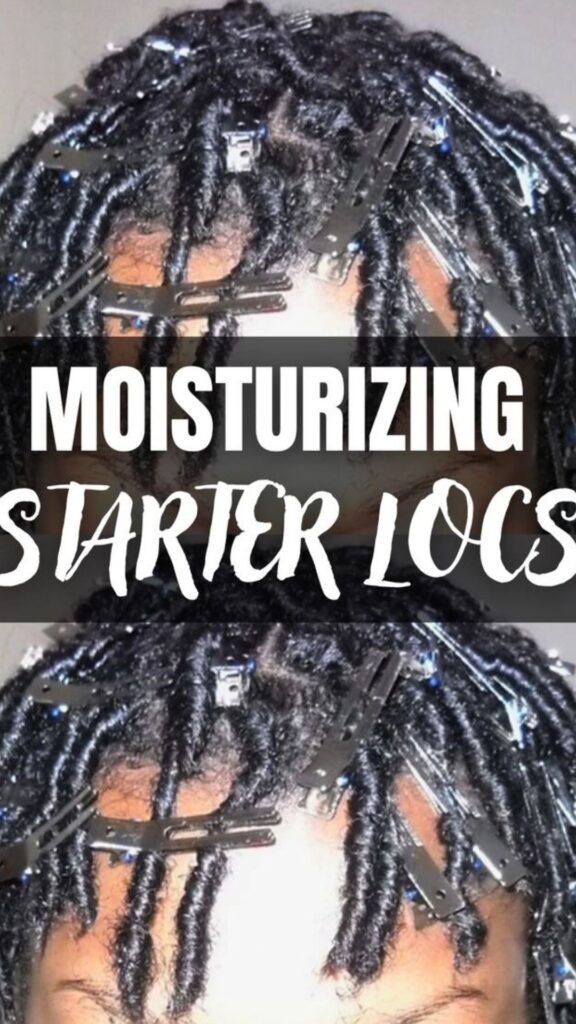
Moisture helps keep natural hair flexible and reduces the risk of dryness-related breakage.
However, starter locs need a balanced approach to moisturising.
Applying too much product can leave residue inside your developing locs. Over time, this buildup may become difficult to remove.
Start with water.
A light mist of clean water can refresh your hair when it feels dry. If your hair needs additional moisture, consider a lightweight product that does not leave heavy residue.
Use small amounts and observe how your hair responds.
Avoid covering your locs with thick creams and several layers of oil.
You do not need to moisturise your locs repeatedly throughout the day unless your locs genuinely needs it.
If your locs feel coated or your scalp becomes greasy, reduce the amount of product you use.
These starter locs care tips can help you maintain moisture without making your hair difficult to cleanse.
Remember, a simple routine often works better than using too many products.
. Care tips on Using Hair Oils Carefully
Hair oils are popular in natural hair care, but they are not essential for everyone.
Some people enjoy using a small amount of lightweight oil to reduce moisture loss or make their scalp feel more comfortable.
However, applying large quantities can leave your roots greasy and contribute to buildup.
If you choose to use oil, apply a small amount and observe how your scalp responds.
Avoid pouring oil directly onto your scalp every day simply because you believe it will make your locs grow faster.
Hair growth depends on several factors, including genetics, health, and scalp condition.
Essential oils require additional caution because concentrated formulas can irritate the skin. Never apply them undiluted.
If a product causes itching, redness, or irritation, stop using it.
These starter locs care tips encourage you to choose products according to your hair’s actual needs rather than following every trend.
A clean scalp and healthy roots are more important than having a large collection of hair oils.
. Care tips on Protecting Your Locs While Sleeping
Your nighttime routine can influence the condition of your starter locs.
As you sleep, your locs rubs against your pillowcase. Repeated friction may contribute to frizz, dryness, and loose strands.
A satin or silk bonnet can help reduce this friction.
You can also use a satin pillowcase if you prefer not to wear a bonnet.
Choose a covering that fits comfortably without pulling tightly around your hairline.
If your locs are longer, make sure the bonnet has enough room to accommodate them.
Wash your bonnet and pillowcase regularly to remove sweat, oil, and residue.
These starter locs care tips are easy to follow because nighttime protection requires very little effort.
You do not need an expensive collection of accessories.
A clean bonnet or suitable pillowcase can become a simple part of your routine.
The most important thing is choosing a protective option that feels comfortable enough to use consistently.
Understand Why Starter Locs Unravel
Unraveling is one of the most common concerns among people beginning their loc journey.
It can be frustrating to notice that a carefully installed loc has become loose after washing or sleeping.
However, unraveling does not automatically mean your loc journey has failed.
Several factors can contribute to the problem.
Your installation method may influence how securely your hair holds its shape.
Your hair texture may also affect how easily individual strands remain together.
Frequent manipulation, rough washing, and certain products can contribute to loosening.
Water exposure may also affect some starter methods more than others.
The best approach is to identify the cause before making changes.
If a few locs loosen occasionally, your loctician may be able to repair them.
If many sections repeatedly unravel, discuss whether your installation method or maintenance routine needs adjustment.
These starter locs care tips focus on solving the cause rather than constantly correcting the appearance of your locs.
Some loosening can be normal during the early stages, so avoid panicking over every change.
Choose a Suitable Starter Loc Method
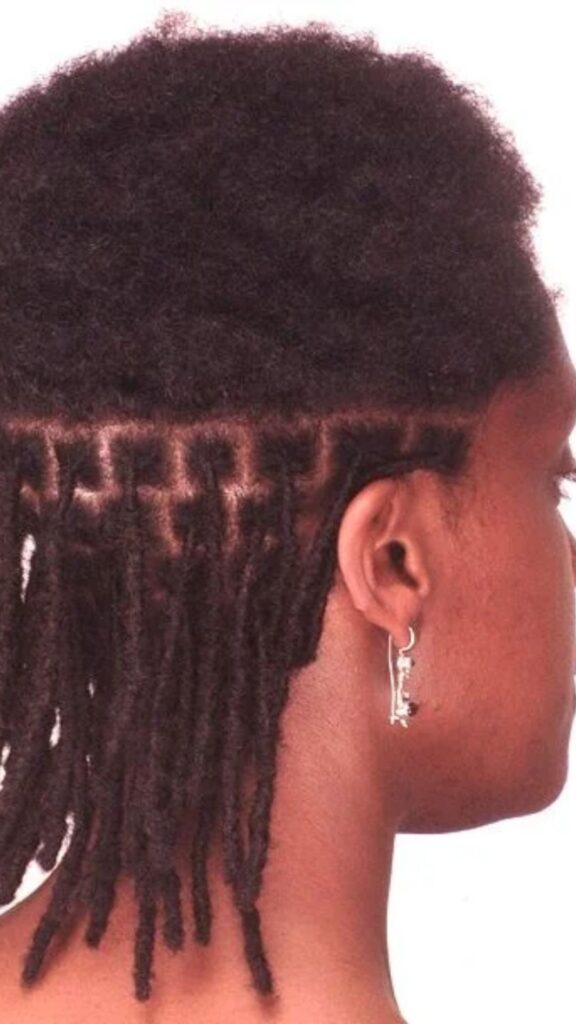
Not every starter method works equally well for every person.
Some people begin with comb coils, while others choose two-strand twists, braids, or interlocking.
Each method has advantages and considerations.
Comb coils create defined sections by twisting the hair into small coils. Depending on your hair texture, they may loosen more easily during washing.
Two-strand twists create locs by twisting two sections of hair together. They can provide a clear structure, although the twists may loosen before the locs matures.
Braids can hold their shape relatively well but may take longer to develop a fully locked appearance.
Interlocking uses a technique that passes the hair through the root in a particular pattern. It can provide lasting root maintenance when performed correctly.
Your choice should reflect your hair texture, desired loc size, lifestyle, and maintenance preferences.
Ask an experienced loctician to explain the options before installation.
These starter locs care tips begin before your locs are even created because choosing a suitable method can make maintenance easier later.
Dry Your Locs Completely
Proper drying is an important part of loc maintenance.
When locs remain damp for extended periods, moisture can become trapped within the hair. This may contribute to unpleasant odours and other problems.
After washing, gently squeeze out excess water with a clean towel.
Avoid rubbing your locs aggressively.
Allow your hair to air-dry in a well-ventilated space, or use a hair dryer on a suitable setting if necessary.
Make sure the roots and inner portions of your locs dry completely.
Thicker locs may take longer to dry than smaller ones.
Do not assume that your locs is completely dry simply because the outside feels dry.
If you wash your locs late in the evening, allow enough drying time before covering it for sleep.
These starter locs care tips are especially useful in warm, humid environments, where hair may take longer to dry fully.
Good drying habits help your locs remain fresh and comfortable.
Separate Your Locs Gently
As your locs develop, neighbouring sections may begin joining together at the roots.
This can happen naturally when loose hairs from different sections intertwine.
If you want individual locs to remain separate, gentle separation may be necessary.
Check your roots occasionally, particularly after washing.
Use your fingers to separate neighbouring locs before the hair becomes firmly joined.
Avoid pulling forcefully if the sections are already tangled.
Aggressive separation can cause discomfort, breakage, and unnecessary tension.
If two locs have become firmly joined, ask your loctician for help.
The amount of separation required depends on your loc size, hair texture, and preferred appearance.
These starter locs care tips should make your routine manageable rather than turn hair care into a daily struggle.
Manage Sweat After Exercise
Having starter locs should not stop you from enjoying physical activity.
However, sweat can affect how your scalp feels.
If you exercise regularly, allow your scalp to dry after workouts and cleanse it when necessary.
You do not necessarily need to wash your hair after every light activity, but heavy sweating may make more frequent cleansing appropriate.
Avoid leaving a sweaty scalp covered for long periods.
If you wear a headband during exercise, choose one that feels comfortable and wash it regularly.
Pay attention to how your scalp responds to your routine.
These starter locs care tips allow you to maintain an active lifestyle without neglecting your hair.
You should not have to choose between exercise and healthy locs.
A sensible routine can support both.
. Avoid Tight Hairstyles
Protective styling can be useful, but some styles place too much tension on the roots.
Tight ponytails, heavy extensions, and styles that continuously pull on your hairline can cause problems.
Starter locs may be particularly vulnerable because the roots are still developing.
Choose styles that feel comfortable and allow your hair to rest.
Your scalp should not hurt during or after styling.
Pain, headaches, bumps around the hairline, and noticeable pulling are signs that a hairstyle may be too tight.
Remove or loosen the style rather than tolerating discomfort.
Avoid repeatedly placing tension on the same areas.
Among the most important starter locs care tips is recognising that protecting your hair sometimes means choosing a simpler style.
Healthy locs should never require painful styling.
Protect Your Locs From Environmental Stress
Your hair encounters different conditions throughout the day.
Sun exposure, dust, wind, swimming, and dry indoor environments may influence how your hair feels.
You do not need to avoid outdoor activities to protect your locs.
Instead, make small adjustments when necessary.
Wear a suitable hat when spending extended periods in strong sunlight.
If you swim in a pool, rinse your hair thoroughly afterward to remove chlorine.
After swimming in the sea, rinse away salt and allow your locs to dry completely.
If you spend time in dusty environments, cleanse your scalp when necessary rather than adding products to cover the residue.
These starter locs care tips help you protect your hair without making everyday life unnecessarily complicated.
The goal is to care for your locs while continuing to enjoy the things you love.
Know When to Visit Your Loctician
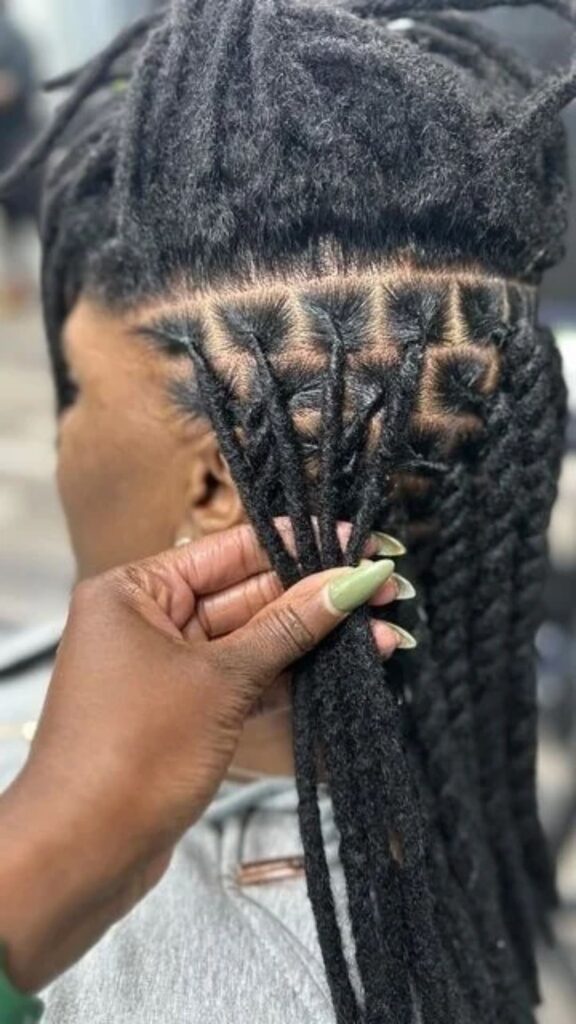
Although you can manage many aspects of loc care at home, professional maintenance still has a place.
An experienced loctician can assess your installation, help repair unraveling sections, and recommend changes to your routine.
Seek professional guidance if several locs repeatedly loosen or you are unsure whether your maintenance method suits your hair.
A loctician can also help you determine how often your roots need attention.
Avoid assuming that everyone needs a retwist at the same interval.
Excessive retwisting may contribute to thinning, so your schedule should reflect your hair’s needs.
Seek medical advice if you experience persistent scalp pain, severe itching, sores, swelling, or unusual hair loss.
These starter locs care tips include knowing when professional support is more appropriate than experimenting at home.
Frequently Asked Questions About Starter Locs
- How often should I wash my starter locs?
There is no universal schedule. Your scalp condition, lifestyle, and installation method influence how often you should wash.
Once your locs are ready for cleansing, wash when necessary to keep your scalp comfortable and clean.
- Why are my starter locs unraveling?
Unraveling may result from your installation method, hair texture, frequent manipulation, or washing technique.
Some loosening is normal during the early stages.
If the same sections repeatedly unravel, seek advice from your loctician.
- Can I moisturise my starter locs every day?
You may not need to moisturise every day.
If your hair feels dry, a light mist of water may help. Use additional products sparingly to avoid buildup.
- Should I retwist my starter locs whenever they look fuzzy?
No. Fuzziness is a normal part of many loc journeys.
Retwisting every time your roots look fuzzy may create unnecessary tension.
- How can I stop my starter locs from unraveling?
Handle your hair gently, follow an appropriate washing routine, avoid excessive manipulation, and discuss persistent problems with your loctician.
Remember that no routine can guarantee that starter locs will never loosen.
- Can I sleep without a bonnet?
You can, but a satin bonnet or satin pillowcase may help reduce friction.
Choose whichever option feels comfortable and works consistently for you.
- How long does it take for starter locs to mature?
The timeline varies depending on hair texture, loc size, installation method, and maintenance.
Full maturity can take a year or several years. There is no need to rush the process.
Enjoy Your Loc Journey
Starting your locs is more than choosing a hairstyle. For many people, it is an opportunity to embrace natural hair, simplify their routine, and develop a new relationship with their appearance.
However, the early stages can test your patience.
Your locs may look fuzzy, some sections may loosen, and your hair may not always behave the way you expected.
That does not mean you are doing everything wrong.
The secret is to develop healthy habits, understand your hair, and make adjustments when necessary.
Keep your scalp clean, moisturise sensibly, protect your hair while sleeping, and avoid excessive manipulation.
Choose products carefully, dry your locs thoroughly, and seek professional advice when recurring problems arise.
Most importantly, give yourself permission to learn.
You will gradually discover which habits work best for your hair and which products you can do without. These starter locs care tips are designed to help you build a routine that supports healthy hair without making maintenance stressful. You do not need an expensive collection of products or a complicated schedule. You need patience, consistency, gentle care, and realistic expectations. Your starter locs are the beginning of a journey, not the finished result. Give them time, care for your scalp, and enjoy watching your hair develop into something uniquely yours.