Do Locs Get Thicker or Thinner Over Time? The Honest Answer
Have you ever looked at your locs and wondered whether your locs is getting thicker or thinner over time? Perhaps your locs looked full when you first started your journey, but now some appear smaller. Alternatively, you may have noticed that your locs are becoming heavier, fuller, and more defined as the years pass.
These changes can be confusing, especially when you are still learning how mature locs behave. However, the truth is that locs can become thicker, thinner, or remain almost the same size over time. The outcome depends on several factors, including your hair density, loc method, maintenance routine, and how your hair responds to the locking process.
So, do locs get thicker or thinner over time? The honest answer is that they can do both. Understanding why these changes happen will help you maintain healthy locs without making unnecessary adjustments to your routine.
Whether you have starter locs, teenage locs, or mature locs, knowing what to expect can make your journey easier. More importantly, it helps you recognise the difference between natural changes and signs that your locs need attention.
Do Locs Get Thicker or Thinner Over Time?
The simple answer is that locs can change in thickness as they mature. However, not every person’s locs follow the same pattern.
When locs are first created, they may look thin, compact, or uneven. This is particularly common with certain starter methods. Nevertheless, as the hair grows, tangles, and begins to lock, the internal structure changes. Consequently, some locs become fuller and more noticeable.
On the other hand, some locs become thinner because of excessive tension, breakage, weak roots, or repeated manipulation. Therefore, understanding why locs get thicker or thinner over time requires looking beyond their appearance.
Your original hair texture also matters. People with naturally dense hair may develop fuller locs, while those with lower hair density may have smaller ones.
Additionally, the way your locs are maintained can influence their appearance. Tight retwisting, aggressive palm rolling, and excessive styling may gradually affect their thickness.
The important thing to remember is that healthy locs do not have to become thicker every year. Their appearance depends on your individual hair characteristics and maintenance habits.
Why Locs Become Thicker as They Mature
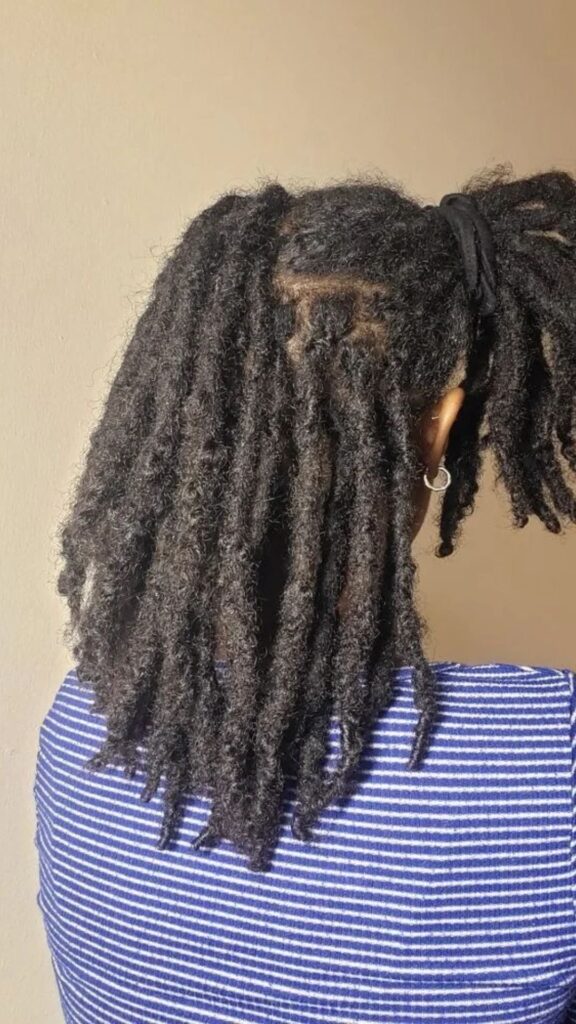
One reason people ask, do locs get thicker or thinner over time, is because they notice significant changes during the first few years.
In many cases, locs become fuller as they mature. This happens because loose strands gradually intertwine and form a more established structure.
During the early stages, individual strands may still move around inside the loc. However, as the locking process continues, the hair becomes more compact and interconnected.
Here are some reasons your locs may appear thicker.
Hair Becomes More Interlocked
When you first start your locs, the hair has not completely formed its permanent structure. Depending on your starting method, the strands may still be loose and capable of separating.
However, with time, the hair begins to tangle naturally. Eventually, the strands become increasingly interconnected.
As a result, the loc may develop a fuller appearance. This is one reason some people notice that their locs look different after several months.
Therefore, when considering whether locs get thicker or thinner over time, remember that maturation can change their overall appearance.
Budding Creates a Fuller Appearance
Budding is a natural stage of the locking process. It happens when the hair begins forming small, compact sections along the loc.
These sections can make your locs feel rough, uneven, or slightly swollen.
Although budding can make your locs look untidy, it is generally a normal part of maturation.
Furthermore, the buds may create the impression that your locs are becoming thicker. This does not necessarily mean your hair has suddenly increased in density. Instead, the internal structure is changing.
Consequently, avoid trying to flatten every bump or force your locs into a perfectly smooth appearance.
Your Hair Density Influences Thickness
Hair density refers to the number of individual strands growing on your scalp.
People with higher hair density often have more strands available to form each loc. Therefore, their locs may naturally look fuller.
Meanwhile, people with lower density may have smaller locs, even when their hair is healthy.
This is an important distinction because thickness and density are not exactly the same thing.
For instance, two people can have the same number of locs but completely different levels of hair density.
Additionally, the size of your original sections influences how much hair goes into each loc.
Therefore, do locs get thicker or thinner over time? They may become fuller through maturation, but your natural density still plays an important role.
Natural Frizz Adds Volume
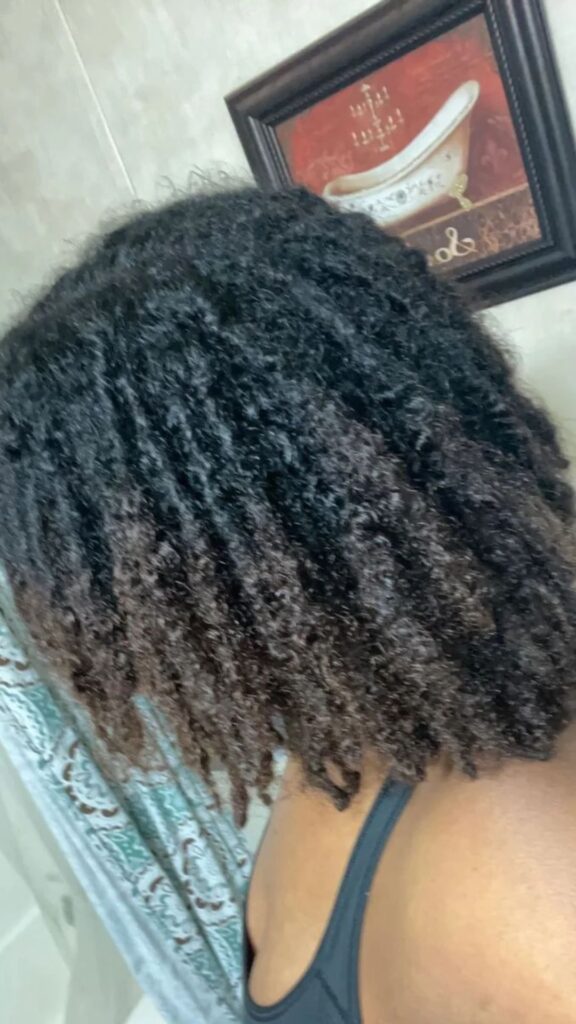
Frizz is another reason mature locs sometimes look thicker than they did initially.
During the locking process, loose strands may extend from the main body of the loc. These strands can create a softer, fuller appearance.
However, frizz is not necessarily a sign of unhealthy hair.
In fact, some amount of frizz is completely normal, especially during the early stages.
Nevertheless, excessive manipulation to remove every loose strand can create unnecessary tension.
Rather than chasing perfectly smooth locs, focus on keeping your hair clean, moisturised appropriately, and protected.
Why Locs Become Thinner Over Time
Although some locs become fuller with age, others gradually lose thickness.
This can happen for several reasons. In particular, maintenance habits, physical damage, and scalp health can influence the condition of your locs.
If you are wondering, do locs get thicker or thinner over time, it is important to understand the factors that cause thinning.
Excessive Retwisting
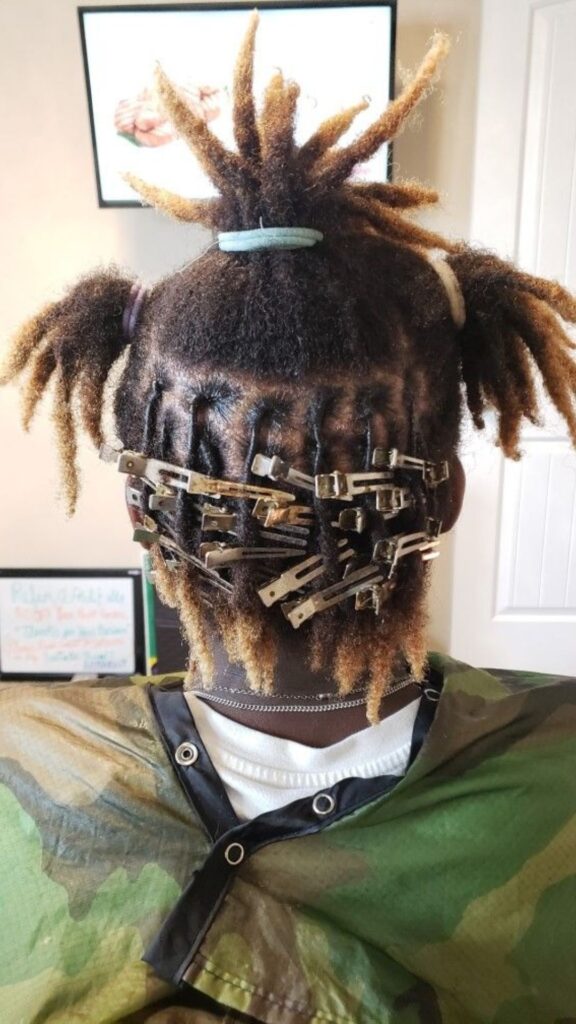
Retwisting helps organise new growth and maintain the appearance of your locs. However, doing it too frequently or too tightly can create problems.
Repeated tension places stress on the hair around the roots. Over time, this may contribute to thinning, breakage, and traction-related hair loss.
Furthermore, tight retwists can make your scalp uncomfortable.
If your scalp feels painful after maintenance, that is a warning sign that the style may be too tight.
Instead, choose a maintenance schedule that allows sufficient new growth and avoids unnecessary tension.
Remember, neatness should never come at the expense of healthy hair.
Excessive Palm Rolling
Palm rolling is commonly used to encourage locs to maintain a particular shape.
Nevertheless, repeatedly rolling your locs with excessive force can cause unnecessary friction.
When this happens frequently, some hair may become damaged or weakened.
Additionally, aggressive manipulation can affect the structure of delicate locs.
Therefore, use gentle techniques and avoid treating every loc as though it needs constant attention.
Healthy locs need time to develop naturally.
Breakage Along the Loc
Hair breakage can gradually reduce the thickness of individual locs.
This may happen because of dryness, friction, excessive styling, or physical damage.
For example, repeatedly wearing tight hairstyles can place stress on particular sections of your hair.
Similarly, constantly pulling your locs into heavy ponytails may weaken them over time.
As a result, certain locs may become noticeably thinner than others.
If you are asking, do locs get thicker or thinner over time, remember that breakage can change their thickness even when the roots appear healthy.
Weak or Thinning Roots
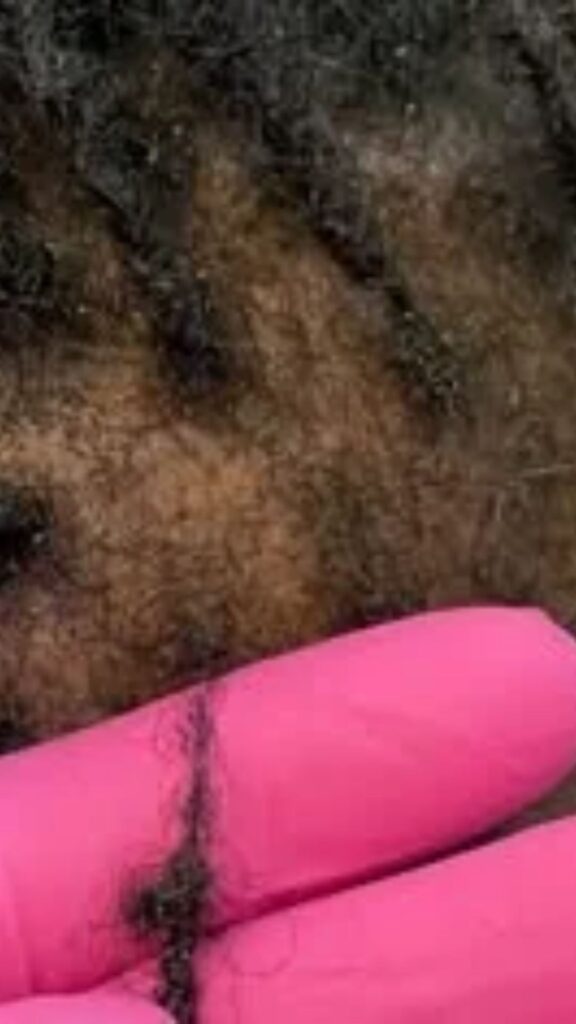
The roots are responsible for supporting the entire loc.
Consequently, when the hair around the roots becomes weak, the loc may lose its support.
This can happen because of excessive tension, repeated styling, or underlying scalp and hair conditions.
You may notice that some locs look thinner near the scalp while the remaining length appears relatively full.
However, root thinning should not automatically be blamed on your maintenance routine.
Persistent or unexplained hair loss deserves attention from a qualified dermatologist or healthcare professional.
Heavy Hairstyles
Locs can become long and heavy as they mature.
Although length is often celebrated, additional weight can place stress on the roots.
This becomes particularly noticeable when several locs are gathered into tight buns, ponytails, or elaborate updos.
Over time, repeated tension may contribute to thinning around the hairline and other stressed areas.
Therefore, alternate your hairstyles and give your scalp regular breaks.
A comfortable hairstyle is usually better than one that creates constant pulling.
Do Starter Locs Get Thicker Over Time?
Starter locs can become thicker as they mature, although the results depend on how they were created.
For example, two-strand twists may initially appear thin because the hair has not fully locked.
As the strands tangle and mature, the locs may develop a fuller appearance.
Similarly, comb coils can expand during the budding stage before becoming more established.
However, not every starter loc method produces the same result.
Your section size, hair texture, density, and locking technique all influence the final thickness.
Additionally, some locs may shrink during maturation before expanding again.
This can make the journey confusing because your hair may look shorter or smaller at certain stages.
Nevertheless, these changes are not automatically signs of damage.
If you want thicker locs, start by choosing an appropriate section size and working with a knowledgeable loctician.
Avoid constantly combining or manipulating your starter locs simply because they do not look as full as you expected.
Patience is essential during this stage.
Do Mature Locs Continue to Change Thickness?
Yes, mature locs can still change in appearance.
Although the locking process becomes more established, your hair continues growing and responding to everyday conditions.
For instance, new growth may gradually become incorporated into the existing loc.
Consequently, the loc can appear fuller near the roots.
However, mature locs can also experience thinning when subjected to repeated tension or damage.
Additionally, different parts of the same loc may have different levels of thickness.
This is particularly common when older sections have experienced years of styling, friction, or breakage.
Therefore, do locs get thicker or thinner over time even after maturity? Yes, changes can continue throughout your journey.
The goal should not be to maintain an identical appearance forever. Instead, focus on preserving the strength and health of your hair.
Factors That Determine How Thick Your Locs Become
Several factors influence whether your locs become fuller, thinner, or maintain their original size
Understanding these differences can help you establish realistic expectations.
Your Original Section Size
The amount of hair placed into each section is one of the biggest factors affecting loc thickness.
Larger sections generally produce larger locs, while smaller sections usually create thinner ones.
However, the final appearance also depends on your natural hair density.
Therefore, section size should be considered alongside your hair characteristics.
Your Hair Texture
Different hair textures behave differently during the locking process.
For example, tightly coiled hair may lock differently from loosely curled or straight hair.
Consequently, the time required for maturation and the appearance of the finished locs can vary.
However, every hair texture can form locs with an appropriate method and maintenance routine.
Your Maintenance Routine
Your maintenance habits can either support healthy loc development or contribute to unnecessary damage.
Gentle cleansing, sensible styling, and appropriate retwisting help protect your hair.
Conversely, excessive tension and aggressive manipulation may weaken individual locs.
Your Lifestyle
Everyday habits also influence your locs.
For example, frequently wearing tight hairstyles, sleeping without protecting your hair, and allowing heavy accessories to pull on individual locs can create unnecessary stress.
Therefore, maintaining healthy locs involves more than visiting your loctician.
Your everyday choices matter too.
How to Keep Your Locs Thick and Healthy
If you want to maintain fuller-looking locs, the most important thing is to protect the hair you already have.
Although you cannot completely control your natural hair characteristics, you can improve the conditions that support healthy growth.
Here are practical habits worth adopting.
Avoid Over-Retwisting
Give your roots enough time to grow between maintenance sessions.
Your locs do not need to look freshly retwisted every week.
In fact, excessive maintenance may create unnecessary tension.
Choose a schedule based on your hair, scalp condition, and preferred maintenance method.
Keep Your Scalp Clean
A healthy scalp supports healthy hair growth.
Wash your locs regularly using a suitable shampoo and make sure you rinse thoroughly.
Furthermore, allow your hair to dry properly after washing.
Excess moisture trapped inside thick locs can encourage unpleasant odours and other problems.
Cleanliness is more important than trying to preserve a particular hairstyle for too long.
Moisturise Appropriately
Dry hair can become more vulnerable to breakage.
Therefore, use appropriate lightweight moisturising products when your hair needs them.
Water-based moisturising products can help, while excessive oils and heavy creams may create buildup.
However, remember that products cannot repair hair that has already broken.
A balanced routine is more useful than applying several products every day.
Protect Your Locs at Night
Friction from cotton pillowcases can contribute to dryness and hair damage.
For this reason, consider sleeping with a satin or silk bonnet.
Alternatively, use a satin pillowcase.
These simple changes can help reduce friction while you sleep.
Additionally, make sure your locs are comfortably arranged rather than tightly pulled backwards.
Choose Protective Hairstyles Carefully
Protective hairstyles should reduce unnecessary manipulation rather than create additional tension.
Loose buns, comfortable ponytails, and relaxed updos can help you enjoy different looks without constantly stressing your roots.
Nevertheless, avoid keeping heavy styles for extended periods.
If a hairstyle causes pain, headaches, or pulling around your hairline, loosen it immediately.
Avoid Excessive Product Buildup
Using too many products can make locs feel heavy and dirty.
Over time, buildup may collect inside the loc and become difficult to remove.
Therefore, keep your routine simple.
Choose products that suit your hair and avoid applying unnecessary layers of wax, cream, or oil.
Monitor Your Locs Regularly
Pay attention to changes in thickness, especially around the roots and areas exposed to frequent styling.
For example, compare older photographs with your current appearance.
This can help you identify gradual changes that might otherwise go unnoticed.
However, do not become obsessed with checking every loc daily.
Focus on noticeable changes rather than normal variations.
Signs Your Locs May Be Becoming Too Thin
Some changes in loc thickness are natural. Nevertheless, certain signs deserve attention.
Watch out for the following:
- Locs becoming noticeably thinner near the roots.
- Individual locs feeling weaker than before.
- Excessive shedding or breakage.
- Locs separating or nearly breaking apart.
- A receding hairline or visible scalp around stressed areas.
- Persistent scalp discomfort after retwisting.
- Locs becoming unusually fragile during styling.
These signs do not always indicate a serious problem. However, they should not be ignored.
If thinning continues, consider reducing tension and consulting a qualified professional.
A dermatologist can help identify whether the problem involves traction, scalp conditions, or another form of hair loss.
Can You Make Thin Locs Thicker Again?
In some situations, yes.
However, the solution depends on why the locs became thin in the first place.
If the issue is excessive tension, changing your maintenance routine may help prevent further damage.
If the locs have become thin because of breakage, protecting the remaining hair is essential.
A loctician may also recommend combining certain locs when appropriate.
However, combining locs should be approached carefully because it changes their structure and overall appearance.
If the roots are weak, adding more hair or attaching extensions may create additional weight.
Therefore, identify the cause before choosing a solution.
Importantly, damaged hair cannot always return to its original thickness. Some cases of traction-related hair loss may require medical attention.
THESE ARTICLES WILL HELP YOUR THINING LOCS
Why Are My Locs Thinning at the Roots? 9 Causes and How to Fix Them
How to Fix Thinning Locs and Prevent Them From Getting Worse
Should You Combine Locs to Make Them Thicker?
Combining locs is one option for people who want fewer, larger locs.
However, it is not automatically the best solution for everyone.
For example, someone with very small locs may choose to combine selected sections to create a fuller appearance.
Nevertheless, combining locs changes their overall size, weight, and maintenance requirements.
Additionally, the process may take time, especially when the locs are already mature.
Before making this decision, consider your preferred hairstyle, scalp comfort, and long-term maintenance goals.
It is also helpful to consult an experienced loctician who understands your hair.
Remember, healthy locs are more important than simply having larger ones.
Common Myths About Loc Thickness
There are several misconceptions surrounding loc thickness.
Understanding what is true can help you avoid unnecessary mistakes.
Myth 1: All locs become thicker with age.
This is not true. Some become fuller, while others remain relatively unchanged or become thinner because of damage.
Myth 2: Thin locs are always unhealthy.
Not necessarily. Naturally thin locs can be perfectly healthy when they are strong and properly maintained.
Myth 3: Retwisting frequently makes locs thicker.
Frequent retwisting does not guarantee thicker locs. Excessive tension may actually contribute to thinning.
Myth 4: More products mean thicker locs.
Applying additional products does not increase the number of hair strands inside your locs. Furthermore, excessive product use can create buildup.
Myth 5: Mature locs never change.
Even mature locs continue responding to growth, styling, friction, and maintenance habits.
Frequently Asked Questions
Do locs get thicker or thinner after one year?
Locs may become fuller during the first year as they begin to mature. However, the amount of change depends on your hair density, starting method, and maintenance routine. Some locs may also shrink or appear uneven during this period.
Why are my locs getting thinner at the roots?
Thinning roots may result from excessive retwisting, tight hairstyles, breakage, or other scalp and hair conditions. Therefore, reduce unnecessary tension and seek professional advice if the problem continues.
Do locs get thicker after budding?
Budding can make locs appear thicker because small sections of tangled hair form along their length. However, this is part of the locking process rather than an increase in the number of follicles.
Can thin locs become thick naturally?
Some thin locs may develop a fuller appearance as they mature. Nevertheless, their final size depends on the original section size, hair density, and natural characteristics.
Does cutting locs make them thicker?
Cutting the ends does not increase the actual thickness of a loc. However, trimming uneven or damaged ends may improve its overall appearance.
How often should I retwist my locs?
There is no universal schedule. Your hair type, growth rate, maintenance method, and scalp condition all matter. The important thing is to avoid excessive tension and allow your roots to develop naturally.
Can sleeping without a bonnet make locs thinner?
Sleeping without a protective covering does not automatically make locs thinner. However, repeated friction may contribute to dryness and breakage. A satin bonnet or pillowcase can help reduce that friction.
Final Thoughts: What Really Happens to Loc Thickness Over Time?
So, do locs get thicker or thinner over time?
The honest answer is that both outcomes are possible. Some locs become fuller as they mature, while others gradually lose thickness because of breakage, excessive tension, or poor maintenance habits.
Your original hair density, section size, texture, and locking method also influence the final result.
Therefore, do not judge the health of your locs by their size alone. Thin locs can be healthy, just as thick locs can experience damage.
Instead, pay attention to their strength, root condition, and overall appearance.
Most importantly, develop a maintenance routine that supports your hair rather than forcing it to look a certain way.
Locs are a journey, and their appearance will naturally change along the way. With patience, gentle care, and consistent maintenance, you can give your locs the best opportunity to remain strong, healthy, and beautiful for years to come.