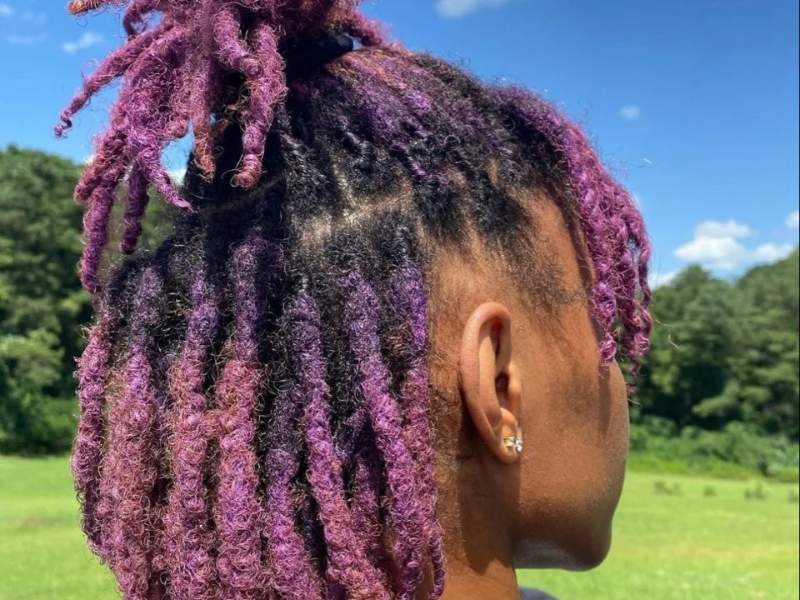
How to Add Color to Locs Without Major Damage
Adding color to your locs is a beautiful way to express your personality, refresh your appearance, and give your hairstyle a completely different look. Whether you prefer warm brown, honey blonde, copper, burgundy, or bold fashion colors, changing the shade of your locs can make your hairstyle feel exciting again. However, coloring locs requires extra care because the hair is already tightly intertwined, making certain coloring and maintenance techniques different from those used on loose natural hair.
If you want to experiment with a new shade, learning how to add color to locs without major damage should be your first priority. The goal is not simply to achieve a beautiful color but also to preserve the strength, moisture, and overall condition of your locs.
Many people worry that coloring will make their locs dry, weak, brittle, or prone to breakage. These concerns are understandable, especially when bleaching or using permanent dyes. Fortunately, you can explore different coloring options while reducing unnecessary damage.
This guide explains how to add color to locs without major damage, including choosing suitable products, preparing your hair, applying color carefully, and maintaining your results.
How to Add Color to Locs Without Major Damage Entails Understanding Your Locs Before Coloring

Before choosing a hair color, take time to understand the condition and maturity of your locs. Not every set of locs is ready for chemical coloring.
Mature locs generally have a more established structure than freshly started locs. Starter locs, budding locs, and developing locs may require additional patience because excessive manipulation and harsh chemical treatments can interfere with their progress.
If your locs are still developing, consider waiting until they become more established before attempting permanent coloring. This gives your hair more time to settle and makes it easier to manage during the coloring process.
Learning how to add color to locs without major damage begins with an honest assessment of your hair.
Look for signs of weakness, thinning, excessive dryness, and breakage. If your locs already feel fragile, coloring may make the situation worse. Address existing problems before introducing chemical treatments.
Pay particular attention to your ends and roots. Thin areas may need additional care, while damaged sections may benefit from professional assessment.
Healthy locs provide a better starting point for coloring than hair that is already struggling.
Choose a Gentle Coloring Method
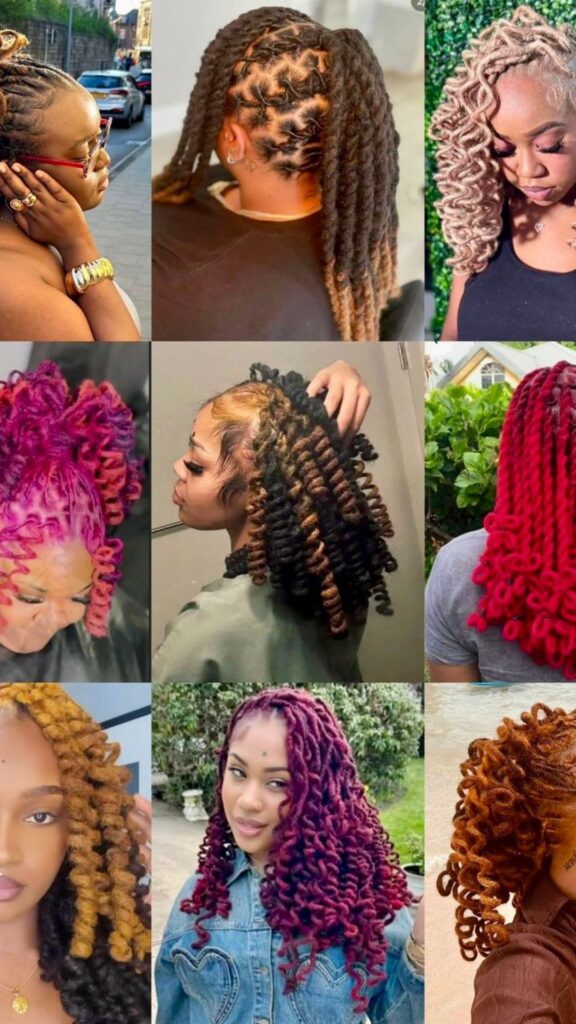
One of the most important decisions when exploring how to add color to locs without major damage is selecting the right coloring method.
Not every coloring product works the same way. Some deposit color on the outside of the hair, while others use chemicals to change the hair’s natural pigment.
Temporary color products are often a good starting point because they allow you to experiment without committing to a permanent shade.
Consider these options:
Temporary hair color: Temporary sprays, gels, and color waxes can provide noticeable results without permanently changing your natural hair pigment. They are useful when you want to experiment with different shades for special occasions.
Semi-permanent hair dye: Semi-permanent dyes generally deposit color without the same level of chemical processing associated with permanent dyes. They can be useful for adding depth or refreshing an existing shade.
Color-depositing conditioners: These products gradually add pigment while conditioning the hair. They are particularly useful for maintaining certain fashion shades.
Natural coloring alternatives: Some plant-based coloring products may provide subtle results. However, natural does not automatically mean harmless, so check ingredients and test products before application.
When deciding how to add color to locs without major damage, remember that the gentlest suitable option is often the best place to begin.
Avoid Unnecessary Bleaching
Bleaching is one of the most important factors to consider before coloring locs. It removes natural pigment and can weaken the hair when used improperly.
If you want blonde, platinum, or bright fashion colors, bleaching may seem unavoidable. However, repeated bleaching can leave locs dry, rough, brittle, and more likely to break.
Locs also require special consideration because product residue can become trapped inside their structure. Uneven application and inadequate rinsing may create additional problems.
If your desired shade requires significant lightening, consult an experienced professional who understands natural hair and locs.
Avoid attempting several bleaching sessions close together. Allow sufficient recovery time between chemical treatments, and do not bleach hair that is already damaged.
An important part of how to add color to locs without major damage is understanding that you do not need to choose the lightest shade to achieve an attractive result.
Rich chocolate brown, dark auburn, burgundy, copper, and other deeper colors can create beautiful transformations without requiring extensive lightening.
Prepare Your Locs Before Applying Color
Preparation makes a significant difference in the coloring process. Applying dye to neglected, excessively dry, or product-heavy locs can produce disappointing results.
Start by washing your hair with a suitable residue-free shampoo. This helps remove dirt, oils, and styling products that may interfere with even color application.
Rinse thoroughly and allow your locs to dry completely before applying products that require dry hair. Always follow the specific instructions supplied by the manufacturer.
Avoid applying heavy oils, thick creams, or excessive conditioners immediately before coloring unless the product instructions recommend them.
Inspect your locs for weak areas and thinning roots. If you notice significant damage, postpone coloring until you have addressed the problem.
Preparation is an essential step in how to add color to locs without major damage because healthy, clean hair gives you a better foundation.
You should also perform a strand test whenever possible. This helps you understand how the product interacts with your hair and whether the resulting shade matches your expectations.
A patch test is equally important because hair coloring products can cause allergic reactions. Follow the manufacturer’s instructions and avoid using products if you experience irritation.
Perform a Patch Test Before Coloring
Never assume that a product is safe simply because someone else has used it successfully.
Hair dyes contain different ingredients, and individual reactions can vary. A patch test helps identify possible sensitivity before you apply the product to your entire head.
Follow the manufacturer’s directions for testing. Do not ignore itching, swelling, burning, redness, or other unusual reactions.
If you experience an allergic reaction, do not proceed with the coloring process.
A strand test can also help you determine whether the color will develop evenly on your locs.
These simple precautions make how to add color to locs without major damage a safer and more predictable process.
Select Colors That Complement Your Natural Hair
Choosing the right shade can make your locs look attractive without requiring aggressive chemical processing.
If your natural hair is dark, consider shades that can enhance your existing color.
Chocolate brown creates a soft, natural appearance. Burgundy adds richness, while dark auburn offers warmth. Copper can introduce brightness, and caramel highlights can create dimension.
You can also consider subtle color placement instead of changing every loc.
For example, coloring only the ends or a few selected locs can create an interesting appearance without exposing your entire head to the coloring process.
When researching how to add color to locs without major damage, remember that your preferred shade should also suit your hair’s condition.
Choose a realistic color goal rather than forcing your hair through several chemical processes to achieve an extremely different shade.
Consider Temporary Color Before Permanent Dye
Temporary color is an excellent way to experiment with your appearance.
If you are unsure whether a particular shade will suit you, try temporary color first. This allows you to explore different looks without making a permanent commitment.
Color wax, temporary sprays, and suitable color gels can create noticeable results.
However, application matters. Use products specifically designed for hair, avoid excessive amounts, and follow the removal instructions.
Some temporary products may leave residue or cause buildup when used repeatedly. This is especially important for locs because residue can become difficult to remove.
Wash your hair thoroughly when removing temporary color, and make sure your locs dry completely afterward.
For anyone considering how to add color to locs without major damage, temporary coloring offers flexibility and room for experimentation.
Apply Hair Color Carefully
Once you have selected a suitable product and completed the necessary tests, focus on careful application.
Read the instructions before beginning. Different products have different application times, mixing requirements, and removal methods.
Wear protective gloves and use suitable clothing to prevent staining.
Divide your locs into manageable sections. This makes application easier and helps you avoid missing areas.
Apply the product evenly without saturating your locs with unnecessary amounts. Excessive product can become difficult to rinse out, particularly when locs are thick or tightly compacted.
Pay attention to the roots, middle sections, and ends if you intend to color the entire length.
Avoid rubbing, pulling, or twisting your locs aggressively during application.
Another important consideration in how to add color to locs without major damage is following the recommended processing time. Leaving dye on longer than instructed will not necessarily produce a better result.
Never combine different chemical products unless a qualified professional confirms that they are compatible.
Rinse Your Locs Thoroughly
Rinsing is just as important as applying the color.
Once the recommended processing time has passed, rinse your locs according to the product instructions. Use sufficient water to remove remaining dye and avoid leaving unnecessary residue inside the hair.
Take your time, especially if your locs are thick or long.
Do not assume that clear-looking water means every section is completely clean. Check the roots, inner sections, and ends carefully.
After rinsing, use a suitable conditioner if recommended for the coloring product.
Avoid rough handling while washing. Squeezing or twisting your locs aggressively can create unnecessary tension.
Thorough rinsing supports how to add color to locs without major damage because leftover chemicals and product residue can contribute to irritation and buildup.
Restore Moisture After Coloring
Coloring can leave hair feeling drier than usual, particularly when permanent dye or lightening products are involved.
After coloring, focus on maintaining moisture without introducing excessive product buildup.
Use a lightweight, water-based moisturizing product suitable for locs. Apply it according to the product directions, paying attention to areas that feel dry.
A light conditioning treatment may also help improve softness and manageability.
Remember that oils do not replace water-based moisture. They can help reduce moisture loss, but applying large amounts of oil will not automatically hydrate dry locs.
If your hair feels unusually brittle after coloring, avoid immediately introducing additional chemical treatments.
Understanding how to add color to locs without major damage includes knowing how to care for your hair after the color has developed.
Give your locs time to recover before experimenting with another shade.
How to Add Color to Locs Without Major Damage Entails Knowing When to Avoid Excessive Heat Styling
Heat styling can place additional stress on locs that have recently undergone chemical coloring.
Frequent use of flat irons, curling irons, and high-temperature blow dryers may contribute to dryness and breakage.
Allow your locs to air-dry whenever practical.
If you need to use a blow dryer, select a moderate or cool setting and avoid concentrating heat on one section for too long.
Protective styling can also reduce unnecessary manipulation.
However, protective styles should never create excessive tension around your roots.
A gentle approach supports how to add color to locs without major damage by reducing the number of stress factors affecting your hair.
Maintaining Your Color Without Overprocessing is also essential in knowing How to Add Color to Locs Without Major Damage
Colored locs require consistent maintenance if you want the shade to remain attractive.
However, maintaining color does not mean repeatedly applying permanent dye.
Start by using suitable shampoos and conditioners that support colored hair. Choose products that cleanse effectively without leaving excessive residue.
Wash your locs according to your hair’s needs, lifestyle, and scalp condition.
Avoid unnecessary washing with harsh products, but do not skip cleansing simply because you want your color to last longer.
When your shade begins to fade, consider a suitable color-depositing product instead of immediately repeating a permanent chemical treatment.
This approach can help preserve your results while limiting additional stress.
For long-term success, how to add color to locs without major damage should involve a maintenance routine that prioritizes hair health over constant color changes.
Protect Your Locs From Sun Exposure
Sun exposure can gradually affect the appearance of colored hair.
Some shades may fade faster when exposed to prolonged sunlight. This can make your locs look dull or uneven.
Consider wearing a breathable hat or covering your hair when spending extended periods outdoors.
You can also look for suitable hair products that offer UV protection.
Avoid assuming that every product marketed for sun protection is appropriate for locs. Check its ingredients and consider whether it may leave residue.
Protecting your color from excessive sunlight helps maintain a fresh appearance between coloring sessions.
It also supports how to add color to locs without major damage by reducing the temptation to recolor your hair too frequently.
Avoid Product Buildup
Product buildup is a common concern among people with locs.
Because locs consist of intertwined strands, heavy products can accumulate within their structure.
Coloring products, thick conditioners, styling gels, and heavy oils may contribute to buildup when used excessively or rinsed poorly.
Choose lightweight products whenever possible.
Cleanse your scalp and locs regularly, and rinse thoroughly after every wash.
If you notice unusual residue, discoloration, unpleasant odors, or persistent itching, review your hair care routine.
Do not attempt to remove stubborn buildup with harsh chemicals or aggressive scrubbing.
A healthy cleansing routine is an important part of how to add color to locs without major damage because clean locs are easier to maintain and care for.
Know When to Visit a Professional
Although some coloring methods are suitable for home use, professional assistance is valuable when working with permanent dyes, bleaching products, or complicated color combinations.
Choose a stylist who understands locs rather than someone who only specializes in conventional hair coloring.
An experienced professional can examine your hair, recommend realistic shades, and identify areas that may not tolerate chemical processing.
They can also help you decide whether highlighting, partial coloring, or full-head coloring is appropriate.
If your locs are thinning, breaking, or experiencing significant damage, seek professional advice before proceeding.
Knowing how to add color to locs without major damage sometimes means recognizing when a particular treatment should not be attempted at home.
Give Your Locs Enough Time Between Treatments
These Articles are helpful
Low Tension Loc Styles That Protect Your Hairline (Stop Traction Damage Now)
How to Keep Your Scalp Healthy and Moisturized with Locs(fix Itch)
One common mistake is coloring locs too frequently.
Constantly changing your shade can expose your hair to repeated chemical processing, which may gradually weaken its structure.
Allow your locs sufficient time between treatments. The appropriate interval depends on the product, your hair’s condition, and the amount of chemical processing involved.
Do not automatically recolor your entire head whenever you notice fading.
Sometimes, refreshing selected sections or using a suitable temporary color product is enough.
Pay attention to changes in texture, strength, and elasticity.
If your locs become increasingly dry or fragile, stop chemical treatments and focus on recovery.
Patience is an important principle when learning how to add color to locs without major damage.
Beautiful color should never come at the expense of healthy hair.
How to Add Color to Locs Without Major Damage Requires Knowing Common Coloring Mistakes to Avoid
Even when you choose good products, certain mistakes can affect the condition of your locs.
Avoid these common problems:
- Bleaching repeatedly to achieve a lighter shade.
- Using products without reading their instructions.
- Skipping patch and strand tests.
- Applying excessive amounts of dye.
- Leaving coloring products on longer than recommended.
- Failing to rinse thoroughly.
- Applying permanent dye to already damaged locs.
- Using excessive heat immediately after coloring.
- Neglecting scalp cleansing and moisture.
- Recoloring too frequently.
Avoiding these mistakes makes how to add color to locs without major damage easier to achieve.
Remember that healthy hair requires consistency. One careful coloring session is not enough if your everyday maintenance routine continues to weaken your locs.
Build a Healthy Routine for Colored Locs
Your daily and weekly hair care habits influence how your colored locs look and feel.
Keep your scalp clean, moisturize when necessary, and avoid unnecessary manipulation.
Sleep with a satin or silk scarf or bonnet to reduce friction.
Use lightweight products and avoid applying several heavy treatments at once.
Inspect your locs regularly for thinning, weak areas, and breakage.
If you notice unusual changes after coloring, seek professional advice rather than experimenting with additional products.
The best approach to how to add color to locs without major damage is one that combines careful product selection, proper application, and consistent maintenance.
You do not need an expensive collection of products to care for colored locs. A simple routine using suitable cleansing, moisturizing, and conditioning products can make a meaningful difference.
Frequently Asked Questions
Can I color my locs without damaging them?
Yes. You can reduce the risk of damage by choosing suitable temporary or semi-permanent products, avoiding unnecessary bleaching, performing patch tests, and maintaining a healthy hair care routine. However, no chemical coloring method is completely risk-free.
What is the safest color to use on locs?
Temporary color sprays, suitable color waxes, and color-depositing products are useful options for experimenting with different shades. Always check the ingredients and choose products specifically designed for hair.
Can I bleach my locs without damaging them?
Bleaching can weaken locs, especially when performed repeatedly or incorrectly. If you want a significantly lighter shade, consult a professional experienced in coloring locs. There is no guarantee that bleaching will be damage-free.
How often should I color my locs?
There is no universal schedule because the appropriate frequency depends on your hair’s condition and the coloring product. Avoid frequent chemical treatments, and consider temporary color refreshers when appropriate. Prioritize the health and strength of your locs over maintaining a particular shade.
Conclusion
Adding color to your locs can be an enjoyable way to refresh your hairstyle and express your personal style. However, protecting your hair should always remain more important than achieving a particular shade.
Learning how to add color to locs without major damage starts with understanding your hair’s condition, choosing an appropriate coloring method, preparing properly, and avoiding unnecessary chemical processing.
Temporary colors, semi-permanent dyes, and carefully selected deeper shades can provide beautiful results without requiring aggressive lightening.
If you decide to use permanent dye or bleach, consider professional assistance, follow product instructions, and give your hair sufficient time between treatments.
Most importantly, maintain a consistent routine that supports moisture, cleanliness, and strength.
Your locs can look vibrant and beautiful while remaining healthy. With patience, informed decisions, and gentle care, you can enjoy experimenting with color without making unnecessary sacrifices to the condition of your hair.