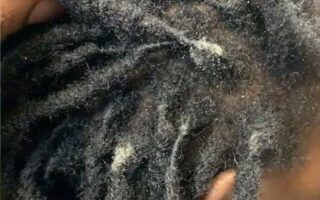
How to Prevent Flattened Locs Overnight and Keep Your Style Fresh
Have you ever spent time washing, moisturizing, twisting, or styling your locs, only to wake up the next morning and discover that they look flat, messy, or completely different from how they looked before bed? If this sounds familiar, you are certainly not alone. Many people with locs experience this and seek to prevent flattened locs overnight, especially when their hair rubs against a pillow throughout the night.
The good news is that you do not need an expensive haircare routine to protect your hairstyle while sleeping. With a few simple habits, the right nighttime accessories, and consistent care, you can prevent flattened locs overnight and wake up with hair that looks fresher, feels comfortable, and requires less styling in the morning.
Learning how to prevent flattened locs overnight is particularly important if you have spent time creating a beautiful style that you want to maintain for several days. Whether you wear short starter locs, shoulder-length locs, or long mature locs, your nighttime routine can make a noticeable difference.
In this guide, we will explore why locs become flattened during sleep, how to protect them, which accessories work best, and what to do when you wake up with a hairstyle that needs refreshing.
Understand Why Locs Become Flattened Overnight
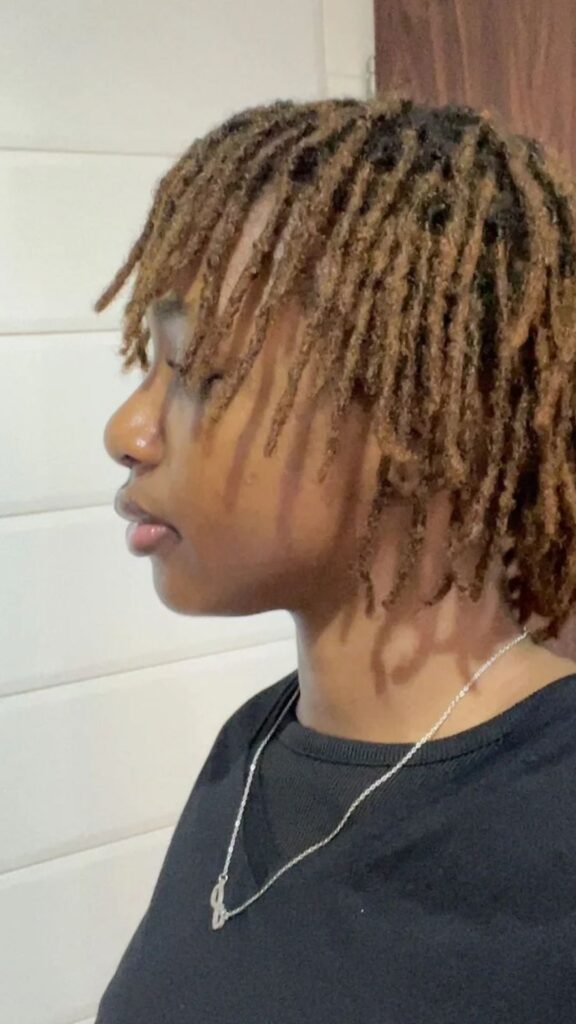
Before learning how to prevent flattened locs overnight, it helps to understand what causes the problem.
One of the main reasons locs become flattened is pressure. When you sleep, your head rests against a pillow for several hours. Depending on your sleeping position, this pressure can push your locs against your scalp or trap them underneath your head.
Friction is another important factor. Cotton pillowcases can create friction as your head moves during sleep. This movement may disturb your hairstyle, increase frizz, and cause your locs to lose some of their original shape.
Moisture can also influence how your locs look in the morning. If your hair is damp when you go to bed, your locs may dry in an awkward position. This is especially noticeable when you have styled your hair into twists, curls, or an updo.
Your hair length, thickness, and stage of development can make a difference, too. Starter locs may be more delicate and easier to disturb, while mature locs generally have a more established structure.
Understanding these causes makes it easier to prevent flattened locs overnight without relying on unnecessary products or complicated styling techniques.
Choose the Right Nighttime Head Covering
One of the simplest ways to protect your hairstyle is to cover your locs before going to bed.
A satin or silk bonnet can help reduce friction between your hair and your pillow. Unlike many cotton fabrics, these smooth materials allow your locs to move more easily without excessive rubbing.
When choosing a bonnet, consider the length and thickness of your hair. A small bonnet may squeeze your locs together, while an oversized one may slip off during sleep. Look for a comfortable design with enough room to accommodate your hairstyle without pulling tightly around your hairline.
A satin-lined loc cap is another useful option, especially if you have long or thick locs. Some people prefer a satin scarf because it allows them to secure their hair in a particular position.
Whatever covering you choose, avoid tying it too tightly. Excessive pressure around your edges can cause discomfort and unnecessary tension.
If your goal is to prevent flattened locs overnight, the best covering is one that protects your hair without compressing it.
Wash your bonnet or scarf regularly, following the manufacturer’s care instructions. A clean covering helps prevent the buildup of sweat, oils, and hair products.
Consider Switching to a Satin Pillowcase

Sometimes, even the best bonnet slips off while you sleep. This is why a satin pillowcase can be a helpful backup.
If your head moves frequently during the night, a satin pillowcase provides a smoother surface for your hair. It can reduce friction when your locs come into contact with the pillow.
You do not necessarily need to purchase an expensive silk pillowcase. A good-quality satin option may be sufficient for everyday hair protection.
However, remember that a pillowcase alone cannot prevent every flattened hairstyle. Your sleeping position, the way you arrange your hair, and the amount of pressure placed on your locs all matter.
For the best results, combine a satin pillowcase with a comfortable bonnet or scarf.
This simple combination can help prevent flattened locs overnight while keeping your nighttime routine easy and affordable.
If you prefer sleeping without a head covering, a satin pillowcase offers an alternative, although it may provide less protection for elaborate hairstyles.
Choose whichever option allows you to sleep comfortably while keeping your hair away from unnecessary friction.
Arrange Your Locs Before Going to Bed
How you arrange your hair before sleeping can influence how it looks the next morning.
Instead of allowing your locs to spread randomly across your pillow, gently position them in a way that reduces pressure on your hairstyle.
If you have long locs, you might loosely gather them toward the top of your head. Avoid pulling them into a tight ponytail or bun, especially if your scalp feels sensitive.
For medium-length locs, a loose arrangement can keep the hair away from the areas where your head makes the most contact with the pillow.
People with short locs may not need to tie their hair up at all. A comfortable bonnet can provide enough protection.
The key is to avoid forcing your locs into an uncomfortable position.
If you have curls or a carefully styled updo, consider how different sleeping positions might affect the shape. Protecting your hairstyle starts with understanding how your hair rests against your head.
To prevent flattened locs overnight, choose a loose arrangement that keeps your hair secure without placing unnecessary tension on individual locs.
Experiment with different arrangements until you discover what works best for your hair length and preferred sleeping position.
Avoid Sleeping With Damp Locs
Going to bed with damp locs can make your morning routine more difficult.
When locs remain wet for extended periods, they may develop unpleasant odors if moisture becomes trapped. In addition, hair that dries while pressed against a pillow may retain an uneven shape.
This does not mean you must avoid washing your hair in the evening. Instead, allow sufficient time for your locs to dry thoroughly before sleeping.
After washing, gently squeeze excess water from your locs with a clean microfiber towel. Avoid rubbing them aggressively, as excessive friction may contribute to frizz.
If you use a hair dryer, choose a suitable setting and ensure that your locs are dry throughout, including the inner sections where moisture can linger.
People with thick or long locs may need more drying time than those with shorter hair.
Do not assume that your hair is dry simply because the outside feels dry. Check the thicker sections before covering your head.
Keeping your locs clean and thoroughly dry is an important part of learning to prevent flattened locs overnight while supporting a healthy scalp.
Be Gentle With Starter Locs

Starter locs require particular attention because they are still developing their structure.
Depending on your loc method and hair texture, newly formed locs may unravel, loosen, or change shape when exposed to excessive friction and manipulation.
If you have starter locs, choose a soft bonnet or scarf that fits comfortably. Avoid coverings that press directly against your hair or pull on the roots.
You should also be careful when arranging your locs before bed. Aggressively tying them, twisting them repeatedly, or trying to reshape them every morning can interfere with their development.
Follow the maintenance instructions recommended by your loctician, especially if your locs were recently installed or retwisted.
It is also important to understand that starter locs naturally change as they mature. Some unevenness, frizz, and temporary flattening are normal parts of the process.
Your goal should not be to make every loc look perfectly identical each morning.
Instead, focus on protecting your hair, minimizing unnecessary manipulation, and allowing your locs to develop naturally.
A gentle nighttime routine can help prevent flattened locs overnight without disturbing the progress your hair is making.
Protect Mature Locs Without Overstyling
Mature locs are generally more established than starter locs, but they can still become flattened when exposed to pressure and friction.
Long locs may be particularly difficult to manage during sleep because they can become trapped underneath your shoulders or spread across your pillow.
If your locs are long, consider gathering them loosely into a comfortable position before putting on your bonnet.
Avoid using tight elastic bands that pull on individual locs. If you need to secure your hair, choose a soft accessory that does not create excessive tension.
You should also avoid constantly retwisting your roots simply because your hairstyle looks slightly different after sleeping.
Frequent retwisting may cause unnecessary tension and contribute to thinning around the hairline. Your maintenance schedule should depend on your locs’ condition and your loctician’s advice.
Mature locs can be beautiful without looking perfectly arranged every day.
Learning to prevent flattened locs overnight is about preserving your preferred style while recognizing that natural hair changes slightly between washes and styling sessions.
With consistent protection, you can often reduce the amount of work required to refresh your hair each morning.
Avoid Heavy Products Before Bed
It can be tempting to apply several oils, creams, and styling products before sleeping because you want your locs to remain soft and manageable.
However, using too much product can create problems.
Heavy products may leave residue, attract dirt, or make your locs feel greasy. Product buildup can also make proper cleansing more difficult over time.
Instead of applying multiple products every night, develop a simple routine based on your hair’s actual needs.
If your scalp feels dry, use a suitable lightweight product sparingly, following the recommendations of your loctician or haircare professional.
Avoid applying thick creams directly to your locs unless the product is appropriate for your hair and loc maintenance routine.
Remember that moisture and oil are not the same thing. Water-based hydration and suitable scalp care may be more useful than repeatedly coating your hair with oil.
You do not need to make your locs feel slippery to keep them looking good.
A lightweight approach can help prevent flattened locs overnight by reducing residue and keeping your hair easier to manage.
The less unnecessary product you use, the easier it may be to maintain clean, comfortable locs.
Keep Your Scalp Comfortable and Healthy
Healthy-looking locs begin with a scalp that receives appropriate care.
Before bed, take a moment to notice whether your scalp feels comfortable. If you experience persistent itching, irritation, tenderness, or flaking, consider whether your current haircare routine needs adjustment.
Avoid scratching your scalp aggressively, as this may irritate the skin and disturb your hairstyle.
If you have recently had a retwist, make sure your locs are not pulled too tightly. A style should not cause ongoing pain or significant scalp tension.
Your nighttime covering should also allow you to sleep comfortably. If the elastic leaves deep marks or causes headaches, try a different size or design.
Cleanliness matters, too. Wash your bonnet, scarf, and pillowcase regularly so sweat, dirt, and product residue do not accumulate unnecessarily.
If you experience persistent scalp problems, seek advice from a qualified healthcare professional or dermatologist.
Remember that preventing flattened locs overnight should never come at the expense of scalp comfort.
A healthy routine combines gentle protection, appropriate cleansing, comfortable styling, and attention to changes in your scalp.
Find a Sleeping Position That Works for You
Your sleeping position can affect how much pressure your locs experience throughout the night.
People who sleep on their backs may find that the hair at the back of the head becomes flattened. Side sleepers may notice that their locs become compressed on one side.
You do not necessarily need to change your natural sleeping position completely. Instead, consider making small adjustments that reduce pressure on your hairstyle.
If you have long locs, position them away from areas where your shoulders or pillow might trap them.
A supportive pillow can also help you find a comfortable position without repeatedly adjusting your head throughout the night.
However, comfort should remain your priority. Do not force yourself into an uncomfortable sleeping position just to preserve your hairstyle.
Try different hair arrangements and nighttime coverings to see which combination works best with the way you naturally sleep.
The goal is to prevent flattened locs overnight without sacrificing restful sleep.
Over time, you may discover that a simple change in how you arrange your hair makes a noticeable difference to your morning appearance.
What to Do When You Wake Up With Flattened Locs
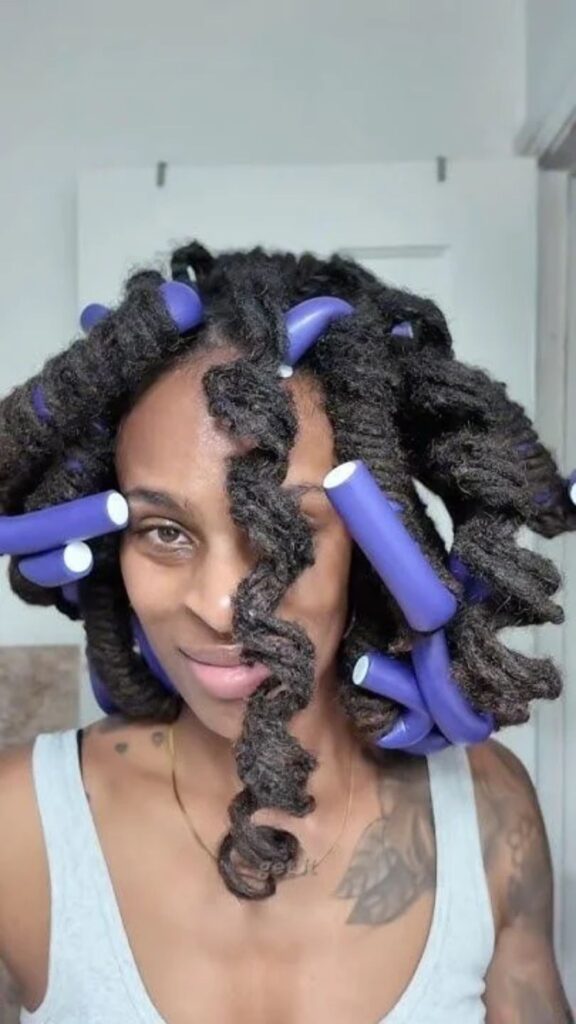
Even when you follow a good nighttime routine, you may occasionally wake up with flattened locs.
Do not panic or immediately reach for a retwisting tool.
Start by removing your bonnet or scarf gently. Give your hair a few minutes to settle before deciding whether it needs attention.
Next, use clean fingers to separate locs that have become tangled together. Work slowly, avoiding unnecessary pulling or twisting.
If your locs appear compressed, gently lift them at the roots with your fingers. You may also lightly reposition individual locs to restore a more balanced appearance.
If your hair feels dry, use a small amount of an appropriate moisturizing product rather than soaking your locs unnecessarily.
For a simple everyday style, you might use a headband, arrange your locs to one side, or gather them loosely into a preferred shape.
Remember that not every flattened loc requires correction. Some hair movement and unevenness are completely normal.
Learning to prevent flattened locs overnight can reduce morning styling, but knowing how to refresh your hair gently is equally valuable.
Avoid repeatedly manipulating the same locs in an attempt to achieve perfection.
Refresh Your Style Without Starting Again
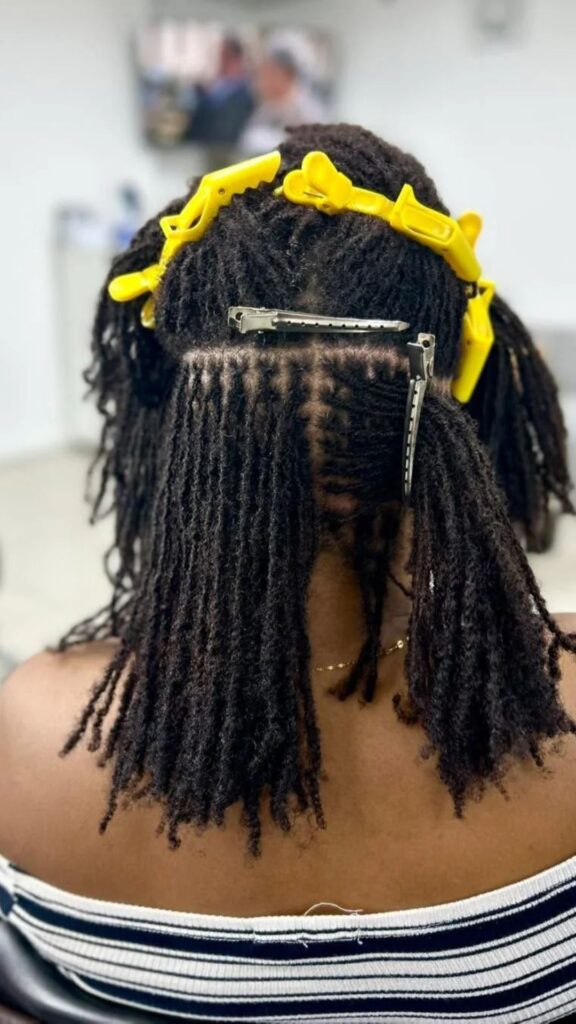
You do not need to recreate your entire hairstyle every morning.
Sometimes, a few small adjustments are enough to make your locs look presentable.
If you wear a simple down style, gently arrange the locs around your face and allow the rest to fall naturally.
If you prefer an updo, reposition your hair using soft accessories that do not pull tightly at the roots.
For special occasions, you can refresh your hairstyle with a few carefully placed locs rather than completely restyling everything.
Avoid excessive brushing, pulling, or twisting. These actions may cause unnecessary friction and tension.
If your locs have been styled into curls, give them time to settle before deciding whether the curls need adjustment.
You should also consider the condition of your hair before applying additional products. Adding more product to solve every styling problem may lead to buildup.
The best morning routine is one that makes your hair look good without taking too much time.
When you consistently prevent flattened locs overnight, you may find that your regular styling routine becomes quicker, simpler, and less stressful.
Create a Simple Nighttime Routine
A successful nighttime routine does not need to involve many steps.
Start by checking that your locs are dry. If you have washed your hair recently, make sure moisture has not remained trapped inside thicker sections.
Next, gently arrange your locs according to their length and your preferred sleeping position.
If necessary, use a soft accessory to keep longer locs away from your shoulders and underneath your head.
Put on a comfortable satin or silk bonnet, or wrap your hair with a suitable scarf.
If you regularly lose your covering during sleep, consider using a satin pillowcase as an additional layer of protection.
Before lying down, check that nothing feels too tight around your scalp.
You can also make a habit of cleaning your nighttime accessories regularly and checking your scalp for discomfort.
The entire routine may take only a few minutes once you become familiar with it.
When you prevent flattened locs overnight through consistent habits, you do not need to depend on complicated styling methods to maintain your everyday appearance.
Choose practical steps you can follow regularly rather than an elaborate routine that becomes difficult to maintain.
Choose Nighttime Accessories According to Your Hair Length

Not every nighttime accessory works equally well for every person.
If you have short locs, a comfortable bonnet may provide enough coverage without requiring you to tie your hair up.
Medium-length locs may benefit from a roomy bonnet or a satin scarf that keeps the hair together without compressing it.
Long locs often require more space. Look for an accessory designed to accommodate their length so you do not have to fold or squeeze them into a small area.
If your hair is particularly thick, prioritize room and comfort over a snug appearance.
Your preferred style also matters. Someone who wears loose locs may need a different arrangement from someone who regularly styles their hair into buns or ponytails.
Try to choose accessories that fit your needs rather than buying something simply because it looks attractive.
A comfortable covering should stay in place without pulling at your edges or creating unnecessary pressure.
Finding the right accessory can make it easier to prevent flattened locs overnight while helping your hair remain protected throughout the night.
Be Patient With Your Hair
One of the most important lessons in loc care is learning to accept that your hair will not look exactly the same every day.
Your locs may fall differently depending on the weather, humidity, sleeping position, and stage of development.
This does not automatically mean something is wrong.
Some people become frustrated when their hair looks less defined in the morning, especially after spending time creating a particular style.
However, constantly correcting every small change can lead to unnecessary manipulation.
Instead, focus on protecting your hair and maintaining a routine that supports its long-term condition.
If you notice a persistent change in your locs’ appearance, consider whether there may be an underlying cause, such as excessive tension, product buildup, or a change in your maintenance routine.
Otherwise, allow your hair to have its natural movement.
The purpose of learning to prevent flattened locs overnight is not to eliminate every sign of change. It is to reduce avoidable flattening while preserving the character and beauty of your locs.
With patience and consistent care, you can enjoy a hairstyle that suits your lifestyle without spending every morning trying to make it perfect.
Frequently Asked Questions
- How can I prevent flattened locs overnight?
Wear a comfortable satin or silk bonnet, arrange your locs loosely before bed, and consider using a satin pillowcase. Make sure your hair is completely dry before sleeping. These simple habits can reduce friction and pressure.
- Is it better to sleep with a bonnet or a scarf?
Both can work well. A bonnet may be easier to wear with long or thick locs, while a scarf allows you to secure your hair in a particular arrangement. Choose the option that feels comfortable and protects your hairstyle without excessive tension.
- Can I sleep with wet locs?
It is best to let your locs dry thoroughly before going to bed. Damp locs can remain wet for extended periods, particularly when they are thick. Trapped moisture may contribute to unpleasant odors and make morning styling more difficult.
- Why are my locs flat on one side when I wake up?
This often happens because your head places pressure on one side of your hair while you sleep. A smooth pillowcase, a comfortable bonnet, and a different arrangement of your locs may help reduce the problem.
- Should I retwist my locs whenever they look flattened?
No. Flattening does not automatically mean your roots need retwisting. Gently reposition your locs with your fingers and follow an appropriate maintenance schedule. Avoid frequent, tight retwisting because excessive tension can damage your roots and hairline.
In conclusion
Maintaining beautiful locs does not have to mean spending hours styling your hair every morning. Often, the biggest difference comes from a few simple habits practiced consistently before bed.
Choose a comfortable bonnet or scarf, consider a satin pillowcase, allow your locs to dry thoroughly, and arrange your hair without pulling it too tightly. Pay attention to your scalp, avoid unnecessary product buildup, and remember that every stage of your loc journey comes with natural changes.
If you have starter locs, be especially gentle. If your locs are mature and long, focus on keeping them secure without placing too much pressure on the roots.
Most importantly, do not become discouraged when your hairstyle looks slightly different after sleeping. Your locs do not need to be perfectly arranged every morning to look beautiful.
When you learn to prevent flattened locs overnight, you can spend less time correcting your hairstyle and more time enjoying it.
Start with one or two changes to your nighttime routine and observe how your hair responds. Over time, you will discover which habits work best for your locs, your sleeping position, and your lifestyle.
With patience, gentle care, and the right nighttime protection, you can wake up feeling confident about your hair and ready to enjoy another day with fresh-looking locs.