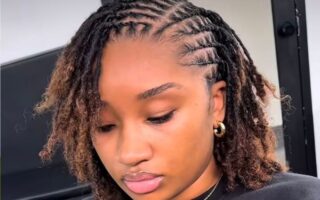
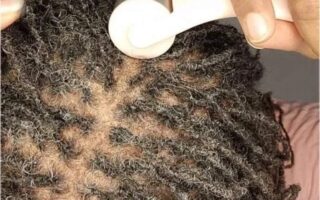
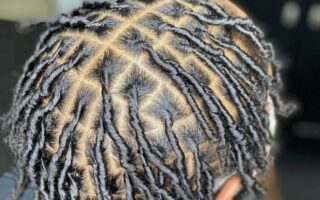
Sisterlocks vs. Traditional Locs: Which One Is Right for You?
Choosing between Sisterlocks and traditional locs can be exciting, especially if you are ready to begin your loc journey but are unsure which style will suit you best. Both options offer beautiful ways to wear natural hair, embrace your texture, and develop a hairstyle that reflects your personality. However, they differ in size, installation techniques, maintenance requirements, styling possibilities, and overall cost.
Perhaps you love the delicate appearance of Sisterlocks but also appreciate the bold, classic look of traditional locs. Maybe you want a low-maintenance hairstyle, or you are looking for a loc style that gives you plenty of room to experiment with different looks. Whatever your preference, understanding the differences between these two options can help you make a confident decision.
Sisterlocks are known for their small, uniform locs and specialized installation and maintenance system. Traditional locs, on the other hand, come in a wide range of sizes and can be created using different methods, including two-strand twists, comb coils, braids, and other techniques.
Neither style is automatically better than the other. The right choice depends on your hair, budget, lifestyle, preferred appearance, and willingness to maintain your locs over time.
In this guide, we will explore Sisterlocks vs. traditional locs in detail, including their similarities, differences, advantages, disadvantages, and maintenance needs. By the end, you should have a clearer idea of which loc style may be right for you.
If you’re new to Sisterlocks, check out my guide on How to start sisterlocks on short Hair: A Beginner’s Guide to learn the basics and get started on your loc journey.
What Are Sisterlocks?
Sisterlocks are a specialized form of small, uniform locs created using a specific interlocking technique. They were developed by Dr. JoAnne Cornwell to provide a way for women with textured hair to wear small locs while enjoying versatility in styling.
Unlike traditional locs, which can vary significantly in size and installation method, Sisterlocks follow a defined system involving consultation, grid patterning, installation, and ongoing maintenance.
The installation typically involves parting the hair into a carefully designed grid and using a specialized tool and technique to create the individual locs.
Because the locs are small, a full installation can take many hours and may require more than one session, depending on hair length, density, texture, and the number of locs being installed.
Sisterlocks are often chosen by people who want a delicate, uniform appearance and the ability to create styles that may be difficult with larger locs.
However, their small size also means that professional maintenance can be detailed and time-consuming.
What Do Sisterlocks Look Like?
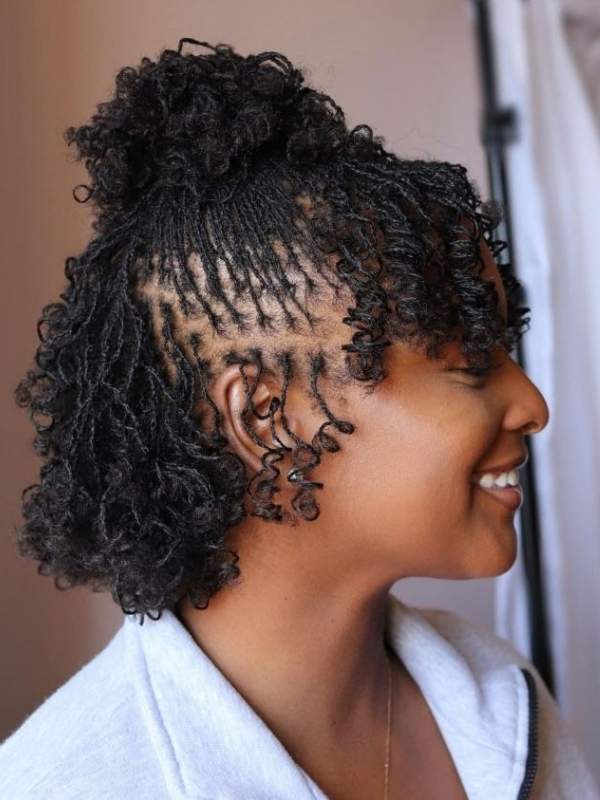
Sisterlocks are generally small, narrow, and relatively uniform in size. Their appearance can vary depending on hair texture, installation, and how the locs mature.
When first installed, they may look like tiny, tightly patterned sections of hair. As they mature, the individual locs develop more structure and fullness.
Because there are many small locs across the scalp, the overall appearance can be similar to loose natural hair from a distance, especially when the locs are styled or have grown longer.
Sisterlocks can also be worn in many different ways, including updos, ponytails, buns, curls, and other styles that take advantage of their small size.
It is important to remember that Sisterlocks are not simply any set of small locs. The name refers to a specific system, and not every micro-loc installation qualifies as Sisterlocks.
Dealing with frizzy locs? Check out my guide on How to Fix Frizzy Locs Without Retwisting: Easy Tips That Work for simple ways to manage frizz and keep your locs looking neat without retwisting.
Who Are Sisterlocks Best For?
Sisterlocks may be a good option if you:
- Prefer small, uniform locs.
- Want a loc style that offers considerable styling flexibility.
- Are comfortable working with a trained Sisterlocks consultant or practitioner.
- Can budget for the initial installation and ongoing retightening.
- Prefer a defined installation system rather than choosing every aspect of the process yourself.
- Are willing to follow maintenance instructions to help protect your locs.
You do not need to fit every point on this list to consider Sisterlocks. These are simply factors that may help you decide whether the style fits your needs.
What Are Traditional Locs?
Traditional locs are sections of natural hair that gradually become intertwined and form established locs over time.
They can be created using different techniques, including comb coils, two-strand twists, braids, and other methods suited to the individual’s hair and desired result.
Traditional locs are not limited to one particular size or appearance. Some people prefer small locs, while others choose medium or large locs. The size and parting pattern can influence the overall look, fullness, styling options, and maintenance needs.
Traditional locs are popular because they can be customized to suit a wide range of preferences.
You may choose to start with coils for a classic look, two-strand twists for a textured appearance, or another suitable method recommended by an experienced loctician.
As the hair develops, the locs usually pass through several stages, including the starter stage, budding, maturation, and continued growth. The timing and appearance of these stages vary from person to person.
What Do Traditional Locs Look Like?
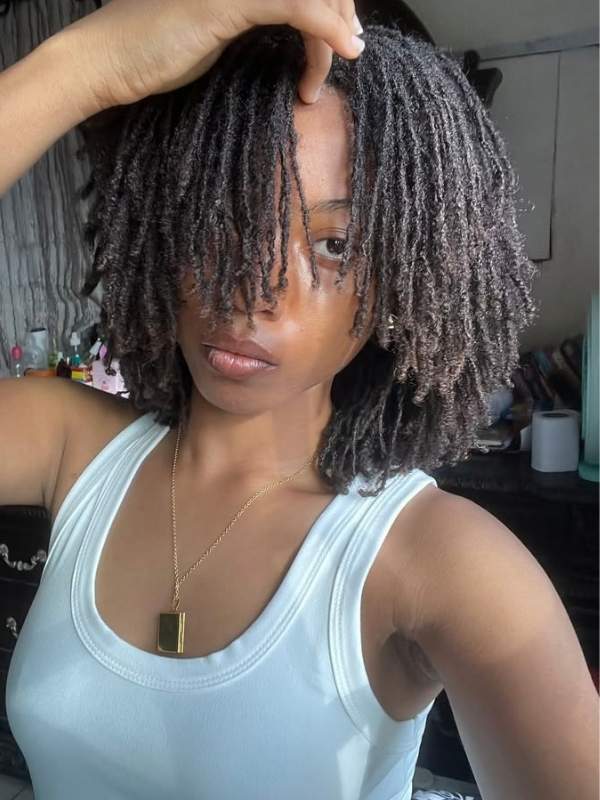
Traditional locs can look very different depending on their size, texture, installation method, and maturity.
Small traditional locs may have a relatively delicate appearance, while medium locs often create a balanced look with visible individual sections. Large locs can provide a fuller, bolder appearance.
Some traditional locs develop a rounded shape, while others retain a more textured or irregular appearance. These differences are normal and can contribute to the character of the hairstyle.
Traditional locs can be worn short, shoulder-length, or long. They can also be styled into buns, ponytails, updos, curls, and other looks, depending on their length and size.
Because the term covers many loc sizes and installation methods, there is no single appearance that defines all traditional locs.
Who Are Traditional Locs Best For?
Traditional locs may be a good option if you:
- Want more control over the size and shape of your locs.
- Prefer medium or large locs.
- Want to choose from several installation methods.
- Would like flexibility in how your locs are started and maintained.
- Want to discuss maintenance options with a loctician and develop a routine that suits your hair.
- Prefer to choose your own parting pattern and overall loc design.
- Want to explore different loc sizes without following the Sisterlocks system.
Traditional locs can be suitable for many hair textures and lifestyles. The most important consideration is choosing an appropriate installation method and maintaining your hair and scalp properly.
Sisterlocks vs. Traditional Locs: What Is the Difference?
The biggest difference between Sisterlocks and traditional locs is the system used to create and maintain them.
Sisterlocks are small, uniform locs installed using a specialized technique and grid pattern. Traditional locs can be created using several different methods and can vary widely in size.
However, there are other important differences to consider before making your decision.
1. Size and Appearance
Size is one of the first things people notice when comparing Sisterlocks and traditional locs.
Sisterlocks are typically very small and relatively uniform. Because each loc is narrow, you may have many individual locs across your scalp.
This can create a delicate, detailed appearance that allows the hair to move freely and offers flexibility when creating different hairstyles.
Traditional locs are available in a broader range of sizes. Depending on your preference, you can choose small, medium, or large locs.
If you want locs that are clearly defined and relatively thick, traditional locs may offer more options. If you prefer a smaller, more uniform appearance, Sisterlocks may be worth considering.
However, small traditional locs and micro locs can resemble Sisterlocks in appearance. The distinction is that Sisterlocks use a particular installation and maintenance system.
Which is better?
Neither is better in every situation. The right choice depends on whether you prefer small, uniform locs or want more control over the size and appearance of your hairstyle.
2. Installation Method
Sisterlocks are installed using a specialized interlocking technique. The hair is carefully sectioned into a grid, and each section is formed into an individual loc using a particular tool and method.
Because the locs are small and the pattern is detailed, installation can take many hours.
Traditional locs can be started using several methods, including:
- Comb coils.
- Two-strand twists.
- Braids.
- Other suitable methods selected according to the hair and desired style.
The installation process depends on the method chosen, the size of the locs, hair length, and hair density.
For example, medium traditional locs started with two-strand twists may have a different appearance from traditional locs started with comb coils.
This flexibility allows you to work with your loctician to choose a method that suits your hair and preferred result.
Which is better?
If you prefer a specific system with a defined installation process, Sisterlocks may appeal to you.
If you want more freedom to choose your installation method and loc size, traditional locs may be a better fit.
3. Installation Time
Starting a loc journey requires patience, and the installation time can vary considerably between individuals.
Sisterlocks often require a lengthy installation because the practitioner must create many small locs and maintain a consistent grid pattern.
The time needed depends on hair length, density, texture, and the number of locs being installed. Some installations may require multiple sessions.
Traditional loc installation can also take several hours, especially when the hair is long or the locs are small.
However, larger traditional locs may require fewer individual sections than Sisterlocks, which can make installation less time-consuming in some cases.
It is important not to assume that every traditional loc installation is quick. Small traditional locs and micro locs can also require considerable time.
Which is better?
If installation time is a major concern, discuss the estimated duration with your practitioner before committing to either style.
Ask how many sessions you should expect and whether the appointment includes washing, drying, sectioning, and installation.
4. Initial Cost
The cost of starting your loc journey is another important factor.
Sisterlocks often have a higher initial installation cost because the process involves detailed sectioning, specialized training, and many small locs.
The total price can depend on the practitioner’s experience, location, hair length, hair density, and installation time.
Traditional loc installation may be less expensive in some situations, particularly when the locs are medium or large. However, the price varies considerably depending on the loctician and the chosen method.
Small traditional locs or micro locs may require substantial time and skill, so they are not automatically inexpensive.
When comparing prices, ask what is included in the quoted amount. Some practitioners may charge separately for consultations, washing, installation, or follow-up maintenance.
Which is better?
If you have a limited budget, traditional locs may offer more options for finding a suitable installation price.
However, compare the full cost of both options rather than choosing solely on the initial fee.
5. Maintenance Requirements
Both Sisterlocks and traditional locs require ongoing maintenance, but the techniques and schedules can differ.
Sisterlocks typically require retightening at the roots by a trained consultant or practitioner. The timing depends on hair growth, scalp condition, the locking pattern, and the practitioner’s recommendations.
Because the locs are small, retightening can involve many individual sections and require considerable attention to detail.
Traditional locs may be maintained through palm-rolling, interlocking, or other methods appropriate for the loc type.
Some people maintain their own traditional locs, while others prefer regular appointments with a loctician.
However, not every maintenance technique is suitable for every loc. The correct approach depends on how your locs were started, their structure, and your desired result.
Which is better?
Traditional locs may offer more flexibility in how maintenance is performed.
Sisterlocks may be a good fit if you are comfortable following their specific maintenance system and budgeting for professional retightening.
Neither style is maintenance-free.
6. Maintenance Cost
The initial installation is only one part of the financial commitment. You should also consider how much it will cost to maintain your locs over time.
Sisterlocks may require regular professional retightening appointments. Because the locs are small and numerous, these appointments can take several hours.
The cost depends on the practitioner’s rates, the number of locs, your hair growth, and the length of time since your previous appointment.
Traditional loc maintenance costs also vary. Some people pay for regular retwists, while others use interlocking or another technique.
Larger locs may require less time to maintain in some circumstances, but this is not guaranteed. Hair density, growth, maintenance method, and the condition of the locs all affect appointment length.
If you plan to maintain your own traditional locs, you may reduce salon expenses, but you still need to learn the appropriate technique and invest time in caring for your hair.
Which is better?
Consider your long-term budget, not just the cost of installation.
Before choosing, ask a practitioner how often maintenance is recommended, how much each appointment costs, and whether additional services are likely to be needed.
7. Styling Versatility
Both Sisterlocks and traditional locs offer a wide range of styling possibilities.
However, the size and structure of your locs can influence which styles are easiest to achieve.
Sisterlocks are small, which can make it easier to create intricate styles, curls, detailed updos, and looks that resemble some styles traditionally worn with loose natural hair.
Their smaller size also means there are many individual locs to work with when creating a detailed hairstyle.
Traditional locs can also be styled in many ways. Depending on their length and size, you can wear them in buns, ponytails, half-up styles, braids, curls, and other updos.
Large locs may create a fuller, more sculptural look, while medium locs can offer a balance between fullness and styling flexibility.
Some styles may be more practical with certain loc sizes than others.
For example, very small locs may be easier to arrange into detailed patterns, while larger locs can create striking shapes and bold updos.
Which is better?
If you enjoy detailed hairstyles and want small, uniform locs, Sisterlocks may appeal to you.
If you prefer fuller locs or want more control over the size and shape of each section, traditional locs may be more suitable.
Your preferred hairstyle matters more than simply choosing the option with the most styling possibilities.
8. Weight and Comfort
The size of your locs can influence how your hair feels, although the overall weight also depends on hair length, density, and the number of locs.
Sisterlocks are generally small, which may allow the hair to distribute across the scalp in many individual sections.
Traditional locs vary considerably. Larger locs may feel heavier as they grow longer, especially when the hair is dense or the locs become thick.
However, small traditional locs can also be lightweight, and long Sisterlocks can still create considerable overall hair weight.
The installation method and maintenance routine matter as well. Excessive tension at the roots can cause discomfort regardless of loc size.
If your scalp feels sore after installation or maintenance, do not assume that pain is necessary. Speak with your practitioner about the tension and seek medical advice if discomfort persists or you notice signs of scalp injury.
Which is better?
Neither style guarantees greater comfort for everyone. Consider your hair density, preferred loc size, desired length, and sensitivity to tension.
9. Time Required for Everyday Care
Sisterlocks may look delicate, but they still need proper care.
You will need to maintain scalp hygiene, wash your hair appropriately, allow your locs to dry thoroughly, and follow your consultant’s guidance.
Because Sisterlocks are small, some styling tasks may involve working with many individual locs.
Traditional locs also require cleansing, drying, scalp care, and attention to buildup.
Larger locs may be easier to separate into sections for certain styling tasks, but thick locs can take longer to dry.
The amount of time you spend caring for either style depends on your hair, routine, and lifestyle.
Which is better?
Rather than assuming one style is always easier, consider which routine you are most comfortable maintaining.
Ask your practitioner what everyday care will involve before making a decision.
10. Loc Maturity and Appearance Over Time
Both Sisterlocks and traditional locs change as they mature.
Starter locs often look different from mature locs because the hair is still developing its structure.
Depending on the installation method and hair texture, early locs may appear fuzzy, loose, uneven, or slightly swollen as the hair begins to lock.
Sisterlocks may also change in fullness and texture as they mature.
Traditional locs can develop a thicker, more compact appearance over time, although the final result depends on the loc size, hair texture, and installation method.
There is no single timeline for maturity. Some locs develop more quickly than others, and different parts of the same head may mature at different rates.
Which is better?
Neither style is inherently better at maturing. The important consideration is whether you like the appearance of the locs as they develop and are willing to follow the appropriate maintenance routine.
Sisterlocks vs. Traditional Locs: Comparison Table
The following table summarizes the main differences to help you compare both options.
| Feature | Sisterlocks | Traditional Locs |
|---|---|---|
| Typical size | Very small and relatively uniform | Small, medium, or large |
| Installation | Specialized interlocking system | Coils, twists, braids, and other methods |
| Parting pattern | Uses a defined grid pattern | Can be customized |
| Initial cost | Often higher | Varies widely; may be lower in some cases |
| Installation time | Often lengthy due to the number of small locs | Depends on loc size, method, and hair length |
| Maintenance | Typically requires regular retightening | May use retwisting, interlocking, or other suitable methods |
| Styling options | Well suited to detailed styling and small-loc looks | Wide range of styles depending on loc size |
| Weight | Depends on length and hair density | Depends on length, size, and hair density |
| Professional support | A trained Sisterlocks practitioner is generally recommended | A loctician may be helpful, depending on the method |
| Customization | Follows a specific system, with individual variations | Broad flexibility in size, installation, and appearance |
| Best suited to | People who prefer small, uniform locs and the Sisterlocks system | People who want flexibility in loc size and installation method |
Remember that these are general comparisons. Individual results and experiences can differ considerably.
Advantages of Sisterlocks
Sisterlocks offer several benefits that make them appealing to people who want small, detailed locs.
1. Small, Uniform Appearance
One of the most recognizable features of Sisterlocks is their small, relatively uniform size.
If you prefer a delicate appearance rather than thick, prominent locs, this may be an important advantage.
2. Styling Flexibility
Their small size can make Sisterlocks suitable for a variety of styles, including curls, updos, ponytails, and detailed arrangements.
The amount of versatility you experience will depend on your hair length, density, and the condition of your locs.
3. A Defined Installation System
Sisterlocks follow a specific installation and maintenance system.
For people who prefer a structured approach, this may make it easier to understand what to expect from the process and how the locs should be maintained.
4. A Distinctive Natural-Hair Look
Sisterlocks allow people to wear their natural hair in small, individual locs.
Depending on their length and styling, they may offer a look that is different from larger traditional locs while still allowing the hair to develop naturally.
5. Potential for Long-Term Styling Variety
As Sisterlocks grow longer, they can be arranged into different hairstyles.
People who enjoy experimenting with their hair may appreciate the flexibility that smaller locs can offer.
Disadvantages of Sisterlocks
Although Sisterlocks have many advantages, they also come with considerations that are worth understanding before installation.
1. Higher Initial Investment
The installation can be expensive because it requires specialized training, detailed sectioning, and considerable time.
The exact cost depends on the practitioner and the individual’s hair.
2. Time-Consuming Installation
A full installation may take many hours or require multiple sessions.
If you have very long or dense hair, the process may take longer.
3. Ongoing Retightening Costs
Sisterlocks generally require regular retightening, which can add up over time.
You should understand the recommended maintenance schedule and associated costs before committing.
4. Specialized Maintenance
The Sisterlocks system involves specific techniques, and improper manipulation can affect the structure of the locs.
Working with a trained practitioner can help you understand how to maintain them appropriately.
5. Small Locs Require Careful Handling
Small locs can be delicate, particularly during early development or if the hair becomes weak.
Excessive tension, rough handling, or unsuitable maintenance techniques may contribute to thinning or breakage.
Advantages of Traditional Locs
Traditional locs are popular for several reasons, particularly among people who want greater flexibility in the size and appearance of their hair.
1. More Choice in Loc Size
You can choose small, medium, or large locs depending on your preferred appearance.
This flexibility makes traditional locs suitable for a wide range of styles.
2. Different Installation Methods
Traditional locs can be started with comb coils, two-strand twists, braids, and other appropriate methods.
This allows you to discuss different options with your loctician and select an approach that suits your hair.
3. Flexible Maintenance Options
Depending on how your locs are installed, you may be able to choose from suitable maintenance methods, including palm-rolling or interlocking.
Some people also learn to maintain their own locs, although professional guidance can be helpful.
4. Different Visual Styles
Traditional locs can create many different appearances.
Small locs can look delicate, medium locs can provide a balanced style, and large locs can create a bold, distinctive look.
5. Options for Different Budgets
Because traditional locs vary in size and installation method, you may have more options for finding a starting method and maintenance routine that fit your budget.
However, the cost still depends on the practitioner, time required, and services provided.
Disadvantages of Traditional Locs
Traditional locs are versatile, but there are a few potential disadvantages to consider.
1. The Final Size Depends on Your Starting Method
The method used to start your locs can influence their appearance as they develop.
If you want a particular size, discuss your expectations with your loctician before installation.
Changing the size of established locs later can be difficult or may require significant work.
2. Some Styles May Require More Time to Dry
Thick or long locs can retain moisture and may take considerable time to dry after washing.
It is important to allow them to dry thoroughly to help prevent persistent dampness and unpleasant odors.
3. Maintenance Still Requires Commitment
Traditional locs are not maintenance-free.
You still need to cleanse your scalp, manage buildup, protect your hair, and follow an appropriate maintenance routine.
4. Tight Retwisting Can Cause Problems
Repeated tight retwisting may place excessive tension on the roots.
Over time, this can contribute to thinning or breakage, particularly around the hairline.
Maintenance should keep your locs manageable without causing pain or pulling excessively on your scalp.
5. Loc Size May Affect Styling Preferences
Larger locs can create a bold appearance, but certain intricate styles may be more difficult to achieve.
The opposite may also be true: very small locs can require more individual handling during some styling routines.
Choosing the right size for your preferred hairstyles is important.
Which Is More Affordable: Sisterlocks or Traditional Locs?
For many people, cost is one of the biggest factors when deciding between Sisterlocks and traditional locs.
In general, Sisterlocks often require a larger initial investment because installation involves a specialized technique and many small locs.
Traditional locs may cost less to start in some circumstances, particularly when you choose medium or large locs and a suitable installation method.
However, there is no universal price difference. Small traditional locs and micro locs may also require many hours of installation.
The long-term cost matters just as much as the initial fee.
When comparing options, consider:
- Initial consultation fees.
- Installation charges.
- Washing and preparation costs.
- The frequency of maintenance appointments.
- The cost of retightening or retwisting.
- Hair-care products and tools.
- Transportation and time away from other activities.
Ask practitioners for a breakdown of the costs before booking.
You should also consider how often you will need professional appointments and whether your preferred style can be maintained comfortably within your budget.
My advice: Do not choose Sisterlocks or traditional locs based on the initial price alone. Consider the total cost over the first year and beyond.
A style that fits your budget long-term is generally a more practical choice than one you may struggle to maintain.
Which Is Easier to Maintain?
The answer depends on your hair, lifestyle, preferred maintenance method, and willingness to handle your own hair.
Traditional locs may offer more flexibility because you can choose from different sizes and maintenance methods.
For example, someone with medium traditional locs may find that their preferred maintenance routine fits comfortably into their schedule.
However, traditional locs still require regular care, and maintaining them yourself takes time and knowledge.
Sisterlocks have a specific maintenance system that typically involves regular retightening. Because the locs are small, this process can be detailed and time-consuming.
Some people appreciate having a defined system and working with a trained practitioner. Others may prefer the flexibility of traditional locs.
It is also important to distinguish everyday care from maintenance appointments.
Both styles need appropriate washing, thorough drying, scalp care, and protection from unnecessary tension.
Neither style should be considered completely maintenance-free.
If you have a busy schedule: Ask practitioners how much time you should expect to spend on both everyday care and maintenance appointments. Their answers will help you make a more realistic decision.
Which Is Better for Natural Hair?
Both Sisterlocks and traditional locs can be suitable for natural hair.
Neither style is automatically healthier simply because of its size or installation method.
Hair health depends on several factors, including installation technique, scalp condition, tension, cleansing, drying, and ongoing maintenance.
Sisterlocks may appeal to people who want small locs created through a specialized system.
Traditional locs may suit people who prefer more flexibility in size and installation method.
The most important factor is choosing a method that works with your hair and maintaining it correctly.
Avoid excessive tension at the roots, and pay attention to changes in your scalp or hair.
If you notice persistent soreness, thinning, breakage, or irritation, speak with an experienced loctician and seek medical advice when appropriate.
A beautiful loc style should not come at the expense of scalp comfort or hair health.
Can You Start Sisterlocks and Later Change to Traditional Locs?
Changing from Sisterlocks to traditional locs is possible in some circumstances, but it is not always straightforward.
The process depends on the condition of your existing locs, their size, length, and how you want the final style to look.
Some people may choose to combine small locs into larger sections, while others may decide to remove their locs and start again.
Combining established locs can change their shape and texture. It may also create uneven sections or require considerable work to achieve the desired result.
Removing locs can be time-consuming, particularly if the hair is long or the locs are well established.
Before making a change, consult an experienced loctician who can examine your hair and explain the realistic options.
It is better to understand the implications before beginning the process than to assume that changing between loc systems will be simple.
Can You Turn Traditional Locs Into Sisterlocks?
Traditional locs cannot simply be transformed into Sisterlocks through an ordinary retwist or maintenance appointment.
Sisterlocks are created using a specific system and are generally installed on hair that has been appropriately prepared for that process.
If you already have traditional locs, your options will depend on their size, length, and condition.
In some cases, you may decide to remove your existing locs and begin a new installation. In other situations, a practitioner may discuss alternative options, although the result would not automatically qualify as Sisterlocks.
If you are interested in making the change, speak with a trained Sisterlocks consultant before deciding what to do with your existing hair.
They can assess whether your goals are realistic and explain the time, cost, and potential risks involved.
Do Sisterlocks Grow Faster Than Traditional Locs?
Sisterlocks do not inherently make your hair grow faster than traditional locs.
Hair growth primarily depends on factors such as genetics, health, age, and individual hair-growth patterns.
Both Sisterlocks and traditional locs allow natural hair to grow.
However, the way growth appears may differ because the locs have different sizes and structures.
With Sisterlocks, new growth may be visible around many small individual locs. With traditional locs, new growth may be more noticeable around larger sections.
Your hair may also appear longer as your locs mature and their structure changes.
Healthy hair-care practices can help you retain length, but neither loc system guarantees faster growth.
To support your hair, maintain a healthy scalp, avoid excessive tension, cleanse appropriately, and handle your locs gently.
Are Sisterlocks More Fragile Than Traditional Locs?
Sisterlocks are smaller than many traditional locs, but that does not automatically mean they are fragile.
Their strength depends on the condition of the hair, installation technique, maintenance, and the amount of tension placed on the roots.
Because Sisterlocks are small, improper handling or unsuitable maintenance may affect individual locs.
Traditional locs can also experience thinning, breakage, or structural problems if they are installed or maintained poorly.
For example, repeatedly retwisting traditional locs too tightly can weaken the roots. Similarly, improper retightening of small locs can cause damage.
The goal is to choose an appropriate installation method and follow the maintenance instructions for your particular loc type.
If individual locs begin thinning, breaking, or feeling unusually weak, seek professional advice rather than trying to tighten them more aggressively.
Which Loc Style Offers More Styling Options?
Both styles offer many styling possibilities, but their differences in size can influence the results.
Sisterlocks are small and uniform, which can make them suitable for intricate hairstyles, curls, and detailed updos.
Traditional locs offer a wider choice of sizes, allowing you to choose between smaller, more delicate locs and larger, bolder styles.
Medium locs can offer a balance between fullness and versatility.
Large locs may be particularly appealing if you prefer a strong, distinctive look.
Your hair length also matters. Short locs may not support every updo, regardless of the loc system, while longer locs usually provide more styling options.
If styling versatility is important to you, collect pictures of hairstyles you would like to wear and discuss them with your practitioner before installation.
This can help you choose a loc size and installation method that align with your expectations.
What Should You Consider Before Starting Sisterlocks or Traditional Locs?
Before choosing either style, take some time to think about your goals and everyday routine.
1. Your Preferred Appearance
Do you prefer small, uniform locs or a fuller, more noticeable look?
Sisterlocks may suit you if you prefer a very small, structured appearance.
Traditional locs may be a better option if you want to choose from a wider range of sizes.
2. Your Budget
Consider both installation and ongoing maintenance.
Ask for estimates from qualified practitioners and make sure you understand what is included.
3. Your Available Time
Both styles require an initial installation and regular care.
Sisterlocks may require long installation and retightening sessions. Traditional locs can also require considerable time, depending on their size and maintenance method.
4. Your Hair and Scalp Condition
Think about your current hair condition, scalp sensitivity, and any history of thinning or breakage.
Discuss these concerns with your practitioner before installation.
If you have unexplained hair loss or persistent scalp symptoms, seek appropriate medical advice before proceeding.
5. Your Styling Preferences
Consider the hairstyles you enjoy wearing.
Do you prefer curls, detailed updos, and small locs? Or do you prefer fuller locs and bold styles?
Choosing a loc system that supports your preferred look can help you feel more satisfied over time.
6. Your Maintenance Preferences
Some people enjoy regular salon visits, while others prefer a routine with more flexibility.
Think about whether you are comfortable with the maintenance system associated with your preferred style.
7. Your Long-Term Commitment
Locs can be a long-term hairstyle, and changing them later may require substantial time and effort.
Make your decision based on what you want for your hair rather than choosing a style simply because it is popular.
How to Choose the Right Loctician or Sisterlocks Consultant
The person who installs and maintains your locs can influence your experience significantly.
Before booking an appointment, take time to research the practitioner and ask questions.
Review Their Work
Look at examples of their previous installations, particularly on hair with a texture and length similar to yours.
Pay attention to the consistency of the parting, the appearance of the locs, and the condition of the roots in their work.
Ask About Their Experience
If you want Sisterlocks, look for a practitioner trained in the Sisterlocks system.
If you want traditional locs, choose a loctician who understands your preferred installation method and can explain the maintenance required.
Discuss Your Expectations
Explain the loc size, appearance, and hairstyles you prefer.
Ask what results are realistic for your hair and whether the chosen method is appropriate for your goals.
Request a Cost Breakdown
Find out how much the installation will cost and whether consultations, washing, or other services are included.
Ask about the expected cost and frequency of future maintenance appointments.
Understand the Aftercare
Before starting, make sure you understand how to wash, dry, and care for your locs.
Ask what to do if you notice unraveling, thinning, or other concerns.
A good practitioner should be willing to explain the process and help you understand what your loc journey will involve.
Frequently Asked Questions About Sisterlocks vs. Traditional Locs
1. Are Sisterlocks Better Than Traditional Locs?
Neither is universally better.
Sisterlocks may suit people who prefer small, uniform locs and a specialized maintenance system.
Traditional locs may be better for people who want more flexibility in loc size, installation method, and maintenance options.
Your hair, budget, preferred appearance, and lifestyle should guide your decision.
2. Are Sisterlocks More Expensive Than Traditional Locs?
Sisterlocks often have a higher initial installation cost because the process involves specialized training and detailed work.
However, traditional locs can also be expensive, particularly when they are small or require lengthy installation.
Compare the initial cost and long-term maintenance expenses before choosing.
3. Can Sisterlocks Be Retwisted Like Traditional Locs?
Sisterlocks are generally maintained through a specialized retightening technique rather than ordinary traditional-loc retwisting.
Using the wrong maintenance method can affect their structure.
Follow the guidance of a trained Sisterlocks practitioner.
4. How Long Do Sisterlocks Take to Install?
Installation time varies depending on hair length, density, texture, and the number of locs.
Because Sisterlocks are small, the process can take many hours and may require multiple sessions.
Ask your consultant for an estimate based on your hair before booking.
5. Are Traditional Locs Easier to Maintain?
Traditional locs may offer more flexibility in maintenance methods, but they still require regular care.
The time involved depends on loc size, hair length, maintenance technique, and your preferred routine.
Neither style is completely maintenance-free.
6. Can I Start Sisterlocks With Short Hair?
Sisterlocks may be possible with shorter hair, but suitability depends on the hair’s length, texture, condition, and the installation requirements.
Consult a trained practitioner to determine whether your hair is ready for installation.
7. Can I Start Traditional Locs With Short Hair?
Traditional locs can often be started with relatively short hair, but the appropriate method depends on hair length, texture, and the desired loc size.
A loctician can help you choose a suitable installation method.
8. Do Sisterlocks Require Special Products?
Sisterlocks do not necessarily require an extensive collection of products.
The best products depend on your scalp, hair, and the maintenance guidance provided by your consultant.
Avoid heavy products that may cause buildup, and follow the recommendations appropriate for your locs.
9. Can Traditional Locs Be Small Like Sisterlocks?
Yes. Traditional locs can be small, and some micro-loc styles may look similar to Sisterlocks.
However, Sisterlocks refer to a particular system, not simply a size of loc.
If you want the Sisterlocks system specifically, consult a trained practitioner.
10. Which Loc Style Is Better for Beginners?
Both can be suitable for beginners.
Traditional locs may appeal to people who want flexibility in their installation method and loc size.
Sisterlocks may suit people who prefer small, uniform locs and are comfortable with the specialized maintenance system.
Choose based on your preferences, budget, and ability to maintain the style.
11. Can I Maintain My Own Sisterlocks?
Some people learn to maintain their own locs, but Sisterlocks involve a specialized retightening technique.
Before attempting self-maintenance, discuss your options with your consultant and make sure you understand the appropriate method.
Incorrect technique may affect the structure of the locs.
12. Will My Sisterlocks or Traditional Locs Get Thicker Over Time?
Both styles can change in thickness and texture as they mature.
The amount of change depends on hair texture, installation method, loc size, and individual hair characteristics.
The final appearance may differ from how the locs looked when they were first installed.
13. Can I Wear Sisterlocks or Traditional Locs in Professional Settings?
Both styles can be worn in professional settings.
You can choose simple, polished hairstyles such as a bun, ponytail, half-up style, or neatly arranged locs.
Your preferred appearance and workplace requirements may influence how you style your hair, but neither loc system is inherently less professional than the other.
14. Which Loc Style Lasts Longer?
Both Sisterlocks and traditional locs can be maintained for many years.
Their longevity depends on proper installation, regular maintenance, scalp health, and how the hair is handled.
Neither style has a fixed lifespan. With appropriate care, either can become a long-term hairstyle.
Having Read About Sisterlocks vs. Traditional Locs: Which Is Right for You?
Choosing between Sisterlocks and traditional locs is a personal decision, and there is no single answer that works for everyone.
Sisterlocks may be the right choice if you love small, uniform locs, appreciate a specialized installation system, and are comfortable with regular professional retightening.
Traditional locs may be more suitable if you want greater flexibility in loc size, installation methods, and maintenance options.
Both styles can be beautiful, versatile, and suitable for natural hair when installed and maintained appropriately.
Before making your decision, think about the appearance you want, your budget, your available time, and the hairstyles you enjoy wearing. Speak with an experienced practitioner who can assess your hair and explain which options are suitable for you.
Most importantly, do not choose a loc style simply because it is trending or because someone else looks good wearing it. Choose the option that fits your preferences, lifestyle, and long-term hair-care goals.
Your loc journey should be something you feel comfortable and confident about. Whether you choose Sisterlocks or traditional locs, give your hair time to develop, follow a suitable maintenance routine, and enjoy the process of creating a style that feels like you.