Starter Locs Do’s and Don’ts: 10 Mistakes to Avoid for Healthy Loc Growth
Starting your loc journey is an exciting experience. Whether you have chosen locs because you love their natural beauty, want a simpler hair routine, or wish to embrace your natural texture, there is something special about watching your hair gradually transform into something uniquely yours.
However, the beginning of your loc journey can also be confusing. You may have questions about washing, moisturizing, retwisting, sleeping, and what to do when your locs appear frizzy or uneven. You might even wonder whether your hair is growing properly or whether you are making mistakes that could affect your results.
If these questions sound familiar, you are not alone. Almost everyone who begins their loc journey has to learn what works best for their hair.
Understanding the starter locs do’s and don’ts can help you avoid unnecessary damage, develop healthy hair habits, and feel more confident as your locs mature. The early stages require patience because your hair is still developing its structure. What you do during this period can influence how comfortably your locs mature and how easy they are to maintain.
The good news is that caring for starter locs does not have to be complicated. You do not need dozens of expensive products or a complicated daily routine. You need consistent care, gentle handling, suitable maintenance, and realistic expectations.
In this guide, we will discuss ten common mistakes beginners should avoid, explain the essential starter locs do’s and don’ts, and answer frequently asked questions about healthy loc growth.
Whether you have just installed your locs or are considering starting your journey, these tips will help you understand your hair better and make informed decisions along the way.
If you’re new to locs and want to keep your hair looking healthy, clean, and well-maintained, learning the basics of proper care is essential. Read Locs Care for Beginners: How to Keep Your Locs Clean, Healthy and Moisturized for practical tips on washing your locs, maintaining moisture, and building a simple routine that supports healthy loc growth.
1. Washing Your Starter Locs Incorrectly
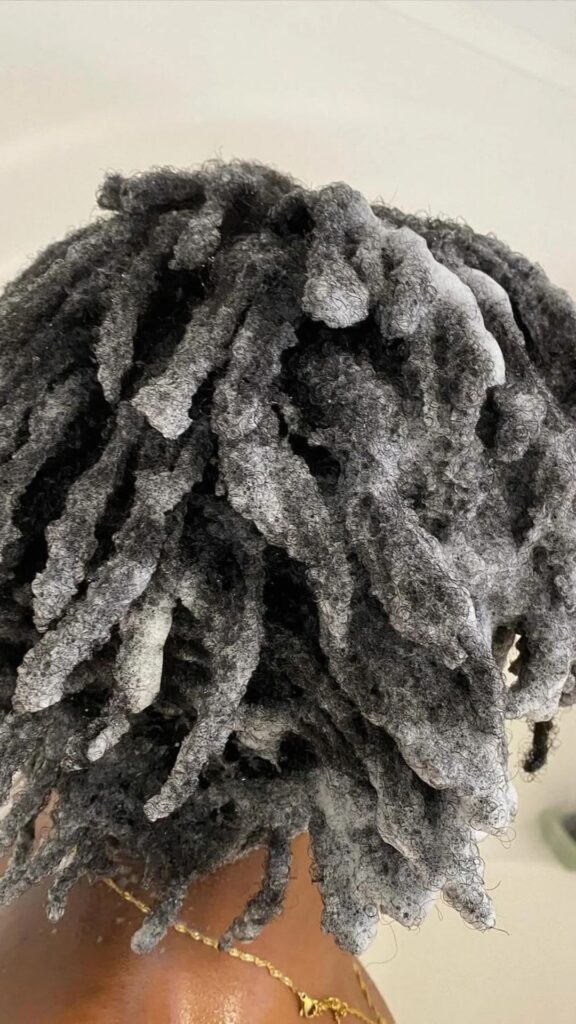
One of the biggest concerns beginners have is washing their starter locs. Some people believe they should avoid washing their hair for months because water will immediately unravel their locs. Others wash aggressively without considering how new their locs are.
Both approaches can cause problems.
Your scalp still needs regular cleansing, even when you have starter locs. Sweat, dead skin cells, environmental dirt, and product residue can accumulate if you avoid washing for too long. A dirty scalp can become uncomfortable, itchy, or irritated.
However, newly formed locs may be more vulnerable to unraveling, especially if they were installed using methods that are not yet secure. Washing them carelessly can disturb their structure.
One of the most important starter locs do’s and don’ts is learning how to cleanse your hair without unnecessary manipulation.
What you should do:
Follow the washing schedule and technique recommended by your loctician, particularly during the first few weeks. Depending on your installation method, you may need to use a stocking cap or another recommended technique to help reduce unraveling during washing.
Use a suitable shampoo and concentrate on gently cleansing your scalp. Rinse thoroughly and allow your hair to dry completely.
What you should avoid:
Do not scrub your starter locs aggressively, twist them repeatedly while washing, or leave your scalp unclean simply because you are afraid of water.
Avoid assuming that every starter loc method requires the same washing schedule. Comb coils, two-strand twists, interlocked locs, and other methods can respond differently to water and manipulation.
The best approach is to maintain scalp cleanliness while protecting the developing structure of your locs.
2. Retwisting Your Locs Too Frequently
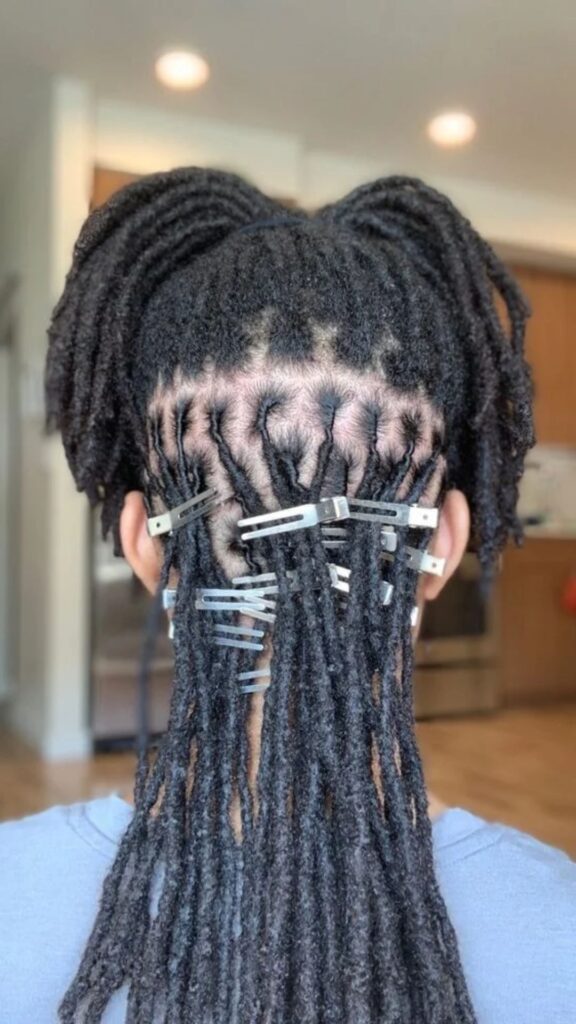
When you first get starter locs, you may want them to look neat and perfectly defined all the time. It can be tempting to retwist every time you notice frizz or new growth around your roots.
However, frequent retwisting is not necessarily good for your hair.
Your hair naturally grows from the scalp, and new growth is a normal part of the loc journey. Some frizz is also expected, particularly during the early stages.
Repeatedly retwisting your locs can place unnecessary tension on the roots. Over time, excessive tension may contribute to thinning, breakage, or hair loss around vulnerable areas.
The starter locs do’s and don’ts include understanding that healthy locs do not need to look freshly maintained every day.
What you should do:
Follow a maintenance schedule appropriate for your loc method, hair texture, and growth pattern. If you have a loctician, ask how frequently your roots should be maintained.
Learn to appreciate the natural changes that occur between appointments. Your locs are developing, and they do not need to look identical to the photographs you see online.
What you should avoid:
Do not retwist every week simply because you dislike frizz. Avoid pulling the roots tightly or using excessive force to create a perfectly smooth appearance.
If your scalp feels sore after maintenance, let your loctician know. Persistent tenderness is not something you should ignore.
Remember that neatness and hair health are not same thing. A slightly fuzzy hairstyle can still be healthy, and giving your roots enough time between maintenance sessions can help reduce unnecessary tension.
3. Using Too Many Hair Products

It is easy to believe that healthy locs require an extensive collection of oils, creams, leave-in conditioners, gels, waxes, and styling products.
Social media often makes hair care appear more complicated than it needs to be. You may see someone using several products and feel tempted to copy their entire routine.
However, starter locs generally benefit from a simple, appropriate hair-care routine rather than excessive product application.
Heavy creams, waxes, thick butters, and sticky styling products can accumulate inside locs. Because locs are formed by intertwined hair, removing buildup completely may become difficult.
Product residue can also make your hair feel heavy, dull, or unpleasant.
A useful part of the starter locs do’s and don’ts is understanding that more product does not automatically mean healthier hair.
What you should do:
Choose products that suit your scalp, hair texture, and loc method. Use a suitable shampoo for cleansing and follow your loctician’s recommendations regarding moisturizing products.
If your scalp is comfortable and your hair is not showing signs of dryness, you may not need to introduce additional products.
What you should avoid:
Avoid applying thick oils and creams simply because you think your hair needs them. Do not combine numerous products without understanding how they interact.
Be particularly cautious with waxes and products that leave heavy residue.
If you notice persistent buildup, itching, or an unpleasant smell, examine your cleansing routine and seek professional advice if necessary.
Your goal should be clean, comfortable locs rather than hair coated with multiple products.
4. Expecting Your Starter Locs to Mature Overnight
Patience is one of the most important qualities you need when beginning your loc journey.
Many beginners expect their hair to look like mature locs within a few weeks. When their hair looks frizzy, loose, or uneven, they may assume something is wrong.
In reality, loc development is a gradual process.
Depending on your hair texture, installation method, maintenance routine, and individual growth pattern, your locs may pass through several stages before becoming mature and settled.
During the early stages, your hair may swell, shrink, loosen, or develop a fuzzy appearance. These changes do not automatically indicate a problem.
The starter locs do’s and don’ts include accepting that your hair will not look the same throughout the entire journey.
What you should do:
Take photographs every few weeks or months so you can appreciate gradual changes. Focus on scalp health, gentle maintenance, and consistent care rather than expecting immediate results.
Understand that different people experience different timelines. Your locs do not need to mature at the same rate as somebody else’s.
What you should avoid:
Do not repeatedly manipulate your hair because you think it is developing too slowly. Avoid comparing your progress with people whose hair texture, loc method, or maintenance routine differs from yours.
Do not assume that frizz means failure.
Locs are not created in a single day. Give your hair time to develop naturally, and remember that patience is part of the beauty of the process.
5. Ignoring Your Scalp Health
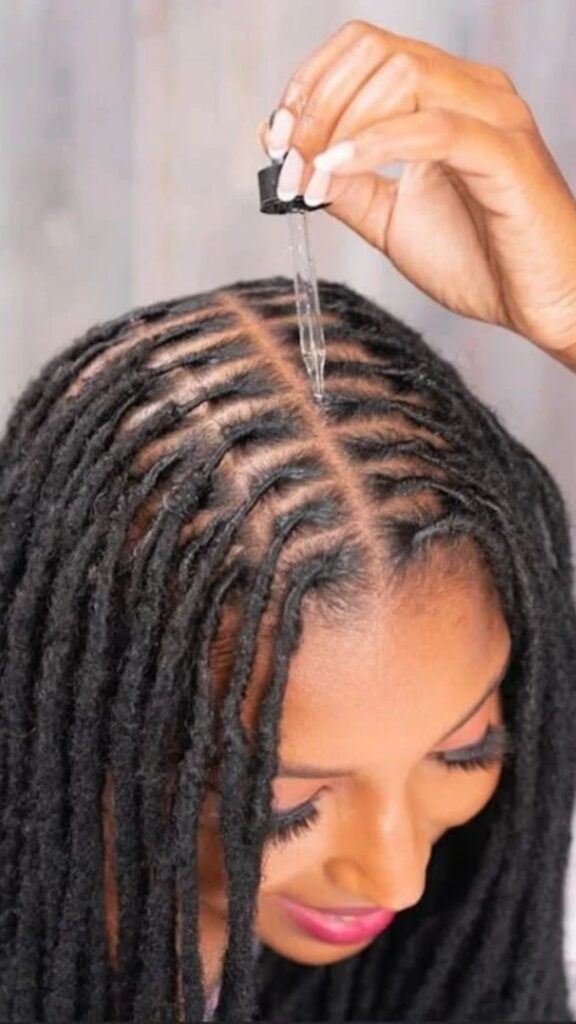
Healthy locs begin with a healthy scalp.
It is easy to become so focused on the appearance of your starter locs that you forget to pay attention to the skin underneath them.
Your scalp produces natural oils and sheds dead skin cells. It can also become affected by sweat, environmental dirt, product residue, dryness, or skin conditions.
If your scalp becomes persistently itchy, inflamed, or uncomfortable, ignoring the symptoms will not help your locs.
One essential lesson from the starter locs do’s and don’ts is that scalp care should remain a priority throughout your journey.
What you should do:
Cleanse your scalp appropriately, rinse products thoroughly, and pay attention to changes in how your skin feels.
If you experience persistent irritation, flakes, redness, sores, or unusual discomfort, consult a qualified healthcare professional. A dermatologist can help identify whether the problem involves dryness, a skin condition, irritation, or another cause.
What you should avoid:
Do not scratch aggressively or apply random products to an irritated scalp. Avoid assuming that every itchy scalp is simply a sign of dryness.
Do not cover up persistent scalp problems with oils or fragrances.
Your scalp deserves the same attention as the visible length of your hair. When you establish good scalp-care habits early, you give yourself a stronger foundation for maintaining comfortable locs.
6. Keeping Your Starter Locs Wet for Too Long
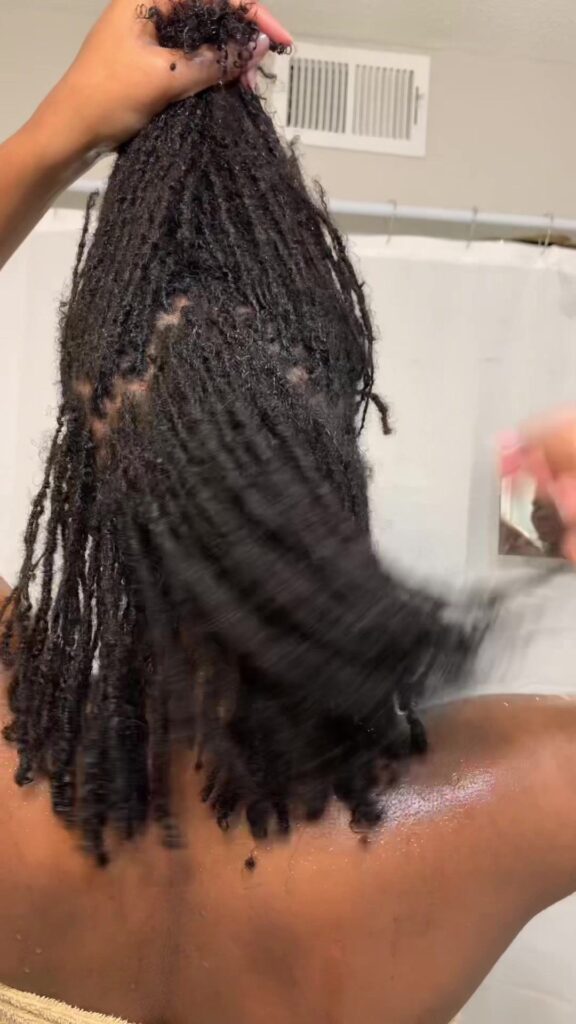
Moisture is important for hair care, but leaving your locs damp for extended periods is not a good habit.
Starter locs can take time to dry, especially when they are dense, tightly packed, or covered by a thick style. If moisture remains trapped within the hair for too long, it can contribute to unpleasant odours and other problems.
This is why drying deserves a place in your starter locs do’s and don’ts routine.
What you should do:
After washing, gently remove excess water using a clean towel. Avoid rubbing your hair aggressively.
Allow your locs to dry thoroughly in a well-ventilated environment. Depending on your hair density and the weather, this may take several hours.
If you use a hair dryer, choose a suitable setting and avoid excessive heat. Make sure the roots and interior sections are dry rather than judging dryness by the surface alone.
What you should avoid:
Do not regularly go to bed with soaking-wet locs. Avoid covering damp hair with materials that prevent adequate airflow for extended periods.
Do not assume your starter locs are dry simply because the outside feels dry.
If you notice a persistent musty smell despite proper washing and drying your starter locs, consult an experienced loctician or healthcare professional, depending on the symptoms.
Developing good drying habits early can make your starter loc-care routine more comfortable and help prevent avoidable problems.
7. Constantly Pulling, Separating, or Playing With Your Locs
When you first install starter locs, you may find yourself touching them throughout the day.
You might twist the ends, pull apart sections, roll the hair between your fingers, or repeatedly check whether the locs are forming correctly.
Although occasional gentle handling is understandable, constant manipulation can interfere with your starter locs’ development.
Depending on your installation method, repeatedly separating or pulling your starter locs may cause unraveling, disturb their structure, or create unnecessary tension.
The starter locs do’s and don’ts are not only about products and washing. They also involve developing gentle habits.
What you should do:
Allow your starter locs to develop without constantly checking them. If you need to separate neighbouring locs, follow the technique recommended by your loctician.
Handle your hair gently when washing, drying, or styling it.
If you are tempted to play with your locs when you feel bored or anxious, try keeping your hands occupied with another activity.
What you should avoid:
Do not repeatedly pull at loose ends or force your starter locs into a particular shape.
Avoid separating locs aggressively, especially if they are beginning to combine naturally or you are unsure how to handle them.
If you notice locs joining together in unwanted areas, ask your loctician how to address the issue safely.
Your locs need time to settle. Sometimes, the most helpful thing you can do is leave them alone.
8. Sleeping Without Protecting Your Locs
Your hair-care routine should not end when you go to bed.
During sleep, your hair may rub against pillowcases, sheets, and clothing. Repeated friction can contribute to frizz and make your locs more difficult to manage.
Although some frizz is normal and does not necessarily indicate damage, protecting your hair at night can help you maintain a more manageable routine.
This is another practical part of the starter locs do’s and don’ts.
What you should do:
Consider wearing a comfortable satin or silk bonnet, scarf, or other suitable covering at night. You may also choose a satin or silk pillowcase if that works better for you.
Ensure that your covering fits comfortably and does not pull on your hairline.
If your locs are long enough to gather, avoid tying them tightly before sleeping.
Choose a nighttime routine that protects your hair without creating unnecessary tension.
What you should avoid:
Do not use a tight covering that causes headaches or discomfort.
Avoid wrapping your locs so firmly that the roots feel strained.
Do not assume that you need to purchase expensive accessories to protect your hair. A comfortable, suitable covering that works for you is enough.
Consistency matters more than having a large collection of nighttime hair products.
9. Following Everyone Else’s Loc Routine
One of the easiest ways to become confused during your loc journey is to follow every hair-care recommendation you encounter online.
One person may recommend frequent moisturizing, while another advises avoiding most products. Someone may wash their locs weekly, while another follows a different schedule.
Both people may be sharing experiences that work for their own hair, but that does not mean their routines are suitable for everyone.
Your hair texture, scalp condition, loc method, lifestyle, and environment can influence what works best.
The starter locs do’s and don’ts should therefore be treated as general guidance rather than a rigid routine that ignores your individual needs.
What you should do:
Learn from reputable sources and consult a trained loctician who understands your installation method who will give you appropriate information on starter locs do’s and don’ts.
Observe how your hair responds to your routine. Keep track of issues such as persistent dryness, buildup, unraveling, or discomfort.
Make changes gradually rather than introducing several new products or techniques at once.
What you should avoid:
Do not copy every routine you see on social media.
Avoid assuming that a popular influencer’s hair-care method is automatically appropriate for your starter locs.
Do not continue a routine that consistently causes discomfort simply because somebody else recommends it.
Your loc journey is personal. Use reliable information on starter locs do’s and don’ts, observe your hair, and seek professional guidance when necessary.
10. Neglecting Professional Maintenance
Although some people learn to maintain their locs independently, beginners may need professional guidance, particularly during the early stages of their starter loc.
Your loctician can help you understand your installation method, appropriate maintenance intervals, and the best way to handle problems as they arise.
Professional support can be especially valuable if your starter locs are unraveling frequently, neighbouring locs are joining together, or you are unsure how to maintain your roots.
An important element of the starter locs do’s and don’ts is knowing when to ask for help.
What you should do:
Choose a loctician with experience in your particular loc method. Ask questions about washing, retwisting, interlocking, product use, and how to manage your locs between appointments.
Attend maintenance appointments at intervals appropriate for your hair and installation method.
If you notice persistent thinning, unusual breakage, or scalp irritation, seek suitable professional advice rather than assuming every problem can be corrected with a styling technique.
What you should avoid:
Do not allow an inexperienced person to apply excessive tension during maintenance.
Avoid attempting unfamiliar techniques simply because they appear easy in a short online video.
Do not ignore repeated problems or assume that discomfort is a necessary part of the loc journey.
Good maintenance should support your locs rather than compromise their health.
Essential Daily Habits for Healthy Starter Locs
Now that you understand the ten common mistakes, it is helpful to develop a simple routine you can maintain consistently for healthy starter locs.
First, pay attention to your scalp. Keep it appropriately clean and seek advice if you experience persistent itching or irritation.
Second, handle your locs gently. You do not need to manipulate them every day to encourage healthy development.
Third, use suitable products sparingly. A simple routine is often easier to maintain than one involving numerous creams and oils.
Fourth, protect your hair from unnecessary friction during sleep.
Fifth, allow your locs to dry thoroughly after washing.
Finally, follow maintenance guidance appropriate for your installation method.
These habits reinforce the most useful starter locs do’s and don’ts: care for your scalp, avoid unnecessary tension, use suitable products, and give your hair time to mature.
Remember that healthy hair growth depends on several factors, including genetics, general health, nutrition, scalp condition, and hair-care practices. No product or styling method can guarantee a particular growth rate.
Your role is to create conditions that support your hair while avoiding preventable damage.
Frequently Asked Questions About Starter Locs
1. How long does it take for starter locs to mature?
There is no single timeline that applies to everyone. Maturation depends on hair texture, installation method, maintenance, and individual growth patterns. It may take several months or longer for starter locs to develop the appearance and structure you want. Focus on consistent care rather than rushing the process.
2. How often should I wash my starter locs?
The appropriate schedule depends on your installation method, scalp needs, and how securely your locs have formed. Follow the guidance provided by your loctician. Avoid both aggressive washing and neglecting scalp hygiene because you are afraid of unraveling.
3. Can I moisturize my starter locs every day?
Not everyone needs daily moisturizing. Your needs depend on your hair, scalp, climate, and products. Excessive product application can cause buildup. Follow a suitable routine and seek professional guidance if you are unsure which products to use.
4. Is frizz normal with starter locs?
Yes. Frizz is common during the early stages because the hair is still developing its structure. It does not automatically mean your locs are unhealthy. Avoid repeatedly retwisting your hair just to eliminate every loose strand.
5. Can starter locs unravel after washing?
Yes, some starter locs can loosen or unravel, depending on the installation method and how mature they are. Use the washing technique recommended for your locs and seek guidance if unraveling becomes frequent or severe.
6. What should I avoid putting on starter locs?
Be cautious with heavy waxes, thick creams, sticky styling products, and substances that are difficult to wash out. These may accumulate inside locs. Use products suitable for your hair and follow professional guidance.
7. Do starter locs grow faster when I retwist them frequently?
No. Retwisting does not directly increase the rate at which your hair grows from the scalp. Excessive retwisting can create unnecessary tension and contribute to damage. Follow a maintenance schedule suited to your loc method.
8. How can I tell whether my starter locs are healthy?
Look for a comfortable scalp, manageable hair, and the gradual development of your locs. Some frizz and changes in shape are normal. Persistent pain, severe itching, unusual breakage, or thinning deserve attention and may require professional assessment.
9. Can I colour my starter locs?
Colouring may be possible, but newly formed locs can be more vulnerable to manipulation and chemical processing. It is generally wise to discuss timing and suitability with an experienced loctician or qualified colourist before making a decision.
10. Is it normal for starter locs to look different from one another?
Yes. Hair density, growth patterns, installation technique, and natural texture can produce differences between individual locs. If you have concerns about unusually thin locs, frequent unraveling, or uneven tension, ask your loctician to assess them.
Conclusion: Give Your Locs Time, Patience, and Proper Care
Beginning your loc journey is an opportunity to learn more about your natural hair and develop healthier habits.
Understanding the starter locs do’s and don’ts can help you avoid common mistakes, from washing carelessly and retwisting too frequently to using too many products or neglecting your scalp.
Remember that your locs do not need to look perfect every day. Frizz, changes in shape, and gradual development are normal parts of the process. Focus on keeping your scalp comfortable, handling your hair gently, using suitable products, and following maintenance advice appropriate for your loc method.
Do not compare your progress too closely with someone else’s. Your hair has its own texture, growth pattern, and timeline.
Most importantly, be patient with yourself. You will learn what works through careful observation, reliable information, and consistent care.
Healthy locs are not built overnight. With time, thoughtful maintenance, and realistic expectations, you can enjoy your journey and appreciate every stage of your hair’s development.