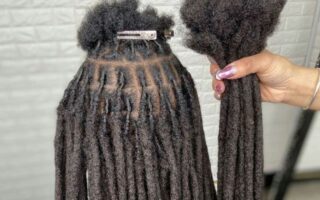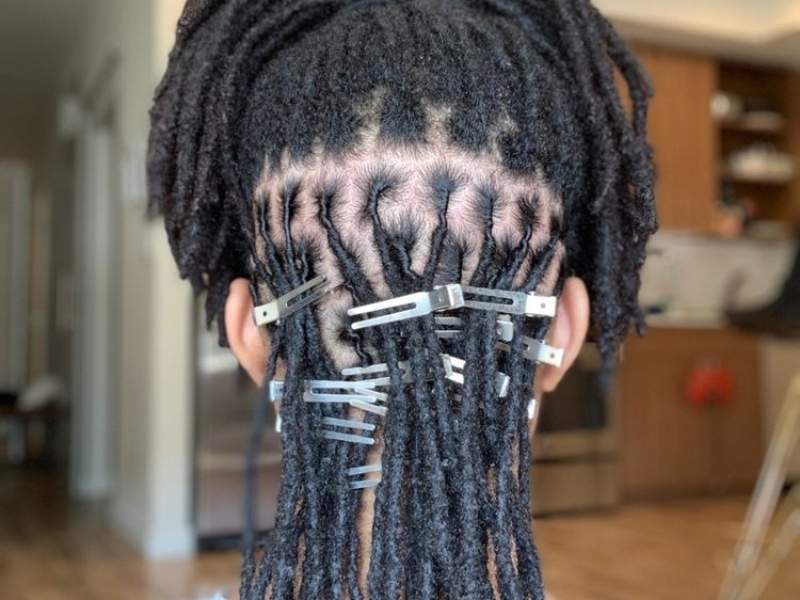
What Happens When You Stop Retwisting Your Locs? The Truth About Freeform Locs
Have you ever wondered what would happen if you decide to stop retwisting your locs and let your hair grow naturally?
You recently loc’d your hair and are curious about maintenance, or maybe you’ve been down the line for a couple of years and are tired of constant Retwisting.
You may also be curious about whether your locs will become thicker, grow faster, or develop a different appearance when you stop retwisting them.
Whatever your reason, choosing to stop retwisting your locs can change the appearance, structure, and maintenance of your hair over time.
Wondering how your hair will change over time? Learn more about the timeline in What Do Mature Locs Look Like? 11 Signs Your Locs Are Fully Mature
Retwisting is a popular loc maintenance technique that helps keep new growth organized and gives locs a neater, more uniform appearance. However, it is not the only way to maintain locs. Some people choose to retwist regularly, while others prefer semi-freeform locs or a more natural approach that involves little or no root manipulation.
The important thing to understand is that stopping retwisting does not mean stopping hair care. Your locs will still need attention, including regular cleansing, thorough drying, and appropriate scalp care.
Dealing with extra flyaways? Check out these simple methods on How to Fix Frizzy Locs Without Retwisting: Easy Tips That Work
So, what actually happens when you stop retwisting your locs?
From changes in thickness and texture to potential benefits for your roots, here is exactly what you need to know before making the switch.
1. Your Roots Begin to Look Fuller and Less Defined

One of the first changes you may notice when you stop retwisting your locs is the appearance of your roots.
When you retwist regularly, the new growth at your scalp is shaped by the existing loc structure. This creates a more defined appearance, especially around your parts.
When you stop retwisting, new growth continues to emerge without being deliberately twisted into place.
As a result, your roots may begin to look fuller, softer, and less defined. The clean lines between your locs may gradually become less noticeable, and loose hairs may start to grow around the roots.
For someone accustomed to freshly retwisted locs, this change can take some getting used to.
However, fuller-looking roots are a normal part of allowing your locs to develop with less manipulation.
Over time, the new growth may begin to tangle and integrate with nearby hair, depending on your hair texture, loc structure, and maintenance habits.
It is important to remember that less-defined roots do not automatically mean your locs are unhealthy. They may simply reflect your decision to allow your hair to grow without frequent root manipulation.
If you prefer a softer, more natural appearance, you may find that this change becomes one of the most enjoyable aspects of your loc journey.
2. Your Locs May Become Thicker Over Time
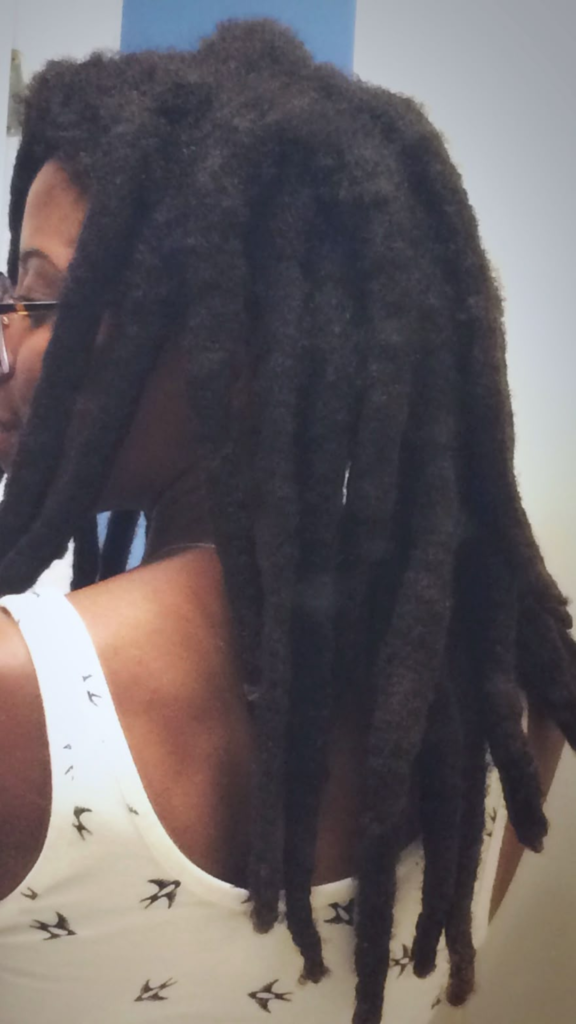
One reason some people stop retwisting their locs is the possibility of developing thicker-looking locs.
When you retwist, you gather new growth into an established loc, helping maintain its shape and separation. Depending on your technique, the amount of tension applied, and how frequently you retwist, this can influence the appearance of your roots.
Without regular retwisting, loose hairs may gradually combine with the existing loc or surrounding new growth.
As your locs develop, some sections may become wider or less uniform than they were when you maintained sharply defined parts.
This is particularly noticeable for people transitioning toward semi-freeform or freeform locs.
However, it is important to distinguish between thicker-looking locs and actual increases in hair growth.
Working with a short hair? check out our guide on How to Start Sisterlocks on Short Hair: A Beginner’s Guide for tips on beginning your journey.
Stopping retwisting does not automatically make your hair grow faster or increase the number of hair strands you have. Rather, reduced root manipulation and changes in how the hair combines can affect the overall appearance and shape of your locs.
Your final results will depend on several factors, including your natural hair density, texture, starting method, loc size, and how much you allow neighboring hairs to combine.
If you want to maintain distinct locs while reducing manipulation, you can gently separate neighboring locs when necessary instead of retwisting the roots.
This allows you to explore a more natural maintenance routine while retaining some control over the size and separation of your locs.
3. Your Locs May Start to Look More Natural and Less Uniform
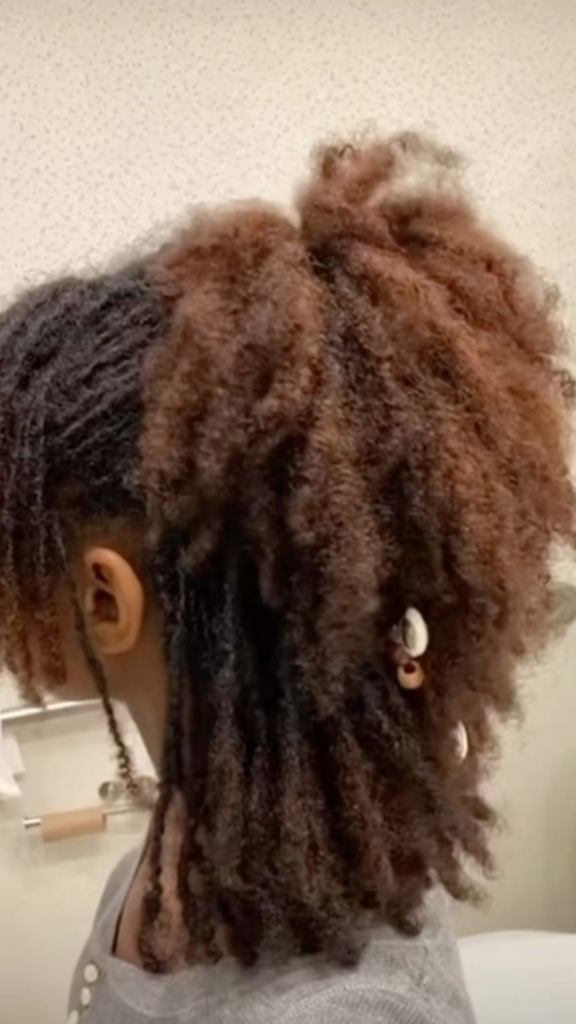
Traditional retwisting often creates a neat, structured appearance. The roots look organized, the parts are visible, and the locs may appear relatively uniform.
When you stop retwisting, that appearance can gradually change.
Your locs may develop irregular shapes, visible new growth, and different thicknesses. Some may appear more compact, while others may remain loose or textured for longer.
This is because your hair continues to grow and interact with itself without being regularly guided into the same root pattern.
For people interested in freeform or semi-freeform locs, these changes may be desirable.
Freeform locs generally develop with minimal deliberate shaping or separation, while semi-freeform locs involve some maintenance without frequent retwisting.
Neither approach is inherently better than the other. The right choice depends on your preferred appearance, lifestyle, and hair care needs.
If you appreciate a more organic look, stopping retwisting may help you move toward a style that reflects your hair’s natural development.
However, if you want your locs to remain evenly separated, you may need to do some gentle maintenance to prevent neighboring locs from joining.
The key is understanding that your locs may become less uniform when you stop retwisting, and that this is a normal possibility rather than a sign that your hair is failing.
4. Relieves Tension on Your Hairline and Roots
Not retwisting gives your hair a rest from the normal loc manipulation and stress and it hardens it up a bit to endure what you want to do to it later.
Retwisting can involve tension, particularly when the hair is twisted tightly or the roots are repeatedly manipulated before they have recovered from previous maintenance.
Over time, excessive tension can contribute to hair breakage, thinning, and traction alopecia, a form of hair loss associated with repeated pulling on the hair.
The hairline, temples, and areas where locs are particularly heavy may be vulnerable to tension-related damage.
When you stop retwisting, you eliminate that particular source of repeated tension.
This may be especially helpful if you have noticed tenderness after retwisting, thinning around your edges, or weak roots.
However, stopping retwisting does not guarantee that existing hair loss will reverse. The outcome depends on the cause and extent of the damage. Persistent thinning or bald patches should be evaluated by a dermatologist.
It is also worth remembering that locs can become heavy as they grow longer. Tight hairstyles, extensions, and other practices that pull on the roots may still cause tension even if you no longer retwist.
Therefore, a healthier loc routine should focus on minimizing unnecessary pulling and allowing your scalp to remain comfortable.
If your goal is to protect your hairline, reducing the frequency of tight retwisting can be a useful step.
5. More Frizz and Loose Hair
If you decide to stop retwisting your locs, expect some changes in texture.
Retwisting helps direct loose hairs into the loc and temporarily creates a smoother root appearance. Without this maintenance, frizz and loose strands may become more noticeable.
You may see hairs sticking out along the length of your locs or notice that your roots look less compact, this is particularly common when locs are still developing.
Although frizz is often considered undesirable in traditional loc maintenance, it is not automatically a sign of damage.
Loose hairs can be part of the natural process through which locs mature and compact.
However, excessive pulling, rough handling, or repeatedly picking at loose strands can weaken your hair.
Instead of trying to eliminate every strand of frizz, focus on maintaining a healthy scalp and handling your locs gently.
Unsure which method fits your hair goals? Compare installation styles, maintenance routines, and sizing in Sisterlocks vs. Traditional Locs: Which One Is Right for You?
If you prefer a more natural appearance, you may learn to appreciate the texture that develops when you stop manipulating your roots as frequently.
Your locs may not always look freshly styled, but they can still be healthy, attractive, and well cared for.
6. Your Locs May Begin to Combine if You Do Not Separate Them
Another important change to consider is the possibility that neighboring locs will join together.
When new growth is left alone, loose hairs can intertwine with nearby locs. Over time, this may lead to roots becoming connected or separate locs joining into larger sections.
For someone pursuing freeform locs, this may be part of the desired outcome.
However, if you want to maintain individual locs, you may need to separate them periodically.
This is particularly important around the roots, where new growth can become intertwined before you notice it.
You do not necessarily have to retwist your hair to maintain separation.
Depending on your loc structure and preferences, gentle separation with your fingers can help keep neighboring locs distinct while allowing your roots to grow naturally.
Avoid pulling forcefully, especially if your roots are delicate or your locs are becoming thin.
If several locs have become firmly joined and you are unsure how to separate them safely, consult an experienced loctician.
The amount of maintenance you need will depend on how quickly your roots intertwine, your hair texture, and whether you want a freeform, semi-freeform, or more structured appearance.
Stopping retwisting therefore gives you more freedom, but it may also require you to make decisions about how much natural merging you are comfortable with.
7. Your Locs Will Not Necessarily Grow Faster
A common belief is that stopping retwisting makes locs grow faster.
Although reducing manipulation may help prevent certain types of breakage, it does not directly increase the biological rate at which your hair grows.
Hair growth primarily depends on factors such as genetics, health, nutrition, and the normal hair growth cycle.
When you stop retwisting, your hair continues growing from the scalp as it normally would.
However, reducing excessive tension and rough handling may help you retain more of the length your hair produces.
This distinction is important.
Hair growth refers to the production of new hair from the follicle, while length retention refers to keeping the hair you have already grown from breaking off.
If frequent retwisting has been contributing to breakage or tension around your roots, changing your maintenance routine may help you retain length more effectively.
You may therefore notice healthier-looking roots or improved length retention over time, but results will vary.
The goal should not be to abandon every maintenance practice in the hope of faster growth. Instead, develop a routine that protects your scalp, minimizes unnecessary tension, and supports your hair’s natural growth cycle.
8. Your Maintenance Routine May Become Simpler
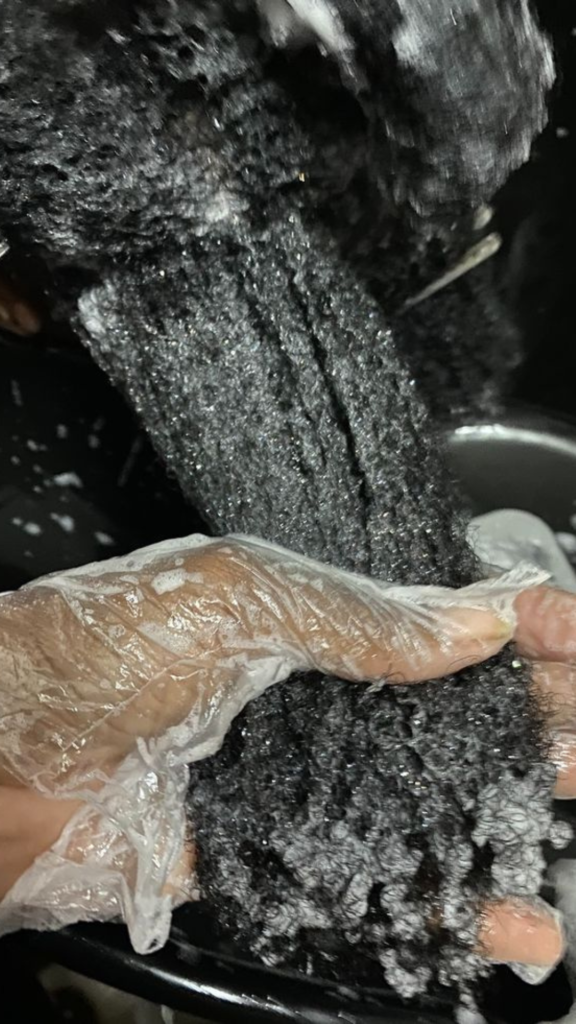
Retwisting can take considerable time, especially if you have many locs or maintain them yourself.
Depending on your routine, maintenance may involve washing, drying, sectioning, twisting, and allowing your roots to set.
When you stop retwisting, you can eliminate much of the time spent on that particular process.
This may make your loc journey more convenient and less expensive.
You may no longer need to schedule retwisting appointments as frequently, purchase as many styling products, or spend hours trying to achieve a freshly maintained appearance.
However, a simpler routine does not mean you can neglect your hair.
Your scalp still needs regular cleansing, and your locs must be dried thoroughly after washing. Moisture trapped inside dense locs can contribute to unpleasant odors and other problems.
You should also monitor your scalp for irritation, excessive buildup, and signs of thinning or breakage.
If you have a tendency toward scalp conditions that require specific care, adjust your routine accordingly.
The biggest advantage is that you can spend less time manipulating your roots while continuing to give your hair the attention it needs.
For many people, this creates a more relaxed relationship with loc maintenance.
9. Freeform or Semi-Freeform Appearance
Stopping retwisting may gradually move your locs toward a freeform or semi-freeform style.
Freeform locs develop with little deliberate shaping, allowing the hair to form and combine according to its natural tendencies.
Semi-freeform locs involve a middle ground. You may avoid regular retwisting while occasionally separating locs, maintaining their overall shape, or addressing areas that need attention.
This approach can appeal to people who want to reduce manipulation without completely giving up control over their hairstyle.
For example, you might wash your locs regularly, allow your roots to grow naturally, and separate neighboring locs when necessary.
You may also choose to maintain certain parts of your hair while allowing other areas to develop more freely.
There is no single schedule that defines semi-freeform locs. Your approach can evolve according to your preferences and how your hair responds.
It is important to understand that stopping retwisting does not automatically mean your locs will become completely freeform.
Their development depends on your hair texture, starting method, loc structure, and whether you continue to separate or shape them.
If you are interested in a more natural appearance, this can be an opportunity to explore a different way of wearing and caring for your locs.
10. You May Develop a Different Relationship With Your Hair
Beyond physical changes, stopping retwisting may change how you think about your locs.
When you maintain a hairstyle that requires frequent retwisting, it can be easy to become attached to the appearance of freshly maintained roots.
You may feel that your hair looks its best immediately after an appointment and less attractive as new growth appears.
This can create pressure to maintain a particular appearance, even when your hair would benefit from less manipulation.
Choosing to stop retwisting may encourage you to question those expectations.
You begin to recognize that locs can look different at different stages without becoming less valuable or beautiful.
You may also become more comfortable with new growth, frizz, and the natural variations that develop over time.
For some people, this change feels freeing because their confidence becomes less dependent on maintaining perfectly defined roots.
For others, the adjustment takes time. If you have always preferred neat parts and freshly retwisted locs, a more natural appearance may initially feel unfamiliar.
That is perfectly normal.
You do not have to love every stage immediately, and you can always adjust your maintenance approach.
The important thing is to choose a routine that works for your hair, your lifestyle, and your personal preferences rather than feeling pressured to follow someone else’s approach.
How to Care for Your Locs After You Stop Retwisting
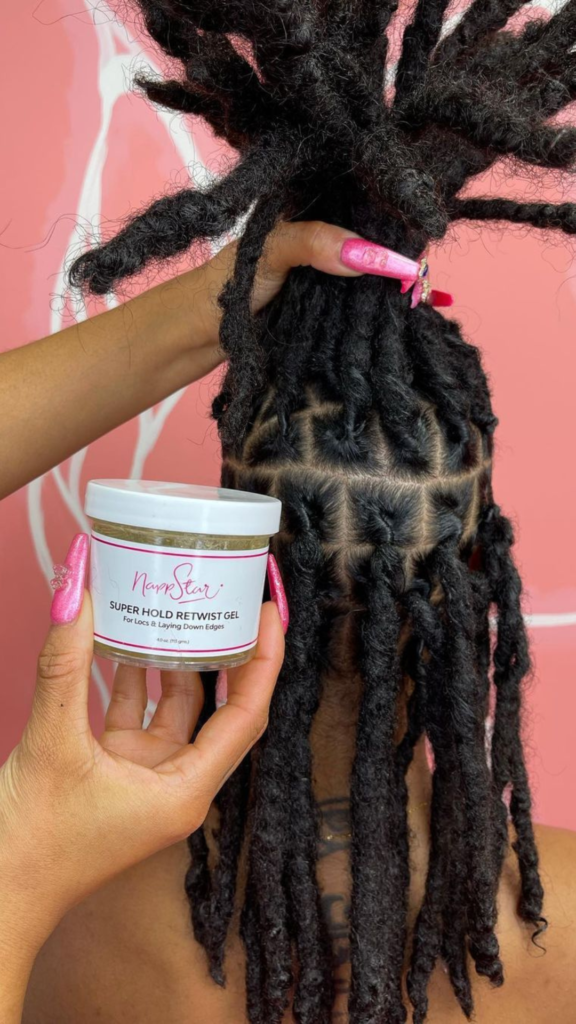
If you decide to stop retwisting your locs, follow these basic practices to keep your hair and scalp healthy.
- Wash your locs regularly. Cleanse your scalp and locs according to your hair’s needs. Removing sweat, dirt, and product residue is an important part of maintaining healthy locs.
- Dry your locs thoroughly. After washing, make sure moisture does not remain trapped inside your locs. Drying time depends on their thickness, length, and density.
- Avoid excessive product buildup. Heavy products and excessive oil application may accumulate in locs. Choose products that rinse out effectively and use them sparingly when appropriate.
- Separate neighboring locs when necessary. If you want to maintain individual locs, gently separate roots that are beginning to join. Avoid forceful pulling.
- Protect your hairline. Avoid tight hairstyles and excessive tension, particularly if your edges are delicate or your roots have started thinning.
- Pay attention to your scalp. Persistent itching, pain, irritation, unusual odors, or visible thinning may indicate a problem that needs attention.
- Be patient with changes in appearance. Your roots may look less defined, and your locs may develop more frizz or irregular shapes. Give yourself time to adjust to the changes.
Most importantly, remember that healthy locs are not defined solely by how neat your roots look. A good maintenance routine should support your scalp and hair while allowing you to enjoy the style you prefer.
FAQs
Will my locs unravel if I stop retwisting?
Not necessarily. Mature locs are generally more established than newly formed locs, although their roots will continue to develop. The likelihood of unraveling depends on your hair texture, starting method, loc maturity, and how you maintain your hair. If your locs are new, they may need more attention to establish their structure.
How long can I go without retwisting my locs?
There is no universal time limit. Some people go several months or longer without retwisting, while others prefer occasional maintenance. Your decision should depend on your scalp health, loc maturity, and desired appearance. You can also maintain your locs without following a strict retwisting schedule.
Will my locs become thicker if I stop retwisting?
They may develop a fuller or less uniform appearance as new growth intertwines, but this is not guaranteed. Stopping retwisting does not automatically increase hair density or growth rate. Your results depend on your natural hair characteristics and maintenance practices.
Is it healthy to leave locs without retwisting?
Yes, locs can remain healthy without regular retwisting if you maintain proper scalp hygiene, dry your hair thoroughly, and avoid damaging tension. Retwisting is primarily a maintenance and styling choice, not a requirement for scalp health.
Can I stop retwisting and still have neat locs?
Yes, depending on what you consider neat. You can reduce retwisting while occasionally separating neighboring locs, keeping your scalp clean, and styling your hair as desired. Your roots may look less defined, but your locs can still be well maintained.
Will stopping retwisting help my edges grow back?
Reducing tight retwisting may help prevent further tension-related damage. However, whether thinning edges recover depends on the underlying cause and how much damage has occurred. If your hairline continues to thin or you develop bald patches, consult a dermatologist.
Let Your Locs Develop at Their Own Pace
So, what happens when you stop retwisting your locs?
Your roots may become fuller and less defined. Your locs may develop more frizz, change in shape, or gradually combine with neighboring sections. You may also reduce the tension associated with frequent retwisting and discover a maintenance routine that requires less manipulation.
However, your locs will not automatically grow faster, become thicker, or develop in the same way as someone else’s.
Your experience will depend on your hair, your loc structure, and how you care for your scalp.
The decision to stop retwisting ultimately comes down to what you want from your loc journey.
If you love a structured appearance with clearly defined parts, occasional retwisting may suit you. If you prefer a more natural look with less manipulation, semi-freeform or freeform maintenance may be worth exploring.
You do not have to choose an approach simply because it is popular instead, pay attention to your hair, understand its needs, and choose a routine that supports its health.
Your locs do not need constant retwisting to be beautiful, and your roots do not need to look freshly maintained for your hair to be healthy.
Sometimes, changing your maintenance routine is simply about finding a balance between caring for your locs and allowing them to develop naturally.
Whether you choose to retwist occasionally or stop altogether, your loc journey belongs to you.