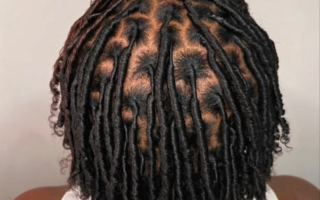
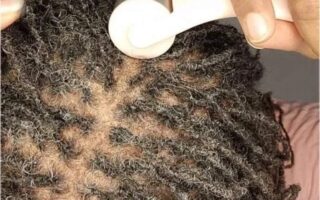
Having locs is a beautiful way to wear your natural hair, but caring for your scalp can sometimes come with a few challenges. One common problem many people experience is dandruff. You might notice white flakes around your roots, tiny particles sitting on your locs, or flakes falling onto your shoulders whenever you touch your hair.
If you have been dealing with this problem, you may have wondered what you are doing wrong. Perhaps you wash your locs regularly but still notice flakes a few days later. Maybe your scalp feels dry and itchy, or you have tried different oils and hair products without seeing much improvement.
The truth is that dandruff with locs can happen for several reasons. It may be related to a scalp condition, the products you use, your washing routine, or irritation caused by certain ingredients. Sometimes, what looks like dandruff is actually dry scalp, product residue, or another condition that needs a different kind of care.
Understanding what is happening is the first step toward treating the problem properly.
One thing I want you to understand is that having dandruff does not automatically mean your locs are dirty or that you are taking poor care of your hair. You can maintain a good hair-washing routine and still experience dandruff. What matters is identifying the possible cause and choosing a treatment that suits your scalp.
In this guide, we will discuss what really causes dandruff with locs, how to identify the difference between dandruff and other types of flakes, the treatments that may help, and the mistakes to avoid when caring for a flaky scalp.
This Article tells you everything you need to know about, on How to Detox your Locs at home: A Step by Step Guide.
What Is Dandruff With Locs?
Dandruff is a common scalp condition that causes flakes of skin to appear on the scalp and hair. These flakes may be white, off-white, or slightly yellowish. Some people experience dandruff with little discomfort, while others have itching, irritation, or redness.
When you have locs, these flakes can be particularly noticeable because they may settle between the locs, cling to the hair near your roots, or become trapped along the length of your locs.
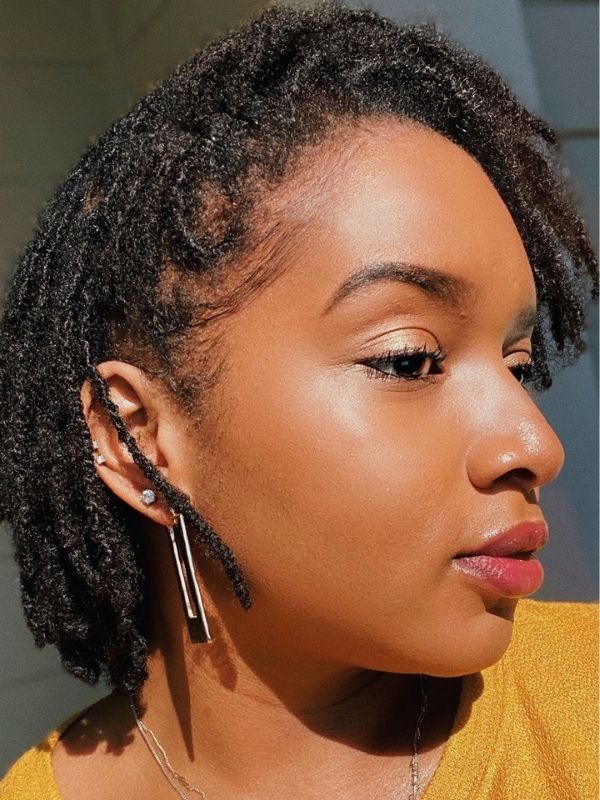
Unlike loose natural hair, locs have a structure that can make certain types of residue more difficult to remove. If flakes and product buildup collect around your roots or inside your locs, you may need to pay closer attention to your washing and rinsing techniques.
However, it is important to understand that dandruff originates from the scalp, not from the locs themselves. The locs may collect the flakes, but the underlying cause often involves the condition of your scalp.
Dandruff is commonly associated with a skin yeast called Malassezia. This yeast naturally lives on many people’s scalps. In some individuals, it contributes to inflammation and increased shedding of scalp skin, resulting in visible flakes.
Other conditions can produce similar symptoms, including dry scalp, seborrheic dermatitis, eczema, psoriasis, and contact dermatitis.
This is why you should not assume that every white particle on your locs is dandruff. The appearance of the flakes, the condition of your scalp, and your recent hair-care habits can help you understand what might be happening.
If your scalp is persistently itchy, painful, swollen, or unusually flaky, a dermatologist can help identify the cause and recommend suitable treatment.
Have you ever felt unsure about how to deep clean your locs properly? Don’t worry! This guide on how to do a deep Cleanse for locs: step by step guide. will walk you through the process and help you understand how to remove buildup while keeping your locs clean and healthy.
1. What Really Causes Dandruff With Locs?
There is no single cause of dandruff for everyone. Two people can have similar-looking flakes but need different treatments because their scalp conditions are different.
Let’s look at the main reasons you may experience dandruff while wearing locs.
An Overgrowth of Malassezia Yeast
One of the most common causes of dandruff is a reaction involving Malassezia, a yeast that naturally lives on the skin.
This yeast feeds partly on oils produced by the scalp. In people who are susceptible to dandruff, it can contribute to irritation and increased shedding of skin cells.
As these cells accumulate and become visible, you may notice flakes around your roots or on your locs.
You might experience:
- White or yellowish flakes.
- An itchy scalp.
- Flakes that return after washing.
- Greasy areas around the scalp.
- Irritation that becomes more noticeable during certain seasons.
Not everyone with Malassezia develops dandruff. The condition depends on several factors, including individual skin sensitivity and the scalp’s response to the yeast.
This is also why applying more oil does not necessarily solve the problem. Oil may temporarily make your scalp feel less dry, but it does not treat every cause of dandruff.
If your flakes keep returning despite regular washing, an anti-dandruff shampoo may be more helpful than adding another moisturizing product.
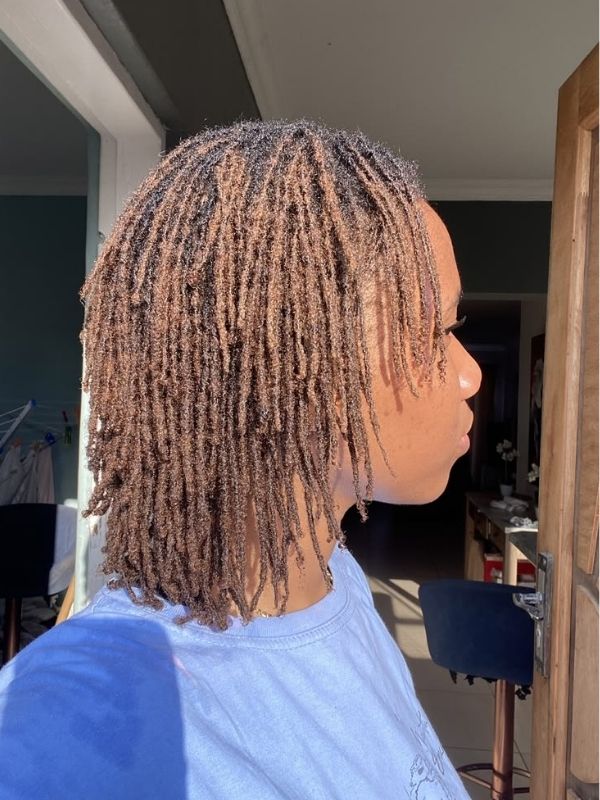
1.2. Washing Your Locs Too Infrequently
Your scalp naturally produces oil, sheds skin cells, and collects sweat and environmental particles throughout the day.
When you leave your scalp unwashed for long periods, these materials can accumulate. Depending on your scalp, the buildup may contribute to itching, visible flakes, or irritation.
People with locs sometimes delay washing because they worry that water will unravel their hair or interfere with the locking process.
This concern is understandable, particularly when you have starter locs. However, avoiding washing for too long is not a reliable way to prevent dandruff.
Your scalp still needs regular cleaning, even when your hair is locked.
The right washing schedule depends on your scalp, activity level, climate, and stage of loc development. Someone who sweats frequently may need to wash more often than someone whose scalp remains comfortable between washes.
If your scalp feels greasy, itchy, or uncomfortable before your next scheduled wash, it may be time to review your routine.
Important: Washing less frequently is not the right treatment for every person with locs. If you have a scalp condition that causes inflammation, regular cleansing with an appropriate shampoo may be necessary.
1.3. Using Too Much Hair Oil
Hair oil is a common part of many loc-care routines. Some people apply oil to their scalp several times a week because they believe it will keep the roots moisturized and prevent flakes.
However, using too much oil can create problems for certain scalps.
Heavy oil application may leave the scalp greasy, encourage product accumulation, and make it harder to remove residue from the roots and locs.
Some oils can also irritate sensitive skin or worsen symptoms in people whose dandruff responds poorly to oily products.
This does not mean every oil is bad for locs. It means you should pay attention to how your scalp responds instead of assuming that more oil always means better care.
For example, if your scalp becomes increasingly itchy after applying a particular oil, stop using it and see if the irritation improves.
You should also avoid repeatedly applying oil to visible flakes in an attempt to make them disappear. Oil may make flakes less noticeable temporarily without addressing the reason they developed.
If you have persistent dandruff, focus on treating your scalp rather than covering the flakes with more products.
Have your locs been looking frizzy, and you want them to look neat without getting a retwist? This guide on How to Fix Frizzy Locs Without Retwisting Them will show you simple ways to manage frizz while keeping your locs healthy and maintaining your natural look.
1.4. Product Buildup on Your Scalp and Locs
Product buildup is another reason people notice white particles in their locs.
Leave-in conditioners, styling creams, gels, waxes, thick oils, and other hair products can leave residue when they are difficult to rinse out.
Because locs are formed from hair strands that have become intertwined, residue may collect within the locs over time. You might notice a coating around the roots or particles that become visible when you separate your locs.
However, product buildup and dandruff are not the same thing.
Dandruff involves the shedding of scalp skin. Product residue comes from the products you apply. The two can sometimes occur together, making it difficult to determine the cause by appearance alone.
Signs that product buildup may be contributing to your problem include:
- White residue that appears after applying a particular product.
- A sticky or coated feeling around your roots.
- Product particles that remain attached to your locs after washing.
- A scalp that feels coated rather than simply flaky.
- Residue that becomes worse after using heavy styling products.
If you suspect buildup, review the products you use and how thoroughly you rinse them out.
Choose products that suit locs, use modest amounts, and avoid layering several styling products on your scalp.
If the residue is persistent, a suitable clarifying shampoo may help remove product deposits. However, a clarifying shampoo will not necessarily treat dandruff caused by a scalp condition.
1.5. Dry Scalp
Dry scalp can also produce small, white flakes that resemble dandruff.
Your scalp may become dry because of environmental conditions, frequent washing with harsh shampoos, hot water, irritating products, or your natural skin characteristics.
You may notice:
- Small, dry-looking flakes.
- A tight or uncomfortable feeling.
- Mild itching.
- Flaking that becomes worse in cold or dry weather.
- Scalp discomfort after using a shampoo that strips away too much oil.
Dry scalp and dandruff can look similar, but their treatments may differ.
Dry scalp may improve when you remove irritating products, use a gentle shampoo, avoid very hot water, and adjust your washing routine.
Dandruff associated with Malassezia, on the other hand, may require an anti-dandruff shampoo.
Applying large amounts of oil is not a guaranteed solution for either condition. If the problem persists, you may need help identifying the actual cause.
1.6. Using Shampoo That Irritates Your Scalp
The shampoo you use can influence the condition of your scalp.
Some shampoos contain ingredients that certain individuals find irritating. Others may be too harsh for a person who already has a sensitive or inflamed scalp.
If your scalp becomes itchy, red, or flaky shortly after switching shampoos, the product may be contributing to the problem.
You may also experience irritation from fragrances, preservatives, essential oils, or other ingredients in hair-care products.
Pay attention to changes in your scalp after introducing a new shampoo, conditioner, oil, or styling product.
If you suspect a product is causing irritation, stop using it. Choose a gentle, fragrance-free product when possible, particularly if your scalp is sensitive.
Do not assume that a shampoo marketed for natural hair or locs will automatically suit your scalp. Your skin’s response matters more than the label.
If irritation is severe, persistent, or accompanied by swelling or sores, seek medical advice.
1.7. Seborrheic Dermatitis
Seborrheic dermatitis is an inflammatory skin condition that commonly affects areas with many oil-producing glands, including the scalp.
It is closely associated with dandruff, but it can produce more noticeable inflammation and thicker scaling.
Symptoms may include:
- White or yellowish flakes.
- Red or irritated patches.
- Greasy scales.
- Persistent itching.
- Flaking around the hairline, eyebrows, ears, or sides of the nose.
When seborrheic dermatitis affects the scalp, flakes may collect around the roots of your locs and become trapped between them.
You may find that ordinary shampooing does not provide enough relief.
Treatment often involves medicated shampoos or other treatments recommended by a healthcare professional. Depending on the severity of the condition, you may need to use treatment regularly to keep symptoms under control.
Seborrheic dermatitis can return even after the scalp improves. This does not mean you have failed to care for your locs properly.
If you have persistent redness, greasy scaling, or itching that keeps returning, a dermatologist can help determine if seborrheic dermatitis is responsible.
1.8. Allergic or Irritant Contact Dermatitis
Sometimes, the problem is not ordinary dandruff at all. It may be a reaction to something touching your scalp.
Contact dermatitis occurs when the skin becomes inflamed after exposure to an irritating substance or an allergen.
Possible triggers include:
- Hair dyes.
- Fragranced oils.
- Essential oils.
- Shampoos and conditioners.
- Styling gels.
- Hair sprays.
- Ingredients in loc-maintenance products.
An allergic reaction may develop after you have used a product several times without problems. An irritant reaction can also occur when a product damages or inflames the skin.
Symptoms may include itching, redness, burning, swelling, scaling, or a rash.
If your scalp begins flaking after using a new product, stop using it and monitor the symptoms.
Do not apply additional oils or homemade mixtures to soothe the area without understanding what caused the reaction. Some ingredients may make the irritation worse.
Seek medical advice if the reaction is severe, spreads, or does not improve after you stop using the suspected product.
1.9. Stress and Changes in Your Routine
Stress does not directly cause every case of dandruff, but it may contribute to flare-ups in people who are already prone to scalp conditions.
Periods of stress can affect sleep, daily habits, and the way some inflammatory skin conditions behave.
You might also find that your hair-care routine changes during busy periods. Perhaps you delay washing, use more styling products, or scratch your scalp more frequently.
These changes may contribute to discomfort and make an existing scalp problem more noticeable.
If you experience recurring dandruff, try to maintain a manageable hair-care routine even when life becomes busy.
Wash your locs appropriately, avoid repeatedly scratching your scalp, and seek treatment when symptoms persist.
1.10. Weather and Environmental Changes
Your scalp may respond differently to changes in temperature, humidity, and the surrounding environment.
For some people, dandruff becomes more noticeable during colder or drier periods. Others experience increased scalp discomfort in hot weather because of sweating and frequent product use.
Environmental changes do not explain every case of dandruff, but they can influence how comfortable your scalp feels.
If you notice a pattern, adjust your routine carefully.
For example, you may need to wash after heavy sweating, avoid very hot water, or reduce products that leave your scalp feeling coated.
The aim is to maintain a comfortable, clean scalp without repeatedly stripping it or adding unnecessary products.
Are you looking for beautiful ways to style your medium-length locs? This guide on How to Style Medium Length Locs will give you lovely hairstyle ideas to try
2. How to Tell the Difference Between Dandruff, Dry Scalp, and Product Buildup
Before treating the flakes on your locs, it helps to consider what you are seeing.
Dandruff, dry scalp, and product buildup can look similar, but they do not always respond to the same treatment.
Here is a simple comparison.
| Feature | Dandruff | Dry Scalp | Product Buildup |
|---|---|---|---|
| Main cause | Scalp shedding associated with dandruff, often involving Malassezia | Lack of moisture in the skin or irritation | Residue from hair products |
| Appearance | White or yellowish flakes | Often small, dry, white flakes | White, waxy, sticky, or coated residue |
| Scalp feeling | May be itchy or greasy | May feel tight, dry, or itchy | May feel coated or greasy |
| Location | Usually on the scalp and around the roots | Usually on the scalp | On the scalp or along the locs |
| Common approach | Appropriate anti-dandruff treatment | Gentle scalp care and avoiding irritants | Better product selection and thorough cleansing |
These are general clues, not a reliable way to diagnose yourself.
For example, dandruff may produce dry-looking flakes, and product buildup can coexist with an itchy scalp condition.
If you cannot tell what is causing the flakes, avoid trying several treatments at once. Changing too many products can make it harder to identify what helps and what causes irritation.
A healthcare professional can examine your scalp and help determine the most appropriate treatment.
3. How to Treat Dandruff With Locs
Now that you understand some of the possible causes, let’s discuss the steps that may help you manage dandruff.
The right approach depends on the reason your scalp is flaking. If the problem is dandruff, an anti-dandruff shampoo may help. If the flakes come from product residue, you may need to adjust your product use and washing technique.
The following steps provide a practical starting point.
Step 1: Identify What May Be Triggering the Flakes
Start by looking at your current hair-care routine.
Think about when the flakes first appeared. Did you recently change your shampoo? Have you been applying more oil than usual? Did you install a new style, use a new product, or go longer than usual between washes?
These details can help you identify possible triggers.
Pay attention to whether your scalp feels dry, greasy, itchy, painful, or irritated. Notice if the flakes appear mainly around the roots or if you also see residue along the length of your locs.
If the symptoms started after using a new product, stop using that product for now.
Avoid adding several new treatments at the same time. Give your scalp a chance to settle and follow the instructions for any treatment you choose.
If the problem is severe, keeps returning, or has no clear cause, consider seeing a dermatologist instead of continuing to experiment.
Step 2: Choose a Suitable Anti-Dandruff Shampoo
If dandruff is the likely cause, an anti-dandruff shampoo may help control flaking.
Common active ingredients include:
Ketoconazole: This antifungal ingredient helps reduce the yeast associated with dandruff.
Selenium sulfide: This ingredient can help control dandruff and reduce excessive shedding of scalp skin.
Zinc pyrithione: This ingredient is used in some anti-dandruff products to help manage dandruff.
Salicylic acid: This ingredient helps loosen and remove scales, although it can cause dryness or irritation in some people.
The availability of these ingredients varies by country, and some products may require a prescription.
You do not need to use all these ingredients together. Choose an appropriate product and follow its label directions.
If you have sensitive skin, are pregnant or breastfeeding, or have another scalp condition, ask a pharmacist or healthcare professional which product is suitable for you.
For locs, choose a shampoo that you can rinse thoroughly from the roots and hair. If you have starter locs, small or delicate locs, or a particular maintenance method, ask your loctician how to wash without disrupting the style.
Remember that a regular clarifying shampoo and an anti-dandruff shampoo serve different purposes. Clarifying products help remove residue, while anti-dandruff products target dandruff-related scalp problems.
Step 3: Wet Your Locs and Scalp Thoroughly
Before applying shampoo, wet your locs and scalp with lukewarm water.
Take your time so that water reaches the scalp beneath your locs. If your hair is thick or your locs are tightly packed, you may need to work in sections.
Avoid using very hot water because it can irritate your scalp and worsen dryness.
Make sure your roots are properly wet before applying shampoo. This helps the product spread more evenly and makes it easier to cleanse the scalp.
If you have starter locs, follow the washing guidance recommended for your loc method. Some newly installed styles need specific care to reduce unraveling.
However, do not leave an irritated or unhealthy scalp untreated simply because you are afraid of disturbing your locs. A suitable washing routine can be adapted to your hair’s stage.
Step 4: Apply Shampoo to Your Scalp
Apply a suitable amount of shampoo to your scalp, focusing on the areas where you notice flakes.
Use the pads of your fingers to massage the scalp gently. Avoid scratching with your fingernails, even when the itching is uncomfortable.
Scratching can damage the skin, increase irritation, and create small wounds that may become infected.
Work through your scalp in sections so that you do not miss areas between your locs.
If you are using a medicated anti-dandruff shampoo, follow the label instructions carefully. Some products need to remain on the scalp for a specified amount of time before rinsing.
Do not assume that leaving shampoo on longer will improve the results. Excessive exposure may irritate your skin.
Also, avoid pouring large amounts of shampoo directly into your locs. Concentrate on cleansing the scalp and allow the lather to pass through the hair as you rinse.
Step 5: Rinse Your Locs Thoroughly
Rinsing is particularly important when you have locs.
Leftover shampoo can irritate your scalp or leave residue inside your locs. If you use a medicated shampoo, failing to rinse it properly may also cause unnecessary irritation.
Rinse with lukewarm water until you no longer feel shampoo around your roots.
Gently squeeze your locs to help release water and loosened residue. Work in sections if needed.
Do not rush this step, especially if your locs are thick or long.
If you frequently find white residue after washing, review both the amount of product you use and the time you spend rinsing.
However, remember that dandruff can persist even when you rinse properly. If the flakes return, you may need a more appropriate scalp treatment rather than simply washing for longer.
Step 6: Condition Your Locs Carefully
Conditioner can help soften and improve the feel of hair, but the type of conditioner and how you apply it matter when you have locs.
Heavy conditioners, thick creams, and products that leave a substantial coating may be difficult to remove from some locs.
If you use conditioner, choose a lightweight product that suits your loc type and rinse it out thoroughly.
Avoid applying products to an already irritated scalp if they tend to cause itching or burning.
Some people with locs prefer to keep conditioner away from their roots, while others use specific products recommended for their hair type and maintenance method.
There is no single rule that works for every set of locs. The important thing is to avoid unnecessary residue and pay attention to how your scalp responds.
Conditioner is not a substitute for anti-dandruff treatment. If dandruff is the main problem, focus on treating the scalp first.
Step 7: Dry Your Locs Completely
After washing, gently squeeze excess water from your locs using a clean towel.
Avoid aggressive rubbing because it can cause frizz and unnecessary friction.
Allow your locs to dry completely, paying particular attention to the roots and the thicker parts of the hair.
Locs can retain water for a long time, especially when they are dense or mature. If they remain damp for extended periods, the trapped moisture may contribute to an unpleasant smell and other problems.
You can use a hair dryer on a suitable low or moderate heat setting if necessary. Keep the dryer moving and avoid excessive heat on your scalp.
Do not tie up or cover very wet locs for long periods in a way that prevents them from drying.
Proper drying helps maintain healthy locs, but it will not treat every cause of dandruff. Continue using the appropriate scalp treatment if the flakes are related to a skin condition.
Step 8: Give the Treatment Time to Work
Dandruff may not disappear after one wash.
Depending on the product and the severity of your symptoms, improvement may take several washes over a period of time.
Use your anti-dandruff shampoo according to its instructions rather than washing repeatedly in the hope of getting faster results.
Overwashing with harsh products can dry or irritate your scalp, making the situation more uncomfortable.
Monitor how your scalp responds. Are the flakes becoming less noticeable? Is the itching improving? Does your scalp feel more comfortable between washes?
If you experience burning, a rash, or worsening irritation, stop using the product and seek advice.
If there is little improvement after a few weeks of using an appropriate treatment as directed, consult a healthcare professional. You may have a different scalp condition or need another treatment.
4. Can You Treat Dandruff With Locs Naturally?
Many people prefer natural remedies because they want to keep their loc-care routines simple.
Although gentle scalp care can support comfort, not every natural ingredient treats dandruff. Some home remedies can irritate the scalp or make flaking worse.
Here are a few things to understand before trying natural treatments.
Aloe Vera
Aloe vera is used in some hair and skin-care products because it can have a soothing effect for certain people.
However, evidence that aloe vera alone reliably treats dandruff is limited.
If you decide to use an aloe-based product, choose one that is suitable for your scalp and avoid ingredients that have irritated your skin in the past.
Test a new product on a small area of skin first, following appropriate product guidance. A small test cannot rule out every allergic reaction, but it may help you notice immediate irritation.
Stop using the product if you develop itching, redness, or burning.
Do not rely on aloe vera alone if you have persistent dandruff, significant inflammation, or thick scaling.
Tea Tree Oil
Tea tree oil is sometimes included in hair-care products marketed for dandruff.
Some limited research suggests that appropriately formulated tea tree oil products may help certain people, but the evidence is not as strong as for established anti-dandruff treatments.
Pure tea tree oil can cause irritation or allergic contact dermatitis. It should not be applied undiluted to the scalp.
If you want to try a product containing tea tree oil, choose a properly formulated product and follow the directions.
Stop using it if your scalp becomes more irritated.
People with sensitive skin may prefer to avoid it altogether.
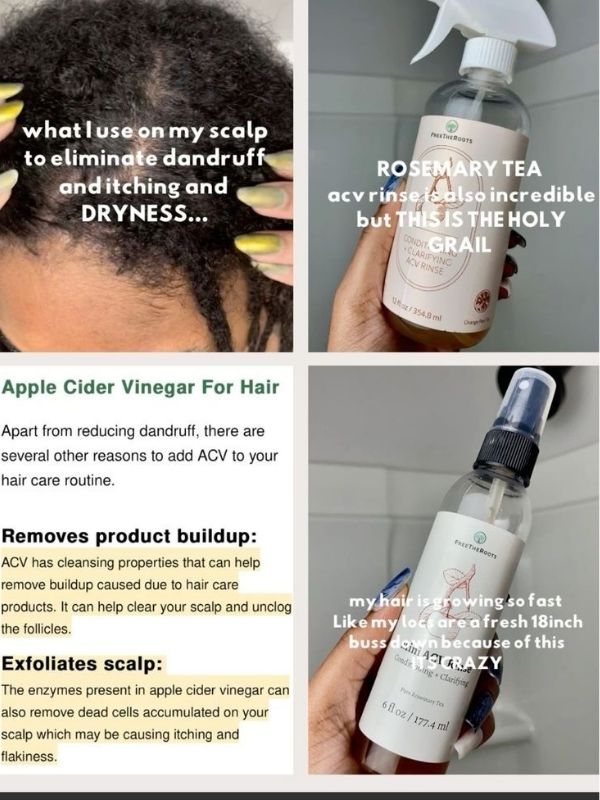
Apple Cider Vinegar
Apple cider vinegar is often recommended online as a treatment for dandruff and scalp buildup.
However, there is not strong evidence that it reliably treats dandruff. Because it is acidic, it may irritate the scalp, particularly if used undiluted or applied to scratched skin.
It may also cause discomfort if it reaches your eyes.
For these reasons, I would not recommend relying on apple cider vinegar as your main dandruff treatment.
A suitable anti-dandruff shampoo is generally a more evidence-based option when dandruff is the problem.
Coconut Oil and Other Oils
Some people apply coconut oil or other oils to soothe dry-feeling skin.
However, oils are not a universal dandruff treatment. In some individuals, heavy oil use can contribute to residue or worsen symptoms associated with an oily scalp.
If your flakes are caused by a skin condition involving Malassezia, adding more oil may not solve the underlying problem.
If you use an oil and notice that your scalp becomes increasingly itchy or flaky, stop applying it and see if your symptoms improve.
You do not need to oil your scalp every day to maintain healthy locs.
My advice: Keep your routine simple. Use products that suit your scalp, avoid ingredients that cause irritation, and choose an established anti-dandruff treatment when necessary.
Natural products can be part of hair care, but natural does not automatically mean safe or effective.
5. How Often Should You Wash Locs When You Have Dandruff?
The right washing schedule depends on your scalp condition, hair type, activity level, and the products you use.
If you have dandruff, washing too infrequently may allow oil and flakes to accumulate. On the other hand, washing too often with harsh shampoo may irritate your scalp.
The aim is to find a routine that keeps your scalp clean without causing unnecessary dryness.
Starter Locs
Starter locs may need a more careful washing technique because the hair has not fully locked.
Depending on the method used to start your locs, frequent or vigorous washing may cause some unraveling.
However, this does not mean you should leave your scalp dirty to protect your style.
Ask your loctician how to wash your particular starter locs and how soon you can introduce medicated shampoo if you need it.
You may be able to use a suitable shampoo with a gentle technique that protects the developing locs.
If your scalp is very itchy, inflamed, or covered with thick flakes, do not rely on styling advice alone. A healthcare professional can help you choose an appropriate treatment.
Are you wondering what mature locs look like? Here are the 11 signs that show your locs are fully mature and learn what to expect at each stage of your loc journey. Find your answers in this guide: What Do Mature Locs Look Like? 11 Signs Your Locs Are Fully Mature.
Mature Locs
Mature locs can usually tolerate a regular washing routine, although the ideal frequency varies from person to person.
If you exercise frequently, sweat heavily, or live in a hot climate, you may need to wash your scalp more often.
If you have persistent dandruff, follow the instructions for your chosen anti-dandruff shampoo.
Some treatments are intended for regular use, while others have specific schedules. The product label or advice from a healthcare professional should guide you.
Sisterlocks and Microlocs
Sisterlocks and microlocs are smaller than many traditional locs, so washing technique can be particularly important.
Depending on your installation method and maintenance stage, your consultant may recommend specific washing practices.
If you have dandruff, explain the problem to your consultant and ask how to incorporate a suitable scalp treatment without disrupting your locs.
A loctician can help with hair maintenance, but a persistent or inflamed scalp condition may require assessment by a dermatologist.
Do not assume that the same washing routine will work equally well for every type of loc.
Between Sisterlocks Vs Trditional Locs, Which one is right for you? Find the best answer from this article.
6. Mistakes to Avoid When Treating Dandruff With Locs
When dandruff becomes frustrating, it is easy to try several different products or home remedies.
Unfortunately, some of these habits can make the problem worse.
Here are common mistakes to avoid.
6.1. Scratching Your Scalp With Your Fingernails
Scratching may provide temporary relief, but it can damage your skin.
Repeated scratching can lead to irritation, small wounds, and a greater risk of infection.
Instead, use the pads of your fingers to massage your scalp gently when washing.
If itching continues, treat the underlying cause rather than repeatedly scratching the affected areas.
6.2. Applying More Oil Every Time You See Flakes
Oil may make dry-looking skin feel softer, but it will not treat every cause of dandruff.
Repeatedly covering flakes with oil can make it harder to determine whether the problem is improving.
Some oils and heavy products may also contribute to residue.
If you notice flakes, assess your scalp and use an appropriate treatment rather than automatically adding more oil.
6.3. Using Too Many Products at Once
Combining several shampoos, oils, scalp sprays, essential oils, and homemade remedies can make your routine unnecessarily complicated.
It can also make it difficult to identify the product responsible if your scalp becomes irritated.
Choose a simple routine and introduce new products carefully.
If you are treating dandruff with a medicated shampoo, follow the directions and avoid adding multiple untested treatments at the same time.
6.4. Using Harsh Homemade Mixtures
Baking soda, undiluted vinegar, lemon juice, and concentrated essential oils are sometimes promoted as quick solutions for scalp problems.
However, these substances can irritate the skin, especially when applied in strong concentrations or used on an already inflamed scalp.
A treatment that feels strong is not necessarily more effective.
Avoid experimenting with harsh mixtures when a suitable shampoo or professional assessment may be more appropriate.
6.5. Leaving Shampoo Inside Your Locs
Leftover shampoo can cause residue and may irritate the scalp.
Make sure you rinse your locs thoroughly after washing.
If you have dense locs, work in sections and give yourself enough time to rinse the roots properly.
6.6. Going to Bed With Wet Locs
Locs can retain water for a long time, particularly when they are thick.
Try to wash early enough to allow your hair to dry completely before bedtime.
If you need to speed up the process, use a hair dryer carefully and avoid excessive heat.
Keeping your locs dry after washing supports good hair care, although it is not a direct cure for dandruff.
6.7. Ignoring Persistent Symptoms
Dandruff is common, but ongoing scalp inflammation should not be ignored.
If your scalp remains itchy, painful, red, or heavily scaled despite appropriate treatment, seek medical advice.
You may have seborrheic dermatitis, psoriasis, contact dermatitis, a fungal infection, or another condition that requires different treatment.
Getting the correct diagnosis can save you from spending money on products that are unlikely to help.
7. How to Prevent Dandruff From Returning
You may be able to reduce recurring flakes by maintaining a consistent scalp-care routine.
Although dandruff cannot always be prevented completely, the following habits can help you manage it.
Keep Your Scalp Clean
Wash your locs according to your scalp’s needs and the instructions for your chosen products.
Avoid going unnecessarily long between washes if your scalp becomes greasy or itchy.
If you use a medicated anti-dandruff shampoo, follow the recommended schedule rather than relying only on ordinary shampoo.
Use Products That Suit Your Scalp
Pay attention to how your scalp responds to shampoos, oils, conditioners, and styling products.
If a product repeatedly causes itching or irritation, stop using it.
You do not need a large collection of products to maintain healthy locs. A few suitable products used correctly may be more helpful than a complicated routine.
Avoid Heavy Product Buildup
Use styling products sparingly, particularly those that leave thick residue.
If you use gels, creams, or oils, make sure your washing routine can remove them properly.
Consider simplifying your routine if you frequently notice residue around your roots or along your locs.
Follow Your Treatment Instructions
If an anti-dandruff shampoo works for you, use it according to its instructions.
Some people need ongoing maintenance because dandruff can return after the scalp improves.
Do not stop a prescribed treatment early or increase the frequency beyond the recommended schedule without professional guidance.
Keep Your Hair-Care Tools Clean
Clean your combs, clips, sectioning tools, and other reusable accessories regularly.
Avoid sharing tools that come into contact with your scalp, particularly if you have an unexplained rash or suspected scalp infection.
Clean tools are one part of a healthy hair-care routine, although they will not prevent every cause of dandruff.
Avoid Unnecessary Scalp Irritation
Protect your scalp from products that cause burning, itching, or redness.
Use lukewarm water when washing, avoid aggressive scratching, and be careful when using chemical treatments.
If you frequently wear tight styles or experience irritation after retightening, discuss the tension and maintenance technique with your loctician.
A comfortable scalp is an important part of caring for your locs.
8. When Should You See a Dermatologist About Dandruff With Locs?
Many cases of mild dandruff can be managed with an appropriate anti-dandruff shampoo.
However, some symptoms suggest that you may need professional assessment.
Consider seeing a dermatologist or another qualified healthcare professional if:
- Your dandruff does not improve after a few weeks of using an appropriate treatment as directed.
- Your scalp is persistently red or inflamed.
- You experience severe itching or pain.
- Thick scales develop on your scalp.
- Your scalp develops sores, bleeding, or crusting.
- You notice patches of hair loss or broken hairs.
- Your symptoms spread to your ears, face, or other areas.
- The problem repeatedly returns despite following a suitable routine.
Seek prompt medical attention if you develop significant swelling, spreading redness, pus, fever, or other signs of a possible infection.
A dermatologist can examine your scalp and determine whether you have ordinary dandruff, seborrheic dermatitis, psoriasis, contact dermatitis, or another condition.
In some cases, you may need prescription medication rather than another over-the-counter product.
Getting professional help is not a failure to maintain your locs. It is a sensible step when your scalp needs more than routine hair care.
9. Can Dandruff Damage Your Locs?
Dandruff does not automatically damage your locs.
However, the itching and inflammation associated with some scalp conditions can affect your hair-care routine and scalp health.
For example, frequent scratching can break hairs and damage the skin. Persistent inflammation may also contribute to temporary hair shedding in some people.
If you repeatedly use harsh shampoos or aggressive cleansing techniques in an attempt to remove flakes, you may cause additional irritation.
Product buildup can also affect the appearance and cleanliness of locs, particularly if residue remains trapped inside them.
The important thing is to treat the scalp condition appropriately and avoid damaging your hair while doing so.
If you have persistent inflammation, painful areas, or patches of hair loss, seek professional assessment rather than focusing only on the appearance of your locs.
Healthy locs begin with caring for both the hair and the scalp.
10. Does Dandruff Mean Your Locs Are Dirty?
No. Dandruff does not automatically mean your locs are dirty.
You can wash your hair regularly, rinse your products properly, and still experience dandruff because it is often related to how your scalp responds to naturally occurring yeast and other factors.
However, inadequate cleansing and product buildup can contribute to scalp discomfort and make flakes more noticeable.
This is why it helps to distinguish between dandruff and residue.
If the flakes are caused by a scalp condition, washing alone may not be enough. You may need a medicated shampoo or treatment recommended by a healthcare professional.
If the particles are mainly product residue, reviewing your products and improving your washing technique may help.
Do not feel embarrassed if you experience dandruff with locs. Focus on identifying the cause and following a routine that keeps your scalp comfortable.
11. Frequently Asked Questions About Dandruff With Locs
11.1. Why Do I Have Dandruff Even After Washing My Locs?
Dandruff can return after washing because cleansing removes flakes but may not address the underlying cause.
If your scalp is prone to dandruff associated with Malassezia, you may need an anti-dandruff shampoo rather than ordinary shampoo alone.
You could also be experiencing seborrheic dermatitis, contact dermatitis, or another scalp condition.
Make sure you rinse your locs thoroughly and follow the instructions for any medicated shampoo you use.
If the problem persists despite appropriate treatment, consult a dermatologist.
11.2. Can I Use Head and Shoulders on My Locs?
Some Head & Shoulders products are designed to treat dandruff, but formulations and active ingredients vary by product and country.
Check the label to confirm the active ingredient and follow the instructions.
Use the shampoo in a way that allows you to cleanse your scalp and rinse your locs thoroughly.
If you have starter locs, microlocs, or Sisterlocks, ask your loctician how to wash your hair without disrupting your particular style.
If the shampoo causes irritation or does not improve your symptoms, seek advice from a healthcare professional.
11.3. Is Dandruff the Same as Buildup in Locs?
No. Dandruff consists of flakes of shed skin associated with a scalp condition, while buildup is residue from hair products and other materials.
Dandruff usually originates at the scalp, although the flakes may collect on your locs.
Buildup may appear as a coating, sticky residue, or particles attached to the hair.
Both can occur at the same time, so appearance alone may not tell you exactly what is happening.
If you are unsure, simplify your product routine and consider getting your scalp examined.
11.4. Should I Oil My Scalp If I Have Dandruff?
Not necessarily.
Some people find certain lightweight products comfortable, but oil does not treat every cause of dandruff.
Heavy or frequent oil application may contribute to residue or worsen symptoms for some people.
If your scalp is itchy and flaky, consider using an appropriate anti-dandruff treatment instead of repeatedly applying oil.
If you notice that a particular oil makes your symptoms worse, stop using it.
11.5. Can I Use Apple Cider Vinegar to Remove Dandruff From My Locs?
Apple cider vinegar is not a proven treatment for every cause of dandruff.
Because it is acidic, it may irritate your scalp, particularly if your skin is scratched or inflamed.
A suitable anti-dandruff shampoo is generally a more reliable starting point when dandruff is the problem.
If you suspect that the flakes are caused by product buildup, consider reviewing your products and using an appropriate cleansing shampoo.
11.6. How Long Does It Take to Get Rid of Dandruff With Locs?
The time required depends on the cause of your symptoms and the treatment you use.
Some people notice improvement after a few washes with an appropriate anti-dandruff shampoo. Others need several weeks of consistent treatment.
Conditions such as seborrheic dermatitis may require ongoing maintenance because symptoms can return.
Follow the instructions for your treatment and seek professional advice if your scalp does not improve after a few weeks.
11.7. Can Starter Locs Develop Dandruff?
Yes. People with starter locs can experience dandruff just like people with mature locs.
The cause may be related to the scalp’s natural condition, product irritation, dryness, or other factors.
If you have starter locs, you may need to adjust your washing technique to protect the developing locs.
However, avoid neglecting your scalp because you are afraid of unraveling your hair.
Ask your loctician how to wash your particular loc style and consult a healthcare professional if the dandruff is persistent or severe.
11.8. Can Dandruff Make My Locs Smell?
Dandruff itself does not always cause an unpleasant smell.
However, a scalp that is not cleaned adequately, product residue, trapped moisture, and certain scalp conditions may contribute to an unpleasant odor.
If your locs smell after washing, check whether they are drying completely and whether residue remains inside them.
A persistent smell accompanied by pain, inflammation, discharge, or sores should be assessed by a healthcare professional.
11.9. Can I Use a Clarifying Shampoo Instead of an Anti-Dandruff Shampoo?
It depends on what is causing the flakes.
Clarifying shampoo helps remove product residue and buildup. Anti-dandruff shampoo contains ingredients intended to treat dandruff.
If you have product buildup without a scalp condition, a suitable clarifying shampoo may help.
If you have persistent dandruff associated with Malassezia, clarifying shampoo alone may not treat the underlying problem.
Using a harsh clarifying shampoo too frequently can also irritate your scalp.
Choose the product according to your symptoms rather than assuming all flakes require the same treatment.
11.10. Will Dandruff Go Away Permanently?
That depends on the cause.
Some temporary scalp irritation may improve once you stop using the product responsible for it.
Dandruff and seborrheic dermatitis, however, can return even after symptoms improve.
You may need an ongoing maintenance routine to keep the flakes under control.
If symptoms repeatedly return, a dermatologist can help you develop a treatment plan suited to your scalp.
Conclusion
Dandruff with locs can be frustrating, especially when you spend time caring for your hair and still notice white flakes around your roots or along your locs.
However, dandruff does not automatically mean your locs are dirty or that you are doing something wrong.
The cause may be dandruff associated with Malassezia, dry scalp, product buildup, an irritating hair-care product, or a condition such as seborrheic dermatitis.
The most important step is to identify what may be causing the flakes before choosing a treatment.
Start by reviewing your hair-care routine, using suitable products, washing your scalp appropriately, rinsing your locs thoroughly, and allowing them to dry completely. If dandruff is the likely cause, an appropriate anti-dandruff shampoo may help.
Avoid scratching your scalp, applying excessive oil, or experimenting with harsh homemade mixtures. These habits can irritate your skin and make the problem harder to manage.
If your scalp remains painful, inflamed, heavily scaled, or itchy despite treatment, seek advice from a dermatologist.
Remember that healthy locs require a healthy scalp. You do not need dozens of products or complicated routines to care for your hair. Understanding your scalp, using suitable treatments, and maintaining consistent care can help you manage dandruff and feel more comfortable wearing your locs.
Go through this article to see How to Detox your locs at home: step by step guide