Starting your loc journey is exciting, but it can also leave you with plenty of questions. How often should you wash your locs? Which products should you use? How do you keep your hair moisturized without causing buildup? Locs care for beginners does not have to be complicated when you understand what your hair needs and how to build a routine that works for you.
Whether you have just installed your starter locs or are preparing to begin your journey, learning the basics can help you care for your hair with confidence. You do not need a shelf full of expensive products or a complicated daily routine. Instead, focus on three important habits: keeping your scalp clean, maintaining suitable moisture levels, and protecting your locs from unnecessary damage.
Locs also change as they mature. Your starter locs may need different care from locs that have been growing for several years. Understanding these differences helps you avoid common mistakes and make better decisions about washing, moisturizing, and maintenance.
Another important thing to remember is that healthy locs do not always look perfectly neat. Frizz, budding, and changes in texture are normal parts of the locking process. These changes do not automatically mean that you are doing something wrong.
In this guide, you will learn how to wash your locs, choose suitable products, moisturize your hair, prevent buildup, protect your scalp, and establish a simple maintenance schedule. You will also discover common mistakes to avoid and practical ways to care for your locs at different stages.
By the end, you will have a clearer understanding of how to keep your locs clean, comfortable, and well maintained without making your routine unnecessarily difficult.
Understanding Locs Care for Beginners and What Your Hair Needs
What makes locs different from loose natural hair?
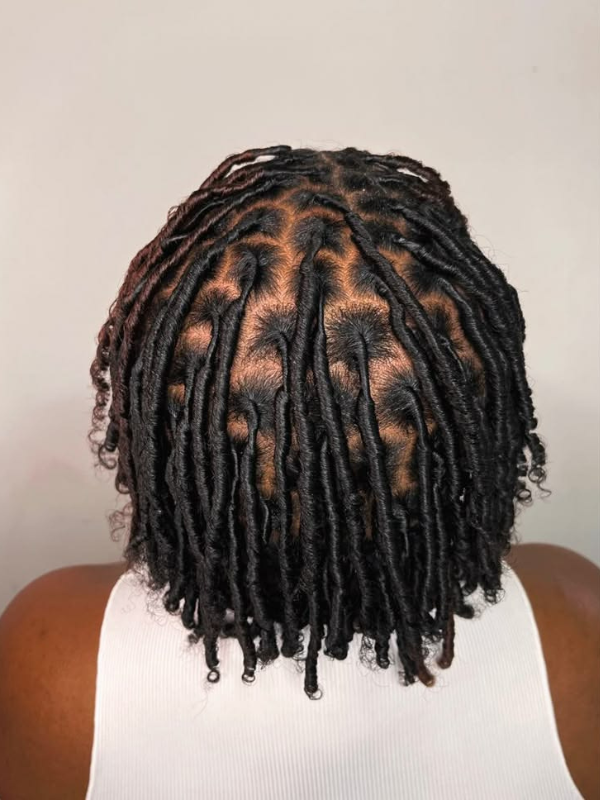
Locs form as hair strands become intertwined and develop a more compact structure over time. Unlike loose hair, they require a care routine that considers both the scalp and the locs themselves.
Your scalp produces natural oils, sheds skin cells, and collects sweat throughout the day. Dust and styling products can also accumulate around your roots and along your locs.
Because locs are compact, some product residue can be harder to remove than it is from loose hair. This makes regular cleansing and careful product selection important.
However, having locs does not mean you should avoid water or keep your scalp unwashed for long periods. Your hair and scalp still need appropriate cleansing.
The main difference is that you must learn how to clean your locs thoroughly while allowing them to dry properly.
The three foundations of a healthy loc routine
Cleanliness: Regular washing helps remove sweat, dirt, excess oil, and product residue. Your washing schedule should reflect your scalp condition, activity level, climate, and loc maturity.
Moisture: Water-based products and suitable moisturizing methods can help reduce dryness. The amount of moisture your hair needs may change with the weather and your routine.
Protection: Gentle styling, suitable nighttime coverings, and careful maintenance help reduce friction and unnecessary tension.
These three habits provide a useful starting point for Locs care for beginners. Once you understand them, you can decide which additional products or techniques are genuinely helpful.
You can also learn more about the changes that occur as locs develop in What Do Mature Locs Look Like? 11 Signs Your Locs Are Fully Mature.
Why you should keep your routine simple
It is easy to assume that healthy locs require many products. In reality, adding too many products can make your routine harder to manage.
For example, using several oils, creams, gels, and sprays at the same time may leave residue on your hair. It can also make it difficult to identify which product causes irritation or dryness.
Start with a suitable shampoo, a lightweight moisturizing option when needed, and a simple method of protecting your hair at night.
Observe how your scalp and locs respond before introducing anything else.
A simple routine is easier to maintain consistently. It also allows you to identify problems early and adjust your habits without changing everything at once.
How to Wash Your Locs Properly Without Causing Unnecessary Dryness
Choose a washing schedule that suits your scalp
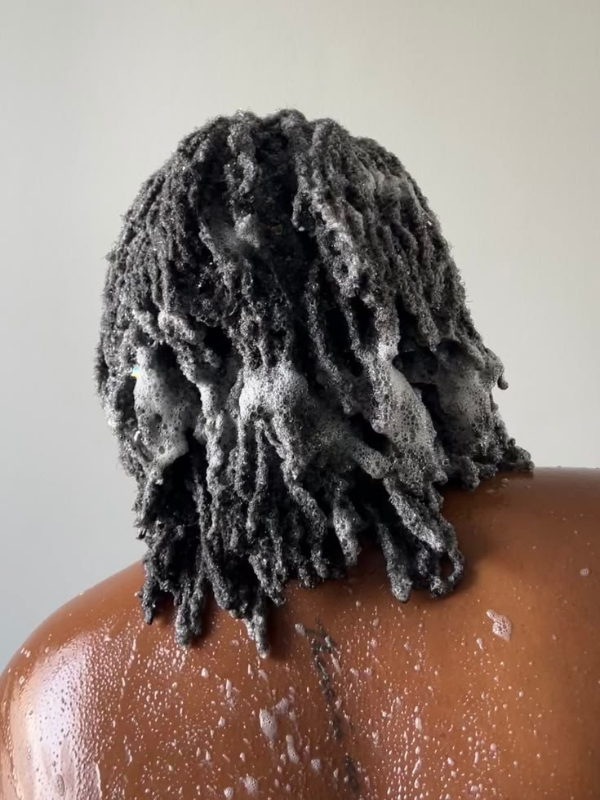
One of the most common questions about Locs care for beginners is how often to wash the hair.
There is no single schedule that works for everyone. Some people need to wash their locs more frequently because they exercise often, sweat heavily, or have an oily scalp. Others may need a different schedule because of their hair’s condition or installation method.
Your scalp provides useful clues. If it becomes uncomfortable, greasy, or noticeably dirty before your planned wash day, you may need to review your routine.
Starter locs require extra consideration because the hair is still forming. Ask your loctician when to begin washing and which method suits your installation.
Once your locs become more established, you can develop a regular washing routine based on your scalp’s needs.
Avoid delaying washing simply because you are worried about losing neatness. A clean scalp is an important part of maintaining healthy hair.
Select a suitable shampoo
A good loc shampoo should clean your scalp and hair without leaving excessive residue.
Look for a formula that rinses easily and suits your scalp condition. Some people prefer residue-conscious or clarifying shampoos because heavy product deposits can be difficult to remove from locs.
However, the right product depends on your needs. A very strong cleanser may be unnecessary for someone whose scalp is comfortable and whose hair has little buildup.
If you have dandruff or persistent scalp irritation, an appropriate treatment shampoo may be more useful than an ordinary cosmetic shampoo.
Avoid assuming that every product marketed for locs will automatically suit your hair.
When trying a new product, pay attention to changes in your scalp. Stop using it if it causes persistent burning, redness, or irritation.
Follow a gentle washing technique
Begin by thoroughly wetting your scalp and locs with lukewarm water.
Work in sections if your hair is thick or your locs are closely packed. This helps you reach the scalp rather than cleaning only the outside of the hair.
Apply shampoo according to the product instructions. Use the pads of your fingers to massage your scalp gently.
Avoid scratching with your fingernails. Scratching can irritate the skin and cause small injuries.
Allow the shampoo to clean the scalp and hair, then rinse thoroughly. If residue remains, review your technique and product choice rather than automatically adding more products.
Pay particular attention to the areas behind your ears, around your hairline, and at the nape of your neck.
These areas can collect sweat and product residue without being immediately noticeable.
For a more detailed explanation, read How to Do a Deep Cleanse for Locs: A Step-by-Step Guide.
Dry your locs completely after washing
Drying is an essential part of your washing routine.
Locs can retain water, particularly when they are thick or long. If they remain damp for extended periods, they may develop an unpleasant smell and become difficult to maintain.
After washing, gently squeeze excess water from your locs without twisting or pulling them aggressively.
Use a clean towel to absorb moisture. You can then allow your hair to dry in a well-ventilated area or use a suitable dryer according to its instructions.
Pay attention to the roots and the inner sections of your locs. The outside may feel dry while the inside remains damp.
Avoid covering wet locs tightly for long periods.
If your hair takes a long time to dry, consider whether your loc thickness, density, or drying method needs attention.
Good drying habits help keep your hair comfortable and reduce the risk of persistent dampness.
How to Moisturize Your Locs Without Creating Product Buildup
Understand the difference between moisture and oil
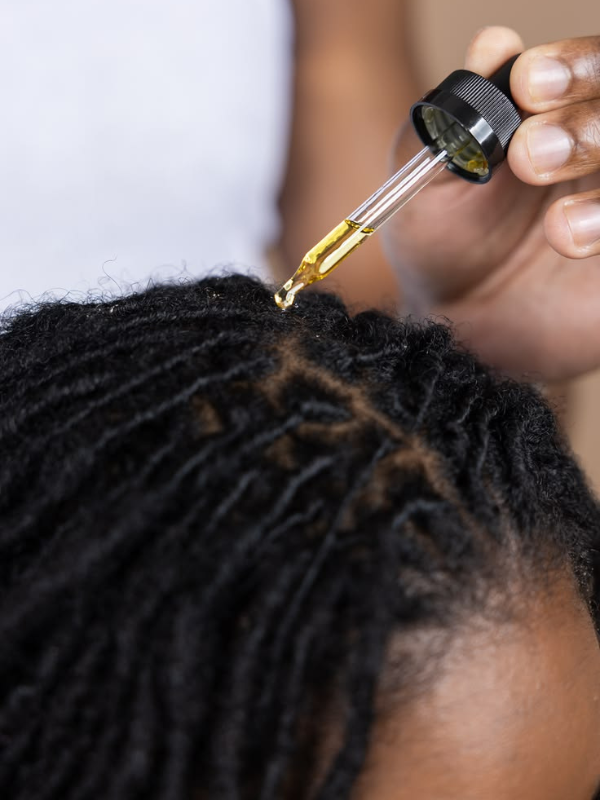
Moisture and oil are not the same thing.
Water provides hydration, while oils can help reduce moisture loss and change how your hair feels. Applying oil alone does not necessarily hydrate dry hair.
This distinction is important when learning Locs care for beginners because it helps you avoid relying on heavy oils to solve every dryness problem.
A lightweight, water-based spray may help your locs feel more comfortable when they become dry.
You can then decide whether a small amount of suitable oil is useful for your hair or scalp.
However, oil is not essential for everyone. Some people find that frequent oiling leaves their scalp greasy or creates buildup.
Pay attention to your hair’s response rather than following a routine simply because someone else uses it.
Choose lightweight moisturizing products
Look for moisturizing products that suit locs and can be used without leaving a heavy coating.
A lightweight water-based spray may be sufficient for many people. You may also find that plain water, applied appropriately, helps your locs feel less dry.
If you use a commercial moisturizing spray, check the ingredients and follow the directions.
Avoid applying thick layers of cream, wax, or butter without considering how they will rinse from your locs.
Some rich products can leave residue inside the compact structure of the hair. Over time, this residue may contribute to buildup.
You do not need to buy several sprays to find the right one. Start with a suitable option, use a modest amount, and observe the results.
If your scalp is sensitive, introduce new products cautiously.
Create a simple moisturizing routine
Start by checking how your locs feel. If they are comfortable and not unusually dry, you may not need to apply a product immediately.
When your hair needs moisture, lightly mist it with a suitable water-based product.
Apply the spray evenly rather than soaking your locs unnecessarily. You should not need to leave your hair dripping wet every time you moisturize.
Allow the hair to dry properly after application.
If you use oil, apply a small amount only when it suits your hair and scalp. Too much oil can leave your locs greasy without addressing the underlying cause of dryness.
Your moisturizing frequency may change with the weather, washing schedule, and maturity of your locs.
The goal is to establish a routine that keeps your hair comfortable without creating excessive residue.
Recognize signs that your locs may need more moisture
Dry locs may feel rough, stiff, or less flexible than usual. You may also notice increased breakage or a dull appearance.
However, these signs can have several causes. Product buildup, physical damage, and other hair-care problems may also affect how your locs feel.
If your hair feels coated, adding more moisturizer may not help. You may need to review your washing routine instead.
Likewise, a persistently itchy scalp is not always a sign that your hair needs more oil.
Check the condition of your scalp and consider whether a recent product change may be contributing to the problem.
For additional guidance, see What Really Causes Dandruff with Locs and How to Treat It.
Choosing the Right Products for Locs Care for Beginners
Build a basic loc-care product collection

You do not need an extensive collection to begin caring for your locs.
A simple routine may include a suitable shampoo, a lightweight moisturizing product when needed, a clean towel, and a satin or silk covering for nighttime protection.
You may also need a suitable scalp treatment if a healthcare professional recommends one for a particular condition.
Each product should have a clear purpose.
For example, shampoo cleanses the scalp and hair. A moisturizing spray can help with dryness. A satin covering helps reduce friction while you sleep.
Avoid purchasing products simply because they are popular online. Your hair may have different needs from the person recommending them.
As you gain experience, you can make informed decisions about which additional products are useful.
Be careful with heavy creams and waxes
Heavy creams and waxes can leave deposits that are difficult to remove from locs.
This does not mean every cream or styling product is unsuitable. The concern is how the product behaves on your hair and whether you can remove it effectively.
If a product leaves a sticky coating, attracts lint, or makes your locs feel greasy, consider reducing or stopping its use.
Do not keep adding more product to cover up residue.
Instead, review your cleansing routine and choose products that suit the structure of your locs.
You should also be cautious with homemade mixtures containing food ingredients. Small particles may become trapped in the hair and prove difficult to remove.
A straightforward product routine is often easier to maintain than one built around multiple heavy treatments.
Use essential oils carefully
Essential oils are often included in hair-care discussions, but they are concentrated substances that may irritate the skin.
Never assume that a natural ingredient is automatically safe for direct application to your scalp.
If you choose a product containing essential oils, follow its instructions and pay attention to how your skin responds.
Avoid applying concentrated essential oils directly to your scalp.
If you experience redness, burning, swelling, or persistent itching after using a product, stop using it and seek appropriate advice if the symptoms continue.
You do not need essential oils to maintain clean, moisturized locs.
A suitable shampoo, careful drying, and a consistent routine remain more important than adding multiple ingredients.
Avoid changing several products at once
When you introduce many new products together, it becomes difficult to know which one helps or causes a problem.
For example, if you begin using a new shampoo, oil, spray, and styling gel on the same day, you may struggle to identify the cause if your scalp becomes irritated.
Instead, introduce products gradually.
Give yourself time to observe whether your hair feels more comfortable and whether the product leaves residue.
Keep the products that serve a clear purpose and remove unnecessary ones from your routine.
This approach makes Locs care for beginners easier to understand and manage.
It also helps you spend your money on products that genuinely suit your hair rather than repeatedly buying items that offer little benefit.
How to Keep Starter Locs Healthy During the Early Stages
Understand why Starter locs need gentle care
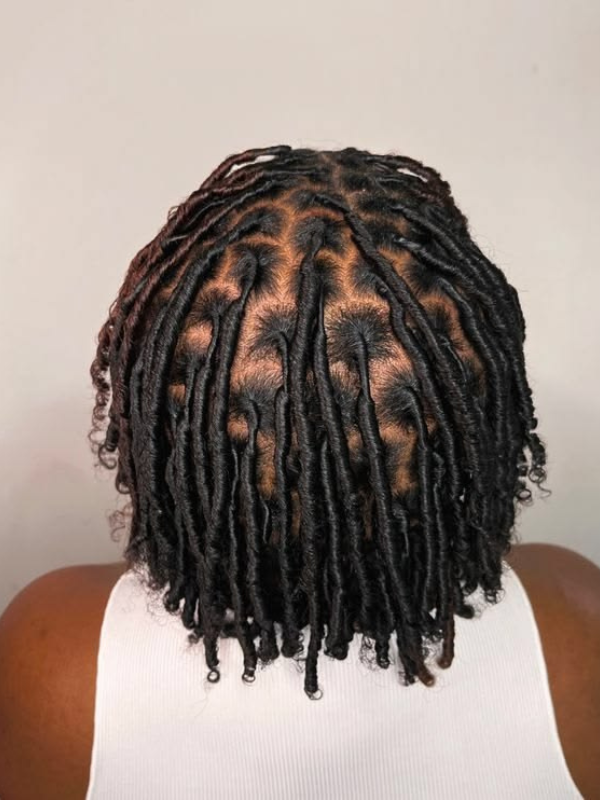
Starter locs are still developing their internal structure.
Depending on the installation method, they may be formed from comb coils, two-strand twists, braids, or another technique.
During this stage, the hair may loosen, become frizzy, or change shape as it begins to lock.
These changes are common and do not automatically indicate poor maintenance.
The most important thing is to avoid repeatedly disturbing the developing locs.
Constant twisting, pulling, and unnecessary styling may interfere with the way your hair is forming.
Choose a routine that keeps your scalp clean while respecting the needs of your installation method.
If you are unsure about washing or styling, consult the loctician who installed your hair.
Avoid unnecessary manipulation
It can be tempting to twist every loc whenever you notice frizz.
However, frizz is a normal part of many loc journeys. Trying to eliminate every loose hair can lead to excessive manipulation.
Instead, allow your locs to develop naturally between maintenance sessions.
Choose simple hairstyles that do not pull tightly at the roots.
Avoid repeatedly twisting your locs when they are dry or trying to reshape every section with styling products.
If one loc repeatedly unravels or appears damaged, ask your loctician how to manage it safely.
For more advice, read How to Style Starter Locs Without Unraveling or Weakening Them.
Follow stage-appropriate washing guidance
Starter locs still need appropriate cleansing, but the technique and timing may differ from those used for mature locs.
Ask your loctician when to wash your hair after installation and how to reduce unraveling during the process.
Some methods may need more careful handling than others.
When washing, avoid rubbing the locs aggressively or pulling at loose ends.
Use a suitable shampoo and rinse thoroughly. Then allow the hair to dry completely.
Do not avoid washing indefinitely because you are worried about disturbing your locs.
Your scalp still needs attention, and a suitable routine can be adapted to the stage of your hair.
If you experience persistent itching, irritation, or unusual buildup, review your routine instead of simply extending the time between washes.
Protect your locs while sleeping
Nighttime protection is a useful habit at every stage of the loc journey.
A suitable satin or silk bonnet, scarf, or pillowcase can reduce friction between your hair and bedding.
Less friction may help reduce unnecessary tangling and lint collection.
Choose a covering that fits comfortably. It should not pull at your hairline or press tightly against your scalp.
Make sure your locs are dry before covering them for the night.
If you sweat heavily while sleeping, wash your covering regularly and pay attention to your scalp’s condition.
You do not need an expensive accessory to begin. The important thing is to choose a clean, comfortable option that helps protect your hair.
Preventing Buildup, Odour, and Other Common Loc Problems
Understand how product buildup develops
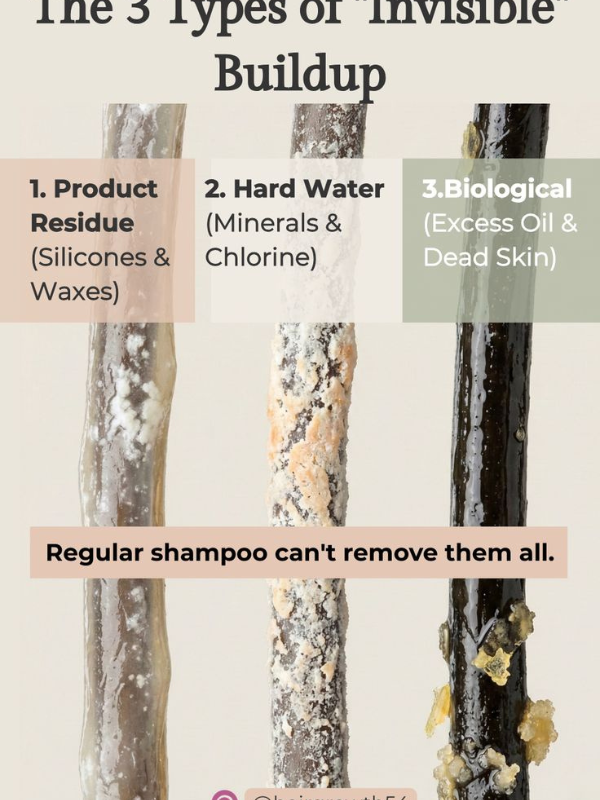
Product buildup occurs when residue accumulates on your hair or scalp.
It may come from styling gels, creams, waxes, heavy oils, or other products that are not removed effectively during washing.
Over time, this residue may make locs feel coated or look dull.
You might also notice particles attached to the hair or a sticky feeling around the roots.
The best approach is to prevent excessive buildup before it becomes difficult to remove.
Use suitable products sparingly, rinse thoroughly, and avoid applying fresh layers of product simply because your hair looks untidy.
If you suspect a buildup problem, consider whether your shampoo and washing technique are suitable for your locs.
You can learn more in How to Detox Your Locs at Home: A Step-by-Step Guide.
Keep your locs free from persistent odour
An unpleasant smell may develop when locs remain damp, collect residue, or are not cleansed adequately.
However, odour can have different causes, so do not assume that every smell means your locs are dirty.
Start by reviewing your washing and drying habits.
Make sure water reaches the scalp and that shampoo is rinsed out thoroughly.
After washing, allow your locs to dry completely. Pay attention to the roots and thicker sections, which may retain moisture for longer.
Clean your bonnet, scarf, pillowcase, and hair accessories regularly.
If an unpleasant smell continues despite appropriate washing and drying, or if you notice scalp pain, redness, or discharge, seek professional advice.
Avoid covering the smell with perfume or heavily fragranced products.
These products may irritate your scalp without addressing the cause.
Recognize dandruff and scalp irritation
White flakes can have several causes.
They may result from dandruff, dry scalp, product residue, or irritation from a hair-care product.
Because these conditions can look similar, it is important not to assume that every flake requires more oil.
If your scalp feels dry, review whether your shampoo is too harsh or whether a product is irritating your skin.
If the flakes continue returning, particularly with itching or redness, consider seeking advice from a healthcare professional.
Dandruff may require a suitable treatment shampoo rather than a change in moisturizer alone.
Avoid scratching your scalp aggressively. This can worsen irritation and damage the skin.
Healthy loc care includes looking after the scalp, not just improving the appearance of the hair.
Deal with frizz without over-retwisting
Frizz is common as locs develop.
Loose hairs may appear around the roots and along the locs, particularly after washing or during periods of new growth.
You do not need to retwist your hair every time you notice frizz.
Instead, consider whether your locs are due for their usual maintenance session.
If not, allow the hair to settle and avoid repeatedly manipulating the same sections.
Choose a gentle hairstyle if you want a more organised appearance between retwists.
If your roots are becoming thin or your scalp feels sore, avoid styles that increase tension.
For practical advice, read How to Fix Frizzy Locs Without Retwisting: Easy Tips That Work.
Protecting Your Locs From Breakage, Thinning, and Unnecessary Tension
Choose comfortable hairstyles
A hairstyle should not cause persistent pain or pulling.
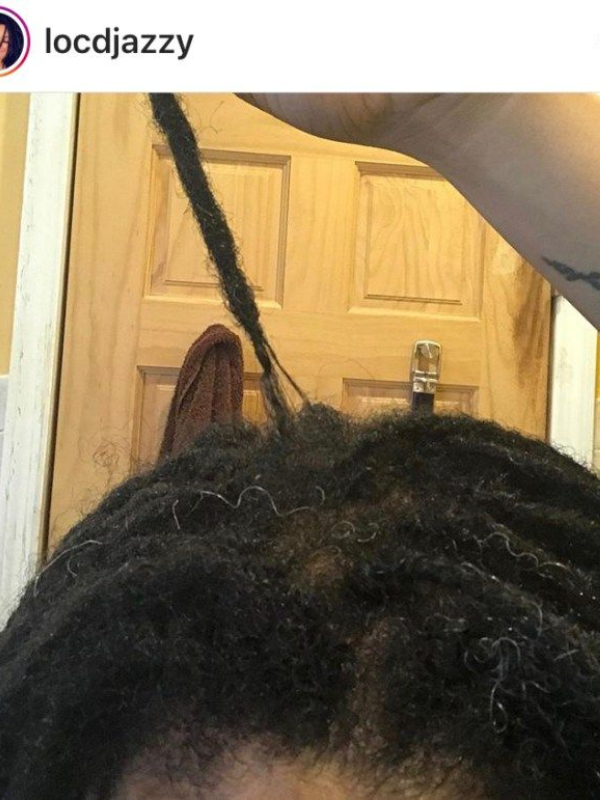
Tight ponytails, heavy buns, and styles that repeatedly pull the same sections can place unnecessary stress on your roots.
Over time, repeated tension may contribute to thinning, particularly around the hairline and other vulnerable areas.
Choose styles that allow your locs to move comfortably.
If your hair is too short to reach a particular position, do not stretch it to complete the look.
Instead, choose a loose style that works with your current length.
You should also give your hair breaks between styles that gather the locs tightly.
If a hairstyle leaves your scalp sore, remove it or loosen it rather than trying to tolerate the discomfort.
Understand the importance of gentle maintenance
Retwisting can help organise new growth, but frequent or overly tight maintenance may place unnecessary stress on your roots.
Your ideal maintenance schedule depends on your loc method, hair condition, and personal preferences.
There is no need to retwist every time your roots look less defined.
Some frizz and new growth are normal. Allowing your hair to develop between maintenance sessions may help reduce unnecessary manipulation.
When you do retwist, use a method suitable for your locs and avoid pulling the roots excessively.
If you are unsure how frequently to retwist, ask an experienced loctician to assess your hair.
The aim is to maintain your chosen loc structure without sacrificing comfort or scalp health.
Watch for signs of thinning
Healthy locs can change in size and appearance as they mature.
However, noticeable thinning at the roots, repeated breakage, or a loc becoming unusually weak deserves attention.
These changes may be associated with tension, damage, or other factors.
Avoid trying to solve thinning by repeatedly tightening the affected locs.
Instead, reduce tension and arrange a professional assessment.
If you also experience scalp pain, redness, or unusual hair loss, consider seeking advice from a healthcare professional.
Early attention may help you identify the cause and prevent further strain.
For more information, read Why Are My Locs Thinning at the Roots? 9 Causes and How to Fix Them.
Give your locs time to develop
The loc journey involves gradual changes.
Your hair may become thicker in some areas, develop budding, or show more frizz as the internal structure forms.
These changes are not always problems that need immediate correction.
Avoid comparing your progress with someone else’s loc journey. Different hair textures, installation methods, and maintenance habits can affect how locs develop.
Instead, observe your own hair over time.
Take occasional photographs if you want to track changes in length, thickness, or general appearance.
If something seems unusual, ask your loctician for guidance rather than making several changes at once.
Patience is an important part of Locs care for beginners because it helps you distinguish normal development from problems that need attention.
Building a Simple Daily, Weekly, and Monthly Loc Maintenance Routine
Your daily routine
Daily loc care should be simple for this Locs Care for Beginners.
Begin by checking your scalp and hair for discomfort, excessive dryness, or anything that may need attention.
If your locs feel dry, apply a small amount of a suitable water-based moisturizing spray. You do not need to moisturize repeatedly if your hair already feels comfortable.
Use your fingers to arrange your locs gently.
Avoid twisting every loc or trying to remove every stray hair.
If you exercise or sweat heavily, pay attention to your scalp and allow damp hair to dry appropriately.
At night, protect your hair with a suitable covering or pillowcase.
These small habits can help you maintain your locs without spending a long time on them each day.
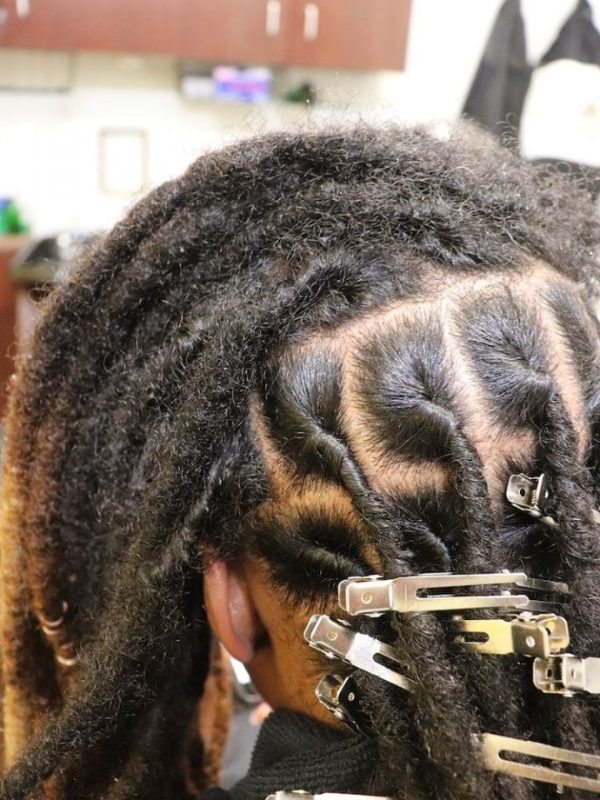
Your weekly routine
Your weekly routine for this Locs Care for Beginners can include checking your scalp, washing your nighttime covering, and reviewing the products you use.
Look for signs of buildup, irritation, or unusual dryness.
You can also check whether your hair needs washing based on your scalp condition and activity level.
Do not automatically wash or apply oil on a fixed day if your hair’s needs differ. Use your schedule as a guide, not a rule that ignores your scalp.
If you use accessories, clean them regularly and check that they are not damaging your locs.
A few minutes of observation can help you notice changes before they become more difficult to manage.
Your monthly routine
A monthly review can help you assess how your locs are developing in Locs Care for Beginners.
Look at the roots, ends, and overall thickness of your hair.
Consider whether your washing schedule is working and whether your products leave residue.
If you receive professional maintenance, discuss any concerns with your loctician.
You may want to review your routine after a change in weather, a new hairstyle, or a product change.
However, a monthly review does not mean you must retwist your locs or use a deep-cleansing treatment every month.
Choose maintenance based on your hair’s condition and the advice of a qualified professional.
Adjust your routine as your locs mature
Starter locs and mature locs do not always need the same care.
New locs may require more careful handling to reduce unraveling. Mature locs may tolerate a wider range of washing and styling methods.
Your scalp condition also matters.
For example, someone with frequent scalp sweating may need a different washing schedule from someone whose scalp stays comfortable for longer.
As your locs develop, continue observing how they respond to products, washing, and styling.
You do not need to keep following the exact routine you used during the first few weeks if your hair’s needs have changed.
A flexible routine is often more useful than a strict schedule that does not reflect your current hair condition.
Common Loc-Care Mistakes Beginners Should Avoid
Washing too infrequently
One common mistake in this Locs Care for Beginners is avoiding washing because you are afraid of disturbing your locs.
Although starter locs need stage-appropriate handling, your scalp still requires regular cleansing.
Waiting too long between washes may allow sweat, dirt, and product residue to accumulate.
Instead, follow a suitable washing routine based on your loc method, scalp condition, and activity level.
If you have starter locs, ask your loctician how to wash them safely.
Do not assume that keeping your hair dry for as long as possible will automatically make your locs healthier.
Using too many products
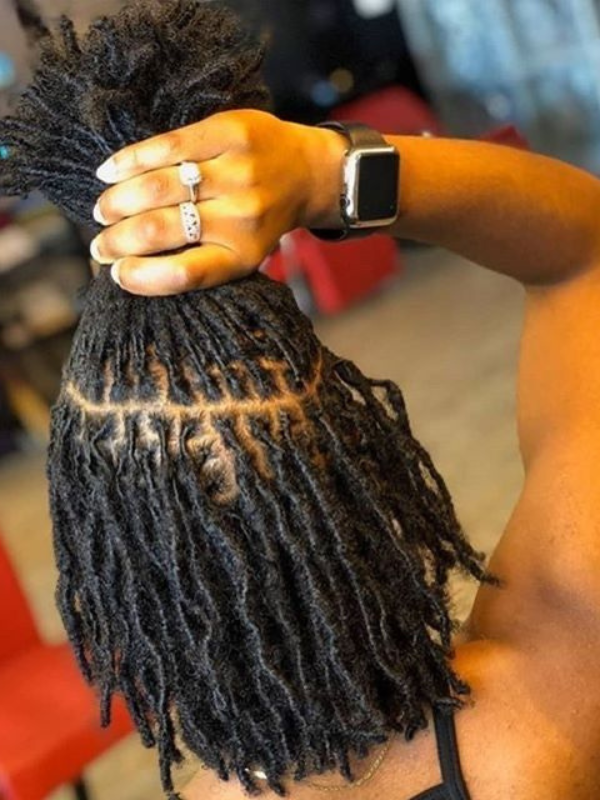
Another mistake is applying several products because your locs appear dry or frizzy.
Heavy oils and creams may create buildup rather than solve the problem.
Start by identifying what your hair needs.
If your locs feel dry, a lightweight water-based product may be useful. If they feel coated, review your cleansing routine instead.
Avoid layering products without understanding their purpose.
A smaller collection of suitable products can make your routine easier to manage.
Retwisting too often
Frequent retwisting may make the roots appear neat, but excessive tension can damage your hair.
You do not need to eliminate every sign of new growth.
Allow your locs to develop between maintenance sessions and choose styles that do not require constant manipulation.
If your roots are sore or your locs appear to be thinning, reconsider your maintenance technique.
A comfortable scalp is more important than maintaining a freshly retwisted appearance at all times.
Sleeping without protecting your hair
Friction from bedding can contribute to tangling, lint collection, and unnecessary wear.
A suitable satin or silk covering can help reduce friction while you sleep.
Make sure the covering fits comfortably and is kept clean.
You should also avoid covering wet locs tightly for extended periods.
Nighttime protection is a simple habit that can support your wider loc-care routine.
Ignoring changes in your scalp
Persistent itching, redness, pain, or unusual flaking should not be dismissed as normal parts of having locs.
These symptoms may have several causes, including irritation from products or a scalp condition that needs treatment.
Avoid applying more oil whenever your scalp feels uncomfortable.
Instead, review your products and washing habits. If symptoms persist, seek appropriate professional advice.
Caring for your scalp is just as important as caring for the visible length of your locs.
Frequently Asked Questions About Locs Care for Beginners
How often should beginners wash their locs?
The right washing frequency depends on your scalp, lifestyle, loc maturity, and installation method.
Starter locs may require a specific washing approach to reduce unraveling. More established locs can generally be washed according to the needs of the scalp and hair.
If you exercise frequently or sweat heavily, you may need to wash more often.
Ask your loctician for guidance if your locs are newly installed.
Can I moisturize my locs every day?
Some people benefit from frequent light moisturizing, while others need it less often.
Check how your hair feels rather than following a schedule that does not suit your needs.
If your locs feel comfortable, you may not need to apply a product.
If they feel dry, a lightweight water-based spray may help. Avoid soaking your hair unnecessarily or repeatedly applying heavy products.
Which oil is best for locs?
There is no single oil that suits everyone for this Locs Care for Beginners.
Some people prefer lightweight oils, while others find that their scalp feels better without frequent oil application.
Oil can help reduce moisture loss, but it does not replace water or proper cleansing.
Choose products based on your hair and scalp needs, and stop using anything that causes irritation.
Can I use conditioner on my locs?
Conditioner use depends on your loc maturity, product formula, and maintenance method.
Some products may leave residue or affect the structure of developing locs.
If you have starter locs, ask your loctician before using rich conditioners or deep-conditioning treatments.
For more established locs, choose products that suit locs and can be rinsed thoroughly.
Why do my locs feel dry after washing?
Dryness after washing may be related to the shampoo, water temperature, washing frequency, or your hair’s individual needs.
A harsh cleanser may leave your hair feeling uncomfortable.
Review your routine and consider whether a gentler product is appropriate.
If your locs feel coated rather than dry, product buildup may also be a factor.
How can I keep my locs smelling fresh?
Wash your locs appropriately, rinse thoroughly, and make sure they dry completely.
Clean your nighttime coverings and hair accessories regularly.
Avoid using perfume to cover persistent odour.
If your locs continue to smell unpleasant despite appropriate washing and drying, consider seeking professional advice.
Do I need a loctician to maintain my locs for this Locs Care for Beginners?
Not every part of loc care requires professional assistance.
You can manage many everyday tasks at home, including washing, light moisturizing, and nighttime protection.
However, a loctician can help with installation-specific questions, maintenance, and concerns about your loc structure.
If you notice persistent thinning, unusual breakage, or repeated unraveling, a professional assessment may be useful.
How long does it take for locs to mature?
Loc maturity varies with hair texture, installation method, maintenance, and individual growth patterns.
The process can take many months or longer.
During this time, you may notice frizz, budding, changes in thickness, and shifts in texture.
These changes are part of the journey for many people.
Rather than focusing on a fixed deadline, observe your hair’s development and maintain a suitable routine.
Conclusion on Locs Care for Beginners
Learning how to care for locs does not require a complicated routine. The most useful habits are regular cleansing, suitable moisturizing, thorough drying, gentle styling, and consistent scalp care.
As you become more familiar with your hair, you will learn which products work well and how often your locs need attention.
Remember that starter locs require different handling from mature locs. Give your hair time to develop, and avoid trying to control every change in texture or appearance.
You should also pay attention to the condition of your scalp. Persistent itching, redness, pain, unusual flaking, and thinning should not be ignored.
Most importantly, keep your routine practical. Use products for a clear purpose, avoid unnecessary buildup, and protect your hair from repeated tension.
With patience and consistent care, you can develop habits that support your locs throughout their journey.
Healthy locs are not about using the most products or achieving perfect neatness every day. They are about understanding your hair, caring for your scalp, and making thoughtful choices that work for you.