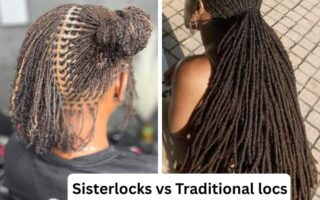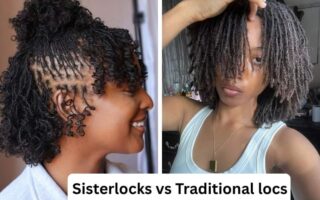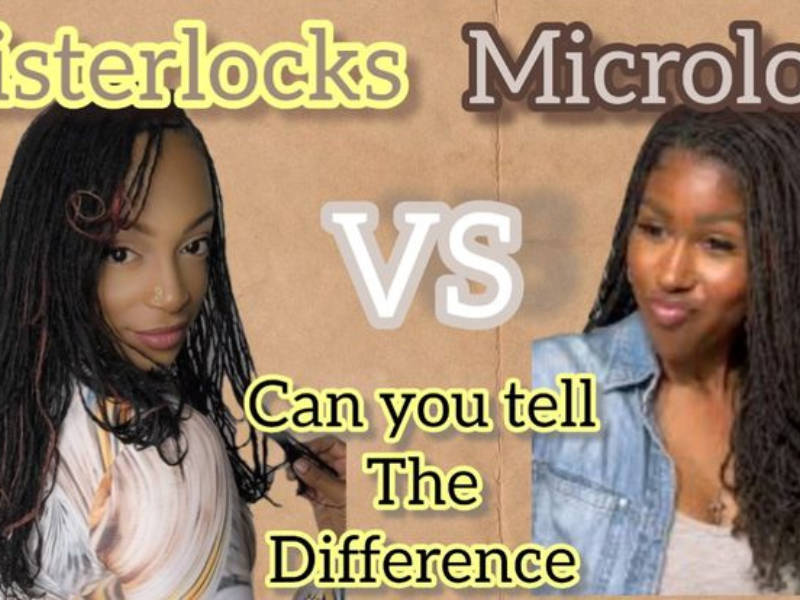
Choosing between Sisterlocks and microlocs can feel confusing, especially when both styles feature small, beautiful locs that offer plenty of styling possibilities. When researching Sisterlocks vs microlocs, you may notice that the two hairstyles look almost identical in some photographs. However, their installation systems, customization options, maintenance requirements, and costs can differ significantly.
Both options allow you to embrace your natural hair while enjoying the beauty and versatility of small locs. They can also suit different lifestyles, hair textures, and personal preferences. The best choice depends on what you want from your loc journey, how much time you can dedicate to maintenance, and the type of hairstyle you hope to enjoy in the years ahead.
One important distinction is that Sisterlocks are a specific, trademarked hair-locking system, while microlocs describe a broader category of small locs. Microlocs can be created using different installation techniques, including two-strand twists, braids, and interlocking. Sisterlocks, on the other hand, follow a specialized installation and maintenance system performed by trained consultants.
Understanding this difference can help you avoid choosing a hairstyle based on appearance alone. You should also consider your budget, the availability of qualified professionals, your preferred loc size, and your willingness to maintain your hair consistently.
In this guide, we will explore Sisterlocks vs microlocs in detail. You will learn what each style involves, how they differ, what to expect during installation, and which option may suit your hair goals. We will also discuss maintenance, styling versatility, hair health, and the questions you should ask before making your decision.
Even if you are beginning your first loc journey or considering a change from another hairstyle, this comparison will help you make a more informed choice.
Sisterlocks vs Microlocs: What’s the Difference and Which One Fits Your Hair Goals?
Understanding Sisterlocks and Microlocs Before Making Your Choice
What Are Sisterlocks?
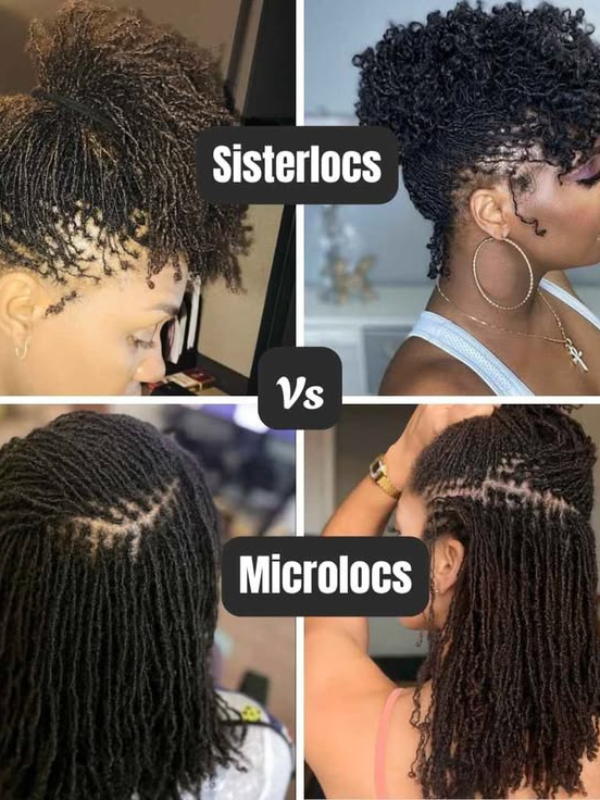
Sisterlocks are very small locs created through a specialized, trademarked system developed by Dr. JoAnne Cornwell in 1993. The system was designed to help people wear their natural hair in small, lightweight locs without relying on conventional twisting or the use of heavy products to establish the style.
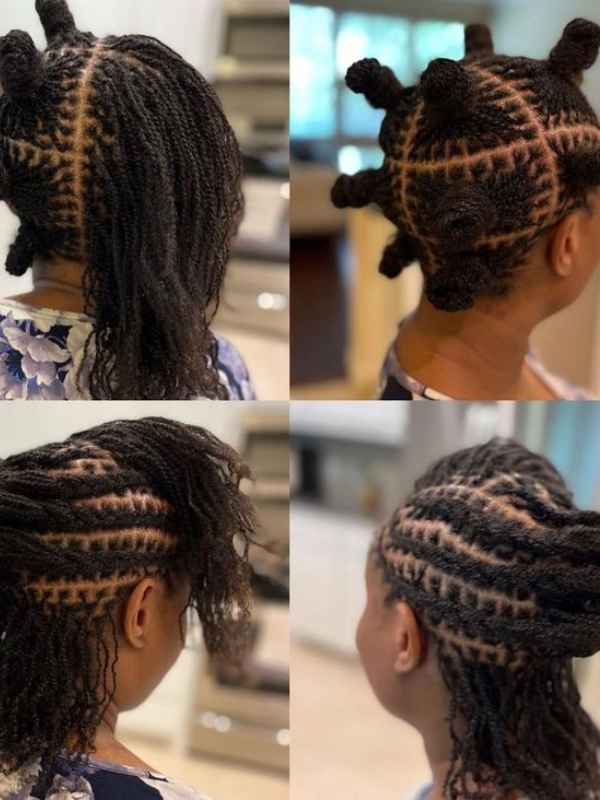
The installation process involves carefully sectioning the hair and using a specific interlocking technique to create the locs. The resulting pattern is designed to support a consistent appearance and allow considerable styling flexibility as the hair grows.
Sisterlocks are installed by trained Sisterlocks consultants who understand the system’s methods, sectioning patterns, and maintenance requirements.
The installation can take many hours because each loc is small and must be formed carefully. Depending on your hair’s length, density, and condition, the appointment may need to be divided into multiple sessions.
Sisterlocks are often appealing to people who want a large number of fine locs. Their small size can allow the hair to move freely and create hairstyles that might be more difficult with thicker locs.
However, the style requires a commitment to maintenance. Regular retightening helps manage new growth and preserve the structure of the locs.
Before choosing Sisterlocks, consider whether you can access a trained consultant and comfortably manage the ongoing cost of professional maintenance.
What Are Microlocs?
Microlocs are small locs that can be created using several installation techniques. Unlike Sisterlocks, microlocs do not depend on one specific branded installation system.
Depending on your hair characteristics and preferences, a loctician may establish microlocs using two-strand twists, braids, interlocking, or another suitable method.
This flexibility is one of their main advantages. You can discuss the loc size, parting pattern, installation technique, and maintenance approach with your loctician before beginning.
Microlocs can be suitable for people who want smaller locs than traditional locs but prefer more freedom when customizing their hairstyle.
For example, you might choose interlocked microlocs because you prefer that maintenance method. Alternatively, you may prefer two-strand twists because you like their initial appearance.
The term microlocs does not describe one universally standardized size. Different locticians may use the term somewhat differently, so it is important to discuss your desired result before installation.
The number of locs you receive will depend on your hair density, section size, and preferred overall look.
Microlocs also require ongoing care. Their small size does not eliminate the need for appropriate washing, maintenance, and gentle styling.
Why the Difference Matters When You Compare the Two Styles [Sisterlocks vs Microlocs]
The main distinction in Sisterlocks vs microlocs is not simply how small the locs appear.
Sisterlocks follow a defined branded system. Microlocs offer a broader category with several installation and maintenance options.
This distinction affects your choices before and after installation.
With Sisterlocks, you are choosing a particular system and its associated requirements. With microlocs, you generally have more freedom to select the technique that suits your preferences.
Neither option is automatically better.
The right choice depends on whether you value a specialized installation system or greater customization.
You should also consider the professional support available in your area. If trained Sisterlocks consultants are difficult to access, professionally installed microlocs may offer a more practical alternative.
Before making a final decision, research the installation process, ask about maintenance, and discuss your long-term hair goals with an experienced professional.
For another perspective on loc selection, read How to Choose Between Sisterlocks vs Traditional Locs. Although traditional locs differ from microlocs, understanding the options can help you decide which characteristics matter most to you.
Sisterlocks vs Microlocs: The Main Differences You Should Understand

Installation Method and the System Used to Create the Sisterlocks vs Microlocs
The installation method is one of the clearest differences between these hairstyles.
Sisterlocks are established through a specific interlocking system. The consultant follows the system’s techniques and sectioning approach to create the individual locs.
Microlocs can be installed through several methods. Depending on your hair, you might choose two-strand twists, braids, or interlocking.
This flexibility means that two people with microlocs may have very different installation experiences.
For instance, someone with interlocked microlocs may have a different initial appearance and maintenance routine from someone whose microlocs began as two-strand twists.
The installation technique can also influence how the locs behave during their early stages.
Some methods require extra care to prevent unraveling. Others establish a more secure structure from the beginning, although every method still needs appropriate maintenance.
When comparing Sisterlocks vs microlocs, ask your prospective loctician to explain the exact method they intend to use.
Do not rely on the hairstyle’s name alone.
Understanding the technique will help you know what to expect during installation, how to care for your hair afterward, and which maintenance appointments you may need.
Size, Density, and Overall Appearance
Both Sisterlocks and microlocs are small-loc styles, but their size and appearance can vary.
Sisterlocks follow a specialized system designed to create a consistent arrangement of small locs.
Microlocs offer more freedom in choosing the size and parting pattern. Your loctician can help you select a configuration that suits your hair density and styling preferences.
Smaller locs can create a lightweight appearance and offer considerable styling flexibility. However, very small sections also mean that more individual locs may need attention during maintenance.
Larger microlocs may create a fuller-looking result and require fewer individual sections to maintain, although the actual maintenance workload depends on the technique and condition of the hair.
It is important to distinguish between loc size and hair density.
Someone with dense hair may have many locs, while someone with lower density may have fewer. Two people with similar-looking locs may therefore have very different total loc counts.
Before installation, discuss the appearance you want rather than requesting a particular number without considering your hair.
Your loctician can explain how the sectioning pattern may influence the finished style.
Parting Patterns and Customization Options
Parting patterns determine how the hair is divided before the locs are established.
They influence the distribution of locs across your scalp and can affect the overall appearance of your hairstyle.
Sisterlocks follow a specialized grid system. This helps maintain the structure and consistency associated with the branded method.
Microlocs allow more customization. Depending on the technique and your preferences, you may be able to choose square, rectangular, diamond, or other suitable parting patterns.
The best pattern depends on your desired loc size, hair density, and preferred appearance.
For example, someone who wants a carefully organized layout may prefer a structured pattern. Another person may prioritize a different arrangement based on how they want their hair to fall.
However, customization should not come at the expense of hair health. Sections must be appropriate for the amount and condition of the hair in each area.
If the sections are too small for your hair’s density or strength, some locs may become vulnerable to thinning or breakage.
To understand how parting choices influence your loc journey, explore How to Choose the Best Parting Pattern for Locs.
Styling Versatility for Sisterlocks vs Microlocs and the Hairstyles You Can Create
Styling versatility is another important consideration when comparing Sisterlocks vs microlocs.
Both styles can offer many possibilities, especially as the locs gain length.
You may be able to wear your hair loose, create ponytails, try half-up styles, or arrange your locs into buns and updos.
The exact options depend on your hair length, loc size, flexibility, and maturity.
Sisterlocks are often valued for their small size, which can make certain intricate hairstyles easier to create.
Microlocs can also offer excellent versatility. However, the range of styles depends partly on how small the locs are and how they were installed.
For example, smaller microlocs may allow more intricate arrangements than larger ones.
You should also consider whether you enjoy changing your hairstyle frequently.
If you prefer simple everyday looks, both options may work well. If you want to experiment with elaborate hairstyles, ask your consultant how your preferred loc size might affect those possibilities.
Remember that versatility should never require excessive tension. A hairstyle should not cause pain or repeatedly pull on your roots.
Installation Time and What Happens During Your First Appointment [Sisterlocks vs Microlocs]
How Long Does Sisterlocks Installation Take?
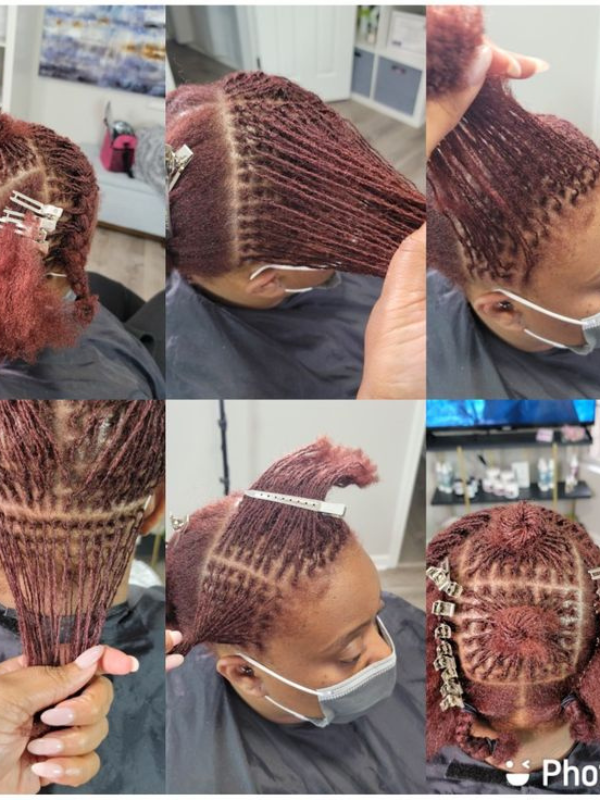
Sisterlocks installation can take many hours because the consultant must create numerous small locs using a detailed technique.
The actual duration depends on your hair’s length, density, condition, and the number of locs being established.
Some appointments take most of a day, while others may require multiple sessions.
Your consultant should explain the expected duration during the consultation.
The process may also include a discussion about your hair history, preferred appearance, and maintenance expectations.
Because the installation requires considerable precision, it is important to allow enough time rather than rushing the appointment.
You may also need follow-up maintenance after installation. Ask about the recommended schedule before you begin.
How Long Does Microlocs Installation Take?
Microlocs installation time varies according to the technique used.
Two-strand twists and braids may involve a different process from interlocking. The total time also depends on your hair’s length, density, and chosen loc size.
Smaller sections generally require more individual work, so a head of very fine microlocs may take many hours to complete.
Your loctician should assess your hair and provide a realistic estimate.
If you are choosing microlocs because you want to reduce the initial cost or installation time, remember that the method still needs to be suitable for your hair.
A faster installation is not necessarily a better one.
The goal is to establish locs that suit your preferences while protecting your scalp and hair.
How to Prepare for Your Installation Appointment
Preparing for installation can make the experience more comfortable.
Begin by following your loctician’s instructions for cleansing and preparing your hair. Avoid using heavy products immediately before the appointment unless your professional recommends them.
Bring reference photographs that show the loc size and appearance you prefer.
However, understand that your hair may not look exactly like the examples. Texture, density, and length influence the final result.
You should also ask about the maintenance process before committing.
Useful questions include:
- How long will installation take?
- Which technique will be used?
- How much will the appointment cost?
- When will the first maintenance appointment be?
- How should I wash my hair afterward?
- Which products should I avoid?
- What styling options will be suitable during the early stages?
Clear answers will help you begin your loc journey with realistic expectations.
If you are interested in starting withsisterlocks on shorter hair, read How to Start Sisterlocks on Short Hair: A Beginner’s Guide
Sisterlocks vs Microlocs: Comparing the Initial and Long-Term Costs
Understanding the Initial Installation Cost
Cost is often a major factor when choosing between Sisterlocks and microlocs.
Sisterlocks can require a higher initial investment because the installation follows a specialized system and involves detailed work.
The consultant’s training, appointment duration, hair density, and location can influence the price.
Microlocs can offer more flexibility in installation costs because the technique and size can vary.
However, microlocs are not automatically inexpensive. A full head of very small locs can still require many hours of work.
The price also depends on the experience of the loctician and the condition of your hair.
When comparing quotations, ask what is included.
One appointment may include a consultation and follow-up service, while another price may cover installation alone.
Comparing the full service rather than the headline price will give you a clearer picture.
Budgeting for Ongoing Maintenance
Installation is only one part of the financial commitment.
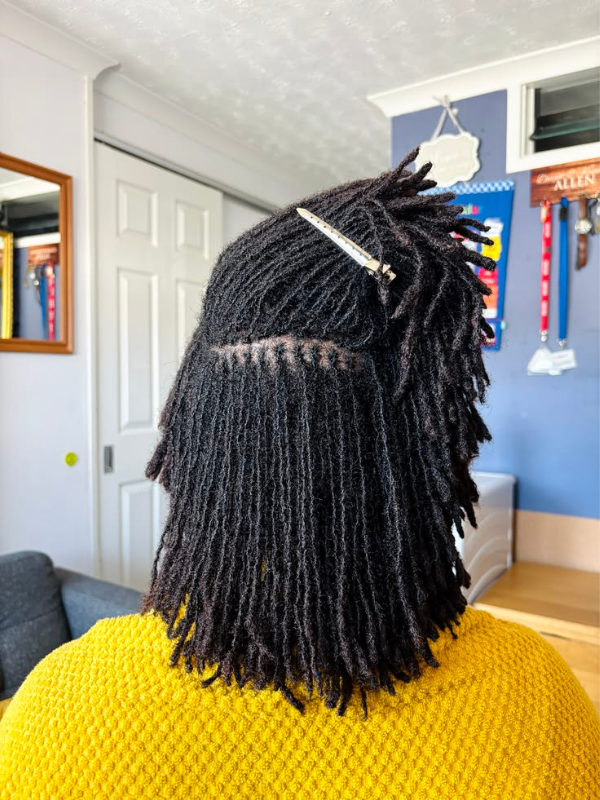
Both Sisterlocks and microlocs require ongoing care to manage new growth and maintain the structure of the locs.
Sisterlocks typically involve scheduled retightening. The recommended interval depends on your hair, the stage of your loc journey, and your consultant’s assessment.
Microlocs also need maintenance, but the exact method and schedule depend on how they were installed.
Some people return to a loctician for maintenance, while others learn to manage certain tasks themselves.
However, learning a maintenance technique requires proper guidance. Incorrect interlocking or excessive tension can weaken the locs.
Before deciding, estimate the cost of several maintenance appointments rather than considering installation alone.
Also, ask whether your preferred professional has experience maintaining your chosen style.
How to Choose a Style That Fits Your Budget
Start by deciding how much you can comfortably spend on installation and ongoing care.
Then compare the options available in your area.
If you choose Sisterlocks, include the cost of working with a trained consultant and attending recommended maintenance appointments.
If you choose microlocs, ask about the price of your preferred installation technique and the maintenance method that will follow.
Do not assume that choosing microlocs means you must maintain them yourself.
Professional maintenance may still be useful, especially during the early stages.
Similarly, do not assume that Sisterlocks are automatically beyond your budget. Prices vary, and a consultation can help you understand the actual commitment.
The best option is one you can maintain consistently without placing unnecessary financial pressure on yourself.
Maintenance Requirements and Your Everyday Hair-Care Routine for Sisterlocks vs Microlocs

How Sisterlocks Are Maintained
Sisterlocks are generally maintained through retightening rather than conventional palm rolling or repeated root twisting.
During retightening, the new growth is incorporated into the loc using the appropriate technique.
Your consultant will recommend a maintenance schedule based on your hair and the stage of your loc journey.
Following that schedule helps maintain the structure of the locs and prevents excessive new growth from becoming difficult to manage.
However, retightening must be performed carefully.
Repeatedly tightening the same area or applying excessive tension can weaken the roots.
If your scalp feels painful or your locs begin to thin, do not ignore the problem.
Discuss your concerns with your consultant and seek professional advice when necessary.
Sisterlocks also need regular cleansing and general scalp care.
Their small size does not mean they should be neglected between appointments.
How Microlocs Are Maintained
Microlocs can be maintained using different techniques, depending on how they were installed.
Interlocked microlocs may require retightening, while other methods may involve a different approach.
The schedule depends on your hair growth, loc structure, and maintenance technique.
If your microlocs were started with two-strand twists, for example, the early stages may require special care to reduce unraveling.
Your loctician can explain how to wash and maintain your particular installation.
You should also avoid repeatedly manipulating your locs to keep them looking freshly maintained.
Frequent tightening can place stress on the roots, particularly when the hair is fine or fragile.
A good maintenance routine should balance neatness with scalp comfort and hair health.
Which Style Requires Less Daily Maintenance?
The answer depends on what you mean by maintenance.
Both styles can reduce the need for daily detangling and conventional loose-hair styling.
However, neither option is maintenance-free.
Sisterlocks require a specialized maintenance system, while microlocs can follow different routines depending on the installation method.
Your daily routine may be relatively simple with either style. You may only need to protect your hair while sleeping, keep your scalp clean, and choose suitable styling options.
The larger time commitment often comes from scheduled maintenance rather than daily styling.
If you want to reduce the amount of time you spend managing your hair, discuss your lifestyle with your loctician.
Consider your work schedule, exercise routine, travel plans, and willingness to attend appointments.
The most suitable style is one whose maintenance requirements fit your everyday life.
Choosing Between Sisterlocks vs Microlocs for Your Hair Texture
Are Sisterlocks Suitable for Different Hair Textures?
Sisterlocks can work with different natural hair textures, but suitability should be assessed individually.
Your consultant should examine your hair’s texture, density, length, and condition before recommending installation.
The way your hair responds to the locking technique matters more than a broad label describing your curl pattern.
For example, two people with tightly coiled hair may have different strand thicknesses and hair densities.
These differences can influence the appropriate section size and the way the locs develop.
If your hair is fragile, chemically treated, or experiencing breakage, discuss these concerns during the consultation.
Your consultant should help you understand whether the system is suitable and what precautions may be needed.
Avoid assuming that every hair type will produce the same result.
Are Microlocs Suitable for Different Hair Textures?
Microlocs can be created on different hair textures, but the most appropriate installation method may vary.
Tightly coiled hair may respond well to certain techniques, while hair with a looser curl pattern may require a different approach to establish and maintain the locs.
Hair length also matters.
Some methods need enough length to create secure twists or braids. Others may be suitable for shorter hair when performed correctly.
Your loctician should consider these factors before choosing a technique.
Microlocs offer flexibility, but that does not mean every method is suitable for every person.
The goal is to find a technique that works with your natural hair rather than forcing your hair into a pattern it cannot maintain comfortably.
What If Your Hair Is Fine or Fragile?
Fine strands and fragile hair require careful handling.
Both Sisterlocks and microlocs involve many small sections, so the amount of hair assigned to each loc is important.
Sections that are too small for your hair’s density may be vulnerable to thinning or breakage.
At the same time, choosing a loc size that is too large for your desired appearance may not give you the result you want.
This is why a professional assessment is important.
Your loctician should examine the strength of your hair and recommend suitable section sizes.
Avoid choosing extremely small locs simply because they look attractive in photographs.
The best size is one that balances your styling preferences with the condition and density of your hair.
How Sisterlocks vs Microlocs Change as They Mature
What to Expect During the Early Stages
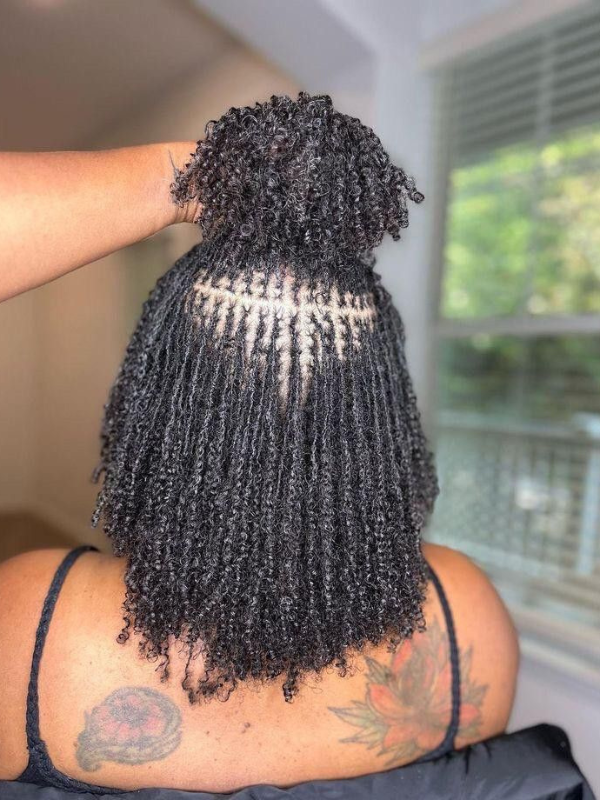
Newly established locs can look different from mature locs.
Depending on the installation method, you may notice frizz, changes in texture, loose ends, or differences between individual sections.
These changes do not automatically mean that something has gone wrong.
Your hair needs time to develop its loc structure.
The exact process depends on your natural texture, installation technique, and maintenance habits.
Sisterlocks follow a specific system, while microlocs can begin through several methods. As a result, their early appearance may differ.
Avoid comparing your progress too closely with someone else’s.
Instead, follow the recommended care routine and ask your loctician about changes that concern you.
How the Locs Develop Over Time
As locs mature, their structure can become more established.
Some sections may become more compact, while others retain a softer or more textured appearance for longer.
The timing varies between individuals.
Loc size, hair texture, and installation method all influence the process.
It is also important to understand that length and maturity are different things.
Your hair can grow longer while the locs continue to develop.
Likewise, some shorter locs may have a more established structure than longer ones.
Patience is essential with both Sisterlocks and microlocs.
For more information about the signs of maturity, explore What Do Mature Locs Look Like? 11 Signs Your Locs Are Fully Mature.
Does One Style Mature Faster Than the Other?
There is no universal rule that one style always matures faster.
The installation method can influence the initial structure, but the overall process depends on your hair and maintenance routine.
For example, interlocked microlocs and microlocs started with two-strand twists may look different during the early stages.
Sisterlocks also follow a specialized method that affects their initial structure.
However, the appearance of a loc immediately after installation does not necessarily tell you how quickly it will mature.
Avoid choosing a style based solely on promises of faster results.
Instead, ask your consultant what to expect from the specific technique they recommend.
Styling Versatility in Sisterlocks vs Microlocs: Which Option Offers More Freedom?
Everyday Hairstyles for Sisterlocks
Sisterlocks can offer a wide range of styling possibilities because of their small size.
Depending on your hair length, you may be able to wear ponytails, half-up styles, buns, curls, or more intricate updos.
The locs can also create a lightweight appearance that allows the hair to move naturally.
However, not every style will be suitable immediately after installation.
New locs need time to develop, and excessive manipulation may disturb their structure.
Choose comfortable hairstyles that do not place unnecessary tension on your roots.
As your hair grows, you can explore additional options with guidance from your consultant.
Everyday Hairstyles for Microlocs
Microlocs can also be styled in many ways.
Your options depend on the size of your locs, their length, and the technique used to establish them.
Small microlocs may allow intricate arrangements, while slightly larger ones may create a fuller appearance.
You can wear your locs loose, gather them into a ponytail, or try simple updos when the length allows.
Accessories can also change the appearance of your hairstyle without requiring major manipulation.
If you enjoy changing your look, discuss your preferred styles before installation.
Your loctician can help you understand how your chosen loc size may affect your styling options.
Which Option Is Better for Elaborate Hairstyles?
Neither style is automatically better for every elaborate hairstyle.
Sisterlocks may be particularly appealing if you want very small locs that can be arranged into detailed styles.
Microlocs can offer similar versatility, especially when their size and length suit the hairstyles you prefer.
The deciding factors include loc thickness, length, flexibility, and the way the locs were installed.
If you want to wear intricate updos for weddings or other special events, show your consultant examples before beginning.
However, remember that a hairstyle should never require excessive tension.
If you want ideas for different loc arrangements, read How to Style Medium Length Locs.
Hair Health, Scalp Comfort, and Preventing Damage
Why Installation Technique Matters for Hair Health
A suitable installation technique should support the structure of your locs without placing unnecessary tension on your scalp.
Both Sisterlocks and microlocs require careful sectioning and appropriate handling.
The skill of the person installing your locs matters.
If sections are too small for your hair density, or the installation is excessively tight, individual locs may become vulnerable to thinning.
The same concerns apply when maintenance is performed too aggressively.
You should not experience significant pain during installation or maintenance.
If your scalp feels uncomfortable, tell your stylist immediately.
A beautiful hairstyle should not come at the expense of your hair’s condition.
How to Protect Your Roots Between Appointments
Your roots need gentle handling throughout your loc journey.
Avoid repeatedly tightening your locs to maintain a freshly installed appearance.
Choose hairstyles that distribute weight comfortably and avoid pulling tightly on the hairline.
Protecting your locs while sleeping can also help reduce friction.
A comfortable satin or silk covering may be useful, provided it does not pull on your edges.
Keep your scalp clean and follow a maintenance routine suited to your installation method.
If you notice persistent thinning or breakage, seek professional guidance rather than trying to correct the problem by tightening the locs.
For more information, read Why Are My Locs Thinning at the Roots? 9 Causes and How to Fix Them.
Why Scalp Cleanliness Matters for Both Styles
Sisterlocks and microlocs both need regular cleansing.
Sweat, dirt, natural oils, and styling products can accumulate on your scalp and hair.
A suitable washing routine helps remove residue and keeps your scalp comfortable.
However, the way you wash newly installed locs may differ from the method you use once they become more established.
Follow your consultant’s instructions, particularly during the early stages.
Avoid using heavy products in an attempt to keep the locs smooth or shiny.
If you notice persistent itching, redness, or unusual flaking, consider whether your products or scalp condition may be contributing to the problem.
For additional guidance, read How to Do a Deep Cleanse for Locs: A Step-by-Step Guide.
Choosing a Professional Who Understands Your Preferred Style
Finding a Qualified Sisterlocks Consultant
If you choose Sisterlocks, look for a consultant trained in the official system.
The installation requires specific knowledge of sectioning, the locking technique, and the maintenance process.
During your consultation, ask about the installation procedure and the support available after your appointment.
You should also discuss your hair history, preferred loc size, and long-term styling goals.
A good consultant will explain what the system involves and help you understand whether it suits your hair.
Do not feel pressured to make a decision before your questions have been answered.
Taking time to understand the process can help you begin with greater confidence.
Finding an Experienced Microlocs Loctician
Because microlocs can be established through different techniques, experience with your preferred method is especially important.
Ask the loctician which installation method they recommend and why.
Find out how the method affects the appearance, maintenance, and development of the locs.
You can also ask to see examples of previous work, particularly on hair with characteristics similar to yours.
Discuss the maintenance schedule before installation.
If you plan to maintain your locs at home eventually, ask what training or professional support you may need.
A skilled loctician should help you understand the advantages and limitations of your chosen technique.
Questions to Ask Before Booking Your Appointment
Before making a commitment, prepare a list of questions.
Ask how much the installation costs, how long it will take, and which maintenance appointments you should expect.
You should also discuss the condition of your hair and whether the proposed section size is suitable.
If you are comparing Sisterlocks vs microlocs, ask the professional to explain the differences between the two options rather than assuming they are interchangeable.
You may also want to discuss how your hair will look during the early stages.
Clear information can help you choose a style that suits your budget, lifestyle, and expectations.
You can also explore Beautiful Loc Styles for Special Occasions That Will Make You Stand Out for additional styling ideas.
Common Mistakes to Avoid When Choosing Between Sisterlocks and Microlocs
Choosing Based Only on Photographs
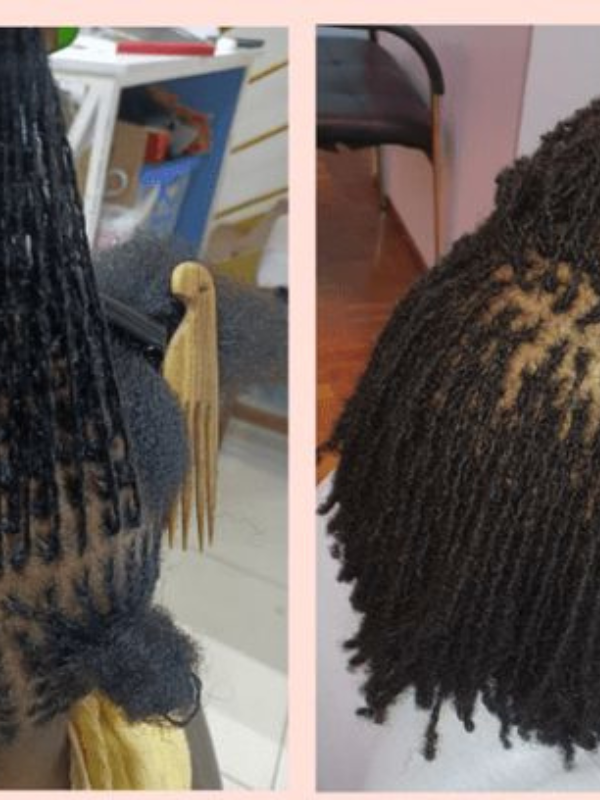
Photographs can help you identify the appearance you prefer, but they do not show every detail of a loc journey.
A photograph may not reveal the installation method, maintenance schedule, or amount of time required to achieve the finished look.
Two styles can appear similar while following very different systems.
Before choosing, learn how the locs were created and maintained.
Ask your consultant whether the result is realistic for your hair characteristics.
This will help you avoid disappointment and make a decision based on more than appearance alone.
Assuming Microlocs Are Always Cheaper
Microlocs offer flexibility in installation methods, but that does not guarantee a lower total cost.
Very small locs can take considerable time to install and maintain.
Your final expense depends on the technique, hair density, stylist’s experience, and maintenance schedule.
Compare the full cost of each option before deciding.
Expecting Either Style to Be Maintenance-Free
Both Sisterlocks and microlocs require consistent care.
You will need to maintain scalp cleanliness, protect your hair, and attend suitable maintenance appointments.
The methods may differ, but neither style eliminates the need for regular attention.
Choose the option whose maintenance requirements fit your lifestyle.
Ignoring Your Hair’s Condition
Your preferred appearance should not be the only factor guiding your decision.
Consider your hair’s density, strength, and current condition.
If your hair is fragile or experiencing breakage, discuss this with a qualified professional before installation.
Choosing an unsuitable section size or applying excessive tension can create problems later.
A careful consultation is an important part of protecting your hair.
Rushing Into a Long-Term Decision
Starting locs is a significant commitment.
Before choosing, think about your preferred appearance, budget, maintenance routine, and access to professional support.
You should also consider whether you want a specialized branded system or a more customizable approach.
There is no need to make the decision simply because a particular style is popular.
Take time to understand the options and choose the one that suits your needs.
How to Decide Which Style Fits Your Hair Goals [Sisterlocks vs Microlocs]

Choose Sisterlocks if You Prefer a Specialized System
Sisterlocks may suit you if you want very small locs created through a defined installation system.
They can be appealing if you value a consistent parting arrangement and want access to the styling options associated with small locs.
However, you should be comfortable with the system’s installation process and ongoing maintenance requirements.
Access to a trained consultant is another important consideration.
If these factors fit your expectations, Sisterlocks may be worth exploring.
Choose Microlocs if You Want More Customization
Microlocs may suit you if you want small locs but prefer more freedom in choosing the installation technique.
You can discuss different methods with your loctician and select an approach that suits your hair characteristics and preferred appearance.
This flexibility can be useful if you have specific preferences about parting patterns, loc size, or maintenance.
However, you should still choose a skilled professional and follow a suitable maintenance routine.
Consider Your Lifestyle Before Making the Final Choice
Your lifestyle can influence how satisfied you feel with your locs.
Think about how often you can attend appointments, how much you can spend on maintenance, and whether you prefer a specialized system or a more flexible approach.
Consider your styling habits as well.
If you like experimenting with different hairstyles, discuss your goals with your consultant before installation.
If you prefer a simple routine, ask which method is likely to be easiest for you to maintain.
Your decision should reflect your everyday needs rather than trends alone.
Caring for Your Locs After Installation
Establish a Consistent Washing Routine
Regular cleansing helps keep your scalp comfortable and removes accumulated residue.
The timing and technique depend on how your locs were installed and how recently the installation took place.
Follow your professional’s guidance, especially during the early stages.
Avoid rough handling or excessive manipulation when washing.
Once your locs are established, continue using a routine that supports scalp cleanliness without leaving unnecessary residue.
Avoid Heavy Product Buildup
Using too many products can make loc maintenance more difficult.
Heavy creams, waxes, and gels may leave residue that accumulates over time.
Choose products according to your hair’s needs rather than layering them to create a particular appearance.
If your scalp feels dry, consider whether your routine needs adjusting instead of automatically applying more oil.
Your consultant can recommend a suitable approach.
Protect Your Hair While Sleeping
Friction from bedding can disturb your hair and contribute to breakage.
A comfortable satin or silk bonnet, scarf, or pillowcase can help reduce friction.
Choose a covering that fits properly and does not pull on your hairline.
This simple habit can support both Sisterlocks and microlocs without adding unnecessary complexity to your routine.
Maintain Your Locs Without Excessive Tension
Follow the maintenance schedule recommended for your installation method.
Avoid tightening the roots simply because you want your hair to look freshly maintained.
Repeated tension can weaken the hair and contribute to thinning.
If your locs become difficult to manage or you notice changes in their structure, consult your loctician.
For more information about managing texture between appointments, explore How to Fix Frizzy Locs Without Retwisting: Easy Tips That Work.
Keeping Your Scalp Comfortable Throughout Your Loc Journey
Recognizing When Your Scalp Needs Attention
Some changes in your locs are normal, particularly during the early stages.
However, persistent itching, redness, soreness, or unusual flaking should not be ignored.
These symptoms may be related to product irritation, a scalp condition, or another issue that needs attention.
Avoid trying to solve every scalp concern by applying additional products.
If symptoms continue, seek advice from a qualified healthcare professional.
Understanding the Difference Between Dryness and Dandruff
Dryness and dandruff can produce similar symptoms, but they do not always have the same cause.
The appropriate treatment depends on what is causing the flakes or irritation.
Using more oil may not solve every scalp problem, and some products can make irritation worse.
If you experience persistent symptoms, consider seeking professional advice rather than repeatedly changing products.
For more information, read What Really Causes Dandruff with Locs and How to Treat It.
Maintaining Your Locs Without Following Every Trend
Loc trends can provide inspiration, but your hair’s needs should remain the priority.
You do not need to copy every popular hairstyle or maintenance routine.
Some techniques may suit one loc size or installation method but not another.
Before trying a new technique, consider whether it is appropriate for your hair.
If you are unsure, ask your loctician.
You can enjoy your locs while maintaining a routine that supports their condition.
Exploring Different Loc Styles as Your Hair Grows
Experimenting With Simple Everyday Hairstyles
As your locs develop, you may discover new ways to style them.
You can try different parts, ponytails, half-up arrangements, and simple accessories, depending on your hair length.
Start with styles that feel comfortable and do not pull on the roots.
If your locs are still developing, avoid complicated arrangements that require extensive manipulation.
Your styling options can expand gradually as your hair grows.
Choosing Styles for Special Events
Sisterlocks and microlocs can both work well for special occasions.
Depending on your length, you may be able to create elegant updos, decorative ponytails, or more intricate arrangements.
The most suitable style depends on your loc size and the amount of hair available.
Avoid choosing a hairstyle that requires excessive tension simply because it looks attractive in a photograph.
For inspiration, explore Wedding Hairstyles for Locs: How to Choose a Style That Works With Your Loc Length.
Adding Variety Without Changing Your Loc Structure
You do not need to change your installation or maintenance method to enjoy a different look.
Sometimes, a new parting arrangement, suitable accessory, or simple updo can refresh your appearance.
Choose accessories that fit comfortably and do not catch on your locs.
If you want more ideas, read 10 Two Strand Twist Loc Styles That Are Too Beautiful to Ignore. Although the article focuses on two-strand twist loc styles, it can provide inspiration for arranging locs in different ways.
What If You Change Your Mind After Choosing a Loc Style?
Understanding the Commitment Before Installation
It is important to think carefully before beginning either style.
Both Sisterlocks and microlocs can become long-term hairstyles, and changing their structure later may require considerable effort.
Although some locs can be combined, separated, or maintained differently, these changes are not always straightforward.
The outcome depends on the locs’ size, condition, installation method, and stage of development.
Discuss your long-term preferences with your loctician before beginning.
Can You Change Your Maintenance Method?
Your maintenance options depend on the type of locs you have.
Microlocs may offer more flexibility because they can be established through different methods.
Sisterlocks follow a specific branded system, so changing the maintenance approach may affect whether the locs continue to qualify as Sisterlocks under that system.
Before changing methods, consult a professional who understands your loc structure.
Avoid experimenting with unfamiliar techniques on your own.
Why Long-Term Planning Matters
Choosing a loc style is not just about how your hair looks today.
Think about how you want to wear your hair in the future and how much time you can dedicate to maintaining it.
Consider whether you want very small locs, a specialized installation system, or greater freedom to customize the size and maintenance method.
These preferences can help you choose an option that remains suitable as your hair grows.
A Practical Checklist Before Choosing Sisterlocks vs Microlocs
Questions About Your Preferred Appearance
Before installation, ask yourself what you want your locs to look like.
Do you prefer very small, uniform locs? Would you rather choose your own loc size and parting pattern?
Do you want to experiment with intricate hairstyles, or are you more interested in a simple everyday look?
Your answers can help guide the consultation.
Bring photographs if they help communicate your preferences, but remain open to professional advice about what will suit your hair.
Questions About Your Budget and Maintenance
Consider the initial installation price and the ongoing cost of maintenance.
Ask how often you may need appointments and whether the price includes follow-up services.
You should also think about the time required to care for your locs between appointments.
Choose a style you can maintain consistently.
Questions About Hair Health
Consider the current condition of your hair and scalp.
If you have fragile areas, persistent irritation, or a history of breakage, mention these concerns during the consultation.
Ask whether the proposed loc size and installation technique are suitable for your hair.
A careful assessment can help reduce avoidable problems.
Questions About Professional Support
Finally, consider whether qualified support is available.
Sisterlocks require a consultant trained in the specific system.
Microlocs require a loctician who understands the method being used.
Ask questions until you understand the installation and maintenance process.
Making an informed decision can help you feel more confident about your loc journey.
Frequently Asked Questions About Sisterlocks vs Microlocs
Are Sisterlocks and microlocs the same thing?
No. Sisterlocks are a specific, trademarked loc system created through a specialized installation and maintenance process. Microlocs are a broader category of small locs that can be established using different techniques, including twists, braids, and interlocking.
Do Sisterlocks require a certified consultant?
Sisterlocks are installed through a specific branded system, so you should seek a consultant trained in that system. This helps ensure the appropriate installation technique and maintenance process are followed.
Which style offers more styling versatility?
Both can offer excellent styling options. Sisterlocks are known for their small size, while microlocs can be customized according to your preferences. The actual styling possibilities depend on loc length, size, and maturity.
Do Sisterlocks grow faster than microlocs?
Neither style automatically makes your hair grow faster. Hair growth depends on individual factors. However, an appropriate maintenance routine may help you retain length by reducing unnecessary breakage.
Are Sisterlocks harder to maintain than microlocs?
The answer depends on the maintenance method and your personal routine. Sisterlocks follow a specialized retightening system, while microlocs can require different types of maintenance depending on how they were installed.
Can I maintain microlocs myself?
Some people learn to maintain their microlocs at home, but the appropriate method depends on the installation technique and their experience. Professional instruction can help you understand how to maintain your locs without causing damage.
Can I switch from Sisterlocks to microlocs?
Changing from Sisterlocks to another form of microlocs may be possible, but the process depends on your existing locs and the changes you want to make. Consult an experienced professional before changing your maintenance method or loc structure.
Do Sisterlocks and microlocs need regular washing?
Yes. Both styles need appropriate cleansing to remove dirt, sweat, and product residue. Your washing routine should reflect the condition of your scalp and the stage of your loc journey.
Can I color Sisterlocks or microlocs?
Coloring may be possible, but chemical processing can weaken hair, especially when bleaching is involved. Consult a qualified professional before coloring your locs, and consider the condition of your hair before proceeding.
Which style is better for fine hair?
Neither style is automatically better for fine hair. The appropriate loc size and installation method depend on your hair’s density, strength, and condition. A professional assessment can help you choose a suitable option.
Do microlocs become thicker as they mature?
Their appearance may change as they develop, but the amount of change varies. Loc size, hair texture, and installation method influence the final result. Your loctician can explain what to expect from your chosen technique.
Can I wear Sisterlocks in a bun?
Yes, depending on your hair length and the maturity of your locs. Small locs can offer considerable styling flexibility, but you should avoid tight hairstyles that pull on your roots.
How long does it take to install Sisterlocks?
Installation can take many hours because the process involves creating numerous small locs. The exact time depends on your hair length, density, and the number of locs being installed.
Are microlocs suitable for beginners?
Yes. Microlocs can be suitable for beginners who want small locs and are prepared to follow an appropriate maintenance routine. The best installation method depends on your hair characteristics and personal preferences.
What should I consider before choosing between Sisterlocks and microlocs?
Consider the installation method, loc size, maintenance requirements, budget, styling preferences, and availability of qualified professionals. Your hair’s condition and long-term goals should also influence your decision.
Conclusion
Understanding Sisterlocks vs microlocs can help you make a more confident decision about your loc journey.
Although both styles feature small locs, they differ in their installation systems, customization options, and maintenance approaches. Sisterlocks follow a specialized, trademarked system, while microlocs offer more flexibility in the techniques used to establish and maintain them.
Sisterlocks may suit you if you prefer a defined installation system and very small, consistent locs. Microlocs may be a better fit if you want more freedom to choose your loc size, parting pattern, and installation technique.
However, appearance should not be your only consideration.
Think about the initial cost, ongoing maintenance, styling preferences, and professional support available to you. You should also consider your hair’s texture, density, strength, and current condition before choosing an installation method.
Both styles require patience and consistent care. Neither is completely maintenance-free, and neither automatically guarantees faster hair growth or better length retention.
The most important step is to consult an experienced professional who can assess your hair and explain the options available to you.
Take time to ask questions, understand the long-term commitment, and choose a method that suits your everyday life.
Ultimately, the best choice in the Sisterlocks vs microlocs comparison is the one that aligns with your hair goals, budget, styling preferences, and maintenance needs. With the right information and appropriate care, either option can become a beautiful part of your natural hair journey.