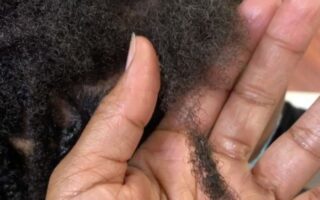
How to Do a Deep Cleanse for Locs: A Step-by-Step Guide.
Locs need regular care to stay clean, fresh, and healthy. As your hair grows and your locs mature, sweat, dust, natural oils, and styling products can accumulate around your scalp and throughout your hair. Regular washing helps remove everyday dirt, but sometimes your locs need a more thorough cleanse to remove stubborn residue.
You might notice that your locs feel coated even after washing, that your scalp becomes itchy shortly after wash day, or that your hair takes a long time to dry. Perhaps you have been using several styling products and want to remove the residue before starting a simpler hair-care routine.
These are situations where a deep cleanse may be helpful.
A deep cleanse for locs involves carefully washing your scalp and hair to remove stubborn product buildup and impurities that ordinary washing may leave behind. It requires patience, thorough rinsing, and proper drying. However, it does not mean using the strongest products you can find or repeatedly washing your hair until it feels stripped.
The aim is to leave your scalp clean and your locs free from unnecessary residue while protecting the hair you have worked hard to grow.
In this guide, we will cover how to deep cleanse locs step by step, the supplies you need, how to handle different stages of loc development, mistakes to avoid, and how to maintain your results after wash day.
Are you a beginner and wondering if your locs are fully mature yet? Read my detailed guide on What do Mature Locs look Like? : 11 signs your Locs are fully mature it covers the signs of mature locs, the changes to expect as your locs develop, and how to tell if your locs are progressing normally.
What Is a Deep Cleanse for Locs?
A deep cleanse for locs is a thorough washing process intended to remove stubborn residue, excess oil, sweat, and product buildup from the scalp and hair.
Your locs are different from loose hair because the strands become intertwined and compact as the locking process develops. This structure can make certain products more difficult to rinse out completely, especially when you use thick creams, waxes, butters, or styling gels that leave residue.
Regular shampooing remains essential. However, if you use products that build up quickly, you may occasionally need a more thorough wash or a clarifying shampoo to remove the remaining coating.
A deep cleanse focuses on several things:
- Cleaning the scalp thoroughly.
- Removing excess product residue.
- Washing the full length of your locs.
- Rinsing away shampoo and loosened impurities.
- Ensuring your hair dries completely afterward.
It is important to understand that a deep cleanse does not necessarily involve soaking your locs in a special mixture.
Some people use the terms deep cleansing and loc detoxing interchangeably. Although the two practices can overlap, deep cleansing can simply mean giving your hair a more thorough wash with appropriate products and techniques.
A separate detox treatment is not always necessary.
For many people, a carefully performed wash with a suitable clarifying shampoo is a sensible starting point when regular shampooing no longer removes buildup effectively.
If you’re still deciding which loc style suits your hair goals, read my guide on sisterlocks Vs Traditional locs: which one is right for you? It explains the differences between the two styles and what to consider when choosing your loc journey.
Why Is Deep Cleansing Important for Locs?

Deep cleansing can be useful when ordinary washing is not enough to remove the residue affecting your hair.
Here are some reasons you may want to consider it.
1. To Remove Stubborn Product Buildup
Product buildup is one of the most common reasons people seek a deeper cleanse.
You might use gels to style your locs, oils to maintain your hair-care routine, or creams to soften the hair. Although some products are useful when applied appropriately, certain formulas can leave residue that gradually accumulates.
The problem becomes more noticeable when you repeatedly apply new products without thoroughly removing the previous layers.
You may begin to notice a sticky feeling, a coating along your locs, or white material that remains even after washing.
A suitable clarifying shampoo may help remove this residue.
However, not all white material is product buildup. It could be lint, flakes from the scalp, or residue from a previous product. If you are unsure what you are seeing, avoid aggressively pulling at your locs or repeatedly applying strong cleansing treatments.
2. To Keep Your Scalp Clean
Your scalp produces natural oils and sheds dead skin cells. Sweat and styling products can also accumulate around the roots.
If these substances are not removed through regular washing, your scalp may begin to feel uncomfortable.
A thorough wash helps remove excess oil, sweat, and residue.
It is worth remembering that an itchy scalp is not always a sign of dirt. Dandruff and other scalp conditions can also cause itching and flaking. If symptoms persist despite appropriate washing, consider seeking advice from a dermatologist or another qualified healthcare professional.
3. To Reduce Residue That Can Affect the Appearance of Your Locs
Buildup can make locs look dull or coated.
You might notice that your hair no longer looks as clean as it did after wash day, even though you have been applying products regularly.
A deep cleanse may improve the appearance of your locs by removing some of the material covering the hair.
However, it will not remove every type of discoloration or embedded lint. If the material is trapped inside the locs, a different approach may be needed.
4. To Address Persistent Product-Related Odours
Locs should be washed and dried properly to help prevent unpleasant smells.
When sweat, residue, and moisture remain in the hair for extended periods, they may contribute to a musty odour.
A thorough wash followed by complete drying may help if product residue is contributing to the smell.
However, persistent odour can have several causes. If your locs continue to smell unpleasant despite proper washing and drying, particularly if you notice scalp pain, sores, redness, or unusual discharge, seek professional advice rather than repeatedly deep cleansing your hair.
5. To Prepare for a Simpler Hair-Care Routine
Sometimes, you may decide to reduce the number of products you use on your locs.
Perhaps you have been experimenting with different oils, gels, creams, and sprays and have noticed that your hair feels coated.
A deep cleanse can help remove some of the existing residue before you switch to a simpler routine.
After cleansing, you can introduce products gradually and observe how your locs respond.
This approach also makes it easier to identify products that leave unwanted residue.
6. To Support Consistent Loc Maintenance
Healthy loc maintenance involves regular washing, suitable products, gentle handling, and complete drying.
Deep cleansing can be one part of that routine when needed.
It should not replace regular washing, and it is not something everyone needs to do according to a strict monthly schedule.
Pay attention to your hair, the products you use, and the condition of your scalp.
When your regular routine keeps your locs clean, comfortable, and free from noticeable buildup, you may not need an additional deep-cleansing treatment.
Signs Your Locs May Need a Deep Cleanse
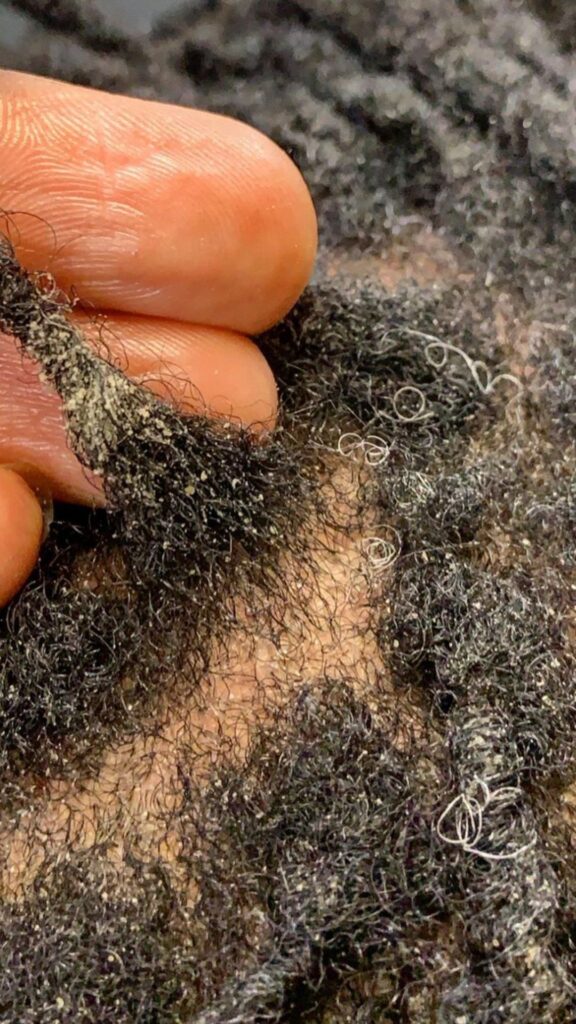
Before starting, determine whether your hair actually needs a deeper cleanse.
Here are some signs to look out for.
Your locs feel coated. If your hair feels sticky or covered in residue after washing, product buildup may be present.
You notice visible residue. White or grey material may collect along your locs. Check whether it resembles product residue, lint, or flakes from your scalp.
Your hair feels heavier than usual. A coating of product may make your locs feel heavier, although the natural weight of long or thick locs is normal.
Your scalp feels uncomfortable. If your scalp feels oily or has product residue around the roots, a thorough wash may help. Persistent itching or irritation, however, may need a different treatment.
Your locs develop an unpleasant smell. Review your washing and drying routine. If the smell continues despite proper cleansing and complete drying, seek professional advice.
You regularly use heavy styling products. Frequent use of thick gels, waxes, butters, and creams can increase the likelihood of buildup.
You do not need to experience every sign before considering a clarifying wash. At the same time, avoid assuming every hair concern requires deep cleansing.
If your locs are clean and your scalp feels comfortable, continue with your regular routine.
Supplies You Need for a Deep Cleanse for Locs

Gathering your supplies before wash day makes the process easier and helps you avoid rushing.
You do not need an extensive collection of products. A few suitable items are enough for a straightforward deep cleanse.
1. Clarifying Shampoo
A clarifying shampoo is designed to remove excess oil and product residue.
Choose a formula intended for hair and follow the directions on its label. If your scalp is sensitive, consider a suitable product that does not cause irritation.
You do not need to use clarifying shampoo every time you wash your locs. Depending on the product, frequent use may leave your hair dry.
2. Clean Water
Water is essential for wetting your locs, distributing shampoo, and rinsing away residue.
Use comfortably warm water rather than very hot water.
If your locs are thick or long, allow enough time for the water to reach all sections.
3. A Clean Basin or Shower
You can deep cleanse your locs in the shower or use a clean basin when appropriate.
A shower allows you to rinse away loosened residue under running water.
If you prefer a basin, clean it thoroughly before use. Avoid repeatedly soaking your hair in dirty water, as this may reintroduce the material you are trying to remove.
4. A Clean Towel
A clean microfiber towel can help absorb excess water after washing.
A regular clean towel can also work. Press it gently against your locs instead of rubbing your hair aggressively.
5. A Hair Dryer
A hair dryer with a suitable low-heat setting can help your locs dry thoroughly.
Thick locs may retain water for hours, so a dryer can be useful when air-drying alone is not practical.
Keep the dryer moving and avoid exposing one area to concentrated heat for too long.
6. A Lightweight Moisturizer
After cleansing and drying your hair, you may need a lightweight moisturizer.
Choose a product that works for your locs and scalp. Avoid applying excessive amounts of thick creams or oils that may leave residue.
You do not need to use several moisturizing products at once.
7. A Spray Bottle
A clean spray bottle can help distribute water evenly when moisturizing your locs.
This item is optional, but it may be useful if your hair-care routine includes applying a water-based moisturizer.
With these supplies ready, you can begin the cleansing process.
Are you a beginner wondering how to start your Sisterlocks, especially if you have short hair? Check out this helpful guide on How to start Sisterlocks on a short hair: A beginners guide.
How to Do a Deep Cleanse for Locs Step by Step
The following steps focus on thorough washing, careful rinsing, and proper drying.
The process may take longer if your locs are very thick, long, or heavily coated with products. Give yourself enough time instead of rushing through the wash.
Step 1: Examine Your Locs and Scalp
Before applying shampoo, examine your hair carefully.
Look at your roots, the length of your locs, and the areas where you normally apply styling products.
Do you notice visible residue? Does your hair feel sticky? Is your scalp oily, or are you experiencing persistent itching?
These observations help you determine whether you need a clarifying wash or a different approach.
For example, if you notice white flakes around your scalp, the cause may be dandruff rather than product buildup. If you see tiny fibres trapped in the locs, you may be dealing with lint.
If your scalp is painful, has open sores, or shows significant irritation, postpone intensive cleansing and seek professional advice.
Also consider the stage of your locs. Starter locs require gentler handling because excessive manipulation can loosen them.
Once you understand what your hair needs, prepare for washing.
Step 2: Remove Hair Accessories
Remove beads, cuffs, clips, and other accessories before washing.
Accessories can make it difficult to clean certain areas thoroughly. They may also trap moisture or product residue.
If your hair is tied up, loosen the style so that water can reach your roots and the length of your locs.
This is also a good time to examine your hairline.
If your current style feels tight or causes discomfort, consider loosening it. Repeated tension can stress the roots and hairline, so avoid combining tight styling with unnecessary manipulation during wash day.
You do not need to pull apart your locs or comb them out to prepare for cleansing.
If you are looking for how to stop or prevent your locs from becoming frizzy, Here is How to Fix frizzy locs without retwisting them: Easy Tips that works
Step 3: Wet Your Locs Thoroughly
Stand under a shower and allow warm water to flow through your hair.
Move your locs gently so water reaches the front, sides, crown, back, and nape of your neck.
If you have long or thick locs, this may take several minutes.
Do not rush through this step. Hair that is not adequately wet can make it more difficult to distribute shampoo evenly.
Use your fingers to gently separate groups of locs where necessary, without pulling at the roots.
Avoid very hot water because it can irritate your scalp and contribute to dryness.
Once your hair is thoroughly wet, gently squeeze out some excess water before applying shampoo.
Step 4: Apply the Clarifying Shampoo
Apply your clarifying shampoo according to the product instructions.
You may find it easier to work in sections, especially if you have many locs or very thick hair.
Start with your scalp. Distribute the shampoo around the roots and use your fingertips to work it gently into the skin.
Next, work the shampoo through the length of your locs.
Pay attention to areas where product buildup tends to develop, including sections that receive frequent styling products.
Do not pour excessive amounts of shampoo onto your hair simply because you want a deeper cleanse.
Using more product does not automatically produce a better result. What matters is applying the shampoo properly and rinsing it out completely.
If your shampoo needs to be diluted, follow the manufacturer’s directions.
Avoid mixing the product with household detergents or other chemicals.
Step 5: Cleanse Your Scalp Carefully
Your scalp deserves as much attention as the length of your locs.
Using the pads of your fingers, massage your scalp with small, gentle circular movements.
Move across the front of your head, around the sides, over the crown, and toward the back.
Avoid scratching with your fingernails. Scratching may cause irritation or damage the skin.
If you have mature locs, you can gently squeeze shampoo through the hair to help distribute it.
For starter locs, use less manipulation. Avoid rubbing the sections against one another or pulling at the roots.
Take your time, but do not scrub excessively.
A deep cleanse should leave your scalp feeling clean and comfortable. It should not leave you with burning, soreness, or a painful, tight sensation.
If a product causes irritation, rinse it out and discontinue its use.
Step 6: Work the Shampoo Through the Length of Your Locs
Once your scalp has been cleansed, focus on the length of your hair.
Locs can hold residue in areas that are difficult to reach with your fingers. This is particularly common with thick, mature locs.
Gently squeeze the shampoo through each section, allowing it to move along the hair.
You can work from the roots toward the ends without twisting your locs tightly.
Avoid vigorous rubbing, pulling, or repeatedly bending the hair to force residue out.
If your locs are long, divide them into manageable sections. This helps you work carefully without missing areas.
Remember that the goal is to remove excess residue, not to make every loc feel stripped of its natural oils.
Learn How to style medium length locs
Step 7: Rinse Your Locs Thoroughly
Rinsing is one of the most important steps in a deep cleanse.
Allow clean water to flow through your locs until the shampoo has been removed.
Move your hair gently so that water reaches every section.
Pay special attention to the roots, nape, crown, and the thickest parts of your locs.
You may need more time to rinse mature locs than short starter locs.
Gently squeeze your locs to help release shampoo and loosened residue. Continue rinsing until your hair no longer feels coated with shampoo.
Do not stop simply because the water looks clear. Make sure the product has been removed from the hair.
Leaving shampoo residue behind can contribute to irritation and buildup, which defeats the purpose of deep cleansing.
Step 8: Check Whether Your Hair Needs Another Wash
After rinsing, examine your locs again.
Do they feel clean? Has the sticky coating improved? Does your scalp feel comfortable?
If your hair feels clean, you can move on to the next step.
If your locs remain noticeably coated, a second shampoo application may help, particularly if you used heavy products before washing.
Follow the instructions on the shampoo label and avoid repeated applications beyond what is necessary.
If your hair remains coated after careful washing, do not keep adding more shampoo indefinitely.
The material may be lint or residue that requires a different approach. You may also need help identifying whether a scalp condition is contributing to the problem.
When in doubt, consult an experienced loctician.
Step 9: Rinse Again if You Applied Shampoo a Second Time
If you decided to wash your locs again, rinse thoroughly.
Use warm water and gently squeeze the shampoo through the hair.
Work section by section if necessary.
Pay attention to the areas that are most difficult to reach, especially if you have dense locs.
Once the shampoo has been removed, gently press your locs to release excess water.
Avoid twisting them tightly or rubbing them with a towel.
You should now be ready to begin drying your hair.
Step 10: Avoid Unnecessary Homemade Cleansing Mixtures
You may have come across recipes that combine baking soda, apple cider vinegar, lemon juice, or salt in a basin of water.
These mixtures are not required for a successful deep cleanse.
Baking soda is alkaline and may leave hair feeling rough or dry. Vinegar and lemon juice are acidic and may irritate sensitive skin, especially when used inappropriately.
Combining several ingredients does not guarantee a safer or more effective treatment.
For ordinary product buildup, a suitable clarifying shampoo is a sensible starting point.
If your locs have severe or persistent buildup that does not respond to careful washing, seek professional advice before attempting a stronger treatment.
Your scalp does not need to be exposed to several ingredients simply because they are commonly recommended online.
Step 11: Remove Excess Water
After the final rinse, gently squeeze excess water from your locs.
Use a clean towel to press against your hair, working through the roots and length.
Avoid rubbing your locs vigorously or twisting them to force water out.
If your hair is long, divide it into sections to make the process easier.
Remember that the outside of a loc may feel dry while the inside remains damp.
Removing excess water before drying can help reduce the time your hair needs to dry completely.
Step 12: Dry Your Locs Completely
Proper drying is essential after deep cleansing.
Locs can retain water within their compact structure, particularly when they are thick or mature.
Allow your hair to dry in a well-ventilated area. You can use a hair dryer on a suitable low-heat setting to help dry the inner sections.
Keep the dryer moving and avoid applying concentrated heat to one area for too long.
Pay attention to your roots, the nape of your neck, and the thickest parts of your locs.
Do not assume your hair is dry simply because the surface feels dry.
Avoid going to bed with soaking-wet locs or covering damp hair for extended periods.
Trapped moisture can contribute to unpleasant odours and other problems.
If your locs are particularly thick, plan your wash day early enough to allow adequate drying time.
Step 13: Moisturize Your Locs When Needed
Once your locs are completely dry, assess how your hair feels.
If your hair feels comfortable and is not dry, you may not need to apply several products.
If you notice dryness, choose a suitable lightweight moisturizer.
Some people prefer water-based moisturizers, while others use a small amount of a lightweight oil as part of their routine.
Remember that oil and water serve different purposes. Oil can help reduce moisture loss or provide lubrication, but it does not replace water.
Apply only what your hair needs.
Avoid coating freshly cleansed locs with large amounts of thick butter, wax, or cream. These products may leave residue that accumulates over time.
Keep your routine simple and pay attention to how your hair responds.
Step 14: Inspect Your Locs After the Deep Cleanse
Once your hair is clean and dry, take a few minutes to examine the results.
Look at your roots, the length of your locs, and your scalp.
Your locs should feel cleaner and less coated if product buildup was the problem.
Your scalp should also feel comfortable.
If your hair still feels sticky, avoid immediately repeating the entire process several times.
Check whether you have used a product that leaves residue or whether the material you noticed could be lint rather than buildup.
If your scalp remains itchy, painful, or irritated, consider seeking professional advice instead of adding more cleansing treatments.
Completing this final check helps you decide whether your regular routine needs any adjustments.
How Often Should You Deep Cleanse Your Locs?
There is no universal schedule for deep cleansing locs.
The frequency depends on your scalp, lifestyle, hair products, and the condition of your locs.
Some people can maintain clean hair through regular washing alone. Others may occasionally need a clarifying shampoo because they use products that leave stubborn residue.
Here are some factors to consider.
If You Have Starter Locs
Starter locs require gentle handling because they have not fully matured.
Follow the washing guidance provided by your loctician, especially if your locs were installed recently or unravel easily.
You do not automatically need an intensive deep cleanse just because your locs are new.
Regular, appropriate washing may be enough to keep your scalp clean.
If you notice significant buildup, ask your loctician which products and techniques are suitable for your stage.
If You Have Mature Locs
Mature locs are more established, but they can still accumulate product residue.
If your locs are thick, they may also take longer to rinse and dry.
Wash your hair regularly based on your scalp’s needs. Consider clarifying when your usual shampoo no longer removes buildup effectively.
You do not need to deep cleanse every month if your hair remains clean and comfortable.
If You Exercise Often
Exercise can increase sweating, particularly around your hairline and scalp.
If you sweat heavily, you may need to wash your locs more frequently.
However, sweating alone does not mean you need a deep cleanse every time.
Regular washing and thorough drying are usually more important than frequent intensive treatments.
If You Use Heavy Products
People who regularly apply thick creams, waxes, and gels may develop buildup more quickly.
Consider reducing the amount of product you use and choosing formulas that rinse out easily.
If your locs become coated, a clarifying shampoo may help.
The goal is to prevent unnecessary buildup rather than repeatedly removing layers of product.
Deep Cleansing Starter Locs vs. Mature Locs
Although the basic principles of cleansing are similar, the way you handle your locs should reflect their stage of development.
Deep Cleansing Starter Locs
Starter locs may loosen if they are handled too roughly.
When washing, focus on the scalp and use gentle movements. Allow shampoo to flow through the locs without aggressively rubbing the sections together.
Rinse thoroughly and avoid pulling at the roots.
Use products suitable for your loc stage, and follow your loctician’s guidance about washing frequency.
If you notice buildup, do not automatically reach for a strong homemade detox mixture.
Start by reviewing the products you use and asking whether a clarifying shampoo is appropriate.
Deep Cleansing Mature Locs
Mature locs can generally be handled more easily during washing, but their thickness and density may make thorough rinsing more challenging.
Work in sections so water and shampoo can reach the full length of your hair.
Spend enough time rinsing, particularly if you use products that leave residue.
Dry your locs completely before covering them or going to bed.
If your locs contain stubborn lint or deeply embedded residue, consult a loctician rather than attempting to pull the material out yourself.
Common Mistakes to Avoid During a Deep Cleanse
Deep cleansing can be helpful, but the wrong approach may leave your hair dry, irritated, or coated with residue.
1. Using Too Much Shampoo
Applying large amounts of shampoo does not automatically make the cleanse more effective.
Start with an appropriate amount and distribute it evenly.
If you need a second wash, follow the product instructions instead of repeatedly applying shampoo without assessing your hair.
2. Scrubbing Your Scalp With Your Fingernails
Scratching aggressively can irritate your scalp.
Use your fingertips to massage the skin gently.
If your scalp remains itchy after washing, investigate the cause instead of scrubbing harder.
3. Skipping the Rinsing Stage
Leaving shampoo in your locs can contribute to residue and irritation.
Take your time and rinse thoroughly, especially if your locs are thick or long.
Do not rush this step.
4. Using Harsh Household Ingredients
Baking soda, concentrated vinegar, lemon juice, and household cleaning products are not necessary for a standard deep cleanse.
Some may irritate the scalp or affect the hair when used improperly.
Choose products designed for hair instead.
5. Deep Cleansing Too Frequently
Frequent clarifying can leave some hair types dry and uncomfortable.
Do not assume that a deeper cleanse is always better than a regular wash.
Use it when necessary and maintain a consistent cleansing routine between treatments.
6. Applying Heavy Products Immediately Afterwards
After removing residue, adding large amounts of thick products can cause buildup to return.
Use a lightweight moisturizer if needed and avoid layering several products unnecessarily.
7. Going to Bed With Damp Locs
Damp locs can retain moisture for a long time.
Allow your hair to dry completely before sleeping or covering it for an extended period.
If necessary, use a hair dryer on an appropriate setting to help dry thicker sections.
8. Ignoring Persistent Scalp Symptoms
An itchy or flaky scalp does not always need a deeper cleanse.
If symptoms persist, seek advice from a qualified healthcare professional. Repeated clarifying may worsen irritation if the underlying problem is a scalp condition.
How to Maintain Clean Locs After Deep Cleansing
Once your locs are clean, a few simple habits can help you maintain the results.
Wash Your Locs Consistently
Regular washing helps remove everyday sweat, oil, and dirt before they accumulate.
Choose a schedule that suits your scalp, lifestyle, and loc stage.
Avoid leaving your hair unwashed for long periods simply because you are worried about disturbing your locs.
Use Products That Suit Your Hair
Pay attention to how your locs respond to different products.
If a gel, cream, or oil consistently leaves a sticky coating, consider replacing it with a lighter alternative.
Read product labels and avoid using more product than you need.
Rinse Thoroughly
Make sure shampoo and other cleansing products are removed completely.
This is especially important if your locs are thick or you have a large number of sections.
Keep Your Scalp Comfortable
Avoid scratching your scalp aggressively or using products that cause irritation.
If you experience persistent itching or flaking, seek appropriate advice rather than assuming you need another deep cleanse.
Dry Your Locs Properly
Allow your hair enough time to dry completely after every wash.
Use a clean towel to remove excess water and a suitable hair dryer when needed.
Pay attention to thick sections that may remain damp longer than the rest of your hair.
Avoid Excessive Product Application
Your locs do not need to be coated in several products to remain healthy.
Use a simple routine and introduce new products gradually.
This makes it easier to identify what works and reduces the chance of unnecessary buildup.
Frequently Asked Questions About Deep Cleansing Locs
1. What is the best way to deep cleanse locs?
A practical starting point is to wet your locs thoroughly, apply a suitable clarifying shampoo, massage your scalp gently, work the shampoo through your hair, rinse completely, and dry your locs thoroughly.
The exact method may vary depending on your loc stage and the amount of buildup present.
2. Can I deep cleanse my locs at home?
Yes. Many people can deep cleanse their locs at home using a suitable shampoo and careful washing techniques.
However, stubborn buildup, persistent odours, or scalp problems may require professional assessment.
3. Is deep cleansing the same as detoxing locs?
The terms are sometimes used interchangeably.
Deep cleansing generally refers to thoroughly washing the scalp and hair to remove dirt, excess oil, and product residue. A loc detox may refer to a deeper cleansing treatment, sometimes involving soaking or specialized products.
For many people, an appropriate clarifying shampoo is a sensible first step.
4. Can I use baking soda to deep cleanse my locs?
Baking soda is alkaline and may leave hair feeling rough or dry. It can also irritate the scalp.
I would not recommend making it a regular part of your loc-care routine.
A suitable clarifying shampoo is a more practical option for addressing ordinary product buildup.
5. Should I use apple cider vinegar when deep cleansing locs?
Apple cider vinegar is popular in some homemade hair-care recipes, but it is not essential.
It may irritate sensitive skin if used inappropriately, and there is limited evidence that homemade vinegar soaks are superior to appropriate clarifying shampoos for removing buildup.
You can maintain clean locs without adding vinegar to your routine.
6. How long does a deep cleanse take?
The washing process depends on the length, thickness, and condition of your locs.
Long or thick locs may require additional time for washing and rinsing.
Drying can take several hours, so plan your wash day around the time needed for your hair to dry completely.
7. Will deep cleansing make my locs grow faster?
No. Deep cleansing does not directly speed up hair growth.
It helps remove buildup and maintain cleanliness.
Hair growth is influenced by several factors, including genetics, general health, scalp condition, and avoiding unnecessary damage or tension.
8. Can I deep cleanse starter locs?
You may be able to clarify starter locs when necessary, but the method should suit their stage of development.
Avoid aggressive rubbing and excessive manipulation.
Follow your loctician’s guidance, particularly if your locs are new or unravel easily.
9. Why do my locs still feel dirty after washing?
Several factors may explain this.
You may not have rinsed thoroughly, or the products you use may leave a coating. The material you notice could also be lint rather than product buildup.
If careful washing does not improve the problem, consult a loctician who can examine your locs and recommend an appropriate approach.
10. Do I need to moisturize my locs after deep cleansing?
Not everyone needs to apply a moisturizer immediately after washing.
Assess your hair after it has dried. If it feels dry, use a suitable lightweight product.
Avoid applying heavy products simply because you have completed a deep cleanse.
11. How can I prevent buildup in my locs?
Wash your locs consistently, use products that rinse out easily, avoid excessive product application, and rinse thoroughly.
If you frequently use heavy styling products, consider reducing their use.
These habits can help prevent residue from accumulating.
12. When should I see a loctician for a deep cleanse?
Consider seeing a loctician if your locs have stubborn buildup that does not respond to careful washing, if you are unsure how to remove embedded lint, or if you need guidance on cleansing starter locs.
If you have persistent scalp pain, sores, redness, or unusual discharge, consult a qualified healthcare professional rather than relying on a hair treatment.
Conclusion
Learning how to do a deep cleanse for locs can help you maintain a cleaner and more manageable hair-care routine.
The process does not need to involve complicated recipes or harsh ingredients. In many cases, a suitable clarifying shampoo, gentle cleansing, thorough rinsing, and complete drying are enough to address ordinary product buildup.
Pay attention to the condition of your scalp and the stage of your locs. Starter locs require careful handling, while thick, mature locs may need more time for rinsing and drying.
Remember that deep cleansing is not a replacement for regular washing. It is an additional step to consider when your normal routine no longer removes stubborn residue effectively.
You can also prevent many buildup problems by choosing suitable products, using smaller amounts, and rinsing your locs thoroughly after every wash.
Most importantly, do not ignore persistent scalp irritation or unpleasant odours. These problems may require a different solution rather than another round of intensive cleansing.
With the right products and consistent care, you can keep your locs clean while protecting the progress you have made on your loc journey.