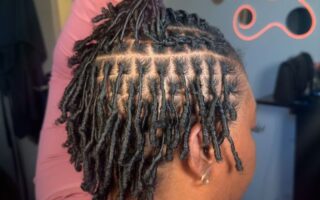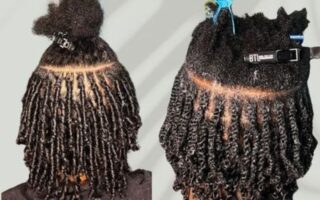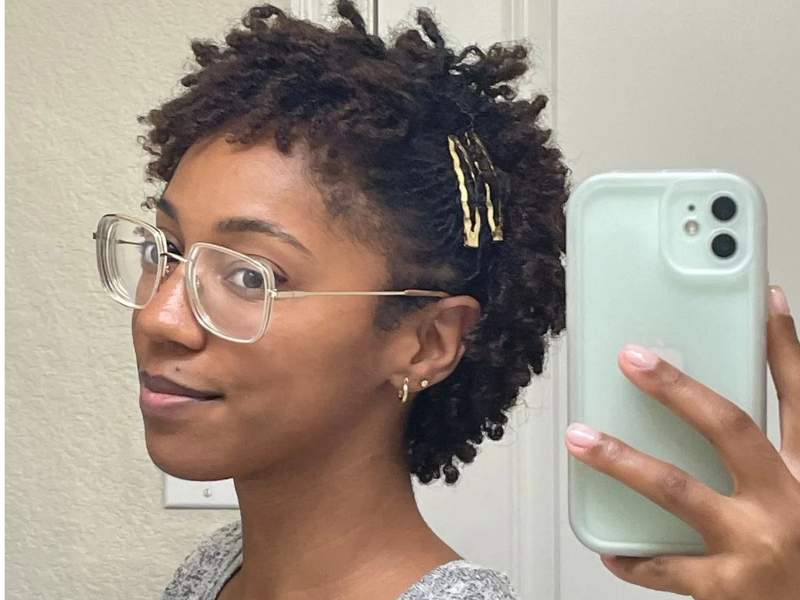
Starting your loc journey is an exciting way to embrace your natural hair, but choosing the right starter locs styles can feel overwhelming. Which method is best for me? How long will it take? What should I expect in the beginning?
With so many options available, you may also wonder which style will complement your face shape, work with your current hair length, and suit your everyday lifestyle.
First, remember this, there is no one-size-fits-all answer. The beauty of locs is that they are unique to you, your lifestyle, and your hair type.
Starter locs are versatile, and you do not need long hair to begin. Whether you have a short haircut, shoulder-length natural hair, or longer strands, there is a starter method that can help you begin your loc journey.
Not sure of the route to take? Find out which method aligns with your hair goals in our breakdown of How to Choose Between Sisterlocks vs Traditional Locs.
The key is understanding how different starter loc methods work, how your hair length influences your options, and which hairstyles complement your facial features.
In this guide, you will discover how to choose the best starter locs styles for every face shape and hair length, along with practical tips for maintaining your locs during the early stages.
What Are Starter Locs?
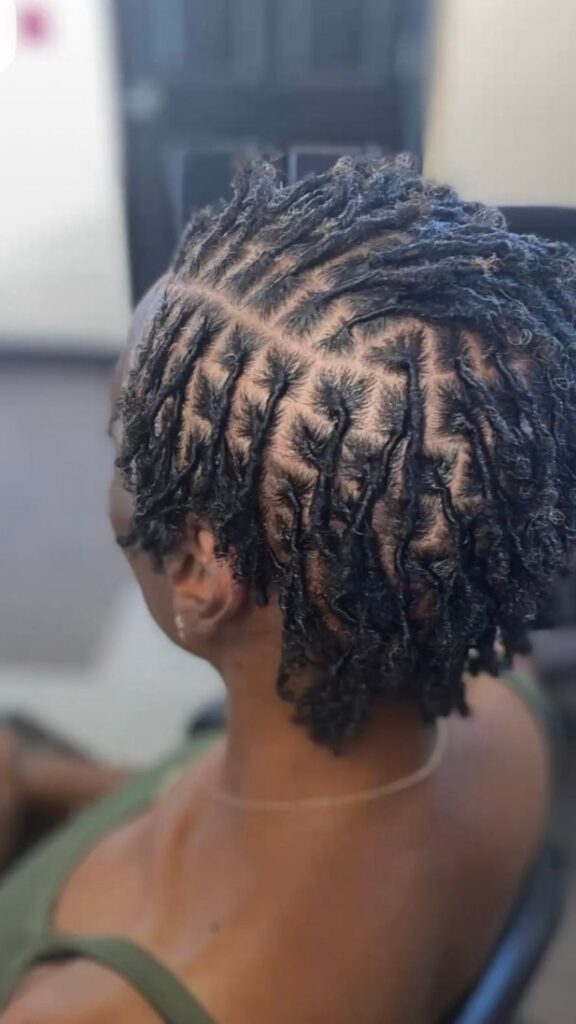
Starter locs are the initial stage of the loc journey. They are created by sectioning the hair and using a suitable method to begin forming individual locs. Common methods include comb coils, two-strand twists, braids, and interlocking.
At this stage, your hair has not fully locked. The starter locs may look neat immediately after installation, but they will gradually change as the hair begins to tangle and form more established locs.
Worried about your new locs coming undone? Learn how to style them safely in our guide on How to Style Starter Locs Without Unraveling or Weakening Them
Choosing between comb coils, twists, and braids depends on factors such as hair length, texture, and the amount of maintenance you can manage.
Your starter locs do not have to look a particular way to be beautiful. The best choice is one that suits your hair, supports healthy maintenance, and reflects your personal style.
How to Choose Starter Locs for Your Face Shape

Your face shape can help you decide how you want your locs to frame your face. However, there are no strict rules about which starter locs styles you must wear. Use these suggestions as inspiration and choose what makes you feel comfortable.
1. Starter Locs for Round Faces
A round face generally has fuller cheeks and a similar width and length, with softer angles around the jawline.
If you have a round face, you might enjoy starter locs that create some height at the crown or allow a little length around the sides.
Styles to consider:
- Short comb coils: Neat coils create a simple, defined look while allowing your natural hair texture to stand out.
- Medium-length two-strand twists: These can provide vertical movement as your locs develop.
- Side-parted starter locs: A side part can introduce asymmetry and add visual interest around the face.
- Locs with a little crown volume: Once your locs are mature enough, gentle volume at the top can create an elongated appearance.
Avoid forcing your starter locs into tight updos simply to change your face shape. The most important thing is choosing a comfortable style that does not pull on your hairline.
Have an upcoming event and want to elevate your crown? Explore stunning ideas in our guide on Beautiful Loc Styles for Special Occasions That Will Make You Stand Out
2. Starter Locs for Oval Faces
Oval faces are generally longer than they are wide, with balanced proportions and a gently rounded jawline. Many loc styles can complement this face shape.
Want to give your hair a fresh start and strip away product residue? Discover our easy process in How to Detox Your Locs at Home: A Step-by-Step Guide
Styles to consider:
- Short starter coils: These highlight your natural features and create a clean, low-profile look.
- Two-strand twists: This method offers a textured appearance that gradually develops into locs.
- Middle-parted locs: A middle part can create a balanced, symmetrical appearance.
- Shoulder-length starter locs: If your hair is already long enough, this option allows your locs to frame your face as they develop.
If you have an oval face, experiment with different parting patterns and loc sizes. You can choose a simple, understated style or a more distinctive look with smaller or thicker locs.
3. Starter Locs for Square Faces
Square faces often feature a defined jawline and a forehead and cheek area with similar widths.
If you want to soften the appearance of your facial angles, consider styles that introduce movement or allow your locs to fall naturally around your face.
Styles to consider:
- Medium two-strand twists: Their rope-like texture can create a soft, relaxed appearance.
- Side-parted locs: An asymmetrical part can add visual balance.
- Loose, face-framing locs: As your hair grows, allowing a few locs to fall around your cheeks may soften the overall look.
- Curly loc styles: Once your locs are mature enough, gentle curls can introduce movement and texture.
During the starter stage, keep styling simple. You do not need to manipulate your new locs to achieve a flattering look.
Wondering how grid lines or brick patterns affect your final look? Find out how to map out your scalp in our guide How to Choose the Best Parting Pattern for Locs
4. Starter Locs for Heart-Shaped Faces
Heart-shaped faces typically feature a wider forehead and cheek area with a narrower chin.
If this describes your face, you may prefer styles that create a balanced appearance around your forehead and lower face.
Styles to consider:
- Side-parted starter locs: A side part can create an interesting visual balance.
- Medium-length twists: These provide texture and can eventually frame the lower half of your face.
- Chin-length or longer locs: As your hair grows, this length can add visual fullness around the jawline.
- Natural, free-flowing locs: Allowing your locs to fall naturally can create a relaxed, effortless appearance.
Remember that your current hair length may limit what you can do at first. Choose a suitable starter method and explore more styling options as your locs grow.
5. Starter Locs for Long or Oblong Faces
Long or oblong faces generally appear longer than they are wide, with relatively straight sides and a rounded or slightly angular chin.
If you want to create the appearance of more width, consider styles that add gentle volume to the sides rather than emphasizing height alone.
Starter loc Styles to consider:
- Short starter locs: A compact style can complement your natural proportions.
- Side-parted twists: These add asymmetry and visual interest.
- Medium-length locs: Locs that fall around the cheeks or jawline may help create balance.
- Fuller two-strand twists: Depending on your hair density, this starter method can create a textured appearance.
You do not need to avoid long locs if you have an oblong face. Choose the length you love and experiment with different parts and styling options once your locs are established.
Best Starter Locs Styles for Different Hair Lengths
Your current hair length is another important factor when choosing a starter method. Some methods work particularly well on shorter hair, while others are easier to install when you have more length.
1. Starter Locs for Short Hair
Short hair is a great starting point for your loc journey. You do not necessarily have to wait until your hair reaches your shoulders before beginning.
Worried your hair is too short to start? Find out what to expect and how to rock your look in our guide on Starter Locs on Short Hair: What to Expect and How to Style Them.
The best method depends on your hair texture, condition, and ability to hold a starter style.
Comb coils
Comb coils are created by rotating small sections of hair into spiral-shaped coils. They are a popular choice for short natural hair, especially tightly coiled textures.
They create a defined look immediately after installation, although the coils may unravel if handled or washed improperly during the early stages.
Short two-strand twists
If your hair has enough length to twist comfortably, two-strand twists may be another option. They create a rope-like appearance and can be easier to keep intact than coils for some hair types.
Short interlocked locs
Interlocking uses a specialized technique to pass the end of a loc through its root. It can be suitable for certain hair textures and shorter lengths when performed correctly by an experienced professional.
However, interlocking requires proper technique to avoid excessive tension or repeated manipulation.
Best tip: If your hair is very short, consult a loctician to determine which method is suitable for your length and texture before installation.
2. Starter Locs for Medium-Length Hair
Medium-length hair offers several starter options because there is generally enough length to form twists, coils, or braids, depending on your texture.
Looking for ways to wear them? Check out our guide on How to Style Medium Length Locs
Two-strand twists
Two-strand twists are an excellent option if you want a textured starter style. They can look attractive immediately and allow you to see how your future locs may be distributed across your scalp.
Comb coils
If your hair texture and length support them, comb coils can provide a neat, uniform foundation. They are especially appealing if you prefer smaller starter locs.
Braidlocs
Braidlocs begin with small braids or plaits. The braided structure can provide stability during the early stages, although the braid pattern may remain visible for some time as the locs mature.
Best tip: Consider your desired mature loc size before installation. Smaller sections generally create smaller locs, while larger sections usually produce thicker locs.
3. Starter Locs for Long Hair
Long hair provides more flexibility when choosing your starter method, but it also requires careful planning to ensure the sections and loc sizes suit your hair density.
Long two-strand twists
Two-strand twists are a popular choice for longer hair because the sections can be twisted from root to tip. They create a defined, textured appearance while the hair begins to lock.
Braided starter locs
Braids can be useful if you prefer a secure starting structure. They may be particularly appealing if you want to minimize unraveling during the early stages.
Small starter locs
If you prefer a finer, more versatile finished look, discuss smaller sections with your loctician. The right size depends on your hair density and the strength of the hair at the roots.
Best tip: Avoid pulling long starter locs into heavy or tight hairstyles. Longer hair can place more weight on the roots, especially when gathered into tight ponytails or buns.
How to Choose the Best Starter Loc Method for Your Hair
Your face shape and hair length help guide your decision, but your hair characteristics and lifestyle matter too.
Consider Your Hair Texture
Hair texture influences how well different starter methods hold and how the locs develop.
Tightly coiled hair may hold comb coils well, while some people with looser curl patterns may find that twists, braids, or another suitable technique provide a more secure start.
Ready for some major hair inspiration? Discover gorgeous ideas in 10 Two Strand Twist Loc Styles That Are Too Beautiful To Ignore
No method is best for everyone. Ask a loctician to assess your hair before deciding on the most appropriate starter locs styles.
Think About Your Preferred Loc Size
Do you want small, medium, or thick locs?
Your choice affects the number of sections needed and the overall appearance of your locs. Smaller locs may offer more styling flexibility, while thicker locs create a bolder look.
Your hair density should guide the size of each section. Avoid choosing extremely small sections without considering whether the hair at the roots can support them.
It’s time to boost your hair’s density and keep your crown thriving, Discover our favorite advice in Thick Locs: 9 Tips for Fuller, Healthier-Looking Locs
Consider Your Lifestyle
If you exercise frequently, swim, or need to wash your hair regularly, tell your loctician before choosing your starter method.
Some starter locs styles are more prone to unraveling than others, particularly during the first few weeks. Your loctician can recommend a method and aftercare routine suited to your activities.
Choose a Style You Can Maintain
Starter locs require patience. You may need to adjust your washing routine, avoid excessive manipulation, and follow a maintenance schedule recommended by your loctician.
Choose a method you can realistically care for rather than focusing only on how neat it looks immediately after installation.
Essential Tips for Maintaining Your Starter Locs
After choosing your preferred style, proper maintenance helps protect your hair as it begins to lock.
1. Keep your scalp clean. Follow a washing schedule appropriate for your starter method and hair needs. Ask your loctician when and how to wash your new locs to reduce unnecessary unraveling.
2. Avoid excessive manipulation. Constantly twisting, separating, or pulling at your starter locs can interfere with their development.
3. Use products sparingly. Heavy creams, waxes, and gels may contribute to buildup. Choose lightweight products only when appropriate for your hair and installation method.
4. Protect your hair at night. A satin bonnet or pillowcase can help reduce friction while you sleep.
5. Avoid tight hairstyles. Repeated tension around the hairline and roots can contribute to traction alopecia. avoid hairstyles that continually pull on the hair and seek professional advice if you notice thinning or hair loss.
6. Be patient with the budding stage. Your locs may become fuzzy, swell, or change shape as they mature. These changes are normal parts of the process, although persistent unraveling or other concerns should be discussed with your loctician.
FAQs
1. What is the best starter loc style for beginners?
Two-strand twists and comb coils are popular starter methods for beginners. The best option depends on your hair length, texture, desired loc size, and maintenance routine. A professional can help you choose a method that suits your hair.
2. Can I start locs on short hair?
Yes, you can start locs on short hair if your hair is suitable for the chosen method. Comb coils are a common option for short, tightly coiled hair, while other methods may be appropriate depending on your texture and length.
3. Which starter loc style suits a round face?
Side-parted starter locs, short coils, and medium-length twists are options worth considering for a round face. Styles that introduce height or asymmetry may create the appearance of a more elongated face, but your personal preference should guide your choice.
4. How long does it take for starter locs to mature?
The time it takes for starter locs to mature varies according to hair texture, starter method, loc size, and maintenance. Many loc journeys take several months to more than a year to develop a mature appearance, so patience is essential.
5. Should I style my starter locs immediately after installation?
It is best to keep starter locs styles simple during the early stages. Avoid tight ponytails, elaborate updos, and excessive manipulation until your locs are secure enough to handle styling. Follow your loctician’s recommendations.
Start Your Locs Right
Starting locs is a commitment and a journey of patience, care, and style. Trust the process, and don’t be afraid to ask for professional guidance. If you’re ready to begin your loc journey, book a consultation, or explore products designed to keep your hair thriving every step of the way.
Choose the best starter locs styles for your unique face shape and hair length, understanding your hair and the look you want to achieve. Whether you have short coils, medium-length twists, or long braided starter locs, the right method should suit your texture, desired loc size, and lifestyle.
Your face shape can offer styling inspiration, but it should never limit your choices. Focus on finding a starter method that works for your hair, protect your scalp from unnecessary tension, and give your locs time to develop.
With patience and consistent care, you can enjoy your loc journey at every stage while discovering styles that make you feel confident and comfortable.