How to Fix Frizzy Locs Without Retwisting: Easy Tips That Work
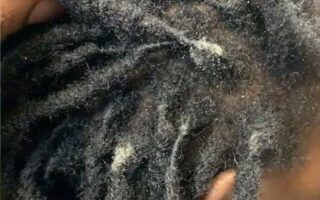
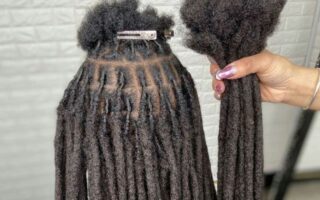
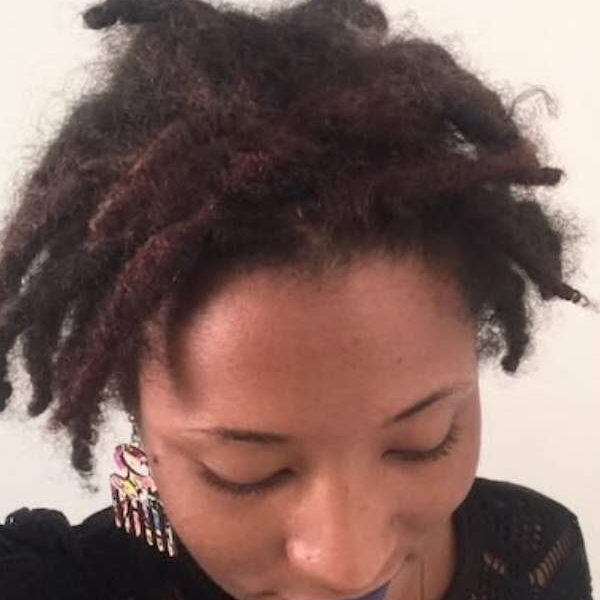
Frizzy locs are a normal part of the loc journey, but that does not mean you always have to retwist your hair to make it look neat. Whether you have starter locs, traditional locs, or sisterlocks, a little frizz can appear as your hair grows, your locs mature, and loose strands work their way out of the locs.
Sometimes, you may want your locs to look a little more polished without putting tension on your roots or spending time on a full retwist. You might also be trying to avoid frequent retwisting because you want to protect your scalp and allow your locs to develop naturally.
The good news is that you can manage frizz without retwisting. Simple techniques such as moisturizing your hair, using a satin scarf, reducing friction, and gently smoothing loose hairs can help your locs look more controlled while maintaining their natural texture.
However, it is important to understand that frizz is not always a problem that needs to be fixed. Some frizz is part of how locs form and mature. The goal is not necessarily to make every strand lie perfectly flat but to keep your hair healthy, comfortable, and well cared for.
In this guide, you will learn how to fix frizzy locs without retwisting, what causes frizz, which methods work best for different stages of the loc journey, and which habits you should avoid.
What Causes Frizzy Locs?
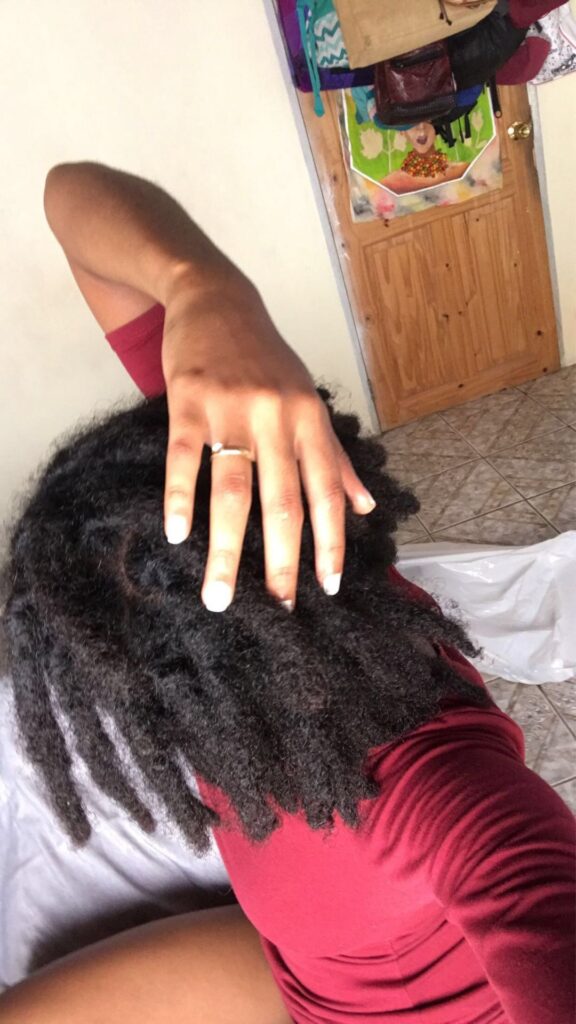
Before learning how to manage frizz, it helps to understand why it happens in the first place. Frizz can develop for several reasons, and knowing the cause can help you choose the right solution.
1. Natural Hair Growth
Your hair continues to grow from your scalp even after you start your loc journey. As new hair grows, it may not immediately join the existing loc structure. This can leave loose hairs around your roots, making your locs appear less neat.
This type of frizz is completely normal. It does not mean your locs are unhealthy or that you have done anything wrong.
If your goal is to maintain your locs without frequent retwisting, you can allow new growth to remain natural and focus on keeping your scalp and hair clean and moisturized.
2. Dry Hair
Dryness can make your locs feel rough and cause loose strands to stand out more noticeably. When your hair lacks enough moisture, it may become less flexible and more prone to breakage.
Locs need moisture, but they do not need to be constantly wet or covered in heavy products. The best approach is to use a lightweight moisturizing method that suits your hair and does not leave buildup inside your locs.
3. Friction From Clothing and Bedding
Your locs rub against different surfaces throughout the day. Cotton pillowcases, towels, hats, scarves, and clothing can create friction that lifts loose hairs and makes frizz more noticeable.
This is particularly common around the back of the head, the sides, and the ends of locs.
Reducing unnecessary friction can help your hair look smoother without changing the structure of your locs.
4. Frequent Touching and Styling
Constantly playing with your locs, pulling at loose hairs, or repeatedly adjusting your hairstyle can make frizz more noticeable.
Although it may be tempting to keep smoothing every strand, excessive handling can cause unnecessary tension and contribute to breakage.
Try to handle your locs gently and avoid pulling loose hairs into place.
5. The Stage of Your Loc Journey
Frizz looks different depending on how mature your locs are.
Starter locs often have loose hairs because the strands are still beginning to form a stable structure. Budding locs may look fuller, less uniform, or slightly fuzzy as the hair begins to lock together.
Mature locs can also develop frizz, especially around the roots and along the length of the hair.
Your approach should depend on your loc type and stage. Starter locs, in particular, need gentle handling because excessive manipulation can disturb their developing structure.
Choosing between Sisterlocks and traditional locs? Explore my guide, Sisterlocks vs. Traditional Locs: Which One Is Right for You? to understand their key differences and decide which style best suits your hair and lifestyle
How to Fix Frizzy Locs Without Retwisting
You do not need a full retwist every time your locs look fuzzy. The following methods can help you manage frizz while allowing your hair to grow naturally.
1. Lightly Mist Your Locs With Water
One of the simplest ways to refresh frizzy locs is to use a light mist of water.
Water can help soften dry hair and make loose strands easier to manage. It can also refresh locs that feel dry after spending time in an air-conditioned room or being exposed to dry weather.
To try this method, fill a clean spray bottle with water. Lightly mist your locs, concentrating on areas that feel dry rather than soaking your entire head.
Use your palms to gently smooth the surface of each loc if needed. Avoid rubbing the hair aggressively or pulling loose strands tightly into place.
Allow your locs to dry completely.
Important tip: Do not leave your locs damp for long periods. Thick locs can take considerable time to dry, and persistent moisture may contribute to an unpleasant smell or other problems. Use a light mist rather than drenching your hair, and make sure your locs dry thoroughly.
If your locs are freshly installed or still developing, follow the care instructions provided by your loctician before applying water.
2. Use a Lightweight Moisturizing Spray
If your locs feel dry and look frizzy, a lightweight moisturizing spray may help.
Choose a product that is suitable for locs and does not leave a thick coating on your hair. Depending on the formulation, a moisturizing spray may help improve softness and manageability.
You can also make a simple water-based spray, but be careful about adding too many ingredients. Homemade mixtures can spoil, particularly when they contain ingredients that support microbial growth.
For a basic routine, you can start with plain water in a clean spray bottle. If you prefer a commercial moisturizing product, follow its directions and use only the amount your hair needs.
Apply a small amount, then gently smooth the surface of your locs with your hands.
Remember that moisture and frizz control are not exactly the same thing. Your locs may still have some frizz even when they are properly moisturized.
What to avoid: Do not apply large amounts of thick creams, butters, or oils in an attempt to flatten frizz. These products can accumulate inside locs and make them difficult to clean.
3. Smooth Your Locs With Your Palms
Palm smoothing is a simple technique that can help temporarily control loose hairs along the surface of your locs.
It does not require a retwist, and it can be useful when you want your hair to look a little neater for work, an outing, or a special occasion.
Start with clean hands. If your hair is dry, lightly mist the area with water or use a small amount of a suitable lightweight product.
Place one loc between your palms and gently roll or smooth it without pulling hard. Work along the surface rather than twisting tightly from the roots.
Repeat only where necessary.
The purpose is to encourage loose hairs to lie closer to the loc, not to force every strand into place.
Palm smoothing is usually more suitable for established locs than very new starter locs. If you have starter locs, sisterlocks, or another interlocked loc style, ask your loctician whether this technique is appropriate for your particular installation.
Keep in mind: Palm smoothing offers temporary improvement. It does not permanently remove frizz or replace professional maintenance when maintenance is needed.
4. Wear a Satin or Silk Scarf
A satin or silk scarf can be helpful when you want to reduce friction and keep your locs looking more controlled.
Unlike rougher fabrics, a smooth scarf generally creates less friction against the hair. This can help reduce the amount of surface disturbance caused by rubbing during sleep or throughout the day.
To use this method, place the scarf over your locs and tie it securely but comfortably. Avoid tying it so tightly that it pulls on your edges or causes discomfort.
You can wear it while relaxing at home, travelling, or sleeping.
If you prefer not to wear a scarf, a satin bonnet or satin pillowcase may provide a similar benefit.
This method will not eliminate existing frizz, but it can help prevent unnecessary friction from making it worse.
For the best results, make satin or silk protection part of your regular hair-care routine instead of using it only when your locs look fuzzy.
5. Try a Satin Bonnet at Night
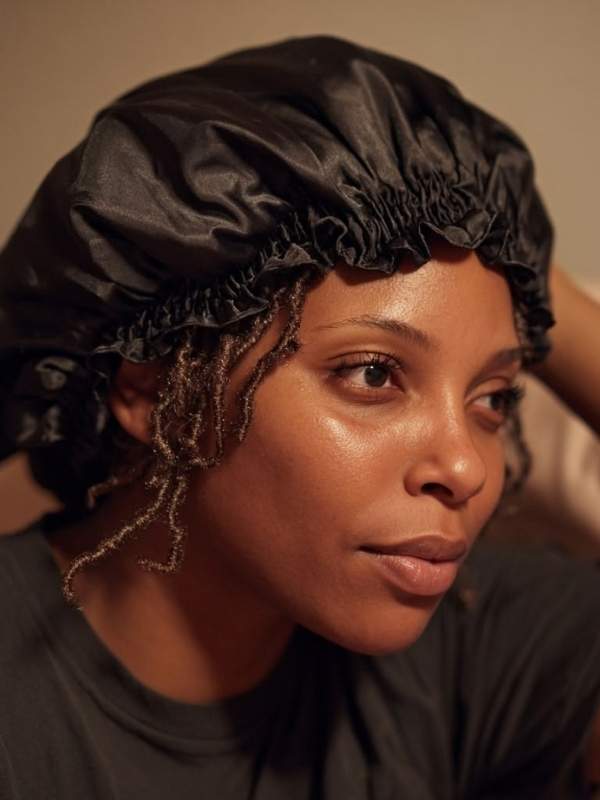
If you wake up with frizzy locs every morning, your nighttime routine may be contributing to the problem.
Sleeping directly on a rough pillowcase can create friction as you move your head throughout the night. Over time, this may leave your locs looking less smooth.
A satin bonnet can help reduce that friction while keeping your hair covered.
Choose a bonnet that fits comfortably and has enough room for your locs. It should not squeeze your hair tightly or pull at your hairline.
Before bed, make sure your locs are dry. If you have recently washed or lightly misted them, allow them to dry completely before covering them.
Wash your bonnet regularly, especially if you use oils or styling products on your hair.
A satin bonnet will not make your locs completely frizz-free, but it can help you maintain a neater appearance between maintenance sessions.
6. Gently Tuck Loose Hairs Back Into Your Locs
Sometimes, the frizz you see is caused by a few loose strands sticking out from the sides of your locs.
If your locs are mature and the loose hairs are easy to manage, you can gently guide them closer to the loc with clean fingers.
Lightly dampen the area if needed, then smooth the loose hairs against the surface of the loc.
Do not pull the strands tightly, use sharp tools to force them inside, or repeatedly manipulate the same area.
It is also important to recognize that not every loose strand needs to be tucked away. Some hairs naturally remain outside the loc structure, particularly around the roots and during the maturation process.
For starter locs, avoid aggressive tucking or manipulation. Early locs can unravel if they are handled too much.
If you have sisterlocks or micro locs, follow your loctician’s guidance before attempting to manipulate loose hairs, as their maintenance requirements can differ from those of traditional locs.
7. Use a Small Amount of Lightweight Loc Gel When Appropriate
A small amount of suitable loc gel may help smooth surface frizz temporarily, especially when you want your hair to look more polished for a particular occasion.
However, gel is not necessary for every loc routine, and using too much can create buildup.
If you choose to use one, select a product that is compatible with your loc type and follow the manufacturer’s instructions. Apply a very small amount to the specific area you want to smooth rather than coating your entire head.
Gently press the loose hairs toward the loc with your fingertips.
Avoid products that leave a sticky residue, create visible flakes, or make your locs feel coated.
If you have starter locs, ask your loctician before using gel, wax, or other styling products. Some products may interfere with your preferred locking method or make cleansing more difficult.
A useful reminder: Styling gel can temporarily improve appearance, but it does not repair damaged locs or permanently stop frizz.
8. Choose Hairstyles That Help Control Frizz
You can also make frizz less noticeable by choosing a hairstyle that works with your locs instead of trying to flatten every loose strand.
Depending on your loc length and maturity, you might try:
- A loose low bun.
- A half-up, half-down style.
- A simple side part.
- A loose ponytail.
- A comfortable headband.
- A loose updo for longer locs.
These styles can create a neat appearance without requiring a retwist.
Be careful not to pull your hair too tightly, particularly around the temples and edges. Repeated tension from tight hairstyles can contribute to traction-related hair loss.
Avoid forcing short starter locs into styles that pull on the roots. Choose a style that allows your hair to rest comfortably.
The goal is to work with your natural loc texture rather than putting your hair under unnecessary tension.
9. Keep Your Scalp Clean
It may seem as though washing your hair would make frizz worse, but a clean scalp is an important part of maintaining healthy locs.
Sweat, dirt, oil, dead skin cells, and styling products can accumulate on the scalp and hair. Leaving buildup in place to preserve a neat appearance is not a good long-term solution.
Use a shampoo suitable for your loc type and wash according to your hair’s needs and your loctician’s recommendations.
Massage the scalp gently with your fingertips rather than scratching with your nails. Rinse thoroughly to remove shampoo residue.
After washing, allow your locs to dry completely.
Some loc methods require particular care during the early stages, especially if the locs are new or prone to unraveling. Follow the maintenance guidance for your installation rather than assuming every loc type should be washed in exactly the same way.
Clean hair may still have frizz. That is normal. The purpose of washing is to maintain scalp and hair hygiene, not to make every loc perfectly smooth.
10. Avoid Touching Your Locs Too Often
If you notice frizz, you may feel tempted to smooth your hair every few minutes.
Unfortunately, constant handling can create more problems than it solves.
Repeatedly rubbing, twisting, pulling, or picking at loose strands can increase friction and may cause breakage. It can also disturb the structure of starter locs.
Instead, establish a simple routine.
Refresh your hair when it needs moisture, use a satin scarf or bonnet to reduce friction, and choose a suitable style when you want a neater appearance.
Once you have finished, leave your locs alone.
You do not need to correct every loose strand as soon as you notice it. Giving your hair time without unnecessary manipulation can help you maintain a more consistent routine.
11. Protect Your Locs From Excessive Friction
Friction does not happen only while you sleep. Your locs may rub against clothing, collars, scarves, bags, and head coverings throughout the day.
This is particularly noticeable around the nape of the neck and the sides of the head.
To reduce friction, consider the following habits:
- Use smooth, hair-friendly fabrics when possible.
- Avoid repeatedly rubbing your locs against rough collars.
- Choose head coverings that fit comfortably.
- Keep your locs from becoming tangled in clothing or accessories.
- Use satin or silk protection when appropriate.
- Be gentle when drying your hair.
If you use a towel after washing, avoid rubbing your locs vigorously. Gently squeeze out excess water with a clean towel or use a suitable microfiber towel.
The less unnecessary friction your locs experience, the easier it may be to manage surface frizz.
12. Give Your Locs Time to Mature
Sometimes, the best way to manage frizzy locs is to stop treating frizz as something that must always be removed.
During the loc journey, your hair goes through different stages. Starter locs may look loose or uneven, budding locs may appear fuller, and mature locs can still have flyaways.
These changes are part of the process.
If you repeatedly manipulate your hair because it does not look perfectly smooth, you may interfere with the natural development of your locs.
Instead, focus on healthy habits, gentle handling, appropriate cleansing, and suitable moisture.
Your locs do not need to look identical to someone else’s. Hair texture, installation method, loc size, and maintenance routines all affect their appearance.
Allowing your locs to develop naturally can help you feel more comfortable with the texture and character of your own hair.
How to Fix Frizzy Starter Locs Without Retwisting
Starter locs require a little extra care because they have not yet developed the stable structure of mature locs.
At this stage, excessive manipulation can cause unraveling or change the shape of your developing locs. For that reason, avoid applying every frizz-control technique you might use on mature locs.
Here are a few ways to care for frizzy starter locs.
Keep Your Routine Simple
Use the maintenance routine recommended by the person who installed your locs. Avoid introducing several new products or techniques at once.
If your starter locs are naturally fuzzy, that does not necessarily mean they need correction.
Protect Your Hair While Sleeping
A satin bonnet or scarf can help reduce friction while you sleep. Make sure it fits comfortably and does not pull on the locs.
This is one of the easiest habits to maintain without disturbing your developing hair.
Avoid Pulling Loose Hairs
Do not tug loose strands into the locs or repeatedly roll the roots in an attempt to make them look neat.
Some loose hair is expected during the early stages. Allow your locs to develop according to your chosen method.
Follow Your Loctician’s Instructions
Starter locs can be installed and maintained in different ways, including coils, twists, braids, and other techniques.
The best approach depends on how your locs were started, your hair texture, and how well your hair holds the installation.
If you are unsure whether you can mist, wash, palm-roll, or use a particular product on your starter locs, ask your loctician before changing your routine.
Remember: Starter locs do not have to look perfectly smooth to be progressing normally.
How to Fix Frizzy Mature Locs Without Retwisting
Mature locs are generally more established than starter locs, so you may have more flexibility when choosing styling and frizz-control methods.
Even so, mature locs can develop loose hairs, especially around the roots and along areas exposed to friction.
Refresh the Hair Without Overloading It
If your locs feel dry, use a light mist of water or a suitable moisturizing spray.
Avoid repeatedly adding product every time you notice frizz. Too much product can accumulate and make your locs harder to clean.
Smooth the Surface Gently
You can use your palms to smooth individual locs when appropriate. Apply minimal pressure and avoid pulling the hair tightly.
This may help temporarily reduce the appearance of loose strands.
Choose a Protective, Comfortable Style
A loose bun, half-up style, or simple updo can help your locs look polished without a retwist.
Make sure the style is not so tight that it places continuous tension on the scalp.
Maintain Regular Cleansing
Wash your locs according to your needs and maintenance routine. Rinse thoroughly and allow them to dry completely.
Do not avoid washing simply because you want your roots to look neat.
Accept Some Natural Frizz
Even mature locs can have texture and flyaways. You do not have to remove all the frizz to maintain healthy-looking hair.
If your locs are otherwise comfortable and well cared for, a few loose hairs are usually not a reason to retwist immediately.
How to Fix Frizzy Sisterlocks Without Retightening
Sisterlocks and other small, interlocked loc systems have different maintenance requirements from traditional palm-rolled locs.
If you have sisterlocks, avoid assuming that techniques designed for traditional locs will work equally well for your hair.
Avoid Unapproved Manipulation
Repeatedly rolling, pulling, or attempting to tuck loose hairs can interfere with the structure of your locs.
If you notice frizz, focus on gentle handling and the care practices recommended by your consultant.
Be Careful With Styling Products
Heavy oils, butters, waxes, and gels can leave residue. Product buildup may be particularly difficult to remove from small locs.
Use products that are suitable for your hair and follow the instructions provided by your consultant.
Protect Your Hair From Friction
A satin scarf, bonnet, or pillowcase can help reduce friction without requiring you to manipulate the locs.
Know When Professional Maintenance Is Needed
Frizz and new growth are not the same as a maintenance issue that requires retightening.
If your roots have grown considerably, your locs feel unusually loose, or you notice thinning or breakage, consult your sisterlocks professional.
Avoid trying to correct structural issues yourself if you are unfamiliar with the technique used to create your locs.
Can You Use Oil to Fix Frizzy Locs?
Oil is often recommended in natural hair routines, but it is important to understand what it can and cannot do.
Some lightweight oils can help improve the feel of dry hair and reduce friction. However, oil does not provide the same kind of hydration as water, and applying more oil does not necessarily make frizz disappear.
If you choose to use oil, start with a very small amount and observe how your locs respond.
Avoid soaking your locs in oil or repeatedly applying it to the same areas. Excessive use can leave your hair feeling greasy and may contribute to buildup.
You should also consider your scalp. If a product causes itching, irritation, redness, or discomfort, stop using it and seek appropriate advice if the symptoms persist.
For many people, a light water-based refresh and reduced friction are enough for everyday frizz management.
Can You Use Mousse on Frizzy Locs?
Mousse may help some people achieve a smoother-looking style, but it is not essential for maintaining locs.
If you want to try mousse, select a product that is appropriate for your loc type and follow the directions on the label.
Use a small amount and avoid leaving your hair excessively wet or coated in product.
Some formulas may leave residue or flakes, particularly when layered with other styling products. If you notice buildup, stop using the product and cleanse your hair appropriately.
Mousse should not be used as a substitute for proper maintenance, and it may not be suitable for every type or stage of locs.
If your locs are newly installed, consult your loctician before introducing styling products.
Can You Use Wax to Flatten Frizzy Locs?
Using wax to flatten frizz is generally not a good first choice.
Wax can leave a heavy residue that is difficult to remove from locs. Over time, buildup may collect inside the hair and make proper cleansing more challenging.
Although wax may temporarily hold loose hairs in place, the result may not be worth the difficulty of removing the product later.
A lighter approach is usually preferable: gently smooth the surface of established locs, reduce friction, and use suitable moisturizing products when needed.
If your goal is to keep your locs healthy and easy to maintain, avoid relying on heavy products to create a perfectly smooth appearance.
How to Keep Locs Neat Between Retwists
You can reduce the appearance of frizz between maintenance sessions by building a simple routine around your hair’s needs.
The key is consistency rather than trying a new product every few days.
1. Moisturize When Needed
Pay attention to how your hair feels. If your locs feel dry, use a light mist of water or a suitable moisturizing product.
Avoid soaking your hair unnecessarily or adding products simply because your locs look fuzzy.
2. Protect Your Hair at Night
Use a satin bonnet, scarf, or pillowcase to reduce friction while sleeping.
This small habit can help prevent avoidable surface frizz.
3. Keep Your Scalp Clean
Wash your hair according to your needs and your loc type. Make sure your scalp is clean and your locs are thoroughly rinsed.
Allow your hair to dry completely after washing.
4. Avoid Constant Manipulation
Try not to twist, roll, pull, or smooth your locs throughout the day.
A little natural texture is normal, and excessive handling can cause unnecessary damage.
5. Choose Gentle Hairstyles
If you want your locs to look more polished, try a comfortable style that does not pull tightly on the roots.
Avoid hairstyles that cause pain or place repeated tension on the same areas.
6. Follow Your Maintenance Schedule
Avoid retwisting or retightening simply because you notice a few loose hairs.
At the same time, do not ignore maintenance needs when your particular loc method requires attention.
The appropriate schedule depends on your loc type, hair growth, scalp condition, and the recommendations of your loctician.
Common Mistakes to Avoid When Managing Frizzy Locs
Trying to make locs look neat can sometimes lead to habits that do more harm than good.
Here are some common mistakes to avoid.
Retwisting Too Frequently
Frequent, tight retwisting can place repeated tension on the roots. Over time, this may contribute to thinning or breakage, particularly around the hairline.
You do not need to retwist every time new growth or frizz appears.
Choose a maintenance schedule that suits your loc method and protects the health of your scalp.
Applying Too Much Product
Layering oils, gels, creams, and waxes may seem like a good way to control frizz, but too much product can accumulate inside locs.
Start with a simple routine and introduce new products cautiously.
Pulling Loose Hairs Into Place
Pulling individual strands can cause unnecessary tension and breakage.
If a loose hair does not settle easily, leave it alone rather than forcing it into the loc.
Ignoring Scalp Discomfort
Itching, soreness, redness, and tenderness should not be dismissed as normal parts of having locs.
These symptoms may have several causes, including irritation or excessive tension. If they persist, worsen, or occur alongside thinning or sores, seek advice from a qualified healthcare professional or an experienced loctician as appropriate.
Covering Damp Locs for Too Long
Moisture can remain trapped inside thick locs. Covering wet hair for extended periods may delay drying and contribute to unpleasant odors.
Allow your locs to dry thoroughly before covering them for long periods or going to bed.
Expecting Completely Frizz-Free Locs
Locs are not always perfectly smooth. Loose hairs and changes in texture are common, even when your hair is healthy.
Trying to eliminate every strand of frizz can lead to unnecessary manipulation and frustration.
Instead, focus on healthy hair, a comfortable scalp, and a routine you can maintain.
A Simple Weekly Routine for Frizzy Locs
If you are unsure where to begin, the following routine can help you organize your loc care without adding unnecessary steps.
Your exact routine should depend on your loc type, scalp condition, lifestyle, and how often your hair needs cleansing.
Daily
- Check whether your locs feel dry before applying moisture.
- Avoid constantly touching or pulling at loose hairs.
- Choose gentle hairstyles that do not strain your roots.
- Use a satin scarf or bonnet when appropriate, especially at night.
During the Week
- Lightly refresh dry locs with water or a suitable moisturizing spray when needed.
- Reduce friction from clothing and accessories.
- Check for product buildup rather than automatically adding more products.
- Allow your hair to rest without unnecessary manipulation.
On Wash Day
- Cleanse your scalp and locs using a suitable shampoo.
- Rinse thoroughly.
- Avoid aggressive rubbing when drying your hair.
- Allow your locs to dry completely.
- Follow the maintenance instructions appropriate for your loc type.
You do not need to follow every step every day. The purpose of a routine is to help you identify what your hair actually needs.
If your locs feel comfortable and look healthy, there is no need to add more products or styling steps simply because some frizz is visible.
When Should You Retwist Frizzy Locs?
Although it is possible to manage frizz without retwisting, there may be times when your locs need professional maintenance.
The important thing is to distinguish normal surface frizz from a maintenance issue.
You may want to consider your usual maintenance session if:
- Your roots have grown significantly and your preferred style needs refreshing.
- Your locs are becoming difficult to separate or manage.
- Your chosen loc method requires scheduled maintenance.
- You have concerns about unraveling or the structure of your locs.
- Your loctician has recommended maintenance based on the condition of your hair.
However, frizz alone does not automatically mean that it is time to retwist.
If your roots are healthy, your locs are comfortable, and your hair is developing as expected, you may be able to continue with your usual routine.
Avoid delaying necessary maintenance indefinitely, especially if you have a loc method that requires regular professional attention.
If you notice persistent thinning, breakage, scalp pain, or unusual changes in your hair, seek appropriate advice rather than trying to hide the problem with styling products.
Frequently Asked Questions About Frizzy Locs
1. How Can I Make My Locs Less Frizzy Without Retwisting?
You can reduce the appearance of frizz by lightly misting dry locs, gently smoothing established locs with your palms, reducing friction, and wearing a satin bonnet or scarf.
You can also choose a comfortable hairstyle that makes loose hairs less noticeable.
The best approach depends on whether you have starter locs, mature traditional locs, or sisterlocks.
2. Why Are My Locs So Frizzy?
Locs can become frizzy because of natural hair growth, dryness, friction, frequent handling, or the stage of your loc journey.
Frizz is common in starter locs as well as mature locs. It does not automatically mean that your hair is unhealthy or that you need an immediate retwist.
3. Does Water Help With Frizzy Locs?
Water can help refresh dry hair and make it easier to manage, but it will not permanently eliminate frizz.
Use a light mist rather than soaking your locs, and make sure your hair dries completely.
If you have starter locs or a loc method with specific washing requirements, follow your loctician’s instructions.
4. Can I Use Gel to Fix Frizzy Locs?
A suitable lightweight gel may temporarily smooth loose hairs, but it is not necessary for everyone.
Use a small amount and watch for flakes or buildup. Avoid applying heavy layers of product to your locs.
If your locs are newly installed, ask your loctician before using styling gel.
5. Will My Locs Stop Being Frizzy When They Mature?
Maturing locs may become more established, but they can still have loose hairs and surface frizz.
The amount of frizz varies depending on hair texture, loc size, maintenance method, and exposure to friction.
Maturity does not necessarily mean perfectly smooth locs.
6. How Do I Fix Frizzy Starter Locs Without Ruining Them?
Keep your routine simple, protect your hair while sleeping, and avoid pulling loose hairs into place.
Follow the care instructions provided by your loctician, particularly if your starter locs are prone to unraveling.
Some frizz is normal during the early stages, so do not feel pressured to make your locs look perfectly smooth.
7. Can I Use Oil Every Day to Control Frizz?
Daily oil application is not necessary for everyone. Too much oil may leave residue and contribute to buildup.
If you use oil, apply a small amount and observe how your scalp and locs respond.
For everyday refreshing, a light water-based approach may be sufficient.
8. Is Frizz a Sign That My Locs Are Damaged?
Not necessarily. Frizz is common during different stages of the loc journey and can occur even when locs are healthy.
However, persistent breakage, thinning, scalp pain, or unusual changes in your hair should not be dismissed as ordinary frizz.
If you notice these symptoms, seek appropriate professional advice.
9. Can I Palm-Roll My Locs Without Retwisting?
Palm-rolling and retwisting are different techniques, although both involve manipulating the hair.
Palm-rolling may temporarily smooth established locs, but it is not appropriate for every loc type or stage.
If you have starter locs, sisterlocks, or another interlocked style, ask your loctician before using a technique that may alter your loc structure.
10. What Is the Best Product for Frizzy Locs?
There is no single product that works best for everyone.
A simple routine involving water, suitable lightweight moisturizing products, and reduced friction may be enough for many people.
Choose products that are compatible with your loc type and avoid heavy formulas that leave residue.
Remember that good loc care is about maintaining healthy hair and a comfortable scalp, not purchasing as many products as possible.
Keeping Frizzy Locs Neat Without Retwisting
Frizzy locs are a normal part of the loc journey, and you do not always need a retwist to make your hair look neat.
Simple habits such as lightly moisturizing dry locs, gently smoothing established locs, wearing a satin bonnet, reducing friction, and avoiding excessive manipulation can help you manage frizz without disturbing your locs.
The most important thing is to understand your hair’s needs. Starter locs require gentle handling, mature locs may offer more styling flexibility, and sisterlocks often need maintenance techniques specific to their structure.
Avoid using heavy products or pulling loose hairs into place just to achieve a perfectly smooth appearance. These approaches can create unnecessary buildup or tension.
Most importantly, remember that frizz does not automatically mean something is wrong. Your locs can be healthy, beautiful, and well maintained without looking perfectly uniform every day.
Give your hair time to develop, keep your routine simple, and focus on maintaining healthy locs rather than trying to eliminate every loose strand.