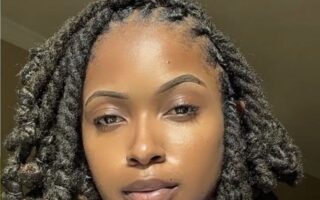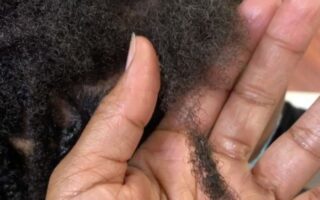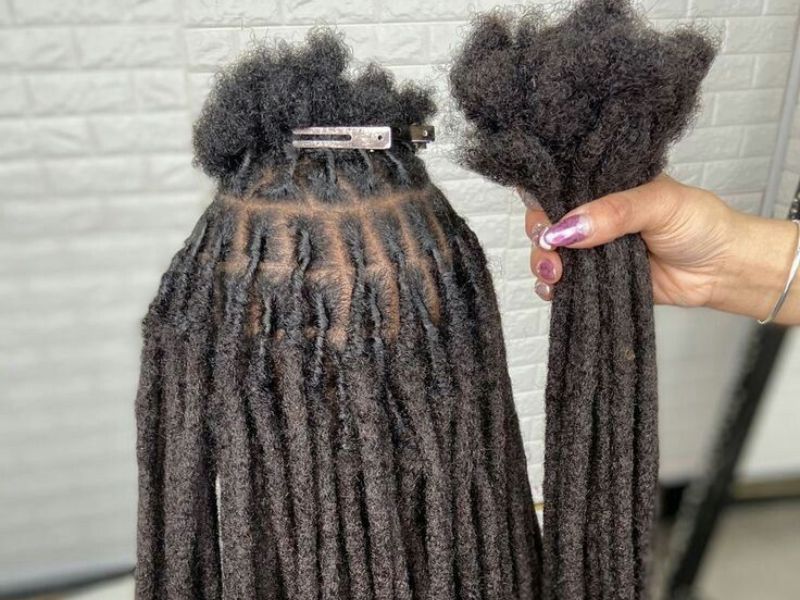
A Crochet locs hairstyle can give you the beautiful appearance of locs without requiring you to commit to growing permanent locs from your natural hair. Whether you love the look of long, flowing locs, a shoulder-length bob, or a textured updo, crochet locs offer several styling possibilities. However, before booking an appointment or purchasing extensions, it is important to understand how the installation works, how to protect your natural hair, and what maintenance the style requires.
Many people choose crochet locs hairstyle because they want a convenient protective hairstyle that looks beautiful without spending hours styling their hair every morning. The extensions can create a fuller appearance, add length, and help reduce the need for daily manipulation. Nevertheless, the results depend on the quality of the extensions, the installation technique, and how well you care for your scalp and natural hair.
Another important consideration is that crochet locs are not automatically protective simply because they cover your natural hair. Heavy extensions, tight cornrows, excessive pulling, and poor cleansing habits can cause discomfort or contribute to breakage. Therefore, understanding the process before installation can help you make informed decisions and enjoy your hairstyle more comfortably.
If you are exploring different loc styles, you may also enjoy How to Care for Your Locs the Right Way: A Step-by-Step Guide, which explains the importance of cleansing, moisture, and consistent maintenance.
In this guide, you will discover what crochet locs hairstyle are, how they differ from traditional locs, which extension types to consider, how to prepare your natural hair, and what to expect during installation. You will also learn how to maintain your style, avoid common mistakes, and decide whether crochet locs fit your lifestyle.
What Is a Crochet Locs Hairstyle?
Understanding the crochet locs technique
A Crochet locs hairstyle uses ready-made loc-shaped extensions that are attached to your natural hair with a crochet method. Depending on the installation technique, the stylist may first create cornrows or individual braided sections before attaching the extensions.
The extensions are designed to resemble mature locs, which makes this style appealing to people who want the appearance of locs without waiting for their own hair to develop them naturally.
Unlike traditional loc installation, which involves starting and developing locs from your natural hair, crochet loc extensions are added to the hair that you already have. As a result, you can experiment with different lengths, thicknesses, and colours without making a permanent change to your natural hair structure.
However, the term crochet locs can describe several related techniques. Some installations involve crocheting extensions onto cornrows, while others attach individual faux locs to braided or twisted sections. The method used affects the final appearance, installation time, and maintenance requirements.
Before choosing a stylist, ask which technique they intend to use and how the extensions will be secured. This conversation can help you understand what will happen to your natural hair underneath the finished style.
How crochet locs differ from permanent locs
Permanent locs develop from your own hair over time. Depending on the starting method, your hair gradually forms and matures into individual locs that require ongoing maintenance.
Crochet loc extensions create a loc-like appearance using added hair. Your natural hair remains underneath the extensions, and the style can generally be removed without leaving permanent locs behind when the installation and removal are handled correctly.
There are advantages to both approaches, but they serve different purposes.
If you want to explore the loc journey itself, read How to Transition from Relaxed Hair to Locs Without Damaging Your Hair. It explains why hair condition and the transition method matter when starting permanent locs.
On the other hand, crochet locs may appeal to you if you want temporary styling flexibility. You can enjoy the appearance of locs, experiment with different lengths, and return to your natural hair after removing the extensions.
Who can consider crochet locs?
Crochet locs may suit people who want a protective style, prefer the appearance of locs, or need a hairstyle that reduces everyday styling.
They can also work for people who enjoy changing their hairstyles regularly. For example, you might choose medium-length locs for everyday wear and try a longer style for a special occasion later.
Nevertheless, your scalp condition and natural hair strength should guide your decision. If your hairline is thinning, your scalp is irritated, or your hair is breaking, speak with a qualified hair professional before installing extensions.
The goal is not simply to achieve a particular appearance. It is to choose a hairstyle that remains comfortable and manageable while allowing you to care for your natural hair.
Crochet Locs Hairstyle: What to Know Before Installing Crochet Locs
1. Know the Different Types of Crochet Locs Before Choosing a Style
Traditional-looking faux locs
Faux locs are extensions designed to imitate the appearance of natural locs. They can have a smooth, polished finish or a more textured appearance, depending on the material and construction.
Some faux locs resemble mature locs with relatively uniform thickness. Others have slightly irregular surfaces that create a more natural-looking finish.
When choosing this option, consider how thick you want the locs to appear and how much volume you prefer. Smaller locs can create a more detailed appearance, while thicker ones produce a bolder silhouette.
You should also consider the weight of the extensions. Long, thick faux locs may look attractive, but an excessively heavy installation can put unnecessary strain on your scalp.
Soft and distressed crochet locs
Distressed locs have a textured finish rather than a perfectly smooth surface. They may include loose strands, irregular wrapping, or a slightly undone appearance.
This style can work well if you prefer a relaxed look rather than highly uniform locs. The texture also creates visual interest without requiring elaborate styling.
However, the loose fibres may need occasional attention to prevent excessive tangling. Avoid pulling individual strands aggressively because doing so can disturb the extension or your natural hair.
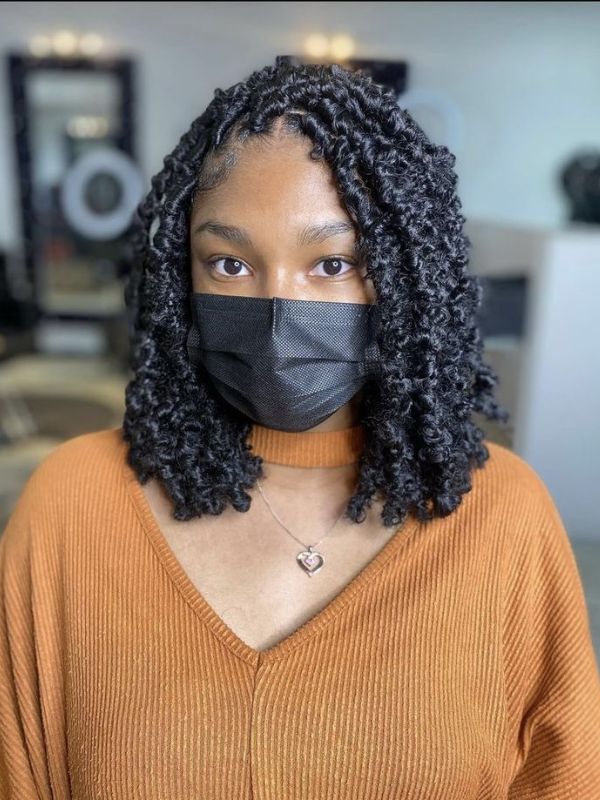
Butterfly-style crochet locs
Butterfly locs have a distinctive textured appearance, often featuring loops and a slightly undone finish. They are related to faux loc styles but are not identical to every other crochet loc technique.
If you like textured hairstyles, you may also enjoy Crochet Hairstyles For Black Women, which explores different crochet-inspired looks and styling possibilities.
When selecting butterfly locs, ask the stylist how the extensions are constructed and attached. Some versions use wrapping techniques, while others come ready-made.
The finished style should feel secure without pulling at your roots. In addition, the loops should not be excessively tight or repeatedly snagged during daily activities.
Short crochet locs
Short crochet locs can create a lightweight, manageable hairstyle that is easy to arrange. They may fall around the ears, jawline, or shoulders, depending on the chosen length.
This option can be practical if you are new to loc extensions and want to understand how the style feels before committing to a longer version.
Short locs can also be easier to gather, wash, and dry than very long extensions. Nevertheless, their weight still depends on the thickness and construction of the individual locs.
For more inspiration, explore Beautiful Loc Styles for Special Occasions That Will Make You Stand Out
Long crochet locs
Long crochet locs create a dramatic appearance and offer several styling options. You can wear them loose, sweep them over one shoulder, or arrange them into selected updos if the weight allows.
However, length adds weight and can make the hairstyle more difficult to manage. Long extensions may also rub against your clothes and become tangled during sleep.
Before selecting extra-long locs, consider your everyday routine. If you spend much of the day outdoors, exercise regularly, or prefer quick styling, medium-length extensions may be easier to manage.
The most suitable length is one that complements your preferences without making your scalp uncomfortable.
2. Decide Whether Crochet Locs Are Right for Your Natural Hair

Consider your current hair condition
Before installing a Crochet locs hairstyle, examine the condition of your natural hair and scalp.
Healthy hair does not need to be perfectly thick or long to accommodate every crochet style. However, your hair should be in a condition that can tolerate the chosen installation method without unnecessary stress.
If your strands are already breaking, adding heavy extensions may make the problem worse. Similarly, a sensitive scalp may react poorly to tight braiding or prolonged pulling.
Consider postponing installation if you notice persistent irritation, unusual shedding, or thinning around your hairline. A qualified hair professional can help you identify a suitable approach, while persistent scalp symptoms may require medical advice.
Think about your natural hair length
The amount of natural hair you have can influence how a stylist prepares and secures the extensions.
Some crochet techniques work with relatively short hair, while others require enough length to create secure braids or individual attachment points. The appropriate method depends on your hair texture, density, and the type of extensions.
Do not assume that longer natural hair is always necessary. Instead, show your stylist your current hair and ask whether the selected method can be installed securely without excessive tension.
A professional consultation can also help you decide whether your hair needs trimming or additional care before installation.
Understand your scalp sensitivity
A hairstyle should not cause persistent pain. Although you may notice some unfamiliar pressure after installation, strong pulling, burning, headaches, or significant discomfort should not be treated as normal.
Tell your stylist about scalp sensitivity before the appointment. Ask for a comfortable installation and speak up immediately if the braids or extensions feel too tight.
If pain develops after installation, avoid tightening the style or adding more products to mask the discomfort. Contact the stylist promptly and arrange for the style to be loosened or removed if necessary.
Protecting your scalp is more important than preserving a hairstyle that hurts.
Consider your daily routine
Your lifestyle should influence the crochet locs you choose.
If you have a busy school, work, or family schedule, you may appreciate a style that requires little daily manipulation. Medium-length locs with a moderate amount of volume can be easier to manage than extremely long extensions.
Likewise, consider whether you swim regularly, exercise frequently, or spend time in hot and humid conditions. These activities can affect how often you need to cleanse your scalp and how carefully you must dry the extensions.
Before deciding, make a realistic assessment of the care you can maintain. A beautiful hairstyle becomes easier to enjoy when its upkeep fits your everyday routine.
3. Choose the Right Crochet Loc Extensions
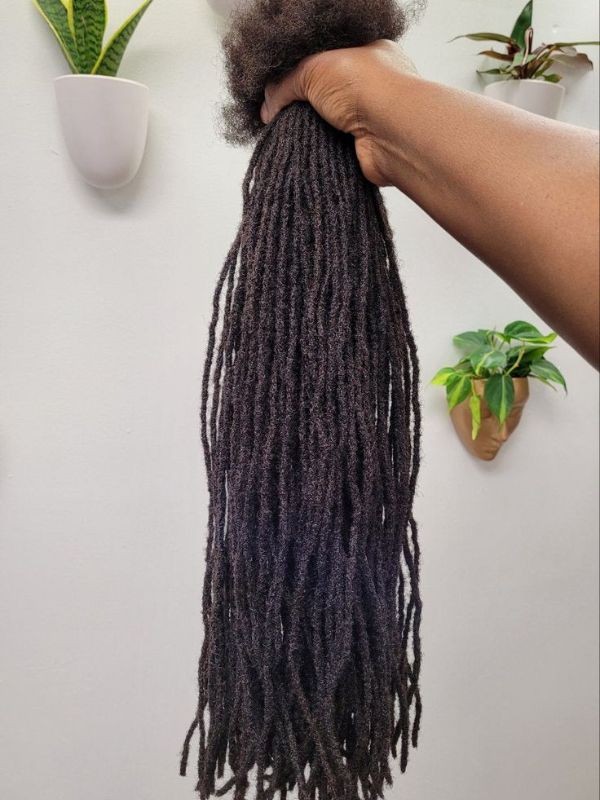
Synthetic loc extensions
Synthetic extensions are commonly used for faux loc styles. They are available in different colours, lengths, thicknesses, and finishes.
One advantage is variety. You can choose natural black, dark brown, lighter brown, or other shades depending on your preferred appearance.
However, synthetic materials vary in quality. Some may feel rough, become tangled easily, or irritate sensitive skin. Therefore, check the material and finish before purchasing.
If possible, examine a small sample before buying enough extensions for your entire head. This allows you to assess the texture, weight, and general quality.
Pre-looped crochet locs
Pre-looped locs are manufactured with an attachment loop that allows the stylist to secure them using a compatible crochet technique.
They can simplify installation because the locs are already shaped. The stylist does not need to create every extension from scratch.
Nevertheless, pre-looped extensions still need to be installed correctly. The attachment point should be secure without squeezing or pulling the natural hair excessively.
Ask how many packs will be needed and whether the selected locs are lightweight enough for your intended length.
Hand-wrapped faux locs
Some faux loc extensions are created by wrapping hair around a base to produce the appearance of locs.
Depending on the construction, the finish may look smooth, distressed, or slightly irregular. These extensions can be useful if you want a specific texture or shape.
Before choosing them, check whether the wrapping is secure and whether the fibres are likely to unravel with normal wear.
You should also ask whether the extensions are suitable for the installation method your stylist plans to use.
Check the weight before buying
Weight deserves careful attention because extensions can look lightweight in photographs while feeling much heavier when installed across the entire head.
Very long or thick locs may place additional strain on your roots. This can be particularly concerning around the temples and hairline.
Ask your stylist to assess the total weight of the extensions rather than judging individual locs alone.
If you are uncertain, consider choosing shorter or thinner locs. A comfortable installation is more useful than an elaborate style that causes persistent tension.
Match the colour to your preference
Black and dark brown extensions create a classic appearance, while brown highlights and mixed shades add dimension.
You can also choose a subtle ombre effect, where the colour gradually changes along the length of the locs.
When choosing a colour, consider whether you want the extensions to blend closely with your natural hair or create a visible contrast.
There is no single colour you must choose. The most suitable option is one that reflects your personal style and works well with your wardrobe.
4. Prepare Your Natural Hair Before Installation
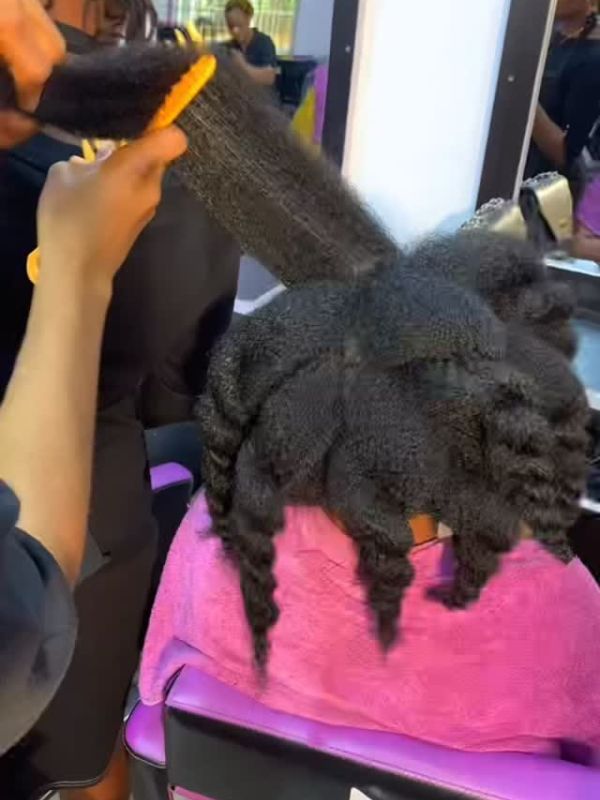
Cleanse your scalp and hair
Start with clean hair and a clean scalp. Product residue, sweat, and dirt can become more difficult to remove when the hair is tucked beneath extensions.
Use a shampoo appropriate for your scalp and hair needs. Massage gently rather than scratching aggressively, then rinse thoroughly.
If your hair has significant product buildup, a suitable clarifying wash may help. However, avoid using harsh products repeatedly because they can leave your hair feeling dry.
For a more complete routine, read How to Care for Your Locs the Right Way: A Step-by-Step Guide. Although crochet extensions differ from permanent locs, the article offers useful background on cleansing and caring for textured hair.
Detangle gently
Detangling helps the stylist work with your natural hair more comfortably.
Apply a suitable detangling product if needed, then separate your hair into manageable sections. Work gradually from the ends toward the roots rather than pulling a comb through resistant tangles.
Use your fingers or a suitable wide-tooth comb, depending on your hair texture and condition.
If you encounter a stubborn knot, pause and loosen it carefully. Forceful detangling can cause breakage before the installation even begins.
Moisturize without creating buildup
Natural hair benefits from appropriate conditioning and moisture before installation. However, applying excessive oils, butters, or styling creams can leave residue beneath the extensions.
Choose products that suit your hair and use a reasonable amount. Your stylist can advise you on whether a leave-in conditioner or lightweight moisturizer is appropriate for your chosen technique.
Avoid assuming that more product always means better hydration. The goal is to prepare your hair without leaving a heavy coating.
Allow your hair to dry appropriately
Depending on your installation method, your hair may need to be fully dry before the stylist begins.
Damp hair enclosed beneath a style can take longer to dry, especially when thick extensions are installed. Prolonged moisture may contribute to unpleasant odours or scalp problems.
Follow your stylist’s instructions about drying and preparation. If you wash your hair shortly before the appointment, allow enough time for it to dry thoroughly.
Discuss trimming and fragile areas
You do not necessarily need a haircut before installing crochet locs. However, damaged ends or fragile sections may require attention.
Ask your stylist to examine the hairline, temples, nape, and any areas that have been breaking.
These areas can be more vulnerable to tension, especially when extensions are attached to tightly braided sections.
A careful assessment allows the stylist to adjust the installation method instead of treating every section of your hair in the same way.
5. Understand How Crochet Locs Hairstyle Are Installed

Step 1: Consultation and style selection
The process begins with choosing the extension type, length, thickness, colour, and installation method.
Your stylist should ask about your natural hair condition, previous reactions to extensions, and preferred level of maintenance.
Bring reference photographs if you have a particular appearance in mind. However, understand that the final result may differ slightly depending on your hair density and the extensions available.
Use the consultation to discuss weight, tension, expected wear time, and removal.
Step 2: Sectioning the natural hair
The stylist separates your hair into sections according to the chosen technique.
For a cornrow-based installation, the hair is braided into a pattern that provides attachment points for the extensions. Other methods may use individual braids or twists.
The pattern affects the finished hairstyle, particularly around the parting and hairline.
Sectioning should be neat without forcing the hair into excessively small or tight braids. If you experience pain during this stage, tell the stylist before the installation continues.
Step 3: Attaching the extensions
The stylist uses the appropriate crochet technique to secure each extension to the prepared section.
The precise process varies according to the type of faux locs and whether the extensions are pre-looped or individually constructed.
A secure attachment should not require painful pulling. The stylist should also avoid repeatedly catching, snagging, or breaking your natural hair while working.
If you are unsure about the technique, ask the stylist to explain the next step before proceeding.
Step 4: Checking the overall weight and tension
Once the extensions are attached, the stylist should assess how the hairstyle feels.
The locs should not pull excessively when you move your head. Your scalp should also feel comfortable when you gently move the extensions.
Pay particular attention to the temples, nape, and edges because these areas can experience strain if the extensions are heavy or the attachment points are too tight.
Do not ignore discomfort simply because the finished style looks attractive.
Step 5: Finishing the hairstyle
The stylist arranges the extensions, checks the attachment points, and makes any necessary adjustments.
Depending on the style, this may involve trimming stray extension fibres, shaping the ends, or arranging the locs into the desired length.
Avoid excessive heat or chemical treatments unless the extension manufacturer confirms that the material can tolerate them.
Before leaving the salon, ask for specific instructions about washing, moisturizing, sleeping, and removal.
6. How Long Does a Crochet Locs Hairstyle Take to Install?
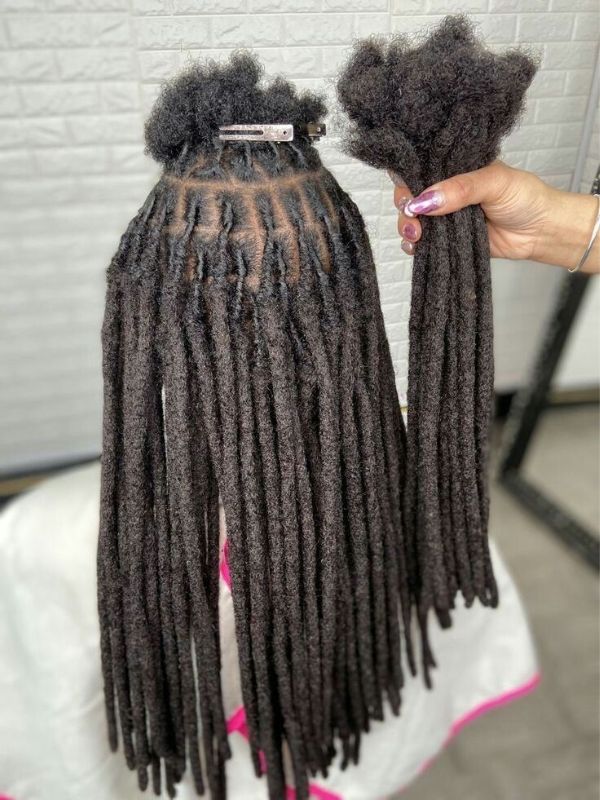
Factors that influence installation time
Installation time varies according to the number of locs, their thickness, the attachment method, and the stylist’s experience.
A simple style using ready-made extensions may take less time than an intricate installation with many small locs. Preparing the natural hair and creating the desired parting pattern can also affect the appointment length.
Very long or thick styles may require additional time because the stylist must manage more material.
For this reason, it is better to ask your stylist for an estimate based on your chosen style rather than relying on a single time estimate found online.
Plan your appointment realistically
If you have a busy schedule, avoid arranging an important event immediately after an appointment that may take several hours.
Give yourself enough time for the installation and a final comfort check. You should not feel pressured to accept tight braids or rushed work because the appointment is running late.
You can also ask whether the stylist offers a consultation before installation. This makes it easier to plan your budget and schedule.
Do not confuse speed with quality
A fast installation is not necessarily a good installation, just as a long appointment does not guarantee excellent results.
The important factors are correct technique, suitable extension weight, careful handling, and comfortable attachment points.
Your stylist should work efficiently while still protecting your natural hair.
7. How Long Can You Keep Crochet Locs Hairstyle Installed?
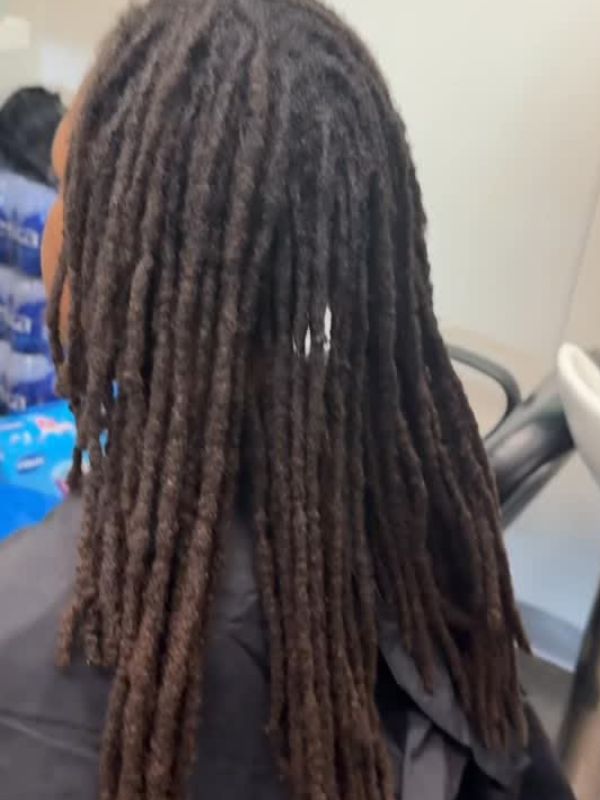
Understand the difference between a style’s lifespan and safe wear
Crochet locs are temporary extensions, but their suitable wear time depends on the installation technique, hair growth, scalp condition, extension quality, and maintenance.
Some styles remain presentable for several weeks. However, this does not mean every installation should be kept for the same length of time.
A hairstyle that begins to tangle, loosen, smell unpleasant, or cause discomfort may need attention earlier.
Follow the recommendations given by your stylist and reassess the condition of your scalp and natural hair throughout the wearing period.
Recognize when the style needs attention
Look for excessive matting near the roots, persistent itching, unpleasant odours, visible residue, or loose attachment points.
These signs may indicate that the hairstyle needs cleansing, adjustment, or removal.
Do not try to solve every problem by adding more oil or styling products. Heavy product layers can make buildup more difficult to remove.
If you are unsure whether the extensions remain in good condition, ask a qualified stylist to assess them.
Avoid keeping extensions indefinitely
Leaving extensions installed for too long can make detangling and removal more difficult.
As your natural hair grows, loose hairs may become trapped around the attachment points. Friction can also create tangles, particularly when the hair is not separated or cleansed properly.
Plan for removal before installation rather than waiting until the style becomes difficult to manage.
Your next hairstyle should begin with healthy, well-cared-for natural hair rather than unnecessary breakage from an overdue installation.
8. How to Maintain Crochet Locs Hairstyle Without Damaging Your Natural Hair
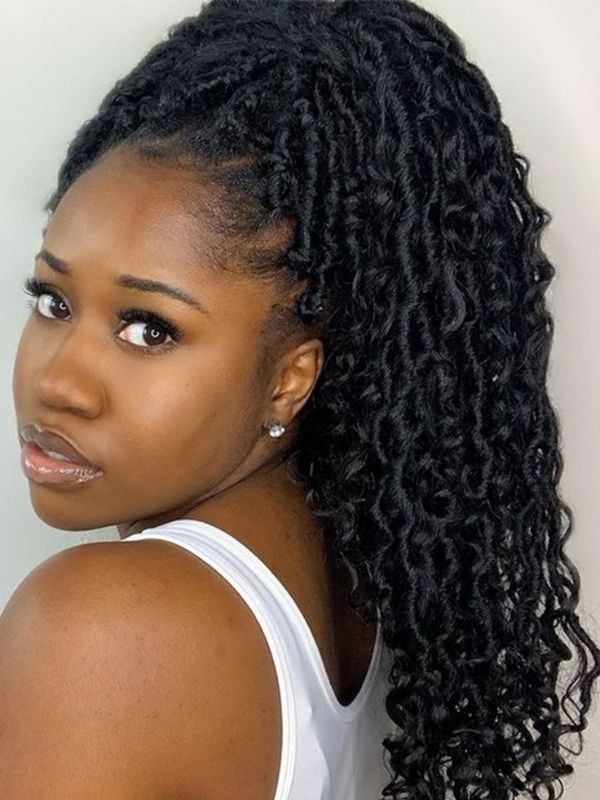
Keep your scalp clean
A protective hairstyle still requires regular cleansing.
Sweat, dead skin cells, and product residue can accumulate around the scalp and attachment points. Ignoring them may lead to itching, unpleasant odours, or other scalp concerns.
Use a cleansing method suitable for your installation. Apply shampoo gently to the scalp, work it through without aggressively rubbing the extensions, and rinse thoroughly.
Avoid scrubbing the roots so forcefully that you loosen the braids or attachment points.
Your washing schedule should reflect your scalp needs, activity level, and stylist’s advice. Do not avoid washing simply because you want the hairstyle to last longer.
Moisturize your natural hair appropriately
Your natural hair still needs care underneath the extensions.
Depending on your hair and scalp, a lightweight moisturizer or suitable leave-in product may help manage dryness. Apply it sparingly to accessible areas without saturating the attachment points.
Heavy products can accumulate around the roots and become difficult to remove.
If your scalp feels dry or irritated, consider whether the problem comes from the product itself, excessive tension, or another cause. Adding more oil is not always the answer.
Protect your hairstyle while sleeping
Friction between your hair, pillowcase, and bedding can cause frizz and tangling.
A satin or silk bonnet, scarf, or pillowcase can help reduce friction during sleep.
Before bed, arrange the locs comfortably rather than pulling them into a tight ponytail. Very long extensions may be loosely gathered if doing so does not strain your roots.
Choose a method that feels comfortable and does not leave you with soreness around the hairline in the morning.
Dry the extensions thoroughly
After washing, remove excess water gently with a clean towel. Avoid rough rubbing because it can disturb the extensions and increase tangling.
Allow the locs to dry completely. Thick or long extensions may take longer than loose natural hair, so plan enough time.
Do not routinely go to bed with wet extensions. If the style stays damp for prolonged periods, moisture can become trapped near the attachment points.
If your extensions are unusually dense, ask your stylist how to dry them effectively without damaging the material.
Avoid excessive manipulation
One advantage of crochet locs is that you can reduce daily styling.
You do not need to rearrange every loc each morning or repeatedly tighten sections to maintain a neat appearance.
Use your fingers gently when separating the extensions. If a section becomes tangled, work through it patiently rather than pulling it apart.
For additional maintenance guidance, read How to Keep Your Locs Looking Neat All the Time—Even Between Retwists. Although the article focuses on natural locs, its emphasis on avoiding unnecessary manipulation is also useful when caring for extensions.
9. Protect Your Edges and Hairline During Installation
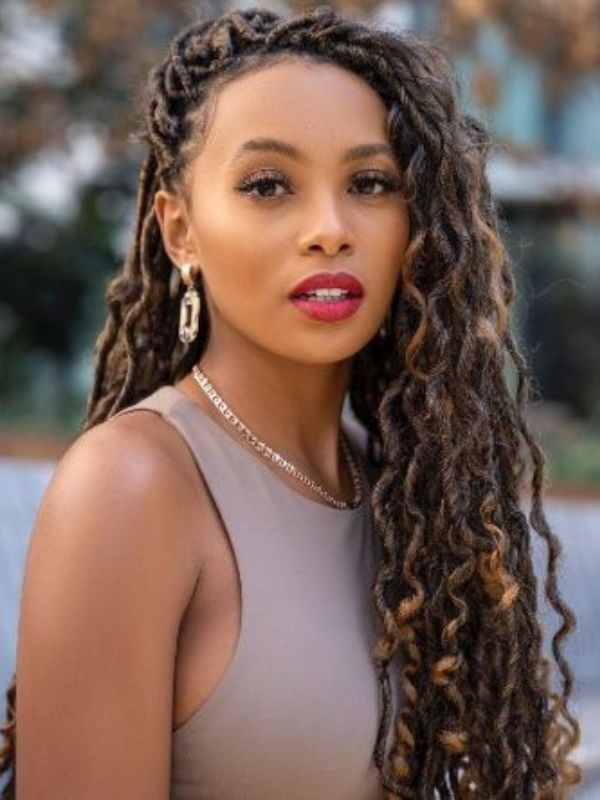
Understand why the hairline needs attention
The hair around your temples and hairline can be vulnerable to repeated pulling.
Heavy extensions, tightly braided sections, and frequent use of tight ponytails can place additional stress on these areas.
Even if the rest of your hairstyle feels comfortable, your edges may experience strain if the front sections are too tight.
Tell your stylist that you want the hairline handled gently. The front sections should not need to be painfully tight to hold the extensions securely.
Avoid excessive tension around the temples
The temples should not be treated as anchor points for a large amount of extension weight.
A careful stylist will consider how the weight is distributed across the head and adjust the installation where necessary.
If you feel strong pulling while the stylist is working, speak up immediately. Waiting until the entire style is finished can make corrections more difficult.
After installation, avoid tight hairstyles that pull the extensions backward or upward.
Give your edges a break between installations
Repeatedly installing heavy styles without allowing your hairline to recover can contribute to ongoing stress.
After removing crochet locs, examine your hair gently. If the edges feel fragile or appear thinner than before, avoid immediately installing another heavy style.
Choose a lower-tension alternative while you assess your hair’s condition.
For persistent thinning, breakage, or scalp discomfort, seek advice from a qualified healthcare professional rather than relying only on cosmetic products.
Common Mistakes to Avoid Before Installing Crochet Locs

Choosing extensions based only on appearance
Photographs often show the finished hairstyle without revealing its weight, attachment method, or maintenance requirements.
A style that looks beautiful on someone else may not suit your hair condition or daily routine.
Before choosing an extension, consider its material, thickness, length, and weight. Ask the stylist whether it is appropriate for your hair.
Installing locs too tightly
Tight braids and heavy extensions can create unnecessary tension.
A style should not cause significant pain, headaches, or strong pulling. If you experience these symptoms, ask for the installation to be adjusted rather than assuming you must tolerate them.
Comfort is an important part of a successful hairstyle.
Skipping hair preparation
Installing extensions over tangled hair or a scalp with substantial product buildup can make maintenance more difficult.
Prepare your hair by cleansing, detangling gently, and following your stylist’s instructions.
You do not need an elaborate collection of products. A careful preparation routine is more useful than applying many treatments immediately before installation.
Using too many products
Applying oil, gel, cream, and other products repeatedly can lead to residue.
Instead, identify what your hair and scalp actually need. Use suitable products sparingly and cleanse your scalp regularly.
If a product causes itching or irritation, stop using it and assess whether the style or another factor may also be contributing to the problem.
Ignoring pain and irritation
Persistent discomfort is not a sign that the style is working.
Pain, burning, swelling, or significant scalp irritation deserves attention. Contact your stylist and remove or loosen the extensions if necessary.
If symptoms continue or worsen, seek appropriate medical advice.
Leaving the style installed for too long
As natural hair grows, the attachment points and roots require attention.
Waiting until the extensions are severely tangled can make removal harder and increase the risk of breakage.
Plan your removal date in advance and follow the stylist’s recommendations.
How to Style Crochet Locs for Different Occasions
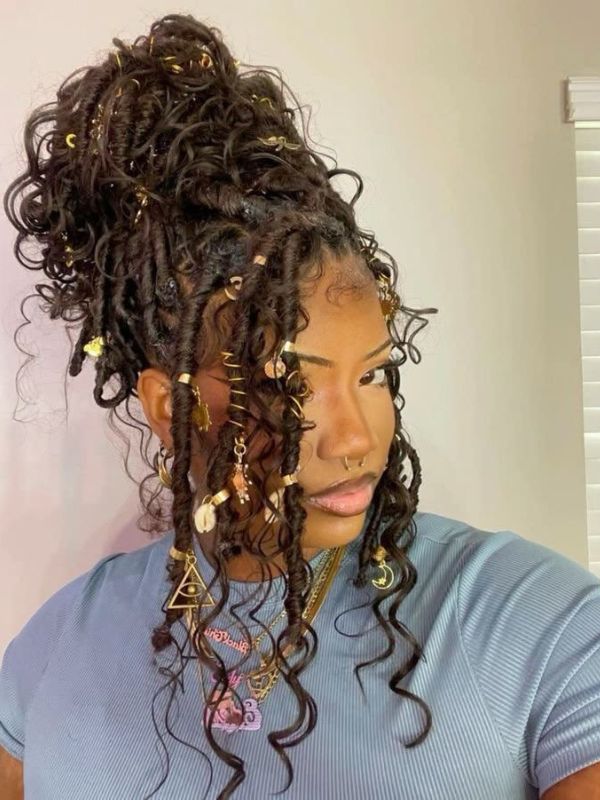
Wear the locs loose for everyday activities
Wearing crochet locs down is one of the simplest ways to enjoy their texture and length.
You can create a middle part, a side part, or a slightly off-centre arrangement. Choose the direction that feels comfortable and works with the extension pattern.
Avoid repeatedly pulling the roots while trying to make every loc sit perfectly.
For everyday wear, a simple arrangement can be enough. You do not need to add multiple accessories or products to make the style look complete.
Create a half-up hairstyle
A half-up hairstyle gathers some locs away from the face while allowing the remaining extensions to fall freely.
Take a comfortable section from the upper part of the hairstyle and secure it with a soft accessory that does not pull tightly.
This option can work for casual outings, school events, family gatherings, or relaxed celebrations.
If the extensions are heavy, gather only a small section. The goal is to change the appearance without placing unnecessary pressure on the roots.
Try a loose low bun
A low bun can create a neat appearance for more formal occasions.
Gather the locs gently near the nape and arrange them into a loose bun. Use suitable pins or a soft accessory to secure the style.
Avoid twisting the extensions tightly or forcing them into a small bun that cannot comfortably accommodate their volume.
A relaxed bun can look polished without requiring excessive tension.
Add a scarf or headband
Scarves and headbands offer a simple way to change the appearance of crochet locs.
You can choose a patterned scarf for a colourful finish or a neutral headband for a more understated look.
Make sure the accessory does not squeeze your hairline or create pressure around the temples.
For more inspiration, explore How to Elevate Your Look with Fashionable Headbands Hairstyles. You can adapt suitable accessory ideas to your own crochet loc style.
Choose a formal updo carefully
Formal updos can work well with crochet locs when the extensions are light enough and long enough to arrange comfortably.
However, some elaborate styles require tight pulling or multiple heavy sections. These techniques may not be suitable for every installation.
Discuss your preferred look with your stylist before the event. This gives you time to choose an arrangement that suits the extension weight and attachment method.
If the hairstyle feels painful, choose a simpler option instead.
How to Remove Crochet Locs Hairstyle Safely
Understand your installation method first
The correct removal process depends on how the extensions were attached.
A cornrow-based crochet installation differs from individual faux locs attached to separate braids or twists. Therefore, the same removal technique should not automatically be used for every style.
Before installation, ask your stylist how the extensions will be removed and whether you can return for a removal appointment.
Knowing the method in advance can help you avoid cutting or pulling the wrong section later.
Avoid cutting your natural hair accidentally
Some extensions contain wrapped fibres or attachment points that can resemble natural hair.
Cutting into the wrong section may damage your own strands.
If you cannot clearly identify where the extension ends and your natural hair begins, stop and seek professional assistance.
Do not rush removal simply because the style has become inconvenient.
Work patiently through the extensions
Pulling extensions out forcefully can cause unnecessary breakage.
A professional removal should focus on releasing the attachment points and separating the extension material from your natural hair without excessive force.
If your hair is tangled, allow time for careful detangling after the extensions are removed.
Avoid using scissors near uncertain attachment points or aggressively combing through knots.
Cleanse and assess your natural hair afterward
Once the extensions have been removed, cleanse your scalp and hair gently.
You may notice shed hairs that were retained within the style during the wearing period. This can make the amount of loose hair appear greater than usual.
Nevertheless, substantial breakage, persistent thinning, or scalp discomfort should not be dismissed as ordinary shedding.
Detangle patiently and consider giving your hair a break before installing another style.
For more information about hair condition and loc maintenance, read How to Fix Common Loc Problems and Keep Your Locs Healthy.
Crochet Locs Hairstyles Compared With Other Protective Hairstyles
Crochet locs versus crochet braids
Crochet braids are a broader category of hairstyles created by attaching extensions to prepared natural hair.
Crochet locs are one variation, using extensions designed to resemble locs. Other crochet styles may feature curls, twists, braids, or loose waves.
The choice depends on the appearance you want and the type of extensions you prefer.
If you are still comparing styles, Crochet Hairstyles For Black Women provides additional inspiration.
Source
Crochet locs versus permanent locs
Crochet loc extensions are temporary, while permanent locs develop from your own hair over time.
Extensions allow you to experiment with the appearance of locs without making a long-term commitment. Permanent locs, on the other hand, involve an ongoing process of starting, maintaining, and allowing your hair to mature.
Neither choice is automatically suitable for everyone.
Think about your preferred appearance, willingness to maintain the style, and long-term hair goals before deciding.
Crochet locs versus Sisterlocks
Sisterlocks are a specific natural hair locking system, while crochet loc extensions are temporary additions designed to create a loc-like appearance.
The installation methods, maintenance routines, and long-term commitments differ considerably.
If you are interested in small natural locs, read How to Style Sisterlocks for Short Hair: 10 Stunning Ideas When Your Locs Feel Too Short to Style.
You may also find How to Choose Sisterlocks for Older Women: Low Maintenance Styles You’ll Love helpful when exploring different loc-related styling options.
Crochet locs versus traditional braids
Traditional braids may be installed using your natural hair, extensions, or a combination of both.
Crochet locs create a different texture and silhouette because the extensions resemble individual locs rather than conventional braids.
Both styles can become uncomfortable if they are installed too tightly or made excessively heavy.
Choose the option that fits your preferences while allowing you to care for your scalp and natural hair.
How Much Should You Budget for Crochet Locs Hairstyle?
Consider the cost of extensions
The cost of crochet loc extensions varies according to the material, quality, length, thickness, and number of packs required.
Pre-made extensions may have a different price from handmade or specially textured options.
Before purchasing, ask how many packs are needed for your desired fullness. Buying too few may leave you without enough material, while purchasing excessive quantities can increase unnecessary spending.
Check the quality and weight before choosing the least expensive option.
Include the installation fee
The stylist’s fee may depend on the complexity of the style, the time required, and whether the extensions are included.
Ask for a clear breakdown of the total cost before booking.
You should understand whether the quoted amount includes hair preparation, installation, finishing, and any additional styling.
If the price is outside your budget, consider a shorter or simpler style rather than choosing an unsuitable installation solely because it is cheaper.
Remember maintenance and removal costs
Your budget should include more than the initial appointment.
You may need suitable cleansing products, a satin bonnet, occasional professional advice, and a removal appointment.
Planning for these expenses makes it easier to maintain the hairstyle responsibly.
A style that fits your budget from installation through removal is more practical than one that requires spending beyond what you can comfortably afford.
Questions to Ask Your Stylist Before Installation
Ask about the attachment method
Find out whether the extensions will be attached to cornrows, individual braids, or another prepared base.
The answer will help you understand how the hairstyle will sit, how much of your natural hair will be tucked away, and how the extensions should be removed.
It will also help you identify whether the proposed technique suits your current hair length and condition.
Ask how much the finished style will weigh
The number of packs alone does not tell you how heavy the finished hairstyle will be.
Ask the stylist to assess the total weight and explain whether your preferred length is suitable for your hair.
If the extensions seem excessively heavy, consider a lighter alternative.
Ask about washing and drying
Find out how to cleanse your scalp while the extensions are installed and how to dry the hairstyle thoroughly.
A good maintenance plan should be practical enough to follow at home.
Ask which products are suitable for the extension material and whether any special precautions are necessary.
Ask when to remove the extensions
Before leaving the salon, discuss the expected wear period and signs that the style needs to come out earlier.
You should know what to do if the scalp becomes irritated, the extensions loosen, or tangling develops around the roots.
Planning removal in advance can protect your natural hair and make your next hairstyle easier to manage.
How to Keep Crochet Locs Hairstyle Looking Neat Between Wash Days
Separate tangled sections gently
Loc extensions can rub against one another during sleep, movement, and everyday activities.
If two sections begin to tangle, separate them carefully with your fingers rather than pulling them apart forcefully.
Pay attention to the roots, where natural hair growth and loose strands may become caught around attachment points.
If a tangle is difficult to remove, seek professional assistance rather than risking unnecessary breakage.
Keep accessories lightweight
Beads, cuffs, and other accessories can add personality to crochet locs.
However, too many heavy accessories may increase the weight of individual sections or create pressure when the hair is gathered.
Choose accessories that are appropriate for the extensions and secure them without squeezing the locs.
Remove anything that catches on clothing or pulls uncomfortably.
Refresh the style without overloading it
You may occasionally need to rearrange the locs or smooth stray extension fibres.
Use gentle handling and avoid repeatedly adding gels, oils, or other products in an attempt to make every section look perfect.
A little natural texture does not mean the hairstyle is poorly maintained.
If you notice persistent frizz or loose wrapping, ask your stylist whether the issue requires adjustment.
Monitor the scalp throughout the wearing period
Do not focus so much on the appearance of the extensions that you forget the natural hair underneath.
Check for unusual itching, tenderness, persistent moisture, unpleasant odours, or signs of tension.
These symptoms may indicate that the style needs cleansing, adjustment, or removal.
Your scalp should remain a priority throughout the wearing period.
Are Crochet Locs Hairstyle a Protective Hairstyle?
Understand what protective styling means
A protective hairstyle generally aims to reduce unnecessary manipulation and protect the hair from repeated handling or environmental friction.
Crochet locs can serve this purpose when the extensions are installed appropriately and the natural hair continues to receive suitable care.
However, no hairstyle guarantees hair growth or prevents every form of breakage.
Your results depend on several factors, including installation tension, hair condition, scalp health, cleansing habits, and how carefully the extensions are removed.
Recognize the limits of protective styling
Covering your natural hair does not eliminate the need to cleanse and moisturize it appropriately.
Your hair continues to grow beneath the extensions, and shed strands may become caught within the style.
Excessive tension can also affect the hairline, while poor removal techniques may damage otherwise healthy strands.
For these reasons, protective styling should be viewed as one part of a broader hair care routine.
Choose comfort over excessive longevity
It can be tempting to keep a hairstyle installed because it still looks attractive.
However, appearance should not outweigh comfort or scalp health.
If the extensions become painful, heavily tangled, or difficult to cleanse, seek advice about adjustment or removal.
A hairstyle has served its purpose when you can enjoy it while continuing to care for your natural hair.
Signs That Crochet Locs Hairstyle May Not Be Suitable for You Right Now
Your scalp is already irritated
If your scalp is experiencing persistent irritation, sores, or unexplained discomfort, it may be better to address the problem before installing extensions.
Braids and added hair can make the area more difficult to access, depending on the technique.
Seek appropriate medical advice for ongoing or worsening scalp symptoms.
Your hair is breaking around the edges
Fragile edges may struggle with styles that add significant weight or require tight attachment points.
Consider a lower-tension hairstyle while you assess your hair condition.
You do not need to force a particular style simply because you have seen it work for someone else.
You cannot maintain the extensions comfortably
Crochet locs require a manageable routine for cleansing, drying, and monitoring the scalp.
If your schedule or circumstances make those tasks difficult, consider a simpler hairstyle.
Choosing a style that fits your everyday life can help you avoid preventable maintenance problems.
You are unsure about removal
Before installation, make sure you understand how the extensions will be taken out.
If the method seems confusing or you are worried about damaging your hair, ask your stylist to explain the removal process.
You can also arrange for professional removal in advance.
Knowing how a hairstyle ends is just as important as knowing how it begins.
If you are preparing for a formal event, consider How to Choose Wedding Locs Styles That Make You Look Elegant and Put Together for additional loc styling inspiration.
Crochet Locs Hairstyle Styling Ideas Worth Considering
Try a shoulder-length loc bob
A shoulder-length bob can provide the appearance of locs without the added length of waist-length extensions.
The style can be worn loose or arranged into a simple half-up look.
It may also be easier to wash and dry than a much longer installation, depending on the thickness and material of the extensions.
Choose a side-parted look
A side part can change the shape of the hairstyle without requiring elaborate styling.
Ask your stylist to create a parting pattern that works with your natural hair and the selected attachment method.
Avoid forcing the extensions into a direction that creates discomfort around the roots.
Experiment with subtle colour
You can choose extensions with a slightly different shade to add depth to the overall look.
For example, a dark base with brown accents may create a softer contrast than using several bright colours.
You can also choose a single shade for a more uniform finish.
Accessorize for special occasions
Lightweight cuffs, decorative pins, and suitable scarves can change the appearance of crochet locs without requiring a completely new installation.
Choose accessories that do not snag the fibres or create excessive weight.
You can also explore Wedding Hairstyles for Guests: Simple Styles for When You’re Not Sure and Short on Time when planning an outfit and hairstyle for a celebration.
A Simple Crochet Locs Hairstyle Care Checklist
Before installation
- [ ] Examine your scalp and natural hair condition.
- [ ] Choose extensions with a suitable weight and length.
- [ ] Cleanse and detangle your hair gently.
- [ ] Discuss the attachment technique with your stylist.
- [ ] Confirm the total cost and expected appointment time.
- [ ] Ask how the style will be removed.
Immediately after installation
- [ ] Check that the roots and hairline feel comfortable.
- [ ] Speak up if the extensions pull or cause pain.
- [ ] Ask for suitable washing and drying instructions.
- [ ] Learn which products are appropriate for the extensions.
- [ ] Plan when to reassess and remove the hairstyle.
During the wearing period
- [ ] Cleanse your scalp according to your needs.
- [ ] Dry the extensions thoroughly after washing.
- [ ] Use suitable moisture products sparingly.
- [ ] Protect the locs while sleeping.
- [ ] Avoid tight hairstyles and excessive manipulation.
- [ ] Monitor the scalp for irritation and tension.
- [ ] Remove the extensions when necessary rather than keeping them indefinitely.
After removal
- [ ] Detangle your natural hair patiently.
- [ ] Cleanse your scalp and hair gently.
- [ ] Assess the condition of your edges and roots.
- [ ] Allow fragile areas to recover before another heavy style.
- [ ] Seek professional advice if breakage or irritation persists.
Frequently Asked Questions About Crochet Locs Hairstyles
1. What is a crochet locs hairstyle?
A crochet locs hairstyle uses loc-shaped extensions attached to prepared natural hair using a crochet technique. It creates the appearance of locs without requiring you to grow permanent locs from your own hair.
The exact installation method varies. Some styles use cornrows as the base, while others attach individual extensions to braided or twisted sections.
2. Can crochet locs damage natural hair?
Crochet locs can contribute to breakage if they are installed too tightly, made excessively heavy, or removed forcefully.
However, appropriate extension weight, gentle installation, regular cleansing, and careful removal can help reduce unnecessary stress.
If you experience persistent pain, irritation, or thinning, seek professional advice rather than continuing to wear an uncomfortable style.
3. How long do crochet locs last?
Crochet locs can remain installed for several weeks, depending on the attachment method, extension quality, natural hair growth, and maintenance.
There is no single wear period that suits every installation. Follow your stylist’s recommendations and remove the extensions if they become painful, heavily tangled, or difficult to maintain.
4. Can I wash my hair with crochet locs installed?
Yes, many crochet loc installations can be washed. However, the appropriate method depends on the extension material and attachment technique.
Cleanse the scalp gently, rinse thoroughly, and allow the extensions to dry completely.
Ask your stylist for instructions specific to your hairstyle rather than avoiding washing to make the extensions last longer.
5. Are crochet locs suitable for short natural hair?
They may be suitable for short hair, depending on the installation technique, hair condition, and extension type.
Some methods require enough length to create secure braids or attachment points. A qualified stylist can assess your hair and recommend an appropriate option.
6. Can I install crochet locs at home?
Some people install crochet styles themselves, but the technique requires care and an understanding of how to secure extensions without damaging natural hair.
If you are unfamiliar with the method, professional installation can help you avoid excessive tension and attachment problems.
If you do choose to learn the technique, start by understanding the specific extension instructions and avoid continuing if the process causes pain or breakage.
7. Do crochet locs help natural hair grow?
Crochet locs do not directly make hair grow faster.
Natural hair growth occurs at the follicles. A suitable protective style may reduce some forms of daily manipulation, but growth and length retention depend on several factors, including hair health, scalp condition, genetics, and breakage.
Avoid treating any hairstyle as a guaranteed hair-growth solution.
Conclusion on Crochet Locs Hairstyle
A Crochet locs hairstyle can be a convenient way to enjoy the appearance of locs without committing to permanent loc formation. With different extension types, lengths, textures, and styling options available, you can choose a look that reflects your preferences and fits your everyday routine.
However, the most important decision happens before installation. Consider the condition of your natural hair, the weight of the extensions, the attachment technique, and the maintenance you can realistically manage.
Remember that protective styling should not come at the expense of scalp comfort. Tight braids, heavy extensions, excessive product buildup, and careless removal can all create avoidable problems. Choose a qualified stylist, ask questions before the appointment, and speak up if anything feels uncomfortable.
After installation, maintain a suitable cleansing routine, moisturize thoughtfully, protect the extensions while sleeping, and allow them to dry completely after washing. Monitor your hairline and scalp throughout the wearing period, and plan for careful removal rather than leaving the style installed indefinitely.
Most importantly, choose a style that works for you rather than selecting one solely because it is popular. Even if you prefer short crochet locs, textured faux locs, or long extensions, a comfortable and manageable installation can help you enjoy the look while continuing to care for your natural hair.
If you want to explore more locs and loc care ideas, visit the for additional inspiration and practical guidance.