How to Make Your Retwist Last Longer Without Damaging Your Locs
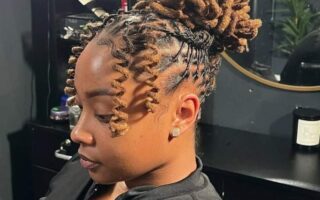
There is something special about leaving your loctician’s chair with freshly retwisted locs. Your roots look neat, your parts are clear, and your hairstyle feels refreshed. Whether you prefer a simple style or beautifully styled locs, a fresh retwist can make you feel confident and ready to take on the world.
However, that fresh appearance does not always last as long as you would like. A few days after your appointment, your roots may begin to look fuzzy, your locs may lose their neat appearance, and your hairstyle might not look as polished as it did on the first day.
The good news is that you do not always need another salon appointment to maintain a neat appearance. Learning how to make your retwist last longer can help you protect your locs, maintain your hairstyle, and avoid unnecessary manipulation.
The secret is not twisting your hair tighter or applying more products. Instead, it involves developing healthy habits that support your locs, protecting your hair while you sleep, and understanding how your hair naturally behaves.
If you want to make your retwist last longer without damaging your roots, this guide will walk you through practical techniques that work with your loc journey rather than against it.
Start With a Healthy Retwist
One of the most important steps to make your retwist last longer begins before you leave your loctician’s chair.
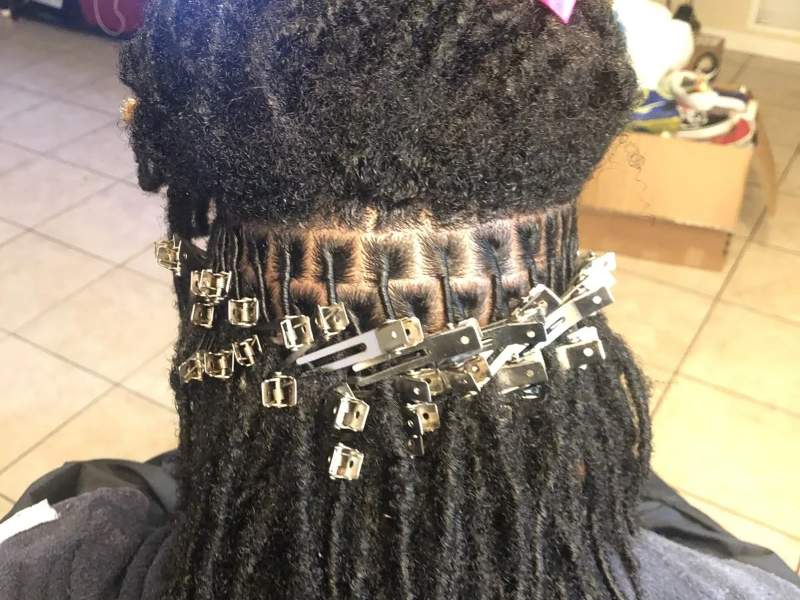
A good retwist should create neat roots without placing excessive tension on your scalp. When your roots are properly maintained, your hairstyle has a better chance of remaining presentable between appointments.
Your loctician should understand your hair texture, loc size, density, and stage of development. These factors influence how your roots respond to twisting and how long your style may remain neat.
Avoid asking your loctician to twist your roots extremely tightly simply because you want the style to last longer. Excessive tension can cause soreness, thinning, breakage, and traction-related hair loss.
Healthy locs are more important than perfectly smooth roots.
If you want to make your retwist last longer, communicate your preferences clearly during your appointment. Ask for a comfortable retwist that maintains your parts without pulling your hair excessively.
Your scalp should feel comfortable afterward. Persistent pain, bumps, or tenderness are signs that the style may be too tight.
Remember that a professional retwist is not supposed to hurt. A gentle technique provides a better foundation for maintaining your locs without compromising their health.
Keep Your Locs Protected While Sleeping
Your nighttime routine can make a significant difference in how long your retwist stays neat.
While you sleep, your hair rubs against pillows, sheets, and blankets. This friction can disturb your roots, increase frizz, and flatten your hairstyle.
One simple way to make your retwist last longer is to cover your locs before going to bed.
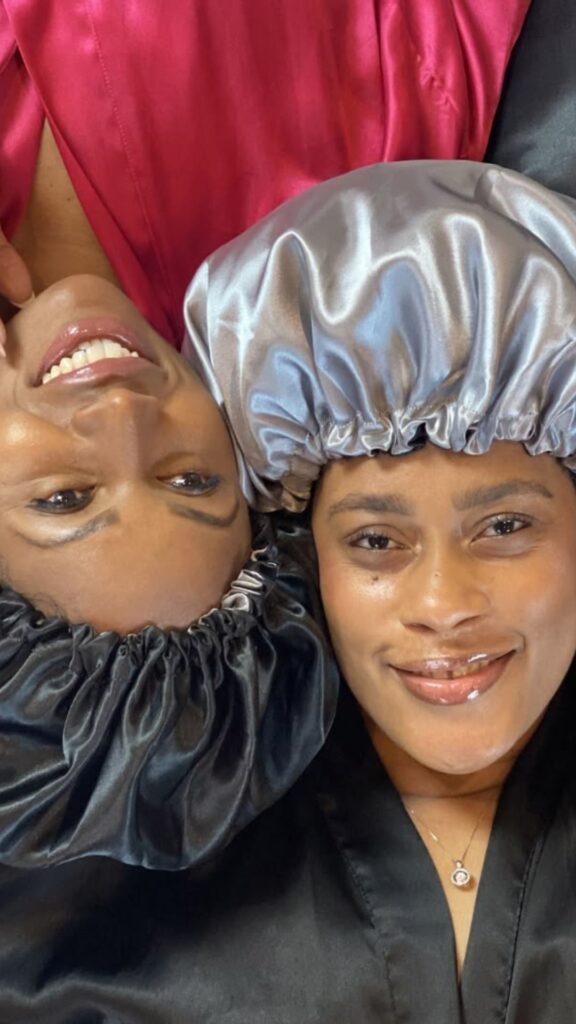
A satin or silk bonnet can help reduce friction and protect your hair overnight. Choose a bonnet that comfortably accommodates the length and thickness of your locs without pulling at your hairline.
If your locs are long, consider a bonnet designed specifically for longer hairstyles. This prevents your hair from becoming compressed into an uncomfortable position.
You can also use a satin pillowcase as an additional protective measure. If your bonnet slips off during the night, the pillowcase provides another layer of protection against friction.
Before sleeping, gently arrange your locs inside your bonnet. Avoid pulling them tightly into a bun or forcing them into a position that strains your roots.
Consistency matters more than expensive accessories. Making nighttime protection part of your routine helps you make your retwist last longer while keeping your hair comfortable.
Avoid Excessive Moisture Immediately After Retwisting
Water is essential for healthy hair, but excessive moisture immediately after a retwist can affect how your roots maintain their shape.
When your hair becomes wet, the roots may loosen, and your carefully separated parts can become less defined. This is particularly noticeable when your locs are freshly retwisted and have not had enough time to settle.
To make your retwist last longer, follow your loctician’s aftercare instructions regarding moisture.
Some people benefit from keeping their hair relatively dry for a short period after retwisting. However, the appropriate timing depends on the technique used, your hair’s needs, and whether your scalp requires special care.
You do not need to avoid water indefinitely. Regular cleansing remains important for scalp health and removing sweat, dirt, and product buildup.
When washing your hair, use a gentle approach. Follow your loctician’s guidance, especially if your locs are new or your roots unravel easily.
After washing, rinse thoroughly and dry your locs completely. Leaving thick locs damp for extended periods can encourage unpleasant odors and other moisture-related problems.
The goal is to balance neat roots with a clean, healthy scalp.
Understanding how moisture affects your hair helps you make your retwist last longer without sacrificing proper hygiene.
Be Gentle When Touching Your Roots
One common mistake people make after a retwist is constantly touching their hair.
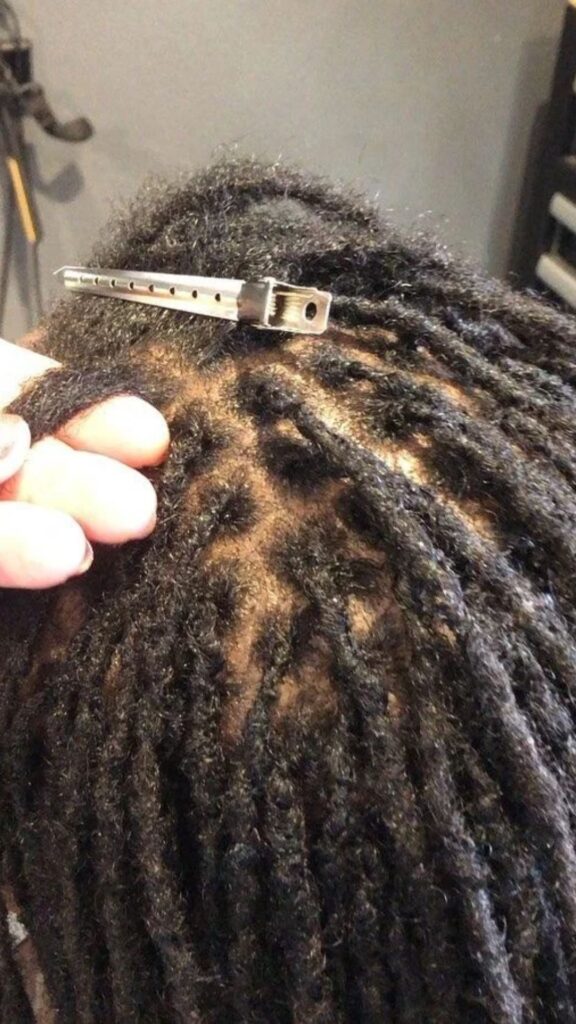
You might find yourself separating locs, smoothing down flyaways, checking your parts, or twisting individual roots whenever you notice a little frizz.
Although these actions may seem harmless, repeated manipulation can disturb your roots and weaken fragile hair.
If your goal is to make your retwist last longer, learn to leave your hair alone whenever possible.
Your locs do not need constant adjustment to remain healthy. Some frizz is completely normal, particularly for people with textured hair.
Instead of trying to keep every strand perfectly smooth, accept that your hair will naturally change between appointments.
Avoid repeatedly twisting the same roots throughout the day. Excessive manipulation can cause thinning, breakage, and uneven tension.
You should also resist the temptation to pull loose hairs aggressively into individual locs. Ask your loctician to show you an appropriate maintenance technique if you are unsure how to manage loose hair.
Healthy maintenance involves knowing when to act and when to leave your hair alone.
By reducing unnecessary handling, you can make your retwist last longer while allowing your locs to develop naturally.
Choose Lightweight Hair Products
Using too many products can create problems that affect the appearance and health of your locs.
Heavy creams, thick oils, sticky gels, and excessive styling products may accumulate around your roots. Over time, buildup can make your hair feel dirty, attract lint, and become difficult to remove.
Some products can also leave your roots looking greasy rather than fresh.
If you want to make your retwist last longer, focus on choosing products that meet your hair’s actual needs.
A lightweight, residue-conscious product may be sufficient for your maintenance routine. You do not need to apply several products every day to keep your locs looking attractive.
Pay attention to how your scalp responds. If a product causes itching, irritation, or unusual flaking, discontinue it and consider seeking professional advice if symptoms continue.
Remember that oil does not replace water-based moisture, and applying more oil will not necessarily improve your hair’s condition.
Use products sparingly and cleanse your locs regularly.
A simple routine often works better than a complicated collection of products. Keeping your roots clean and avoiding unnecessary buildup can help you make your retwist last longer without weighing down your hairstyle.
Manage Frizz Without Fighting Your Natural Texture
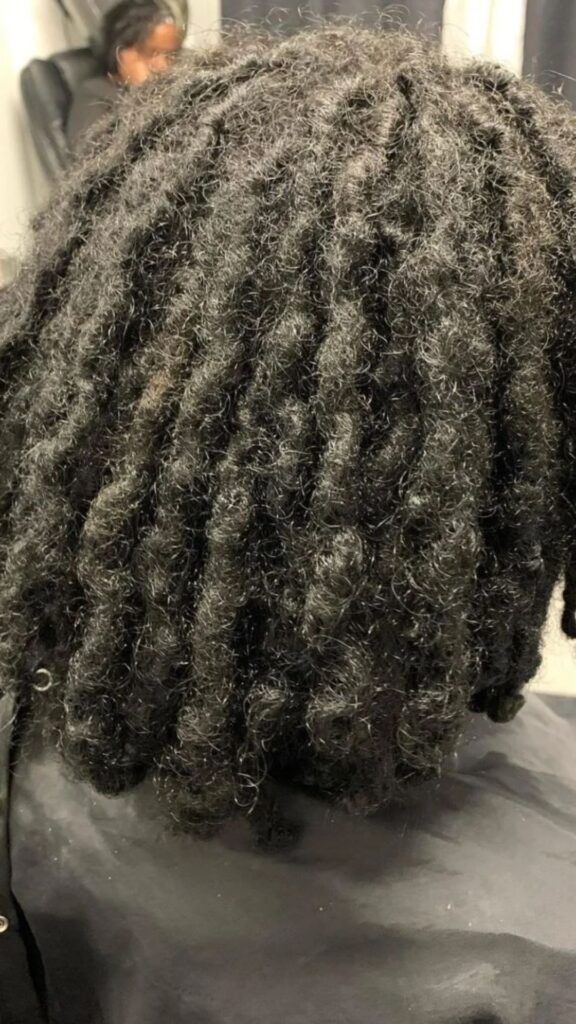
Frizz is one of the most common concerns among people with locs.
After a retwist, your roots may look smooth and neatly separated. As the days pass, shorter hairs begin to escape, creating a softer, fuzzier appearance.
This does not automatically mean that your retwist has failed.
Hair naturally grows, sheds, and moves. Your locs will not remain perfectly smooth forever, and trying to eliminate every loose strand can create unnecessary stress.
To make your retwist last longer, focus on managing frizz rather than attempting to remove it completely.
Protective nighttime habits, gentle handling, and appropriate maintenance can help keep your hairstyle looking tidy.
If you use a light styling product, apply only a small amount when necessary. Avoid repeatedly adding gel to the same areas because product buildup can become difficult to remove.
You can also ask your loctician whether your current retwisting technique suits your hair texture and lifestyle.
Some hair textures naturally show more frizz than others. Humidity, physical activity, washing frequency, and the stage of your loc journey can also influence your results.
Learning to accept normal frizz helps you make your retwist last longer without damaging your hair in pursuit of an unrealistic standard of perfection.
Protect Your Locs During Exercise

Exercise is beneficial for your overall health, but sweat can affect how your locs feel and look after a retwist.
When you work out, moisture accumulates around your scalp. If you exercise frequently, your roots may become damp, and your hairstyle may lose some definition.
This does not mean you should stop exercising or avoid sweating.
Instead, develop a routine that supports both your fitness goals and your loc health.
Before exercising, gently secure longer locs if necessary. Choose a comfortable style that does not pull tightly on your hairline.
A breathable headband may help absorb sweat around your forehead, provided it does not create excessive friction or tension.
After your workout, allow your scalp to dry comfortably. If your hair becomes sweaty, avoid covering damp locs with a tight bonnet for an extended period.
Cleanse your scalp when necessary rather than allowing sweat and residue to accumulate.
These simple habits can help you make your retwist last longer while maintaining a healthy scalp.
Your hairstyle should fit your lifestyle. You should not have to sacrifice physical activity simply to preserve freshly twisted roots.
Avoid Tight Hairstyles After a Retwist
Styling your locs can be exciting, especially immediately after a fresh retwist.
You might want to create an elegant updo, a high ponytail, a bun, or a more elaborate protective hairstyle.
However, some styles place considerable tension on freshly retwisted roots.
Repeatedly pulling your locs into tight hairstyles can weaken the hairline and contribute to thinning over time.
If you want to make your retwist last longer, choose styles that hold your locs comfortably without placing excessive pressure on your scalp.
Loose ponytails, relaxed buns, and simple arrangements are often better choices than tightly pulled hairstyles.
Pay attention to how your scalp feels when styling your hair. Pain, bumps, or persistent tenderness suggest that the style needs to be loosened or removed.
Avoid wearing the same tension-heavy style continuously, particularly if you notice thinning around your temples.
Your hairline deserves the same care as the rest of your locs.
Beautiful styling should never come at the expense of healthy roots. A comfortable hairstyle can help preserve your retwist while allowing you to express your personal style.
Follow a Maintenance Schedule That Suits Your Hair
There is no universal schedule that works for everyone with locs.
Some people prefer frequent retwists because they enjoy clearly defined parts. Others allow more time between appointments to reduce manipulation and support their preferred loc development.
Your ideal schedule depends on your hair texture, scalp condition, loc maturity, lifestyle, and maintenance technique.
To make your retwist last longer, discuss an appropriate schedule with an experienced loctician.
Avoid retwisting simply because your roots look slightly fuzzy. New growth is a normal part of maintaining locs, and it does not always require immediate correction.
Retwisting too frequently can place repeated tension on the same sections of hair. Over time, this may contribute to thinning or breakage.
On the other hand, delaying maintenance without considering your hair’s needs can make separating roots more difficult for some people.
The important thing is finding a healthy balance.
Monitor your locs between appointments and pay attention to changes in root strength, scalp comfort, and overall hair condition.
A consistent, individualized schedule can help you make your retwist last longer without unnecessary manipulation.
Keep Your Scalp Clean and Comfortable
Healthy locs begin with a healthy scalp.
Although you may want to preserve the neat appearance of your retwist, avoiding proper cleansing for too long can lead to sweat, oil, dirt, and product buildup.
A clean scalp supports a comfortable maintenance routine and helps you identify potential problems early.
Use a shampoo suitable for your hair and scalp, and rinse thoroughly to prevent residue from remaining inside your locs.
The frequency of washing depends on your lifestyle, scalp condition, and loc maturity. People who exercise regularly or experience significant sweating may need to cleanse more frequently than others.
If your locs are new, ask your loctician how to wash them without causing excessive unraveling.
Do not ignore persistent itching, redness, painful bumps, or unusual scalp changes simply because you want your retwist to remain neat.
If symptoms persist, consult a qualified healthcare professional.
Keeping your scalp clean does not mean sacrificing your hairstyle. With an appropriate routine, you can make your retwist last longer while protecting your scalp from avoidable irritation.
Understand the Role of Humidity and Weather
Weather conditions can influence how your locs look after retwisting.
In humid environments, moisture in the air can encourage loose hairs to swell and become more noticeable. Your roots may appear fuzzier even when your maintenance routine is excellent.
Dry conditions can also affect the feel of your hair and scalp.
You cannot control the weather, but you can adjust your hair care habits.
To make your retwist last longer, avoid judging your maintenance routine solely by how smooth your roots look on a humid day.
Protect your hair while sleeping, use suitable products, and avoid repeatedly smoothing your roots whenever the weather changes.
If you live in a hot climate, pay attention to sweating and scalp cleanliness.
Choose comfortable head coverings that protect your hair without trapping excessive heat or moisture.
Remember that a little frizz does not mean your locs are unhealthy. Your hair responds naturally to its environment.
Adapting your expectations and routine to local weather conditions can help you make your retwist last longer without using unnecessary products or applying excessive tension.
Avoid Overusing Water Sprays and Styling Gels
Water sprays and styling gels can be useful parts of a loc maintenance routine, but excessive use may create problems.
Frequent spraying can leave your roots repeatedly damp, while heavy gel application can contribute to buildup.
Neither approach guarantees that your retwist will remain neat.
If you want to make your retwist last longer, use styling products thoughtfully instead of reaching for them every time you notice frizz.
Consider whether your hair actually needs moisture or whether the loose appearance is simply normal new growth.
If your scalp feels dry, choose an appropriate moisturizing approach rather than covering the problem with layers of oil or gel.
Apply products sparingly and follow the manufacturer’s instructions.
Avoid products that leave a sticky residue or are difficult to wash out of your locs.
A simple routine is easier to maintain and often produces better results than constant styling.
By using products only when needed, you can make your retwist last longer while reducing buildup and keeping your locs easier to cleanse.
Learn When Your Locs Need Professional Attention
Although home care can help maintain your retwist, some situations require professional guidance.
If your roots repeatedly unravel, your parts become difficult to manage, or your locs show signs of thinning, speak with an experienced loctician.
They can assess your maintenance technique and recommend adjustments suited to your hair.
Avoid attempting to solve every problem by twisting your roots more tightly.
Excessive tension may worsen thinning and damage fragile areas.
Similarly, persistent scalp irritation should not be treated as an ordinary consequence of wearing locs.
A healthcare professional can help assess ongoing pain, inflammation, unusual hair loss, or other concerning symptoms.
Your maintenance routine should support the long-term health of your hair rather than simply preserve a particular appearance.
Knowing when to seek advice is an important part of learning to make your retwist last longer safely.
Frequently Asked Questions
- How long should a retwist normally last?
A retwist may look neat for several days to a few weeks, depending on your hair texture, maintenance technique, activity level, and environmental conditions. There is no single duration that applies to everyone.
- How can I make my retwist last longer overnight?
Wear a comfortable satin or silk bonnet, or sleep on a satin pillowcase. Avoid tight hairstyles that pull on your roots, and arrange your locs gently before bed.
- Does water ruin a fresh retwist?
Water does not automatically ruin a retwist. However, moisture may loosen freshly twisted roots, particularly before they have settled. Follow your loctician’s washing instructions and maintain proper scalp hygiene.
- Should I retwist my locs every two weeks?
Not necessarily. Retwisting too frequently may place repeated tension on your roots. Discuss a suitable maintenance schedule with your loctician based on your hair’s condition and your preferred style.
- Is frizz a sign that my locs are unhealthy?
No. Some frizz is normal and does not automatically indicate damage. Focus on scalp health, comfortable roots, and healthy loc development rather than trying to eliminate every loose strand.
In Summary
Learning to make your retwist last longer is about developing healthy habits, not forcing your hair to remain perfectly neat.
Protect your locs while sleeping, handle your roots gently, choose lightweight products, maintain a clean scalp, and avoid hairstyles that create unnecessary tension.
Most importantly, remember that your locs will naturally change as they grow. A little frizz and visible new growth are normal parts of the journey.
You do not need to retwist constantly or spend money on numerous products to maintain beautiful locs. A consistent routine, appropriate professional care, and patience can make a meaningful difference.
Start with one or two habits you can maintain comfortably, then build your routine gradually.
With time, you will better understand your hair’s needs and discover which techniques help your style remain presentable between appointments.
Your loc journey deserves care, patience, and consistency. When you prioritize healthy roots over temporary perfection, you give your locs a better opportunity to thrive for years to come.