Proven Ways to Make Your Locs Thicker (Fix Thin, Weak Locs Fast)
Thin, weak locs can be frustrating, especially when you have spent months or years growing and caring for your hair. You may notice that some locs look smaller than others, your roots appear weak, or certain sections seem unable to hold their thickness. Fortunately, having thin locs does not mean your hair is unhealthy or that you cannot improve its appearance. With the right habits, patience, and consistent care, you can work towards fuller, stronger locs. Understanding how to make your locs thicker begins with identifying what is causing the thinning in the first place. Sometimes, the problem comes from excessive retwisting, while in other cases, poor maintenance, breakage, or natural hair density may be responsible. The good news is that there are practical ways to improve your loc health without making your routine complicated.
Understand Why Your Locs Are Becoming Thin
Before exploring how to make your locs thicker, take a closer look at your hair. Not every thin loc has the same cause, so the solution depends on what is happening underneath.
For example, some people naturally have fine hair strands, meaning their locs may never become extremely thick. Others experience thinning because their roots are constantly under tension. Additionally, frequent manipulation can weaken the hair over time.
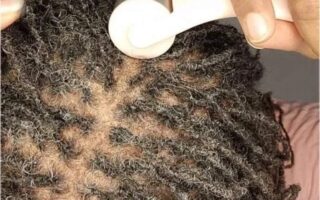
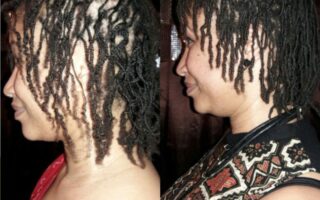
Pay attention to where the thinning occurs. If your locs are becoming thinner around the roots, tension or excessive retwisting may be responsible. However, thinning along the middle or ends could indicate breakage, friction, or previous damage.
Another important factor is your hair’s natural density. People with fewer individual strands may naturally develop smaller locs. Therefore, understanding your starting point helps you choose realistic solutions.
Most importantly, avoid comparing your locs with someone else’s. Healthy locs come in different sizes, shapes, and textures.
Stop Retwisting Your Locs Too Frequently
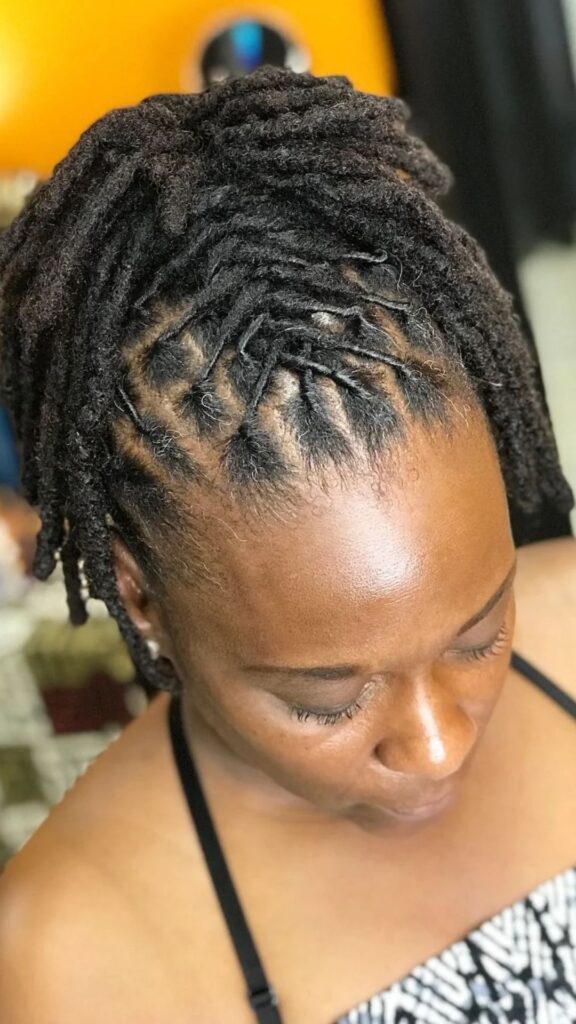
One of the biggest mistakes people make when trying to improve their loc thickness is retwisting too often.
Although neat roots can make your hairstyle look attractive, constantly tightening your locs can gradually weaken the roots. Furthermore, repeated pulling places unnecessary pressure on the follicles and surrounding hair.
If you want to understand how to make your locs thicker, give your roots enough time to grow without constant manipulation.
Instead of retwisting every two weeks, consider extending the period between maintenance sessions. Depending on your hair type and growth pattern, four to eight weeks may be more comfortable.
Nevertheless, everyone’s hair responds differently. Pay attention to tenderness, bumps, thinning, and discomfort around the roots.
You should also avoid asking your loctician to make every retwist extremely tight. A neat hairstyle should never come at the expense of healthy roots.
Remember, allowing new growth to develop naturally can help reduce unnecessary tension.
Keep Your Scalp Clean and Healthy
A healthy scalp creates a better environment for healthy hair growth. Therefore, regular cleansing should remain an important part of your loc routine.
Some people avoid washing their locs because they are afraid of unraveling or buildup. However, allowing sweat, dirt, excess oil, and styling products to accumulate can make the scalp uncomfortable.
When researching how to make your locs thicker, remember that cleanliness supports scalp health, although washing alone cannot increase the natural thickness of individual hair strands.
Choose a gentle shampoo suitable for locs. Additionally, concentrate on cleaning your scalp rather than aggressively rubbing the length of your hair.
After washing, rinse thoroughly to remove leftover shampoo. Product residue can become trapped inside mature locs, making them feel heavy and unpleasant.
Most importantly, allow your hair to dry completely. Damp locs can encourage unpleasant odours and create conditions that support unwanted microbial growth.
A clean scalp, combined with gentle maintenance, provides a healthier foundation for your loc journey.
Moisturize Your Locs Regularly
Dryness can make locs feel rough, brittle, and weak. Consequently, maintaining appropriate moisture levels is essential.
However, moisturising does not mean covering your hair with heavy creams and oils every day. Too much product can create buildup, especially inside mature locs.
A lightweight water-based moisturising spray can help keep your hair comfortable. You can also use a small amount of a suitable leave-in product formulated for locs.
When considering how to make your locs thicker, remember that moisturising mainly helps reduce dryness-related breakage. It does not magically create additional hair follicles.
Apply moisture according to your hair’s needs. For instance, if your locs feel dry shortly after washing, a light moisturising routine may help.
Furthermore, pay attention to the ends because they are older and may be more vulnerable to dryness.
Avoid applying excessive products simply because you believe more moisture always means healthier hair. Balance is more important than quantity.
Protect Your Locs While Sleeping

Your sleeping habits can influence the condition of your locs more than you might realise.
Every night, your hair rubs against your pillowcase. Over time, repeated friction can contribute to dryness, frizz, and breakage.
Fortunately, protecting your hair does not require an expensive routine.
Wear a satin or silk bonnet before going to bed. Alternatively, use a satin pillowcase if you find bonnets uncomfortable.
This simple habit can help reduce friction and preserve moisture.
If you are learning how to make your locs thicker, protecting your hair at night is particularly useful because it helps prevent avoidable damage.
Additionally, avoid sleeping with extremely tight hairstyles. Pulling your locs backwards every night can place unnecessary tension on your hairline.
Give your scalp some breathing room. Your locs deserve protection even when you are not styling them.
Avoid Heavy Products That Cause Buildup
Many people believe that using more oils, creams, and conditioners will automatically make their locs healthier.
Unfortunately, this is not always true.
Heavy products can accumulate inside locs, especially when they are not rinsed out properly. As a result, your hair may become uncomfortable, difficult to clean, and unnecessarily heavy.
Instead, choose lightweight products that suit your hair.
When exploring how to make your locs thicker, prioritise healthy hair practices rather than purchasing every product advertised for loc growth.
Avoid excessive waxes, thick butters, and products that leave visible residue.
Additionally, do not confuse product buildup with actual hair thickness. A loc that feels heavy because of accumulated products is not necessarily stronger.
A simple routine often works better than an overcrowded shelf of hair products.
Eat a Balanced Diet for Stronger Hair
Healthy hair depends on more than external maintenance. Your body also needs appropriate nutrition to support normal hair growth.
Protein, iron, zinc, vitamin D, and other essential nutrients contribute to normal body functions, including healthy hair development.
Therefore, include a variety of nutritious foods in your meals.
Eggs, fish, beans, vegetables, nuts, fruits, and whole grains can help provide important nutrients.
If you have been wondering how to make your locs thicker, remember that nutritional deficiencies can contribute to hair shedding or changes in hair quality.
However, taking supplements without knowing whether you need them is not always helpful. Excessive amounts of certain vitamins and minerals can actually cause problems.
If you experience unusual shedding or persistent thinning, consider speaking with a healthcare professional about possible nutritional deficiencies.
A balanced diet supports your overall health and gives your hair the nutrients it needs to grow normally.
Massage Your Scalp Gently
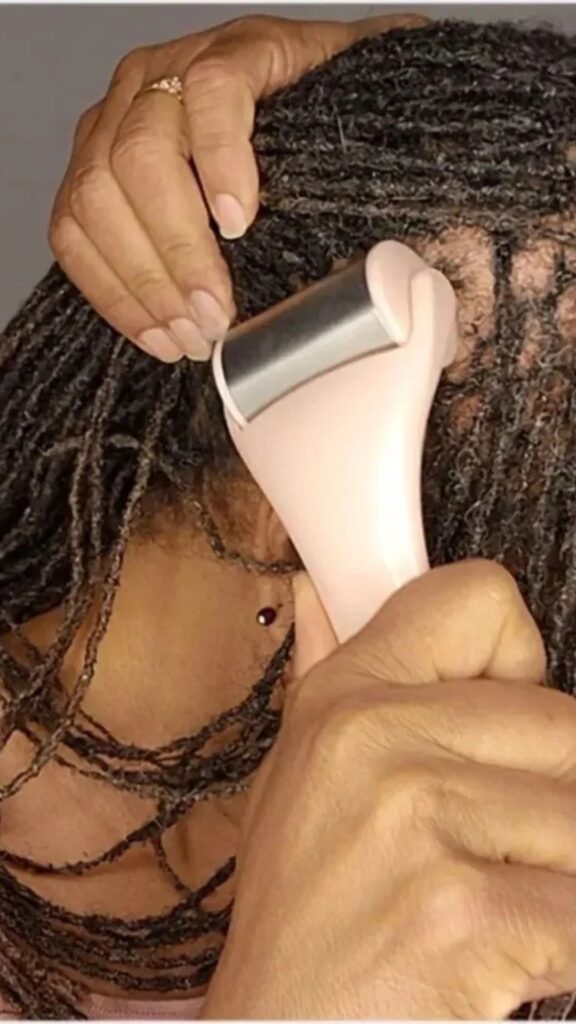
Scalp massage is another simple practice worth incorporating into your routine.
Using your fingertips, gently massage your scalp for a few minutes. Move your fingers in small circular motions without pulling or scratching your hair.
This can make your scalp care routine more relaxing and may temporarily increase blood circulation near the skin.
Nevertheless, scientific evidence that scalp massage directly produces thicker locs remains limited.
When researching how to make your locs thicker, it is important to separate realistic haircare practices from exaggerated promises.
You do not need to massage your scalp aggressively or spend money on specialised equipment.
Gentle movements are enough. Moreover, stop if you experience pain, irritation, or increased tenderness.
Consistency and comfort should guide your routine.
Avoid Constantly Pulling Your Locs Into Tight Hairstyles
Beautiful hairstyles can make your locs look fuller and more attractive. However, constantly wearing tight ponytails, buns, and pulled-back styles may damage your hairline.
This is particularly important for people whose locs are already thin around the edges.
Repeated tension can contribute to traction alopecia, a form of hair loss caused by pulling.
If you are serious about how to make your locs thicker, choose hairstyles that do not place excessive pressure on your roots.
Loose ponytails, relaxed buns, half-up styles, and naturally hanging locs are generally gentler options.
Furthermore, alternate your hairstyles instead of repeating the same tight style every week.
Your edges deserve the same attention as the rest of your locs.
Remember, a beautiful hairstyle should complement healthy hair rather than compromise it.
Be Careful With Interlocking and Retwisting Techniques
Interlocking and palm rolling are popular methods of maintaining locs. Nevertheless, both techniques require proper handling.
When interlocking is performed too tightly or repeatedly in the same direction, it may create weak areas.
Similarly, aggressive palm rolling can cause unnecessary friction and manipulation.
If you are considering how to make your locs thicker, evaluate whether your current maintenance technique is helping or harming your hair.
Work with an experienced loctician who understands your hair texture and loc structure.
Additionally, communicate whenever a maintenance session feels uncomfortable.
Do not allow anyone to convince you that painful retwisting is necessary for neat locs.
Healthy maintenance should support your hair’s development while preserving its natural strength.
Give Your Locs Time to Mature
One reason some people become worried about thin locs is that they expect immediate thickness.
However, locs change as they mature.
Starter locs may look small, uneven, or loosely formed. Over time, the hair intertwines and develops a more established structure.
Therefore, avoid judging your loc journey too early.
Understanding how to make your locs thicker also means understanding that natural maturation takes patience.
Your locs may become fuller-looking as loose hairs incorporate into their structure. Nevertheless, the amount of thickening depends on your hair density, texture, section size, and maintenance history.
Do not constantly manipulate immature locs in an attempt to speed up the process.
Instead, follow an appropriate maintenance routine and allow your hair to develop naturally.
Avoid Excessive Brushing and Manipulation
Constantly touching, separating, twisting, and pulling your locs can contribute to unnecessary damage.
Although occasional maintenance is necessary, your hair does not need attention every hour.
For example, repeatedly pulling loose hairs into individual locs can create tension. Likewise, excessive brushing may weaken delicate areas.
When learning how to make your locs thicker, consider reducing unnecessary handling.
Allow your locs to hang naturally whenever possible.
If you need to separate locs that are joining together, do so gently and preferably when your hair is suitable for manipulation.
Additionally, avoid using sharp tools or pulling knots apart forcefully.
Sometimes, the best thing you can do for your hair is leave it alone.
Protect Your Locs From Environmental Damage
Sun exposure, wind, dry weather, and environmental pollution can affect your hair’s condition.
Although locs are generally durable, they still require protection.
For example, prolonged exposure to strong sunlight may leave your hair feeling dry. Therefore, consider wearing a hat or using appropriate hair protection when spending extended periods outdoors.
Swimming also requires attention.
Before entering a swimming pool, understand that chlorine can leave your hair feeling dry. After swimming, rinse your locs thoroughly and follow a suitable cleansing routine.
If you are exploring how to make your locs thicker, protecting them from preventable environmental damage is another useful step.
Furthermore, avoid allowing sweat and dirt to remain trapped in your locs for extended periods.
Simple protective habits can make a meaningful difference to your overall haircare routine.
Trim Damaged and Weak Ends When Necessary
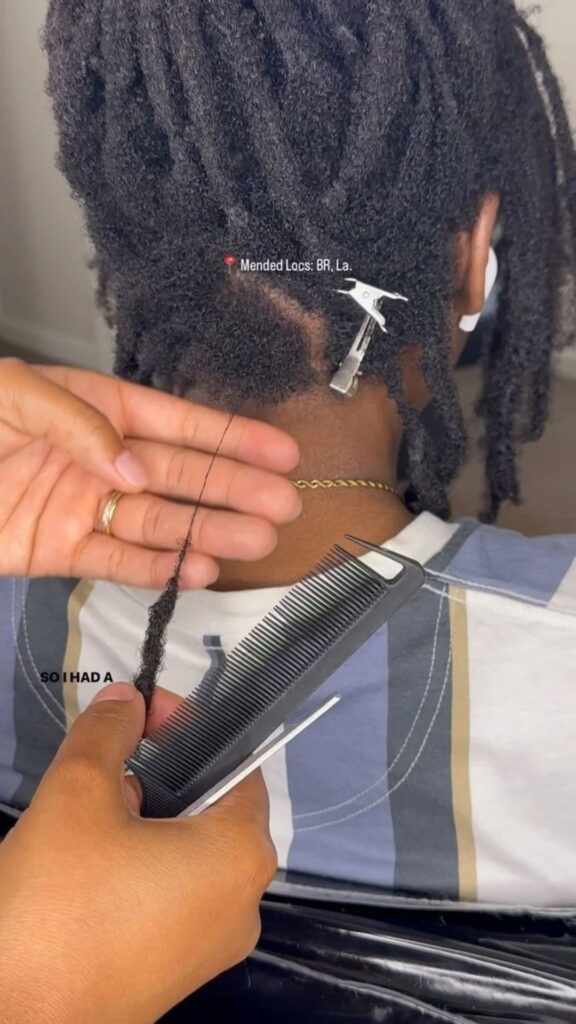
Not every thin section of a loc can recover through moisturising or maintenance.
Sometimes, the ends have become severely damaged, weak, or excessively tangled.
In such situations, professional assessment may help you determine whether trimming is appropriate.
However, do not cut your locs simply because they look thinner than expected.
A trained loctician can examine the affected area and recommend a suitable approach.
When considering how to make your locs thicker, remember that removing severely damaged ends may improve the overall appearance of your hairstyle, but trimming does not increase the thickness of hair growing from your scalp.
Avoid unnecessary cutting, especially when your locs are still developing.
Consider Combining Locs Carefully
If certain locs are naturally very small or have become dangerously thin, combining them may be an option.
Combining two smaller locs can create a thicker individual loc. However, this process should be considered carefully.
Your desired hairstyle, hair density, loc maturity, and existing damage all matter.
Do not combine locs simply because someone else’s hairstyle looks fuller.
An experienced loctician can help you determine whether combining is suitable for your situation.
For anyone searching for how to make your locs thicker, this is one option that can change the actual size of an individual loc.
Nevertheless, combining locs does not increase the total amount of hair on your head.
It redistributes existing hair into fewer, larger locs.
Stop Comparing Your Loc Thickness With Others
Social media can make it difficult to appreciate your natural hair.
You may see someone with extremely thick locs and wonder why yours do not look the same.
However, several factors influence loc size, including genetics, strand thickness, hair density, and sectioning.
Your loc journey is not supposed to look identical to another person’s.
Learning how to make your locs thicker should involve improving your own hair health rather than chasing somebody else’s appearance.
Instead of comparing photographs, monitor your progress over time.
Take pictures every few months using similar lighting and angles.
This allows you to recognise changes that may otherwise go unnoticed.
Most importantly, remember that healthy locs do not have to meet one particular standard of thickness.
Choose the Right Loctician
Your loctician plays an important role in maintaining your hair.
Someone who understands loc structure can identify weak roots, thinning sections, excessive tension, and maintenance problems before they become more serious.
Therefore, choose a professional who listens to your concerns.
Explain where your locs are thinning and describe your current maintenance routine.
Additionally, ask about the techniques they intend to use before allowing major changes to your hair.
When researching how to make your locs thicker, professional guidance is particularly important if you notice sudden changes or damaged roots.
Avoid choosing a loctician based entirely on hairstyle photographs.
Look for someone who understands healthy maintenance, communicates clearly, and respects your hair’s natural condition.
THESE ARTICLES WILL HELP YOUR LOCS JOURNEY
10 Things You Should Never Do to Your Locs for Healthy Growth
Starter Locs Care Tips: How to Keep Your New Locs Healthy and Prevent Unraveling
Ponytail Loc Styles That Protect Your Hairline and Keep Your Locs Healthy
How to Make Your Retwist Last Longer Without Damaging Your Locs
Professional Loc Styles for the Office: 12 Chic Ideas
Establish a Simple Weekly Loc Care Routine

A good haircare routine does not need to be complicated.
In fact, simple habits are often easier to maintain consistently.
You can organise your routine around the following practices:
During the week:
- Check your scalp for dryness, irritation, or buildup.
- Use a lightweight moisturiser when necessary.
- Avoid unnecessary pulling and manipulation.
- Protect your locs before sleeping.
- Keep tight hairstyles to a minimum.
On wash days:
- Cleanse your scalp with a suitable shampoo.
- Rinse thoroughly.
- Remove excess water gently.
- Allow your locs to dry completely.
During maintenance:
- Avoid excessively tight retwisting.
- Separate joining locs gently.
- Examine weak areas.
- Discuss persistent thinning with your loctician.
Following these habits can help you understand how to make your locs thicker while protecting the hair you already have.
Consistency matters more than constantly changing products.
Understand What Hair Oils Can and Cannot Do
Hair oils are popular in loc maintenance because they can help improve softness and reduce friction.
Some people enjoy using jojoba oil, argan oil, or other lightweight oils as part of their routine.
However, oils should not be treated as guaranteed hair-growth treatments.
They cannot create new follicles or automatically transform naturally fine hair into thick hair.
If you want to know how to make your locs thicker, understand that oils mainly support hair conditioning and comfort rather than directly increasing hair density.
Use small quantities and observe how your scalp responds.
Additionally, avoid applying oil to an irritated scalp without understanding the cause of the irritation.
If a product causes itching, redness, or discomfort, discontinue its use.
The best product is one that works comfortably with your hair and does not create unnecessary buildup.
Know When Thinning Requires Professional Attention
Although many hair problems can be improved through better maintenance, some forms of thinning require medical attention.
For example, sudden shedding, widening patches, scalp pain, persistent itching, and visible bald areas should not be ignored.
Traction alopecia, alopecia areata, scalp infections, and certain nutritional or hormonal problems can affect hair growth.
Therefore, do not assume every thinning loc is simply a maintenance issue.
If you notice progressive hair loss, consult a dermatologist.
This is particularly important when your hairline is receding or individual locs are becoming thinner near the roots.
Understanding how to make your locs thicker includes knowing when home remedies are insufficient.
Early assessment may help identify the cause and prevent further damage.
Avoid relying on unproven treatments that promise instant results.
Frequently Asked Questions
- Can thin locs become thick again?
Yes, depending on the cause. If thinning results from breakage, dryness, or excessive manipulation, improving your maintenance routine may help. However, permanent damage to the follicles may require professional treatment.
- How long does it take to make locs thicker?
There is no universal timeline. Hair growth and loc maturation happen gradually. You may notice improvements in hair condition within several weeks, but structural changes can take months.
- Does oil make locs thicker?
No oil can guarantee thicker hair. Nevertheless, suitable oils may help reduce friction and improve softness. Healthy maintenance and addressing the underlying cause of thinning are more important.
- Does retwisting make locs thicker?
Retwisting helps maintain the shape of locs, but it does not automatically increase their thickness. Excessive or overly tight retwisting can actually contribute to thinning.
- Can I combine two thin locs?
Yes. Combining two smaller locs can create one thicker loc. However, consider your hair density, loc structure, and desired appearance before making this decision.
- Can starter locs become thicker over time?
They can become fuller-looking as they mature. However, the final size depends on the original sectioning, natural hair density, and individual hair characteristics.
- Why are my locs thin at the roots?
Possible causes include excessive retwisting, tight hairstyles, traction, breakage, and natural differences in hair density. Persistent thinning should be assessed by a dermatologist or experienced loctician.
Give Your Locs the Care They Deserve
Achieving healthier, fuller-looking locs is not about finding one magical oil or expensive hair product. Instead, it involves understanding your hair, identifying the causes of thinning, and building habits that protect your roots and strands.
If you have been searching for how to make your locs thicker, start with the basics. Reduce excessive retwisting, maintain a clean scalp, moisturise appropriately, protect your hair while sleeping, and avoid hairstyles that create unnecessary tension.
Furthermore, nourish your body with a balanced diet and seek professional guidance whenever thinning becomes noticeable or progressive.
Remember that every loc journey is different. Some people naturally have thick locs, while others have finer, smaller ones. Both can be beautiful when properly maintained.
The most important goal is not simply to have bigger locs. It is to have strong, healthy hair that you can enjoy confidently.
With patience, consistency, and the right care, you can give your locs a better opportunity to thrive. Your hair does not need an overnight transformation. It needs attention, protection, and time.