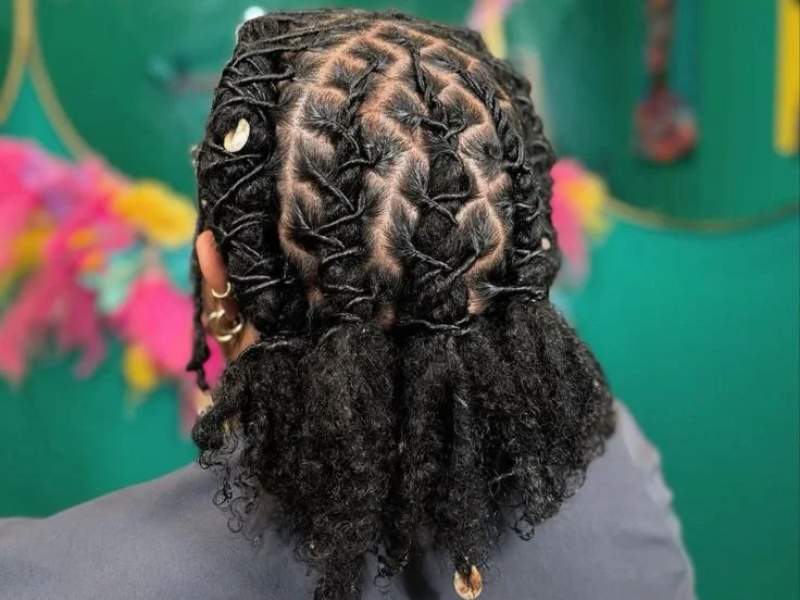
Locs are more than just a hairstyle. They are a beautiful expression of personality, culture, patience, and self-confidence. Whether you have starter locs, budding locs, mature locs, or long, established locs, taking proper care of them can make a big difference in how they look and feel. Although locs are often considered a low-maintenance hairstyle, they still need regular attention, gentle handling, and a healthy scalp to thrive.
One of the easiest ways to improve your loc journey is to understand the things you should never do to your locs. Some habits can weaken your strands, irritate your scalp, encourage buildup, or cause unnecessary breakage. Others may slow down your progress by making your locs dry, thin, or difficult to maintain.
The good news is that many loc problems can be prevented with simple changes to your daily routine. You do not need expensive products or complicated treatments to care for your hair. What matters most is consistency, patience, and choosing practices that work for your hair type and stage of locking.
In this guide, we will discuss ten important mistakes to avoid by explaining why they matter, and share practical tips for keeping your locs healthy. If you want stronger roots, cleaner locs, and a more comfortable scalp.
1. Never Retwist Your Locs Too Frequently

Retwisting helps maintain the appearance of your locs and encourages new growth to form neatly. However, retwisting too frequently can put unnecessary tension on your roots and weaken your hair over time.
One of the most important things you should never do to your locs is retwist them every few days simply because you want them to look neat. Your scalp needs time to recover, and your new growth needs room to develop naturally.
Constant twisting can contribute to thinning around the roots, tenderness, and traction-related hair loss. The problem becomes worse when your locs are tightly pulled or when the same areas are repeatedly stressed.
Instead, choose a maintenance schedule that suits your hair texture, growth rate, and hairstyle preferences. Some people retwist every four to eight weeks, while others benefit from waiting longer. Starter locs may need different care from mature locs, so avoid following another person’s schedule without considering your own hair.
Between maintenance sessions, you can gently separate locs at the roots when necessary to prevent unwanted merging. Do not pull apart tangled hair forcefully.
Remember that neatness is not the only sign of healthy locs. Allowing some natural new growth is normal. Avoiding excessive retwisting is very necessary if your goal is long-term strength and fullness.
2. Never Neglect Your Scalp

Healthy locs begin with a healthy scalp. Your scalp supports the hair follicles responsible for producing new strands, so ignoring it can affect your overall hair-care experience.
Some people assume that because their hair is locked, they no longer need to pay attention to their scalp. Sweat, oil, dust, dead skin cells, and product residue can accumulate between washes, leaving the scalp uncomfortable.
Neglecting scalp care should be avoided. An itchy, irritated, or flaky scalp should not automatically be dismissed as a normal part of the locking process.
Wash your scalp regularly with a shampoo appropriate for your hair and scalp condition. Use your fingertips to massage gently rather than scratching aggressively with your nails. Rinse thoroughly so that shampoo does not remain trapped between your locs.
If you experience persistent itching, painful bumps, unusual redness, sores, or heavy flaking, consider consulting a qualified healthcare professional. These symptoms may have causes that require specific treatment.
You should also avoid applying every product recommended on social media. A product that works for one person may irritate another person’s scalp.
Always remember that scalp care deserves as much attention as the visible length of your hair. A comfortable scalp and a consistent cleansing routine create a better foundation for healthy-looking locs.
3. Never Use Too Much Product

It is tempting to believe that adding more oil, cream, gel, or locking products will make your locs healthier. In reality, excessive product use can create unnecessary buildup and make your hair difficult to clean.
Locs can trap residue inside their structure, particularly when products are heavy, sticky, or not rinsed out properly. Over time, this may leave the hair feeling coated, looking dull, or developing an unpleasant smell.
Using excessive products should be avoided if you want them to remain fresh and manageable.
Choose lightweight products that suit your scalp and hair needs. Use small amounts, and introduce new products gradually so you can observe how your hair responds. You do not need to apply several oils and creams every day.
Be especially careful with thick butters, waxes, heavy gels, and products that leave visible residue. These products are not automatically harmful in every situation, but they can be difficult to remove from tightly locked hair.
If your locs feel coated or sticky, consider whether your routine includes unnecessary products. A suitable clarifying shampoo may help remove residue, provided it is appropriate for your hair and used according to its instructions.
Avoid trying to cover buildup with additional oil or fragrance. That approach may temporarily change the smell without solving the underlying problem.
Understanding the things you should never do to your locs includes learning when to leave your hair alone. Sometimes, a simpler routine produces cleaner, lighter, and healthier-feeling locs.
4. Never Ignore Washing Your Locs

Keeping locs clean is essential for maintaining a comfortable scalp and preventing dirt and residue from accumulating. Unfortunately, some people avoid washing their locs because they fear unraveling, frizz, or slow locking.
Although starter locs may require special washing techniques, avoiding cleansing indefinitely is not a good solution.
Skipping washing should not be an option simply to preserve a perfectly neat appearance. Sweat, environmental dirt, and natural oils still collect on the scalp, regardless of whether your hair is loose or locked.
How often you wash depends on your activity level, scalp condition, climate, products, and stage of locking. People who exercise regularly or sweat heavily may need more frequent cleansing than those with less active routines.
Use a shampoo suitable for locs and your scalp. Work gently through the scalp and hair, then rinse thoroughly. Avoid rough scrubbing that causes unnecessary tangling or damages fragile starter locs.
If your locs are new, ask an experienced loctician how to wash them without compromising your particular locking method. Some methods need additional care during the early stages.
After washing, remove excess water gently and allow your locs to dry completely. Thick locs can retain moisture for a long time, do not assume the surface being dry means the inside is dry.
Among the things you should never do to your locs, is also neglecting regular cleansing. Clean locs are easier to maintain, and a clean scalp is more comfortable.
5. Never Go to Bed With Wet Locs
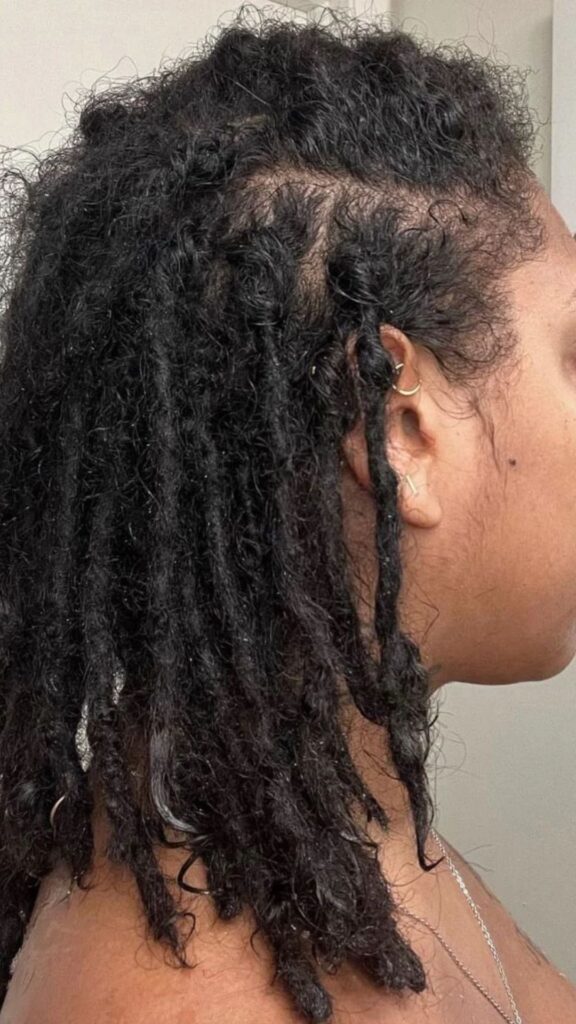
Washing your locs before bedtime may seem convenient, especially after a busy day. However, going to sleep with locs that remain very wet can make complete drying more difficult.
Locs can be dense, and moisture may remain trapped inside them long after the outer layer feels dry. Prolonged dampness, especially when combined with poor ventilation, can contribute to unpleasant odors and conditions that favor microbial growth.
Sleeping with wet locs is one of the things you should never do to your locs when you can avoid it.
Try to wash your hair early enough to allow adequate drying time. After washing, gently squeeze out excess water with a clean microfiber towel or another absorbent, low-friction fabric. Avoid twisting your locs aggressively to remove water.
If you use a hair dryer, follow the manufacturer’s safety instructions and choose a suitable temperature and airflow. Avoid exposing your scalp and strands to excessive heat. Ensure that your locs are dry throughout before covering them for the night.
A satin bonnet or satin pillowcase can help reduce friction while you sleep. However, a bonnet should not be used to trap wet hair against your scalp for hours.
If your locs repeatedly develop a musty smell despite proper washing and drying, consider seeking professional advice. Persistent odor may indicate retained residue or another issue that needs attention.
The things you should never do to your locs often involve habits that seem harmless. Allowing sufficient drying time is a simple practice that supports a fresher, more comfortable loc journey.
6. Never Pull Your Locs Into Tight Hairstyles

Ponytails, buns, updos, and braided styles can make locs look beautiful. However, the way you install these hairstyles matters just as much as the final appearance.
Pulling your locs tightly away from your scalp creates tension on the roots. Repeated tension can cause soreness, thinning edges, breakage, and traction alopecia, a form of hair loss associated with sustained pulling.
One of the things you should never do to your locs is sacrifice the health of your roots for a hairstyle that looks sleek.
When styling your locs, choose arrangements that feel comfortable rather than painful. Your scalp should not hurt, and your forehead should not feel as though your hair is being pulled backward.
Avoid keeping tight styles in for extended periods. Alternate your hairstyles to reduce repeated stress on the same areas, particularly around your temples and hairline.
Be careful when using accessories such as elastic bands, clips, and decorative pins. Tight bands can compress your locs, while sharp accessories may snag or break strands.
If you notice tenderness, bumps, a receding hairline, or thinning around the edges, loosen the style immediately. Persistent or progressive hair loss should be assessed by a healthcare professional.
You can still enjoy creative hairstyles without putting unnecessary strain on your hair. Loose buns, relaxed ponytails, and gently arranged updos can provide attractive alternatives.
When reviewing the things you should never do to your locs, remember that a comfortable style is usually a better choice than one that causes pain. Your roots need protection, even when you want your locs to look polished.
Looking for ways to keep your locs healthy while trying different hairstyles? Explore these protective styles you can do with locs to protect your hair, reduce friction, and keep your locs neat while giving your roots a break from daily styling. These styles are perfect for maintaining your locs while still looking stylish and confident.
7. Never Scratch Your Scalp Aggressively
An itchy scalp can be frustrating, especially when you are trying to maintain a clean and comfortable loc routine. However, scratching aggressively can irritate the skin, create small wounds, and potentially introduce infection.
Itching may result from dryness, product sensitivity, dandruff, irritation, or another scalp condition. It is important to identify the cause instead of repeatedly scratching the affected area.
Aggressive scratching is among the things you should never do to your locs because it can damage both your scalp and the hair near the roots.
When your scalp feels itchy, gently massage it with your fingertips. Avoid digging your nails into the skin or pulling at the roots of your locs. If you recently introduced a new product, consider whether it could be causing irritation and discontinue it if a reaction seems likely.
Keep your scalp clean, rinse shampoo thoroughly, and avoid applying products that cause burning or discomfort. Do not assume that a strong tingling sensation means a product is working.
If itching persists, becomes severe, or occurs with sores, swelling, pain, or significant flaking, seek advice from a qualified healthcare professional. Certain scalp conditions require specific treatment rather than additional oils or home remedies.
You should also avoid using sharp tools to scratch beneath your locs. These can injure your scalp without you realizing how much pressure you are applying.
Understanding the things you should never do to your locs means paying attention to the signals your scalp gives you. Gentle care is safer than repeated scratching, and identifying the cause of discomfort can help you choose a more effective solution.
8. Never Apply Excessive Heat to Your Locs
Heat styling can help you achieve particular looks, but frequent or excessive heat may dry out the hair and contribute to damage. Locs are not completely protected from heat simply because their strands are intertwined.
Repeated exposure to high temperatures can weaken hair fibers, make strands more brittle, and increase the risk of breakage. Direct heat may also affect the outer surface of your locs, changing their texture or appearance.
Excessive heat is one of the things you should never do to your locs if you want to preserve their strength.
Whenever possible, choose low-heat or heat-free styling options. If you use a blow dryer to speed up drying, select a suitable setting and keep the device moving rather than concentrating hot air on one area for too long.
Avoid pressing hot tools directly against your locs unless the styling method specifically requires them and you understand the risks. Never use extremely high temperatures in an attempt to make locs dry faster.
It is also important to distinguish between drying and styling. Drying removes water, while heat styling changes the hair’s shape or texture. You may need the first without needing the second.
After washing, remove excess water with a clean towel and allow adequate time for drying. This reduces the temptation to rely on intense heat.
When considering the things you should never do to your locs, remember that healthy-looking hair benefits from gentle handling. You can enjoy different hairstyles while limiting unnecessary heat exposure.
9. Never Ignore Thinning, Breakage, or Weak Roots
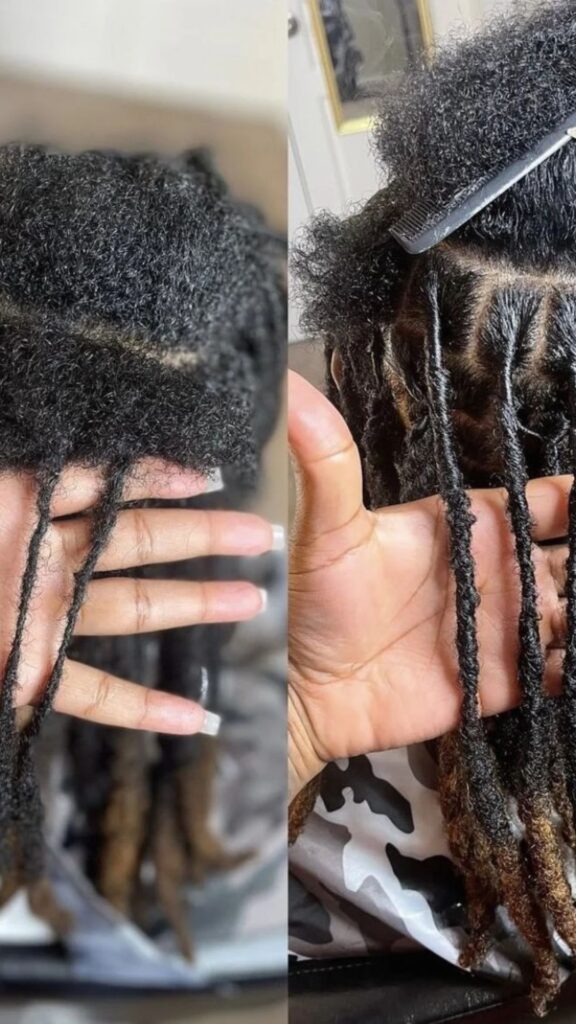
Locs can become longer and heavier as they mature. Although this is a natural part of the journey for many people, additional weight and repeated tension may place stress on weak areas.
Ignoring thinning or breakage is one of the things you should never do to your locs. A loc that suddenly becomes thinner near the root or develops a weak section may need attention before the problem worsens.
Pay attention to changes around your hairline, crown, and the areas where you frequently style your hair. Repeated tight retwisting, heavy extensions, excessive manipulation, and tight hairstyles may contribute to stress on the hair.
If a loc begins thinning, avoid pulling it into tight styles or repeatedly twisting it to make it appear thicker. These actions may increase tension instead of addressing the underlying issue.
A qualified loctician can assess the condition of your locs and recommend appropriate maintenance. However, scalp pain, inflammation, and progressive hair loss may require evaluation by a dermatologist or another qualified healthcare professional.
Be patient when repairing weak areas. Some locs may need gentler maintenance, reduced styling tension, or a different approach to prevent further damage.
You should also avoid comparing your loc thickness with someone else’s. Hair density, strand characteristics, locking methods, and maintenance routines differ from person to person.
One of the most useful things you should never do to your locs is ignore warning signs because you hope they will disappear. Early attention can help you make better decisions and protect the hair you have.
10. Never Expect Your Locs to Grow Without Patience and Consistency
Growing healthy locs takes time. Some people see noticeable length quickly, while others experience periods when their locs appear to remain the same length.
Hair grows in cycles, and the rate of growth varies between individuals. Shrinkage, budding, changes in texture, and the locking process can also make it difficult to judge progress accurately.
Expecting overnight results is one of the things you should never do to your locs. Unrealistic expectations may lead you to change products constantly, retwist too often, or try harsh treatments that promise rapid growth.
Instead, build a routine that supports your scalp and protects your existing hair. Cleanse regularly, handle your locs gently, limit unnecessary tension, and use suitable products in moderation.
Your overall health matters, too. A balanced diet, adequate protein, sufficient sleep, and general healthcare support normal hair growth. No oil, shampoo, or supplement can guarantee unusually fast growth or eliminate every cause of hair loss.
Take photographs periodically if you want to track progress. Comparing pictures taken several months apart can be more useful than checking your loc length every morning.
Remember that length retention is just as important as growth. Hair may grow from the roots while breakage prevents you from noticing an increase in length. Gentle handling helps reduce avoidable damage.
Among the things you should never do to your locs, impatience can be surprisingly damaging because it encourages unnecessary manipulation. Give your hair time to mature and focus on habits you can maintain consistently.
Bonus Tips for Maintaining Healthy Locs
Avoiding mistakes is important, but building a simple, reliable routine makes loc care easier. You do not need to follow every trend or purchase every product that appears online.
Start by understanding your hair’s needs. Pay attention to your scalp, the thickness of your locs, your locking method, and how your hair responds to washing and styling.
Moisture is important, but more moisture is not always better. If your locs feel dry, use a lightweight product appropriate for your hair and avoid leaving them continually damp. The right approach depends on your hair’s condition and your environment.
Choose a shampoo that cleans effectively without leaving excessive residue. Rinse carefully and allow your locs enough time to dry fully.
Protect your locs at night with a clean satin bonnet or pillowcase if this suits your routine. Reduce friction and avoid tying your hair so tightly that it places pressure on your roots.
Schedule maintenance according to your hair’s needs rather than following a rigid timetable. A professional loctician can help you assess your roots, identify weak areas, and choose a suitable maintenance method.
Finally, be cautious about products marketed as miracle growth treatments. Healthy hair care is usually built on consistent cleansing, gentle handling, balanced nutrition, and early attention to problems.
The things you should never do to your locs are easier to avoid when your routine is simple. Choose habits that protect your scalp and strands, and make changes gradually instead of trying several new treatments at once.
Frequently Asked Questions About Loc Care
1. What are the most important things you should never do to your locs?
Avoid excessive retwisting, tight hairstyles, aggressive scratching, heavy product buildup, inadequate washing, and prolonged dampness. You should also avoid excessive heat and ignoring thinning or scalp irritation. Gentle, consistent care is more useful than trying to force your locs to grow quickly.
2. How often should I wash my locs?
There is no single schedule that works for everyone. Your washing frequency depends on your scalp condition, activity level, climate, products, and stage of locking. Wash regularly enough to keep your scalp comfortable and your hair clean. If you have starter locs, follow guidance suited to your locking method.
3. Does retwisting make locs grow faster?
No. Retwisting mainly helps organize new growth and maintain a particular appearance. It does not directly make hair grow faster. Excessive retwisting can create tension and contribute to thinning or breakage, so choose a suitable maintenance schedule.
4. Why are my locs itching?
Itching can result from dryness, product irritation, dandruff, buildup, or other scalp conditions. Avoid aggressive scratching and review your cleansing and product routine. Persistent itching, sores, pain, or severe flaking should be assessed by a healthcare professional.
5. Can I use oil on my locs every day?
Daily oiling is not necessary for everyone. Some people benefit from small amounts of a suitable lightweight oil, while others experience irritation or buildup. Pay attention to how your scalp and locs respond, and avoid applying more product than you need.
6. How can I prevent my locs from breaking?
Reduce tight hairstyles, avoid excessive retwisting, limit unnecessary heat, and handle your locs gently. Keep your scalp clean and seek professional advice if you notice thinning or weak sections. Protecting existing hair helps improve length retention.
Consequently, your loc journey does not have to be complicated. With patience, gentle handling, and a consistent routine, you can help your locs remain clean, strong, and attractive.
The ten things you should never do to your locs are not simply rules for achieving a neat hairstyle. They are reminders to protect your scalp, avoid unnecessary tension, recognize warning signs, and give your hair the care it deserves.
You do not need perfect locs every day to have a successful journey. Frizz, new growth, and changes in texture can be normal parts of the process. What matters is learning how your hair behaves and making choices that support its long-term condition.
Start by reviewing your current routine. Are you retwisting too frequently? Are you using too many products? Do you allow your locs to dry completely after washing? Are your hairstyles comfortable around the roots?
Small improvements can make a meaningful difference over time. Keep your routine practical, seek professional help when necessary, and remember that healthy locs develop through consistency rather than shortcuts.
By avoiding the things you should never do to your locs and choosing healthier habits instead, you can enjoy your natural hair with greater confidence while giving your locs the opportunity to mature beautifully.