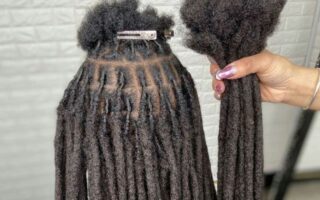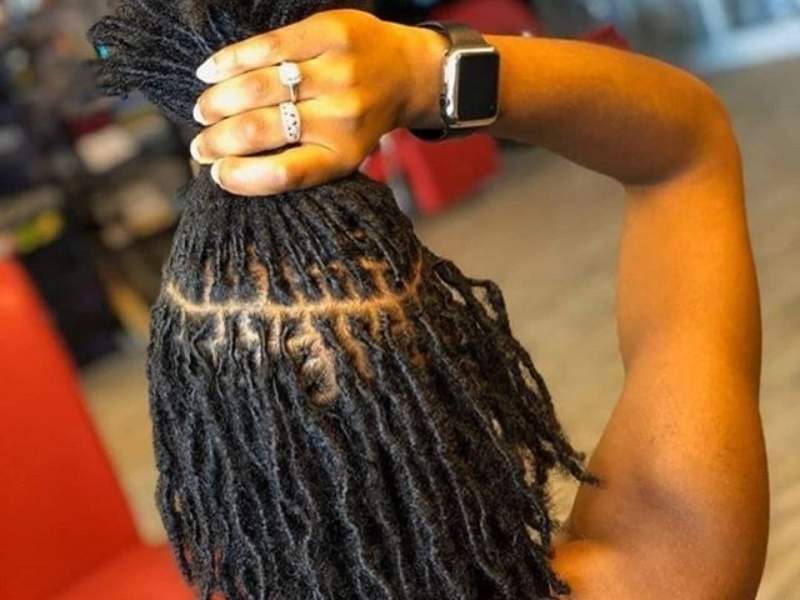
Starting your loc journey is exciting, but it can also come with plenty of questions. One day, your hair looks neat and well separated, and the next day, your locs may appear frizzy, loose, or completely different from how they looked before. If you are new to locs, these changes can make you wonder whether your hair is developing properly.
Understanding the signs your locs are locking properly can help you feel more confident about your hair journey. Locs do not mature overnight. They go through different stages, and each stage comes with changes in texture, shape, thickness, and strength. Some changes are expected, while others may indicate that your hair needs extra attention.
Whether you started your locs with comb coils, two-strand twists, braids, or another method, patience is essential. Your hair needs time to tangle naturally, form knots, and gradually develop the structure associated with mature locs.
In this guide, you will discover the signs your locs are locking properly, what to expect during different stages of the process, how to care for your hair, and when to worry about unusual changes. By the end, you should have a better understanding of your loc journey and the healthy habits that support it.
Your Locs Begin to Form Knots

One of the most important signs your locs are locking properly is the development of small knots within your hair. Locs form as individual hairs intertwine and become increasingly difficult to separate. Over time, these tangled strands create a more compact structure.
During the early stages, your locs may still feel soft and loose. You might notice small bumps or uneven sections along the strands. These changes are often part of the natural locking process.
The knots may not look uniform, especially when your locs are young. Some sections may develop faster than others because hair texture, density, length, and starter method influence the process.
Avoid pulling apart every knot or constantly manipulating your hair to make it look smooth. Doing so may interrupt the process and cause unnecessary breakage.
Instead, allow your locs to develop naturally while maintaining a consistent hair care routine. If you notice knots forming and your strands gradually becoming more intertwined, that can be a positive indication of progress.
If you’ve noticed your locs becoming thinner, especially around the roots or edges, it’s important to address the problem before it gets worse. Learn how to fix thinning locs and prevent them from getting worse with practical tips on reducing tension, strengthening your locs, and maintaining healthy roots.
Your Hair Starts to Feel Firmer
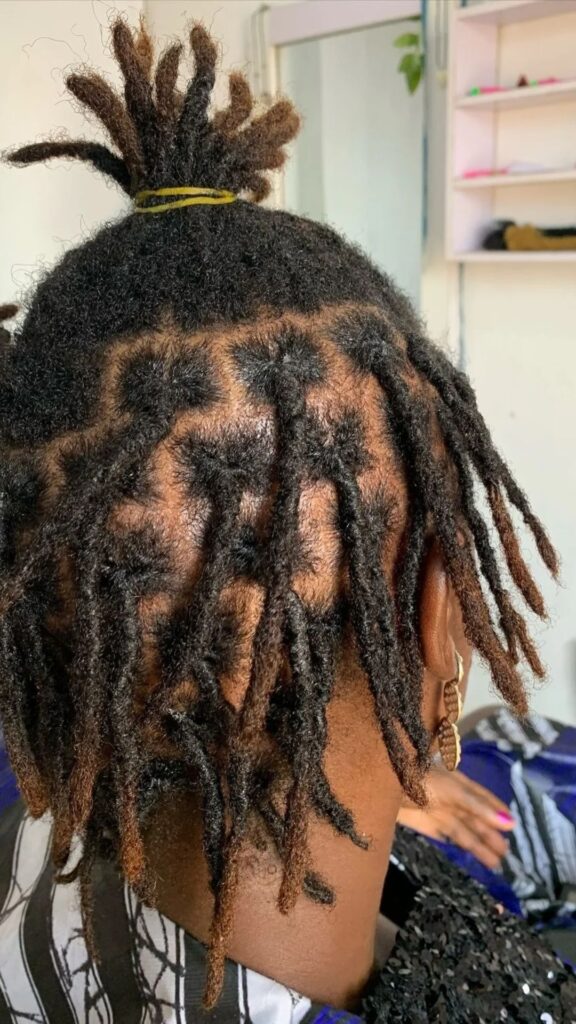
Another one of the signs your locs are locking properly is a gradual change in how your locs feel. Fresh starter locs are often soft, flexible, and easy to unravel. As locking progresses, some sections may become firmer and more compact.
You may notice that the middle of a loc feels different from the root or tip. This is normal because different parts of your hair may mature at different speeds.
Some locs become firm quickly, while others remain soft for months. Your starter method and natural hair characteristics can influence these differences.
Do not assume that every loc must feel hard before it is considered healthy. Mature locs can have varying textures, and some softness does not automatically mean something is wrong.
The important thing is to observe gradual development rather than expecting an immediate transformation.
If your locs are becoming more intertwined and holding their shape better over time, you may be seeing encouraging progress.
Your Locs Become More Compact
Compactness is another useful indicator when examining the signs your locs are locking properly .
At the beginning of your journey, your hair may look fluffy, loose, or slightly spread out. As strands intertwine, the locs can gradually become more compact.
This change may happen unevenly. One loc might appear narrow and firm, while another looks thicker and softer. Such differences are common during the early stages.
Compactness does not necessarily mean your locs will shrink in a straight line or become perfectly cylindrical. Locs naturally develop different shapes depending on their texture, installation method, and maintenance routine.
Avoid squeezing your locs constantly to test their firmness. Excessive handling can cause unnecessary frizz and weaken delicate sections.
Instead, compare your hair over several weeks. If the strands appear increasingly intertwined and the overall structure becomes more established, this may be one of the positive signs your locs are locking properly.
Your Locs Experience Shrinkage
Shrinkage can surprise people who expect their locs to become longer every month. However, shrinkage is often a normal part of the locking process.
As your hair forms knots and becomes more compact, the visible length may decrease temporarily. This is especially common with certain starter methods and tightly curled hair textures.
Although shrinkage can be frustrating, it does not automatically indicate a problem. Your locs may appear shorter even while the hair continues to develop.
The amount of shrinkage varies from person to person. Some people experience noticeable changes, while others observe very little.
Do not stretch your locs aggressively to restore their previous length. Excessive tension can weaken the roots and contribute to thinning.
Instead, allow your hair to develop at its own pace. Pay attention to the overall condition of your scalp and strands rather than judging progress by length alone.
When combined with other healthy changes, shrinkage may be among the signs your locs are locking properly.
Your Locs Become Frizzy
Frizz is one of the most confusing parts of starting locs. Many beginners believe that frizz means their hair is failing to lock, but this is not necessarily true.
In fact, frizz can be one of the signs your locs are locking properly, because loose hairs are gradually becoming involved in the locking process.
During the early stages, individual strands may escape from the loc and create a fuzzy appearance. You might notice this after washing, sleeping, or going several weeks without maintenance.
Some frizz is normal, especially when your hair is still developing. However, excessive friction, frequent manipulation, and poor maintenance can make the appearance more noticeable.
You do not need to eliminate every loose hair. Trying to keep young locs perfectly smooth can lead to unnecessary retwisting or excessive product use.
Focus on gentle care, suitable washing practices, and protecting your hair during sleep.
Remember that frizz alone cannot confirm that your locs are locking properly. Look at the overall development of your strands and consider other signs as well.
Your Locs Hold Their Shape Better
When your locs begin to retain their shape between maintenance sessions, this may indicate that their structure is becoming more established.
Fresh starter locs can loosen easily, particularly after washing or exposure to moisture. As they mature, they may become better at maintaining their general shape.
This does not mean they will never unravel. Young locs can still loosen at the roots, develop soft sections, or lose definition after washing.
Your starter method also matters. Braided starters may hold their shape differently from comb coils or two-strand twists.
Avoid judging your entire journey by a single loose loc. Examine the overall pattern and consider whether your hair is gradually becoming more stable.
If your strands are increasingly intertwined and generally retain their form, these may be encouraging signs your locs are locking properly.
Your Roots Show New Growth
Healthy hair growth continues while your locs mature. You may notice new growth emerging from your scalp between maintenance sessions.
This new growth can appear soft, fluffy, or less compact than the rest of the loc. That difference is normal because hair growing from the scalp has not yet undergone the same locking process.
New growth is not automatically a problem. It is a natural part of having locs.
However, the way you manage your roots matters. Retwisting too tightly or too frequently can place excessive tension on the scalp and contribute to thinning.
Give your roots enough time to recover between maintenance sessions. The appropriate schedule depends on your hair, starter method, and stylist’s recommendations.
Healthy roots support the long-term strength of your locs. While new growth alone does not prove that locking is progressing, it can be a useful part of understanding the signs your locs are locking properly.
Your Locs Develop Different Textures
Another change you may notice is variation in texture along individual locs. One section may feel firm, another soft, and another slightly bumpy.
These differences can occur because locking does not happen evenly throughout every strand.
The tips may mature at a different rate from the middle, while the roots continue producing fresh hair. Your locs may also respond differently to washing, humidity, and everyday handling.
Do not compare every loc with the others or expect them to become identical. Natural locs often develop individual characteristics that make them unique.
Avoid cutting off textured sections simply because they look uneven. Removing hair unnecessarily may weaken the loc or affect its length.
Instead, monitor changes over time and focus on the overall condition of your hair.
Texture variation is often normal during development and can accompany other signs your locs are locking properly.
Your Locs Become Less Likely to Unravel
As locking progresses, your hair may become less likely to separate completely when handled gently or washed carefully.
This happens because the strands are becoming more intertwined. However, the amount of stability depends on the age of your locs and the method used to start them.
Young comb coils, for example, may unravel more easily than established locs. Twists can also loosen, particularly near the ends.
Do not deliberately pull your locs apart to test their strength. This can damage the developing structure and create unnecessary stress.
Instead, follow suitable washing and maintenance practices. If a loc repeatedly unravels, ask an experienced loctician to assess whether the starter method or maintenance routine needs adjustment.
Reduced unraveling can be one of the signs but it is not a requirement that every young loc must meet immediately.
Your Locs Begin to Look More Established
As time passes, you may notice that your hair starts looking more like a collection of locs rather than separate twists, coils, or braids.
The strands may develop a more connected appearance, with visible knots and a stronger overall structure.
This transformation can happen gradually. Some people notice substantial changes within months, while others need considerably longer.
Your hair texture, length, density, starter method, and maintenance habits all influence the timeline.
There is no universal date when every loc should be mature. Avoid comparing your progress too closely with social media pictures because those images may show different hair types, stages, or maintenance methods.
If your locs are developing structure and becoming increasingly intertwined, you may be observing several signs your locs are locking properly together.
How Long Does It Take for Locs to Lock?
One of the most common questions beginners ask is how long locking should take.
Unfortunately, there is no single timeline that applies to everyone. Some hair begins forming noticeable knots within weeks, while other hair takes several months to show significant changes.
The process may continue for a year or longer, depending on your hair and starter method. Full maturation can take considerably longer in some cases.
For example, comb coils may initially look neat but loosen during washing. Two-strand twists can retain their original pattern for some time before developing a more compact structure. Braided starters may look established early while continuing to mature internally.
These differences do not necessarily mean one method is better than another.
Rather than focusing entirely on the calendar, look for gradual changes in structure, texture, and stability.
Understanding the signs your locs are locking properly helps you assess your hair realistically without expecting overnight results.
When Should You Worry About Your Locs?
Although many changes are normal, certain problems deserve attention.
Knowing when to worry is just as important as recognising healthy development. The goal is to distinguish ordinary changes from signs that your scalp or hair needs care.
Persistent Thinning at the Roots
Thinning roots should not be ignored, especially when individual locs appear unusually narrow near the scalp.
Possible causes include excessive tension from tight retwisting, heavy extensions, repeated styling, or other forms of stress on the hair.
If you notice progressive thinning, tenderness, or a receding hairline, stop tight styling and consult a qualified dermatologist or experienced loctician. Early assessment may help prevent further damage.
Significant Hair Breakage
Some loose hairs are normal, but extensive breakage may indicate that your hair is experiencing too much stress.
Aggressive manipulation, frequent tight retwisting, excessive heat, and rough handling can weaken the strands.
If your locs suddenly become much shorter, develop weak points, or break repeatedly, seek professional advice rather than trying several products at once.
Persistent Scalp Itching
Occasional itching can occur, but persistent or severe itching should not automatically be dismissed as part of locking.
Possible causes include dryness, irritation from hair products, buildup, or a scalp condition.
Use gentle cleansing practices and avoid applying products that make the irritation worse. If itching continues or comes with redness, sores, swelling, or unusual scaling, consult a healthcare professional.
Unpleasant Odour
Locs should not have a persistent unpleasant smell. Odour may develop when moisture remains trapped in the hair, the scalp is not adequately cleansed, or buildup accumulates.
Wash your locs appropriately and allow them to dry thoroughly. The drying time depends on their thickness, length, and density.
If the odour continues despite proper washing and drying, seek professional advice.
Heavy Product Buildup
Using too much gel, wax, oil, or styling cream can leave residue inside your locs.
Buildup may make your hair feel sticky, coated, or unusually heavy. It can also make thorough cleansing more difficult.
Choose lightweight products when possible, and avoid applying unnecessary layers of styling products.
Persistent Pain or Scalp Inflammation
Your locs should not cause ongoing pain from tight styling. Persistent tenderness, redness, bumps, or swelling may indicate irritation or another problem.
Stop hairstyles that create tension and seek medical advice if symptoms persist or worsen.
Understanding these warning signs helps you distinguish normal development from problems that need attention.
How to Help Your Locs Lock Properly
Recognising the signs your locs are locking properly is useful, but your daily habits also influence the health of your hair.
Wash Your Locs Regularly
Clean hair and a healthy scalp are important throughout your loc journey.
Use a suitable shampoo and rinse thoroughly to remove sweat, dirt, and product residue. Your washing schedule should reflect your scalp’s needs, lifestyle, and starter method.
If your locs are very young, ask your loctician how to wash them without unnecessarily disturbing their structure.
Avoid leaving your scalp dirty for long periods because you are afraid of unraveling.
Avoid Excessive Manipulation
Constantly twisting, pulling, separating, or squeezing your locs can cause damage.
Let your hair develop naturally between maintenance sessions. You do not need to correct every loose strand or uneven section.
Gentle handling supports the development of healthy locs.
Keep Your Scalp Comfortable
A comfortable scalp supports healthy hair care. If your scalp feels dry, use a suitable lightweight moisturising product when needed.
Avoid applying excessive oils or heavy creams. More product does not necessarily mean more moisture.
If a product causes irritation, discontinue it and consider seeking professional advice.
Protect Your Locs While Sleeping
A satin or silk bonnet, scarf, or pillowcase can help reduce friction while you sleep.
Less friction may help limit unnecessary breakage and excessive disturbance to your locs.
Choose a covering that feels comfortable and does not pull tightly around your hairline.
Maintain a Balanced Routine
Consistency is more useful than constantly changing your routine.
Wash appropriately, avoid excessive tension, keep products simple, and schedule maintenance according to your hair’s needs.
Healthy locs do not require daily manipulation. Giving them time to develop is an important part of the journey.
Common Mistakes That Can Delay Healthy Loc Development
Even when you understand the signs your locs are locking properly, certain habits can make your journey more difficult.
One common mistake is retwisting too frequently. Although fresh retwists can make locs look neat, repeated tension may weaken the roots.
Another mistake is using too much wax or gel. These products may create residue that becomes difficult to remove.
Some beginners also wash their hair too infrequently because they fear unraveling. However, proper cleansing remains important. Learn how to wash your starter locs safely instead of avoiding washing altogether.
Comparing your locs with other people’s hair can also create unnecessary anxiety. Different hair textures and starter methods develop differently.
Finally, pulling apart your locs to check whether they are locked can interfere with the process.
The best approach is to observe gradual changes, maintain healthy habits, and seek professional guidance when something genuinely concerns you.
Frequently Asked Questions
What Are the First Signs Your Locs Are Locking Properly?
Early signs may include small knots, increased tangling, slight changes in firmness, and strands becoming more intertwined. Frizz and shrinkage can also occur. However, these changes vary between individuals, so no single sign guarantees that a loc is locking properly.
How Many Months Does It Take for Locs to Lock?
Some locs begin showing noticeable changes within weeks or months, while others take a year or longer to mature. The timeline depends on hair texture, starter method, length, and maintenance habits. Full maturity can take considerably longer.
Is Frizz a Sign That My Locs Are Locking?
Yes, frizz can accompany the locking process because loose hairs become increasingly intertwined. However, frizz alone does not prove that your locs are locking properly. Consider the overall structure and development of your hair.
Should My Locs Feel Hard When They Lock?
No. Locs do not have to feel completely hard to be healthy or developing properly. Their firmness varies according to their age, texture, and stage of maturity. Gradual changes in structure are more useful than expecting a particular level of hardness.
Why Are Some of My Locs Locking Faster Than Others?
Differences in hair texture, thickness, length, and starter method can cause locs to develop at different speeds. Uneven maturation is common. If a loc becomes unusually thin, weak, or painful, have it assessed by a professional.
Can I Wash My Hair While My Locs Are Locking?
Yes. Washing is important for scalp hygiene. Use a suitable shampoo, rinse thoroughly, and dry your locs completely. If your starter locs are particularly delicate, follow your loctician’s guidance on washing without causing excessive unraveling.
When Should I Worry About My Locs?
Seek professional advice if you experience progressive root thinning, repeated breakage, persistent scalp pain, severe itching, swelling, sores, or an unpleasant odour that continues despite proper cleansing and drying. These issues are not simply signs that your locs are locking.
In summary, your loc journey requires patience, consistency, and an understanding of how hair changes over time. From small knots and increased firmness to frizz, shrinkage, and improved structure, many changes can occur as your locs develop.
Learning the signs your locs are locking properly helps you recognise progress without expecting every loc to mature at the same speed.
At the same time, pay attention to warning signs such as thinning roots, repeated breakage, persistent scalp irritation, and unpleasant odour. These problems deserve attention rather than being ignored as normal parts of the locking process.
Keep your scalp clean, handle your locs gently, avoid excessive tension, and give your hair enough time to develop.
Most importantly, remember that your loc journey is personal. Your hair does not need to look exactly like someone else’s to be healthy. With patience and appropriate care, you can better understand your progress and make informed decisions throughout your journey.
The key is to recognise genuine changes, maintain healthy habits, and seek professional help when something does not seem right.