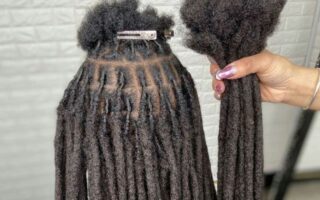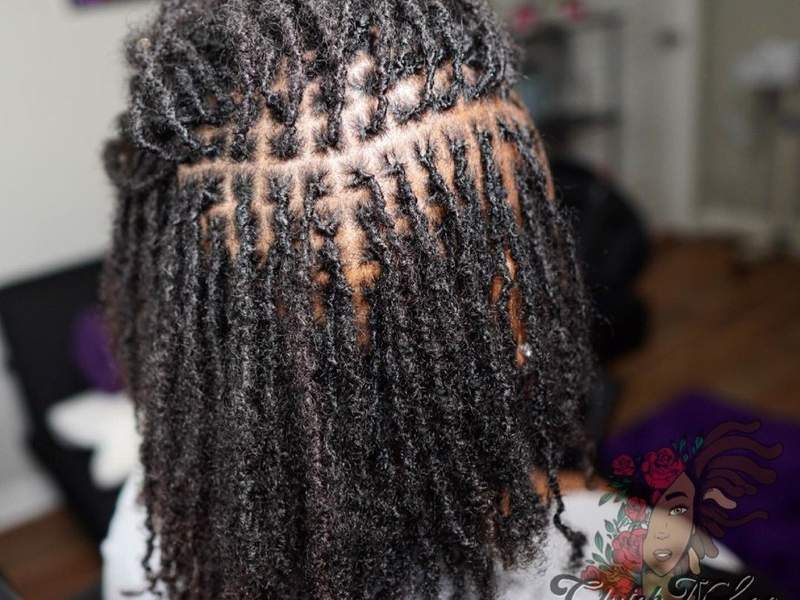
Starting locs with relaxed hair is possible, but it requires patience, proper preparation, and a good understanding of how chemically treated hair behaves. Many people love the beauty, versatility, and low-maintenance appeal of locs but worry that their relaxed hair may not lock properly. If you have relaxed your hair for years, you may wonder whether you need to cut it off before beginning your loc journey or whether you can start directly from your current hair.
The good news is that you do not always have to cut your relaxed hair before starting locs. However, starting locs with relaxed hair comes with specific challenges that you should understand before making your decision. Relaxers alter the natural structure of your hair, which can affect its strength, elasticity, and ability to withstand tension during the locking process.
This guide explains everything you need to know, from choosing a suitable starting method to maintaining healthy hair during the early stages of your loc journey. You will also learn about transitioning from relaxed hair to natural hair, common mistakes to avoid, and how to protect your developing locs.
Understanding Relaxed Hair and Locs
Before starting locs with relaxed hair, it helps to understand what a relaxer does to your hair.
A hair relaxer is a chemical treatment designed to loosen or straighten your natural curl pattern. It changes the bonds within the hair shaft, allowing the hair to remain straighter. Although relaxed hair may feel soft and manageable, chemical processing can weaken the strands, especially when treatments are repeated frequently or applied incorrectly.
Locs form when strands of hair become intertwined and gradually develop a more permanent structure. Depending on your hair texture, starting method, maintenance routine, and lifestyle, this process can take several months or longer.
Starting locs with relaxed hair may be successful, but the process can differ from starting locs with completely natural hair. Relaxed strands may not have the same natural curl and texture that help tightly coiled hair interlock and hold together.
This does not mean your hair cannot lock. It means you need to choose your method carefully and give your hair enough time to develop.
It is also important to remember that relaxed hair varies from person to person. Someone who relaxes their hair occasionally and maintains excellent moisture balance may have a different experience from someone whose hair is severely damaged by repeated chemical treatments.
Understanding your hair’s current condition is the first step toward making a sensible decision.
Can You Start Locs With Relaxed Hair?
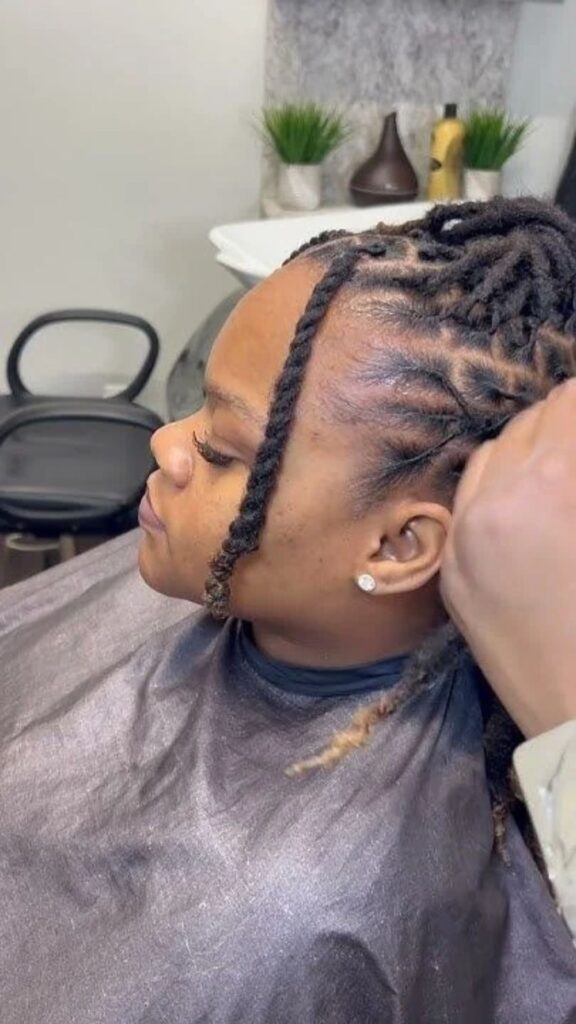
Yes, you can start locs with relaxed hair. However, success depends on the condition of your hair, the amount of new growth you have, and the method you choose.
Starting locs with relaxed hair is generally more manageable when your strands are strong enough to withstand gentle manipulation. If your hair is breaking easily, feels unusually weak, or has significant damage from chemical treatments, you should address those problems before beginning.
One important consideration is that relaxed hair and natural new growth behave differently. The relaxed portions may be straighter and weaker, while the new growth retains your natural texture. This difference can make the locking process uneven.
For example, the roots may begin forming a strong loc structure while the chemically treated ends remain smooth or loose. In some cases, the relaxed ends may take longer to lock or may break before the rest of the loc matures.
Starting locs with relaxed hair therefore requires realistic expectations. Your locs may not develop uniformly, and you might need adjustments to your maintenance routine as your hair changes.
You should also consider your preferred appearance. If you want locs that reflect your natural texture, allowing your natural hair to grow before starting may be a better option. If you want to begin immediately, you can explore methods suitable for mixed-texture hair.
The key is to avoid rushing the process. Healthy hair and gentle maintenance are more important than achieving perfectly formed locs within a particular timeframe.
Looking for comfortable hairstyles for your next workout? Explore Gym-Friendly Loc Styles: Easy Hairstyles for Workouts for easy, secure, and stylish ways to keep your locs in place while exercising. Whether you’re at the gym, running, or doing yoga, these hairstyles help you stay comfortable and focused on your fitness routine
What Happens When Relaxed Hair Begins to Lock?
When starting locs with relaxed hair, your strands begin to tangle and hold together through repeated movement, friction, and the chosen starting technique.
The process does not happen overnight. Initially, your hair may look like twists, coils, braids, or small sections rather than mature locs. As time passes, the hair begins to develop a more compact structure.
Relaxed hair may behave differently during these stages because its chemical treatment has changed the natural bonds responsible for its original texture. Straighter strands can sometimes slip out of a starting style, making the early stages more challenging.
Another possibility is that the roots and ends develop at different rates. Natural new growth may begin to hold together while relaxed ends remain smooth. This difference can affect the overall appearance and strength of each loc.
Starting locs with relaxed hair may also require more careful attention to breakage. Chemically treated hair is not automatically damaged, but repeated relaxer applications, excessive heat, and rough handling can leave it fragile.
If your hair has already experienced considerable damage, forcing it into tight twists or repeatedly manipulating it to make it lock faster can create further problems.
Instead, allow the process to develop naturally. Avoid comparing your progress with someone whose hair has a different texture or treatment history.
Your journey may take longer, but that does not mean you are doing anything wrong.
Best Methods for Starting Locs With Relaxed Hair
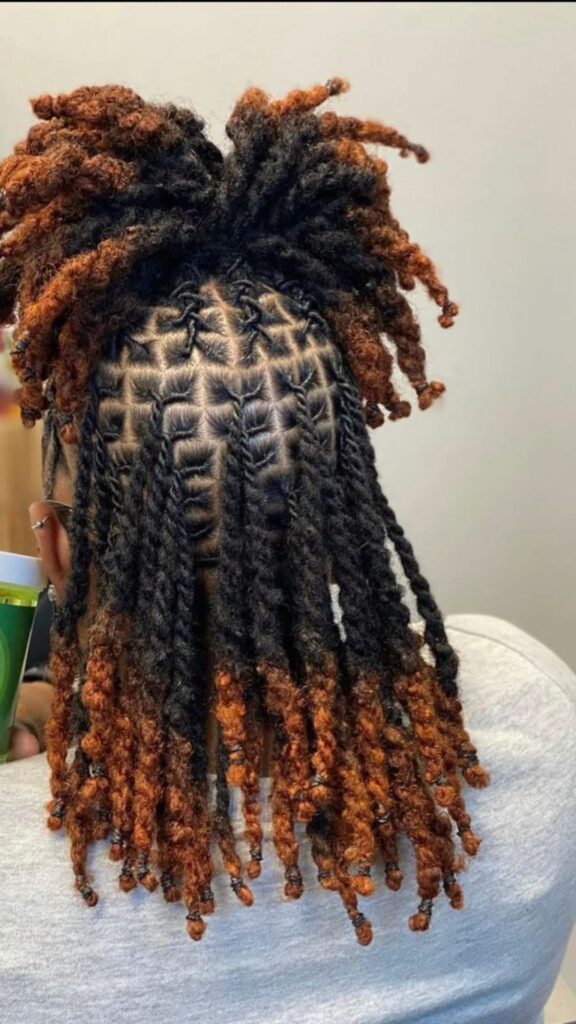
Choosing the right method can make starting locs with relaxed hair easier to manage. The best option depends on your hair length, condition, preferred loc size, and whether you intend to keep relaxing your hair.
Two-Strand Twists
Two-strand twists are a popular way to begin locs. The hair is divided into sections, and two strands are twisted around each other to create individual starters.
For starting locs with relaxed hair, this method may work best when your hair has enough natural new growth to provide texture and grip. However, smooth relaxed ends may unravel more easily than the roots.
Avoid twisting your hair too tightly. Excessive tension can weaken already fragile strands and place unnecessary stress on your scalp.
If you choose this method, a loctician experienced with chemically treated hair can help you determine whether your hair is strong enough to support the twists.
Comb Coils
Comb coils are created by using a comb to form small, uniform coils. They are commonly used on natural hair with enough texture to maintain the shape.
Starting locs with relaxed hair through comb coils can be challenging because straightened strands may not hold the coils securely. The coils may loosen, especially when your hair gets wet or receives too much manipulation.
If you have substantial natural new growth, comb coils might be an option for that textured portion. However, you should not assume they will work equally well on the relaxed ends.
Ask an experienced loctician to assess your hair before choosing this method.
Braids
Braids can provide a stable starting structure for people whose hair is too slippery to hold twists or coils comfortably.
When starting locs with relaxed hair, braids may help keep the strands together while the hair gradually develops its loc structure. However, braids do not guarantee that every strand will lock at the same speed.
The finished locs may also have a different appearance from those started with twists. Some people notice a visible braided pattern during the early stages.
Braids should be neat without being excessively tight. Heavy extensions and unnecessary tension are best avoided, particularly when your hair is chemically processed.
Interlocking
Interlocking involves passing the end of a loc through its root in a controlled pattern using the fingers or a suitable tool.
This method can provide a more secure root structure than some other starting techniques. Nevertheless, it requires proper training because repeated, incorrect interlocking can cause thinning, weak spots, or excessive tension.
Starting locs with relaxed hair through interlocking should be approached cautiously, especially if the strands are brittle. Interlocking does not repair damaged hair or eliminate the risk of breakage.
A trained loctician can determine whether this technique suits your hair and demonstrate how to maintain healthy roots.
Transitioning Before Starting Locs
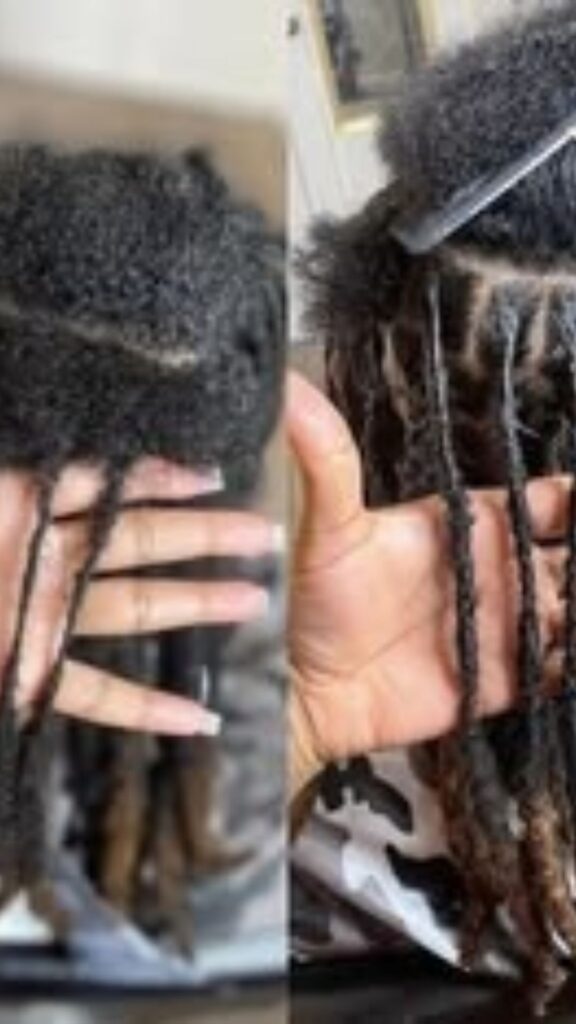
Another option is to allow your natural hair to grow before starting your locs. This approach is particularly helpful if you want to reduce the amount of relaxed hair in your eventual locs.
You do not have to cut off all your relaxed hair immediately. Instead, you can grow your natural roots while keeping the two textures moisturized and handling them gently.
Once you have enough new growth, you can discuss whether to start locs with both textures, trim the relaxed ends gradually, or cut off the relaxed portions before beginning.
This decision depends on your preferred length, hair condition, and willingness to transition.
Should You Cut Your Relaxed Hair Before Starting Locs?
No, cutting your relaxed hair is not compulsory. However, it may be beneficial in certain circumstances.
If your hair is severely damaged, has extensive breakage, or has very weak ends, trimming the affected sections may help you establish a healthier starting point.
Starting locs with relaxed hair without cutting it can preserve your length, which is important if you have spent years growing your hair. Still, retaining length should not come at the expense of your hair’s health.
You can consider three options.
Option one: Keep all your relaxed hair. This may suit you if your hair is relatively healthy and you understand that the relaxed portions might take longer to lock.
Option two: Trim gradually. You can allow natural hair to grow and gradually remove relaxed ends over time. This avoids an immediate major haircut but requires patience.
Option three: Cut off the relaxed hair. A big chop removes the chemically treated portions and allows you to begin with natural hair. Some people prefer this approach because it creates a more consistent texture.
Starting locs with relaxed hair is a personal decision, so there is no single method that suits everyone. Consider your hair’s strength, your desired length, and the amount of maintenance you can manage before making your choice.
How Long Does It Take Relaxed Hair to Lock?
There is no universal timeline for starting locs with relaxed hair. Some locs begin to develop noticeable structure within a few months, while others take a year or longer to mature.
Several factors influence the process.
- Hair texture: Your natural texture and the condition of your relaxed strands affect how readily the hair holds together.
- Starting method: Twists, braids, coils, and interlocking create different starting structures.
- Hair length: Longer hair can offer more material to work with, although length alone does not guarantee faster locking.
- Maintenance: Gentle care supports healthy development, while excessive manipulation can cause unraveling or breakage.
- Chemical damage: Weakened strands may struggle to maintain their structure.
- Washing habits: Appropriate washing keeps the scalp clean, although starter locs need careful handling to prevent excessive unraveling.
When starting locs with relaxed hair, avoid expecting every loc to mature simultaneously. Some may become firm sooner, while others remain soft or loose.
Your hair may also pass through stages in which the locs appear fuzzy, uneven, or less defined. These changes are normal parts of many loc journeys.
Do not try to force your hair to mature faster through excessive twisting or tight maintenance appointments. Healthy development takes time.
How to Prepare Your Hair Before Starting
Preparation is especially important when starting locs with relaxed hair because you want to begin with strands that can tolerate the process.
First, assess your hair’s condition. Look for unusual breakage, thinning ends, excessive shedding, and areas that feel unusually weak. If your hair is significantly damaged, consider consulting a qualified hairstylist before proceeding.
Next, avoid relaxing your hair immediately before installation. Chemical treatments can leave the hair more vulnerable to breakage, particularly when combined with other intensive styling procedures.
You should also avoid unnecessary heat styling. Frequent use of flat irons and high-temperature blow-dryers can add to existing damage.
Clean your scalp and hair before your appointment, following the advice of your loctician. Product buildup can interfere with installation, while heavy oils, waxes, and greasy products may leave unwanted residue.
If you have a sensitive scalp or experience persistent irritation, address that concern before starting.
Finally, choose a loctician who understands both natural and chemically treated hair. Explain your hair history honestly, including how often you relax it and whether you have experienced breakage.
Starting locs with relaxed hair becomes easier to plan when your stylist understands the condition of your strands and your long-term goals.
Can You Continue Relaxing Your Hair After Starting Locs?
Continuing to relax your hair after beginning your loc journey is generally not advisable.
Relaxers are designed to alter the hair’s structure, and applying them to developing locs can weaken the strands. It can also be difficult to apply the chemical evenly without overlapping previously treated sections.
Starting locs with relaxed hair is already a process that requires attention to strength and texture. Continuing chemical straightening may increase the likelihood of breakage, especially where natural new growth meets relaxed hair.
If your goal is to develop mature locs, consider allowing your natural hair to grow without further relaxer applications.
You may need time to adjust to the difference between your natural roots and relaxed ends. Gentle styling, careful moisturizing, and professional advice can help you manage this transition.
If you decide that you no longer want locs, remember that removing them may require significant time and effort. Chemically treated hair may be particularly fragile during detangling, so avoid aggressive removal techniques.
Your long-term hair goals should guide your decisions before installation.
How to Maintain Locs Started With Relaxed Hair
Once your locs are installed, consistent and gentle care becomes essential. Starting locs with relaxed hair does not mean you must follow a complicated routine, but it does mean you should pay attention to moisture, cleanliness, and breakage. this helps to maintain Locs
- Keep Your Scalp Clean
A clean scalp supports a healthy environment for hair growth. Wash your locs according to your loctician’s guidance and your scalp’s needs.
Starting locs with relaxed hair does not require you to avoid washing your hair indefinitely. Instead, learn a washing technique that minimizes unnecessary unraveling while removing sweat, dirt, and product residue.
- Moisturize Without Overdoing It
Relaxed hair can become dry and brittle, so moisture matters. Starting locs with relaxed hair means paying attention to dryness without covering your hair in heavy products.
Use a lightweight moisturizer suitable for your hair and scalp. A light water-based mist may be helpful, depending on your hair’s needs.
Avoid applying excessive oil or cream to developing locs. Heavy products can accumulate inside the locs and become difficult to remove.
- Avoid Excessive Retwisting
Retwisting can help maintain the appearance of your roots, but frequent or tight retwisting can weaken the hair.
When starting locs with relaxed hair, avoid pulling your roots tightly to create a neat appearance. Your hair should never feel painfully tight after maintenance.
Allow sufficient time between retwisting sessions, and ask your loctician to recommend an appropriate schedule for your hair.
- Protect Your Hair at Night
A satin bonnet, scarf, or pillowcase can reduce friction while you sleep. This is particularly useful when starting locs with relaxed hair because fragile strands may be more vulnerable to friction-related breakage.
Choose a covering that fits comfortably without pulling on your hairline.
- Watch for Signs of Damage
Pay attention to thinning locs, repeated breakage, persistent scalp discomfort, or sections that seem unusually weak.
Starting locs with relaxed hair should not involve sacrificing your scalp health or forcing fragile strands into a style they cannot support.
Seek professional advice if you notice significant damage or unexplained hair loss.
Common Mistakes to Avoid
There are several mistakes that can make starting locs with relaxed hair more difficult than necessary.
- Expecting instant results. Locs need time to develop. Comparing your early progress with mature locs can lead to unnecessary manipulation.
- Using too much product. Heavy creams, waxes, and thick oils can contribute to buildup. Choose products carefully.
- Retwisting too frequently. Constant manipulation can weaken roots and cause thinning.
- Ignoring breakage. Chemically treated hair may need extra care. Do not overlook signs of damage simply because you want to preserve your length.
- Choosing the wrong starting method. Not every method suits every hair texture. Starting locs with relaxed hair requires an honest assessment of your strands.
- Continuing chemical treatments without considering the risks. Further relaxing can compromise hair strength and make maintaining your locs more difficult.
- Using excessive heat. High temperatures can contribute to dryness and breakage.
- Neglecting the scalp. Healthy loc maintenance includes keeping the scalp clean and paying attention to irritation.
- Comparing your journey with others. Your hair has its own history, texture, and needs.
- Rushing the process. Starting locs with relaxed hair is a journey, not a race. Patience is essential.
Is Starting Locs With Relaxed Hair Right for You?
The decision depends on what you want from your loc journey and the condition of your hair.
If your relaxed hair is healthy and you want to preserve your length, you may be able to begin without cutting it all off. However, you should understand that chemically treated ends may behave differently from your natural new growth.
If your hair is severely damaged, transitioning first or removing the weakest ends may be more appropriate.
Starting locs with relaxed hair can also suit people who are comfortable with an evolving appearance. Your locs may look uneven during the early stages, and you may need to adjust your maintenance routine as your natural hair grows.
Think about your lifestyle, your budget for maintenance, and the amount of time you can dedicate to caring for your hair.
Most importantly, choose a method that supports healthy hair rather than focusing exclusively on appearance.
A consultation with an experienced loctician can help you understand your options and decide whether to begin immediately or transition first.
Frequently Asked Questions
- Can relaxed hair lock naturally?
Yes. Starting locs with relaxed hair is possible because chemically treated strands can become intertwined over time. However, the process may be slower or less predictable than with some natural hair textures.
- Do I have to cut my relaxed hair before starting locs?
No. Starting locs with relaxed hair does not require a big chop. You can keep your length, trim gradually, or remove the relaxed portions depending on your hair’s condition and personal preference.
- What is the best method for starting locs with relaxed hair?
There is no single best method for everyone. Twists, braids, and other techniques may be suitable depending on your hair’s strength, length, and texture. A qualified loctician can recommend an appropriate option.
- How long does it take relaxed hair to lock?
It varies. Starting locs with relaxed hair may take several months or longer to develop noticeable structure, and full maturity can take a year or more. Your hair texture, maintenance, and starting method all influence the timeline.
- Can I relax my hair again after starting locs?
It is generally best to avoid further relaxer treatments once you begin your loc journey. Chemical processing can weaken developing locs and increase breakage. Allowing your natural hair to grow is usually a better approach.
Ultimately, starting locs with relaxed hair is possible, but it requires realistic expectations and a commitment to gentle hair care. You do not necessarily need to cut your hair before beginning, and you can choose a gradual transition if preserving your length matters to you.
The most important thing is to assess your hair honestly, select a suitable starting method, and avoid practices that cause unnecessary damage.
Remember that locs develop at different rates, and your journey does not have to look like anyone else’s. With patience, appropriate maintenance, and professional guidance when needed, you can work toward the loc style you want while prioritizing the health of your hair and scalp.