Faux Locs: How to Prevent Itching, Buildup, and Premature Frizz
Faux locs are one of those hairstyles that can make you feel beautiful, confident, and effortlessly stylish. Whether you prefer long, flowing locs, a shoulder-length bob, or a short and playful style, faux locs offer plenty of room to express your personality. They also provide a protective styling option that allows you to enjoy the appearance of locs without permanently locking your natural hair.
However, there is one side of wearing faux locs that people do not always talk about before installation: the itching, product buildup, and premature frizz that can make an otherwise beautiful hairstyle uncomfortable.
You might leave the salon feeling fantastic, only to find yourself scratching your scalp a few days later. Perhaps your locs begin looking fuzzy before you have enjoyed them for very long. Or maybe you notice white residue around your roots despite trying to keep your hair neat.
If any of this sounds familiar, you are certainly not alone.
The good news is that you can make your faux locs more comfortable and easier to maintain by developing the right hair care routine. Understanding how to prevent itching and buildup in faux locs can help you protect your scalp, maintain a fresh appearance, and enjoy your hairstyle for its intended lifespan.
In this guide, we will discuss practical ways to manage scalp itching, reduce residue, prevent premature frizz, and care for your natural hair underneath your extensions. Everything begins with understanding what your scalp needs and learning to treat your hairstyle gently.
Understanding Why Faux Locs Become Itchy
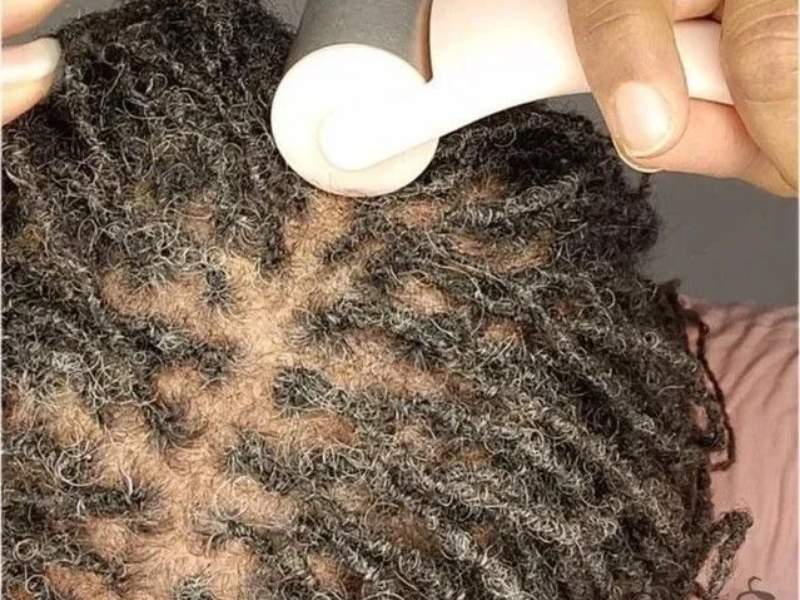
Before learning how to prevent itching and buildup in faux locs, it helps to understand why the problem occurs in the first place.
Your scalp continues producing natural oils, shedding dead skin cells, and collecting sweat even when your hair is covered with extensions. Adding synthetic or human hair does not stop these normal processes.
Sometimes, itching begins because the installation is too tight. At other times, the culprit is sweat, product residue, dry skin, or sensitivity to the extension material.
The timing of the itching can provide useful clues. If your scalp begins hurting immediately after installation, excessive tension may be responsible. If the itching develops after several days, sweat, residue, or irritation from a product may be contributing.
It is important not to assume that every itchy scalp needs more oil. Adding products without identifying the cause can make the situation worse.
A comfortable hairstyle should never leave you dealing with persistent pain, burning, headaches, or painful bumps. If your locs feel excessively tight, contact your stylist promptly and discuss loosening or removing them.
Protective styling should protect your natural hair, not place unnecessary stress on your scalp.
Faux locs can look beautiful, but itching, product buildup, and premature frizz can make them difficult to maintain. Learn how to care for your style with these practical tips in Faux Locs: How to Prevent Itching, Buildup, and Premature Frizz to keep your locs looking fresh and feeling comfortable for longer.
-
Start With a Clean Scalp Before Installation
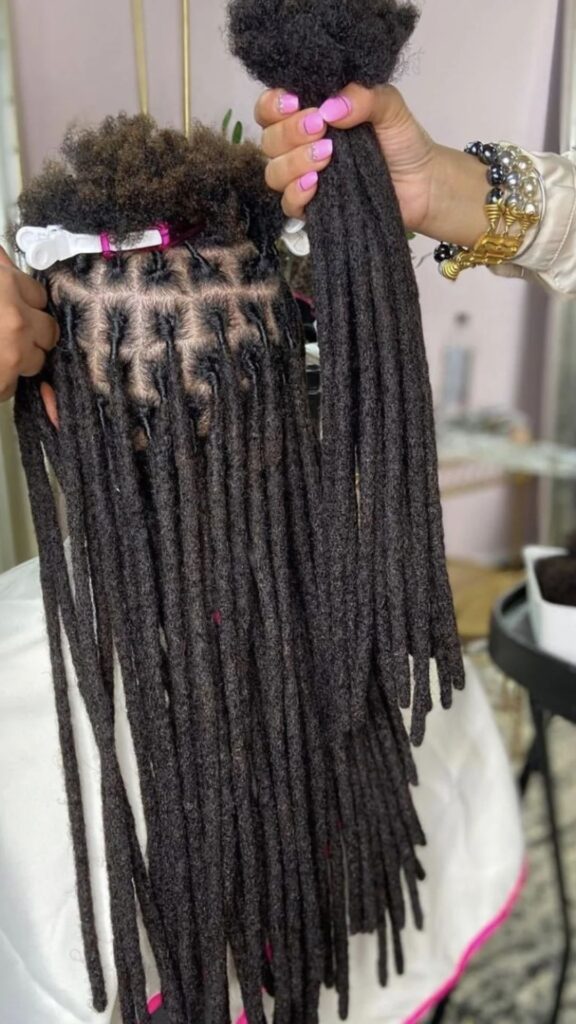
One of the easiest ways to make faux locs more comfortable begins before you even sit in the salon chair.
Wash your natural hair and scalp before installation. Removing old styling products, sweat, and excess oil creates a cleaner foundation for your new hairstyle.
This simple step supports how to prevent itching and buildup in faux locs because it reduces the amount of residue trapped beneath the extensions from the beginning.
Use a gentle shampoo suitable for your scalp. Massage it with the pads of your fingertips rather than scratching with your nails. Rinse thoroughly to remove leftover cleanser.
If your scalp is particularly sensitive, avoid experimenting with several new products immediately before installation. Familiar products that your scalp already tolerates are generally a safer choice.
You should also tell your stylist about any previous reactions to synthetic hair, scalp tenderness, or problems with tightly installed hairstyles.
Good preparation does not guarantee that itching will never occur, but it gives your scalp a better starting point.
Styling starter locs requires extra care to prevent unraveling and protect your hair as it begins to lock. If you’re looking for gentle styling ideas, check out How to Style Starter Locs Without Unraveling or Weakening Them for practical tips on keeping your starter locs neat while supporting healthy loc development
-
Avoid Installing Your Locs Too Tightly
Beautiful faux locs do not need to hurt.
Sometimes, people assume that tightly installed locs will last longer or look neater. Unfortunately, excessive tension can cause discomfort and place unnecessary stress on your hair follicles.
If the stylist pulls your natural hair too tightly while creating the foundation, you may experience soreness, headaches, bumps, or irritation around your hairline.
Over time, repeated tension can contribute to traction alopecia, a form of hair loss associated with pulling on the hair.
When discussing how to prevent itching and buildup in faux locs, installation tension deserves as much attention as shampoo and moisturiser.
Tell your stylist when something feels uncomfortable. Do not feel embarrassed about asking for adjustments.
Choose a length and thickness that your natural hair can comfortably support. Very long or heavy extensions may not be suitable for everyone, particularly if the hair around the edges is already fragile.
Remember that neat parts are not worth sacrificing your scalp health.
-
Choose Extension Hair Carefully
The type of extension hair used for faux locs can affect how comfortable the style feels.
Some people experience irritation when synthetic fibres rub against their skin. Others notice itching after using particular brands or materials, even when the installation itself is not tight.
If you have experienced this problem before, discuss alternative extension materials with your stylist.
Depending on the product, gently cleansing or preparing synthetic hair before installation may help remove manufacturing residue. However, preparation methods vary, so follow the manufacturer’s instructions and avoid soaking materials that are not suitable for washing.
A small patch test may help identify certain reactions, although it cannot guarantee that a full installation will be comfortable.
Avoid assuming that a product is harmless simply because it is marketed as natural, organic, or suitable for sensitive skin.
Learning how to prevent itching and buildup in faux locs includes paying attention to the materials that touch your scalp.
-
Keep Your Scalp Clean While Wearing Faux Locs
One of the biggest mistakes people make with protective hairstyles is avoiding water altogether.
You may have heard that washing faux locs will ruin them. Although aggressive washing can cause frizz or loosen some installations, your scalp still needs regular cleansing.
Sweat, dead skin cells, environmental dust, and styling products can accumulate between your locs. Over time, this combination may contribute to discomfort, unpleasant odours, and visible residue.
A clean scalp is an important part of how to prevent itching and buildup in faux locs.
Use a gentle shampoo and focus primarily on the scalp rather than rubbing the entire length of the extensions.
An applicator bottle can help you distribute diluted shampoo between the locs, provided the product instructions allow dilution. Apply it carefully along your parts and massage gently with your fingertips.
Avoid vigorous scrubbing, which can loosen the wrapping and create unnecessary frizz.
Rinse patiently until the shampoo has been removed completely. Residue left around the roots may irritate your scalp.
How often you wash depends on your activity level, climate, scalp condition, and product use. Someone who exercises frequently may need to cleanse more often than someone whose scalp remains relatively dry.
Pay attention to your scalp rather than following a rigid schedule that does not suit your needs.
-
Dry Your Locs Completely After Washing
Washing your faux locs is only half the job. Proper drying is equally important.
Because faux locs contain several layers of hair or wrapping, water can remain trapped inside them longer than you might expect.
When the roots and inner sections stay damp for extended periods, the hairstyle may develop an unpleasant smell. Prolonged dampness can also contribute to scalp discomfort.
If you want to understand how to prevent itching and buildup in faux locs, make complete drying a regular habit.
After washing, gently squeeze excess water from the locs with a clean microfibre towel or soft cotton T-shirt. Avoid rubbing them aggressively.
Allow your hair to dry in a well-ventilated area. A hooded dryer or diffuser on a suitable low setting may help, provided the extension material can tolerate the temperature.
Pay particular attention to the roots, where moisture can become trapped.
Do not cover freshly washed, damp locs with a tight scarf and immediately go to sleep. Give them sufficient time to dry before covering them for the night.
A satin bonnet can protect your hairstyle from friction, but it should not be used to conceal moisture that has not dried.
-
Avoid Applying Too Much Oil

Oiling your scalp may seem like the easiest solution when itching begins. However, applying more oil is not always the answer.
Heavy oils, thick butters, waxes, and greasy styling products can accumulate around the roots and between the locs.
When these products mix with sweat and dead skin cells, they can create stubborn residue that is difficult to remove.
A useful principle for how to prevent itching and buildup in faux locs is to keep your product routine simple.
If your scalp feels dry, consider using a lightweight product that suits your skin. Apply a small amount and observe how your scalp responds.
You do not need to oil your scalp every day simply because you are wearing faux locs.
Some people benefit from occasional oiling, while others find that oils make their scalp feel greasy or uncomfortable. Your routine should reflect your individual needs.
Also remember that oil does not replace water or treat every cause of itching.
If the discomfort comes from tight installation, an allergic reaction, or a scalp condition, adding oil may do very little to help.
-
Be Careful With Hair Sprays and Styling Products
Hair sprays, gels, mousses, and edge-control products can help you maintain a polished appearance. However, using too many products may contribute to buildup.
You might apply mousse to flatten flyaways, follow it with oil for shine, and then use another spray to refresh the style. Before long, your locs may feel coated rather than clean.
When practising how to prevent itching and buildup in faux locs, think carefully about whether each product is necessary.
Use lightweight products sparingly and choose formulas that are compatible with your extension material.
Avoid repeatedly applying new products over old residue. When buildup develops, cleansing is usually more helpful than adding another layer.
Be particularly cautious with strongly fragranced sprays, alcohol-based products, and undiluted essential oils if your scalp is sensitive.
Natural ingredients can still cause irritation. If a product causes burning, redness, or increased itching, discontinue it.
A beautiful hairstyle does not require a complicated collection of products. Sometimes, using less gives you better results.
-
Manage Sweat After Exercise
Exercise is good for your overall well-being, and wearing faux locs should not mean giving up your favourite physical activities.
However, sweat can accumulate around your roots, particularly during intense workouts or in hot weather.
When sweat dries, it may leave your scalp feeling salty or uncomfortable. If you also use heavy styling products, residue can accumulate more quickly.
Understanding how to prevent itching and buildup in faux locs means adjusting your routine to your lifestyle.
After exercising, allow your scalp to cool and dry. Gently blot excess moisture with a clean towel.
If you sweat heavily, you may need to rinse or wash your scalp, depending on how much sweat and product has accumulated.
Make sure your roots dry completely afterwards.
Wash your workout headbands, scarves, and other accessories regularly. These items can collect sweat, oil, and dirt that may transfer back onto your scalp.
You do not need to avoid exercise to preserve your hairstyle. You simply need to balance your activities with sensible cleansing and drying.
-
Protect Your Locs While Sleeping

Your nighttime routine can make a noticeable difference in how your faux locs look over time.
Constant rubbing against cotton pillowcases can loosen the outer wrapping and encourage premature frizz.
A satin or silk scarf, bonnet, or pillowcase helps reduce friction while you sleep.
If you prefer wearing a bonnet, make sure it fits comfortably and does not pull on your edges.
Before bedtime, check that your locs are dry. Covering damp hair tightly can trap moisture and leave your roots uncomfortable.
Try to avoid forcing your locs into tight buns or ponytails every night. These styles may place unnecessary tension on your hairline.
For people interested in how to prevent itching and buildup in faux locs, nighttime protection is useful because it supports both scalp comfort and hairstyle maintenance.
It is a small habit that can make your morning routine easier.
-
Reduce Friction During Everyday Activities
Faux locs naturally experience some wear as you move through daily life.
Your hair may rub against clothing, handbags, car seats, jewellery, and other surfaces. Over time, this friction can loosen the wrapping and create flyaways.
You cannot eliminate every source of friction, but you can reduce unnecessary handling.
Avoid constantly twisting, rubbing, or pulling at individual locs. Repeated manipulation can make frizz appear sooner.
Choose clothing that does not repeatedly snag your extensions, and remove jewellery carefully when your locs become caught around it.
If a loc catches on something, gently free it rather than pulling hard.
You can also alternate hairstyles to avoid placing repeated tension on the same areas.
A little frizz is normal. The goal is not to make faux locs look permanently untouched but to help them remain attractive without damaging your natural hair.
-
Buildup Before It Becomes a Problem
Buildup does not always look the same.
You may notice white flakes around the roots, a sticky film on the locs, greasy patches, or residue that remains after a quick rinse.
Sometimes, the locs may feel unusually stiff or heavy.
However, not every flake means you have product buildup. Dandruff, dry skin, and other scalp conditions can produce similar symptoms.
When considering how to prevent itching and buildup in faux locs, learn to distinguish between ordinary residue and symptoms that require professional attention.
For mild product buildup, a thorough wash with an appropriate shampoo may help.
Work in sections and rinse carefully. If the residue remains, follow the shampoo instructions and avoid excessive scrubbing.
Never use harsh household detergents or sharp tools to scrape your scalp.
If you notice thick scaling, persistent odour, sores, swelling, or worsening itching, consult a qualified healthcare professional.
Trying to hide these symptoms beneath oil, perfume, or styling products may delay appropriate treatment.
-
Refresh Frizzy Locs Without Overdoing It
Some frizz is unavoidable, especially when you have worn faux locs for several weeks.
The outer wrapping naturally experiences movement and friction. Your lifestyle, the extension material, and the installation method can all influence how quickly frizz develops.
If you want to learn how to prevent itching and buildup in faux locs while keeping them neat, remember that excessive refreshing can sometimes create a new problem.
Start with simple adjustments.
Separate locs gently with your fingers when they become tangled. If your stylist recommends a suitable mousse, apply a small amount to help manage loose fibres.
Allow the product to dry completely before covering the style.
Avoid repeatedly coating your locs with mousse, gel, or spray every day. These products can accumulate and leave your hair feeling sticky.
If several locs are unraveling, arrange a professional touch-up rather than attempting aggressive repairs.
Never cut loose fibres close to your natural hair unless you can clearly identify which strands belong to the extension.
-
Avoid Harsh Home Remedies
When itching becomes frustrating, it is understandable to search for quick solutions online.
You may come across advice recommending lemon juice, vinegar, undiluted tea tree oil, alcohol, or other homemade mixtures.
Although some ingredients have legitimate uses in particular circumstances, they are not automatically safe for every scalp or extension material.
Undiluted essential oils can cause irritation or allergic reactions. Acidic mixtures may sting damaged skin, while harsh products can worsen dryness or discomfort.
A safer approach to how to prevent itching and buildup in faux locs is to use products formulated for hair and scalp care according to their instructions.
If you want to try a new product, introduce it cautiously and stop using it if irritation develops.
Do not apply strong treatments to broken or inflamed skin without suitable medical advice.
If itching continues despite gentle cleansing and removing obvious irritants, consult a healthcare professional rather than experimenting with increasingly harsh remedies.
-
Protect Your Natural Hair Underneath
Faux locs are often described as a protective hairstyle, but protection depends on how the style is installed, maintained, and removed.
Your natural hair continues growing underneath the extensions. It still needs a clean scalp, gentle handling, and freedom from excessive tension.
Pay attention to your edges and temples. If these areas become tender, develop bumps, or appear thinner, your hairstyle may be placing too much strain on them.
Do not ignore these changes simply because the locs look attractive.
Choosing a manageable length, avoiding tight updos, and maintaining a comfortable installation can help reduce unnecessary stress.
When thinking about how to prevent itching and buildup in faux locs, remember that scalp health is only part of the picture. Protecting your natural hair matters just as much.
Follow your stylist’s advice about how long to keep the style installed, but remove it earlier if you develop persistent discomfort, severe matting, or significant buildup that you cannot manage safely.
During takedown, work slowly and carefully. Your natural hair may be intertwined with the extension wrapping, so cutting blindly can cause accidental damage.
After removal, cleanse your scalp gently and detangle your hair in manageable sections.
-
Create a Simple Maintenance Routine
You do not need to spend hours every day caring for faux locs.
A simple, consistent routine can help you keep your scalp comfortable and your hairstyle looking fresh.
Start by checking your scalp regularly. Pay attention to the hairline, nape, and areas where the locs feel tight.
Look for redness, unusual flakes, bumps, or persistent itching.
Cleanse your scalp according to its needs. Use a gentle shampoo, rinse thoroughly, and make sure your roots dry completely.
Apply moisturising products only when necessary. If your scalp feels comfortable, there may be no reason to add more oil.
Protect your locs at night using satin or silk, and avoid hairstyles that pull excessively on your roots.
After exercise, manage sweat and allow your hair to dry.
If you are learning how to prevent itching and buildup in faux locs, consistency will generally help more than constantly switching between trending products.
Introduce new products one at a time so you can recognise what works for your scalp.
-
Know When It Is Time to Remove Your Faux Locs
Sometimes, the best way to protect your scalp is to remove the hairstyle.
You may feel reluctant to do this after spending money and several hours at the salon. However, keeping a hairstyle that causes ongoing discomfort is rarely worth the cost.
Persistent itching, painful bumps, significant hairline tension, severe matting, or residue that cannot be removed safely are reasons to reassess the style.
If your scalp appears inflamed or infected, seek medical advice. If the installation is too tight or the locs are unraveling extensively, contact your stylist.
Understanding how to prevent itching and buildup in faux locs also means recognising when routine maintenance is no longer enough.
Your scalp deserves attention, and your natural hair deserves protection.
Frequently Asked Questions
Can I wash my faux locs?
Yes. Faux locs can generally be washed carefully, although the appropriate technique depends on the installation method and extension material. Focus on the scalp, rinse thoroughly, and dry the locs completely.
Why do my faux locs itch at night?
Itching at night may be related to dryness, sweat, irritation, product residue, or tension. Check whether your bonnet is too tight and whether your scalp is fully dry before bedtime. Persistent symptoms should be assessed professionally.
Should I oil my scalp every day?
Not necessarily. Some people benefit from occasional light oiling, while others experience more buildup when using oils frequently. Choose products according to your scalp’s needs rather than following a routine simply because it is popular.
How can I reduce frizz without ruining my locs?
Protect your hair at night, avoid excessive manipulation, reduce friction, and use compatible styling products sparingly. If the wrapping becomes loose, ask your stylist about a safe touch-up.
What should I do if my scalp is still itchy after washing?
Consider whether tension, sensitivity to the extension material, or a scalp condition may be responsible. Avoid applying several new products to the irritated area. If the itching persists or worsens, seek medical advice.
Conclusion
Faux locs can be a beautiful, convenient, and confidence-boosting hairstyle when they are installed and maintained properly.
The secret to enjoying them is not buying every product advertised for protective styles. It is understanding your scalp, choosing a comfortable installation, cleansing when needed, drying thoroughly, and avoiding unnecessary product buildup.
Learning how to prevent itching and buildup in faux locs also involves protecting your hair from excessive tension and friction. Gentle handling, sensible nighttime protection, and regular scalp checks can help you enjoy the style without making maintenance unnecessarily complicated.
Remember that a little frizz is normal, and every scalp is different. What works for one person may not work for another.
If your scalp becomes painful, develops sores, or remains persistently itchy, do not ignore the symptoms. Seek appropriate professional advice and make changes to your hairstyle when necessary.
With a simple routine and a little patience, you can help your faux locs stay comfortable, fresh, and beautiful while giving your natural hair the care it deserves.