Locs are beautiful, versatile, and relatively easy to maintain when you understand what your hair needs. However, one problem that can make anyone uncomfortable is an unpleasant smell coming from their locs. You may wash your hair regularly, use quality products, and follow a maintenance routine, yet still notice an unpleasant odour that seems difficult to remove.
If you have ever wondered why locs smell even after washing, you are not alone. It is a common concern among people with starter locs, mature locs, sisterlocks, traditional locs, and other loc styles. The good news is that an unpleasant smell does not automatically mean your hair is dirty or unhealthy. In many cases, it is connected to moisture trapped inside the locs, product buildup, sweat, inadequate drying, or scalp conditions.
Understanding why locs smell is the first step towards finding a lasting solution. Simply covering the smell with perfume, scented oils, or hair sprays will not address the underlying problem. In fact, adding more products can sometimes make the situation worse.
This guide explains why locs smell, the common mistakes that contribute to unpleasant odours, and practical ways to keep your hair fresh, clean, and healthy. Whether you are newly starting your loc journey or have maintained your locs for several years, these tips can help you develop better habits and enjoy your hair with confidence.
Why Locs Smell: Understanding the Main Causes
Before looking at solutions, it is important to understand why locs smell in the first place. Locs have a structure that differs from loose natural hair. Because strands are intertwined and compacted, moisture, dirt, oils, and product residue can sometimes remain trapped within them.
This does not mean locs are naturally smelly. Properly washed and thoroughly dried locs should not have a persistent unpleasant odour.
Here are the most common reasons why locs smell.
Moisture Trapped Inside Your Locs
One of the biggest reasons why locs smell is trapped moisture. After washing, water can remain inside the compacted sections of your hair, particularly if your locs are thick, long, or tightly formed.
While the outside may feel completely dry, the inside can remain damp for hours. This creates conditions that encourage microbial growth and may produce a musty or sour smell.
This problem is especially common when people wash their hair late in the evening and go to bed before it has dried properly.
If you frequently experience this issue, reconsider your washing schedule. Give your locs enough time to dry completely before covering your head or sleeping.
Product Buildup
Another common explanation for why locs smell is product buildup. Creams, heavy conditioners, gels, waxes, butters, and styling products can accumulate inside your locs over time.
Unlike loose hair, locs cannot easily release every product residue through ordinary brushing. When buildup remains trapped, it can collect dirt, sweat, and moisture, eventually contributing to unpleasant odours.
Some products also contain ingredients that leave a sticky coating on the hair.
If your locs feel unusually heavy, greasy, or coated, buildup may be part of the problem.
Using lightweight products and rinsing thoroughly can help prevent this situation.
Infrequent Washing
Some people believe locs should not be washed frequently because washing might cause unraveling or interfere with the locking process.
Although newly established locs require gentle handling, avoiding washing for too long can create other problems.
Sweat, dead skin cells, environmental dirt, and natural scalp oils accumulate over time. These substances can contribute to unpleasant smells, particularly when combined with humidity and moisture.
Wondering why locs smell despite looking clean? Sometimes, the issue is simply that your washing routine is not removing enough accumulated dirt.
A consistent washing schedule is essential for maintaining a fresh scalp and healthy locs.
Sweat and Scalp Oil
Your scalp naturally produces oil, while your body releases sweat during physical activity, hot weather, and exercise.
These substances are normal, but they can contribute to odour when they accumulate.
This is particularly noticeable around the roots, behind the ears, and along the neckline.
People who exercise regularly, work outdoors, or live in hot and humid environments may need to pay closer attention to scalp cleanliness.
Understanding why locs smell after workouts can help you make small adjustments, such as washing when necessary, rinsing away sweat, and allowing your hair to dry completely.
Sleeping With Wet Locs
Going to bed with wet locs is a habit worth avoiding.
When damp hair remains pressed against pillows for several hours, airflow becomes limited. Moisture can remain trapped, especially around the middle and inner sections of thick locs.
This can encourage a musty smell that becomes more noticeable the following morning.
If you regularly ask why locs smell even when you wash them, consider whether you are allowing enough drying time before bedtime.
Wash your hair earlier in the day whenever possible. If necessary, use a clean microfiber towel and a suitable dryer to help remove excess moisture.
Not Drying Your Locs Properly After Washing
Drying your locs properly is just as important as washing them. Many people concentrate on cleaning their hair but forget that removing excess water is equally important.
Thick locs can take considerably longer to dry than loose natural hair. If you have many locs or very long ones, you may need several hours for complete drying.
Using a towel to squeeze out excess water is helpful, but it may not remove all the moisture.
When investigating why locs smell, consider how you dry your hair after every wash. Avoid immediately tying your hair into a bun, wrapping it in a scarf, or wearing a tight covering while it is still damp.
Allowing sufficient airflow can make a significant difference.
Using Too Much Oil on Your Scalp
Scalp oiling is popular among people maintaining natural hair and locs. However, using too much oil can create unnecessary problems.
Heavy oils can mix with sweat, dead skin cells, and environmental dirt. When they accumulate around your roots and within your locs, they may contribute to an unpleasant smell.
If you are wondering why locs smell shortly after applying your favourite oil, consider reducing how much you use.
Your scalp already produces natural oils. You do not necessarily need to apply additional oil every day.
Use lightweight products sparingly and pay attention to how your scalp responds.
Dirty Hair Accessories and Head Coverings
Your locs can become smelly even when your washing routine is good if you regularly use dirty accessories.
Headscarves, bonnets, pillowcases, hats, hairbands, and towels can collect sweat, oil, dead skin cells, and product residue.
Reusing these items without washing them can transfer unwanted dirt and odours back onto freshly cleaned hair.
This is another overlooked explanation for why locs smell.
Wash your bonnets and scarves regularly. Change your pillowcases frequently and avoid sharing personal hair accessories.
Environmental Factors
Your surroundings can influence how fresh your locs smell.
Smoke, cooking fumes, dust, pollution, and strong environmental odours can settle on your hair throughout the day.
People who spend considerable time in kitchens, busy outdoor environments, or smoky spaces may notice that their locs absorb unpleasant smells.
Humidity can also make it difficult for moisture to evaporate, especially when your locs are thick.
If you are trying to understand why locs smell despite maintaining good hygiene, consider whether your environment contributes to the problem.
Scalp Infections or Skin Conditions
Sometimes, an unpleasant smell is connected to an underlying scalp condition rather than ordinary dirt or product buildup.
Conditions such as seborrhoeic dermatitis can cause flaking, irritation, and excessive oiliness. Certain bacterial or fungal conditions may also produce unusual odours.
If you experience persistent itching, redness, tenderness, sores, unusual discharge, or heavy flaking alongside the smell, seek advice from a dermatologist or qualified healthcare professional.
Do not assume every unpleasant smell means you need a stronger shampoo.
Understanding why locs smell sometimes requires looking beyond your hair products and considering your scalp health.
How to Get Rid of Loc Smell for Good
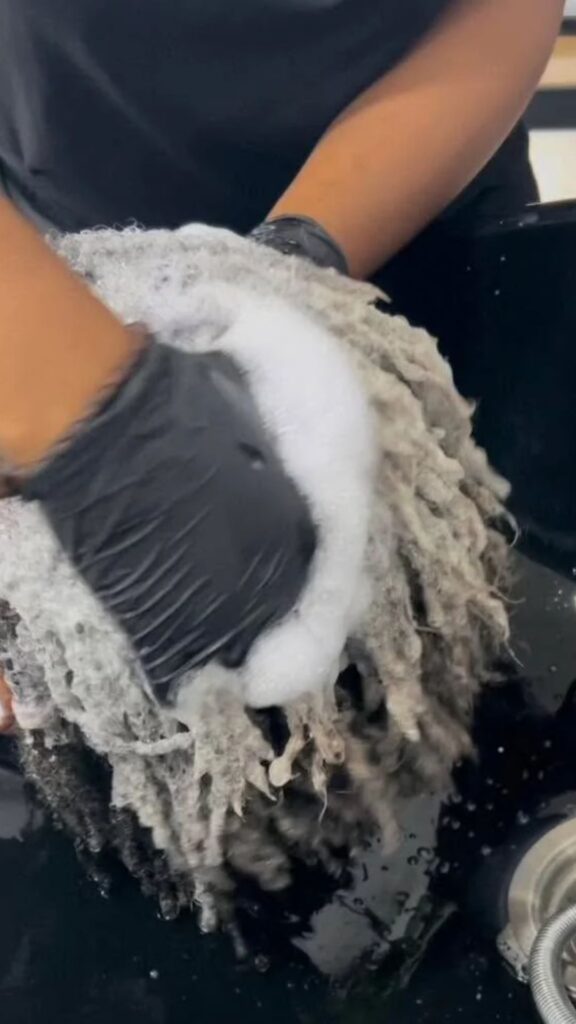
Once you understand why locs smell, the next step is correcting the habits responsible for the problem.
The best approach is to clean your hair properly, remove unnecessary buildup, improve drying, and maintain a consistent routine.
Here are practical ways to restore freshness.
Wash Your Locs With a Suitable Shampoo
Washing is one of the most important steps in keeping your locs fresh.
Choose a shampoo that cleans your scalp and hair without leaving excessive residue. A residue-free or low-residue shampoo formulated for locs can be a useful option.
Focus on your scalp first, gently massaging with your fingertips rather than scratching with your nails.
Work the shampoo through your locs carefully, paying attention to areas where sweat and product residue accumulate.
Rinse thoroughly because leftover shampoo can also contribute to buildup.
If you have starter locs, use a washing technique appropriate for their stage and follow your loctician’s guidance to minimise unnecessary unraveling.
When addressing why locs smell, remember that washing is about removing dirt and residue, not simply making your hair smell like shampoo.
Dry Your Locs Completely
Proper drying is essential if you want to prevent unpleasant odours from returning.
After washing, gently squeeze excess water from your locs using a clean microfiber towel.
Avoid vigorous rubbing because it can create unnecessary frizz and disturb your loc structure.
Allow your hair to air-dry in a well-ventilated environment when possible. You can also use a hooded dryer or a hair dryer with a diffuser attachment on a suitable setting.
Move your locs occasionally to improve airflow around areas that remain damp.
Check the thicker sections before covering your hair or going to bed.
One of the most effective answers to why locs smell is simply ensuring that moisture does not remain trapped after washing.
Remove Product Buildup Carefully
If your locs have accumulated residue, ordinary washing may not remove everything immediately.
Consider using a clarifying shampoo occasionally, provided it is suitable for your hair and scalp.
Clarifying shampoos help remove accumulated styling products, excess oils, and other residues.
However, avoid excessive clarifying because it can leave your hair and scalp feeling dry.
You should also examine the products you currently use.
If you regularly apply thick creams, waxes, heavy butters, or excessive gels, consider replacing them with lighter alternatives.
Removing unnecessary products is an important part of understanding and correcting why locs smell.
Wash Your Scalp Regularly
A clean scalp provides a healthier environment for your locs.
Develop a washing schedule based on your lifestyle, scalp condition, exercise habits, and environment.
Some people may need to wash weekly, while others may require a different schedule.
There is no single washing frequency that works for everyone.
If you exercise frequently or sweat heavily, you may need to cleanse your scalp more often.
The goal is to avoid both excessive washing and unnecessary neglect.
If you are still wondering why locs smell after several weeks without washing, consider whether your current schedule is suitable for your needs.
Stop Covering Wet Locs
Always allow your locs to dry before putting on a tight bonnet, scarf, hat, or other covering.
Although protective coverings help reduce friction and keep your hairstyle neat, wearing them over damp locs can restrict airflow.
Choose breathable coverings and ensure that your hair is completely dry before using them.
This simple adjustment can help prevent the musty smell associated with trapped moisture.
Clean Your Hair Accessories
Your hair care routine should include cleaning everything that comes into regular contact with your locs.
Wash your bonnets, scarves, pillowcases, towels, and reusable headbands regularly.
If you use a hairbrush, clips, or styling tools, clean them according to their material and manufacturer’s instructions.
Replace accessories that have developed persistent unpleasant odours.
Keeping your accessories clean prevents freshly washed hair from picking up old smells.
Avoid Using Perfume to Hide the Smell
Spraying perfume or heavily scented products directly onto your locs might seem like a quick solution.
However, fragrance does not remove dirt, trapped moisture, or product buildup.
Some scented products may also contain ingredients that irritate sensitive scalps.
Instead of covering the odour, identify its source and address it.
If you are researching why locs smell, remember that freshness should come from proper hygiene rather than excessive fragrance.
Keep Your Scalp Comfortable and Healthy
Healthy locs begin with a healthy scalp.
Pay attention to itching, dryness, unusual flakes, tenderness, and irritation.
Avoid scratching aggressively or applying multiple products in an attempt to solve every scalp concern.
If your scalp feels dry, choose a lightweight, suitable moisturising product and use it sparingly.
If you experience persistent symptoms, consult a dermatologist rather than experimenting with strong home treatments.
Give Your Locs Enough Time to Breathe
Constantly keeping your locs tightly covered can reduce airflow and contribute to moisture retention.
Although scarves and bonnets are useful, give your hair opportunities to remain uncovered in a clean environment.
After exercising or spending time outdoors, allow sweat to evaporate and cleanse your scalp when necessary.
This is particularly helpful for people who frequently wear protective coverings.
Maintain a Consistent Loc Care Routine
Consistency is more effective than occasionally trying several products.
Create a routine that includes washing, thorough drying, occasional buildup removal, clean accessories, and appropriate scalp care.
If you are trying to discover why locs smell repeatedly, examine your habits instead of changing your entire hair care collection every week.
Small improvements maintained over time can produce better results.
Common Mistakes That Make Locs Smell Worse
Sometimes, the problem is not what you are doing but what you are doing incorrectly.
Here are mistakes to avoid when trying to understand why locs smell.
Washing Without Rinsing Properly
Leaving shampoo or conditioner inside your locs can contribute to residue and unpleasant smells.
Always rinse thoroughly, especially around thicker sections.
Using Heavy Products Frequently
Excessive oils, creams, gels, and waxes can accumulate inside locs.
Use fewer products and choose lightweight formulations whenever possible.
Going to Bed With Damp Hair
This habit can encourage moisture retention and create a musty smell.
Wash earlier and dry your hair completely before sleeping.
Ignoring Your Scalp
Your locs may look neat while your scalp needs attention.
Cleanse regularly and address persistent itching, flaking, or irritation.
Depending on Fragrances
Hair perfumes and scented sprays may temporarily disguise an unpleasant smell without solving its cause.
Prioritise cleanliness and proper drying.
Overusing Home Remedies
Some people recommend applying vinegar, baking soda, lemon juice, or other household ingredients to eliminate loc odours.
However, these treatments are not necessary for everyone and may irritate your scalp or disrupt its natural balance.
Avoid experimenting with harsh mixtures, particularly when you have sensitive skin or existing scalp irritation.
A suitable shampoo and consistent hygiene routine are generally safer starting points.
How to Prevent Loc Smell From Coming Back
Getting rid of an unpleasant smell is important, but preventing it from returning is even better.
Once you understand why locs smell, you can make a few changes that protect your hair from recurring odours.
Establish a Weekly Hair Care Schedule
Having a schedule makes it easier to maintain clean locs.
Choose a washing day that gives your hair enough time to dry. Depending on your scalp and lifestyle, this may be once a week or at another suitable interval.
Your routine should include checking your scalp, washing when necessary, rinsing thoroughly, and drying completely.
Avoid waiting until your locs develop an unpleasant smell before deciding to wash them.
Pay Attention to Your Workout Routine
Exercise is good for your overall health, but sweating can affect how fresh your locs feel.
If you work out regularly, allow your scalp to breathe after exercising.
Avoid immediately covering sweaty locs with a thick scarf or bonnet. When necessary, cleanse your scalp and hair using an appropriate washing routine.
If you have ever wondered why locs smell more after exercising, accumulated sweat and limited airflow may explain the problem.
Use Products That Are Suitable for Locs
Not every natural hair product is appropriate for locs.
Some products are designed for loose curls and coils and may leave excessive residue when used on compacted hair.
Choose lightweight shampoos and suitable moisturising products.
Avoid applying unnecessary layers of oils, creams, and conditioners.
When researching why locs smell, remember that product selection matters just as much as washing frequency.
Change Your Pillowcases Regularly
Your pillowcase comes into contact with your hair every night.
It can collect sweat, oil, dead skin cells, and residue from hair products.
Changing your pillowcase regularly helps prevent these substances from transferring back onto clean locs.
Satin and silk pillowcases are popular options because they reduce friction, but they still require regular washing.
Monitor Your Locs After Every Wash
Do not assume your hair is completely dry simply because the outer sections feel dry.
Pay attention to the roots, middle sections, and thicker locs.
If you notice dampness, continue drying before covering your hair.
This habit is especially important if you have previously experienced the musty smell associated with trapped moisture.
How to Tell Whether Your Locs Have Product Buildup or Trapped Moisture
Understanding the difference between product buildup and trapped moisture can help you choose the right solution.
Although both may explain why locs smell, they do not always require the same approach.
Signs of product buildup include:
-
White or grey residue appearing inside your locs.
-
A sticky or waxy feeling.
-
Locs that feel unusually heavy.
-
Greasy roots despite regular washing.
-
Visible product particles when separating sections.
Signs of trapped moisture include:
-
A musty or damp smell.
-
Locs that remain wet long after washing.
-
Dampness inside thicker locs.
-
An unpleasant smell that becomes stronger after covering your hair.
-
Hair that feels dry outside but damp inside.
Sometimes, both problems occur together. Product residue can hold moisture and make proper cleaning more difficult.
If you are still asking why locs smell after washing, investigate both possibilities before deciding what your hair needs.
Does the Stage of Your Locs Affect How They Smell?
The stage of your loc journey can influence how you care for your hair, but no stage should naturally produce a persistent unpleasant smell.
Starter Locs
Starter locs are delicate and may unravel if handled roughly during washing.
However, avoiding washing altogether is not a good solution.
Use gentle cleansing techniques, follow your loctician’s advice, and allow your hair to dry properly.
If you are wondering why locs smell during the starter stage, check whether sweat, product residue, or moisture is accumulating.
Teenage Locs
Teenage locs are still developing their structure. Their texture may be inconsistent, and some sections may hold moisture differently from others.
Be patient with your hair and avoid excessive styling products.
Pay attention to drying because compacting sections can make moisture removal more challenging.
Mature Locs
Mature locs are generally more established, but they still require proper cleaning and maintenance.
Longer and thicker locs may take longer to dry.
If you have mature locs and regularly wonder why locs smell, consider whether your washing and drying routine has changed as your hair has grown.
The older your locs become, the more important it is to adjust your care routine to their length and thickness.
Why Do Locs Smell After Washing?
This is one of the most frustrating experiences for anyone maintaining locs.
You wash your hair, rinse everything out, and expect it to smell fresh. Instead, you notice a sour or musty odour after a few hours.
There are several possible explanations.
First, your locs may not have dried completely. Water trapped inside compacted hair can produce a musty smell.
Second, your shampoo may not be removing accumulated residue effectively.
Third, you may be using too much product immediately after washing.
Finally, an underlying scalp condition could be contributing to the smell.
When investigating why locs smell after washing, avoid repeatedly washing your hair without identifying the cause.
Instead, check your drying process, examine your products, and consider professional advice if the smell persists.
When Should You Seek Professional Help?
An unpleasant smell that continues despite proper washing and drying deserves attention.
If your locs have a persistent odour accompanied by redness, swelling, pain, sores, unusual discharge, severe itching, or excessive flaking, consult a dermatologist.
You may have an underlying scalp condition that requires appropriate treatment.
Avoid attempting to solve persistent scalp problems by applying stronger shampoos, essential oils, vinegar, or other harsh treatments without professional guidance.
A loctician can also help identify visible product buildup and recommend appropriate cleansing techniques.
However, a dermatologist is the right professional for diagnosing and treating scalp infections and skin conditions.
Understanding why locs smell includes recognising when ordinary hair care is no longer enough.
EXPLORE THESE HELPFUL ARTICLES
How Long Do Starter Locs Take to Mature? A Complete Guide to What to Expect
How to Protect Your Locs on Vacation Without Spending Hours on Maintenance
Faux Locs: How to Prevent Itching, Buildup, and Premature Frizz
How to Make Your Locs Thicker: Proven Tips
A Simple Routine for Keeping Your Locs Smelling Fresh
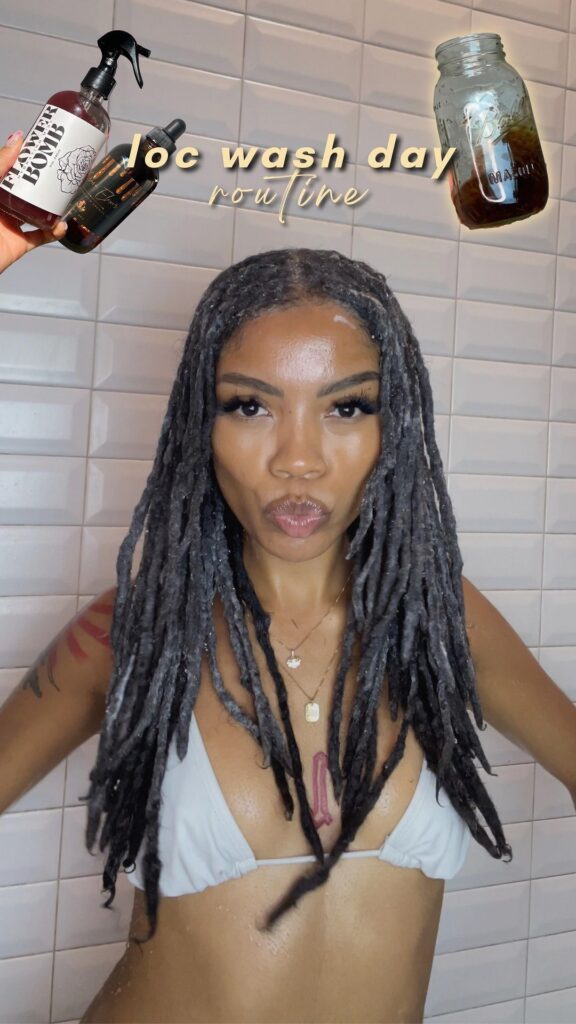
If you want an easy routine to follow, start with these steps.
On washing day:
-
Separate your locs gently.
-
Wet your hair thoroughly.
-
Apply a suitable shampoo.
-
Massage your scalp gently.
-
Cleanse your locs without excessive rubbing.
-
Rinse until the water runs clear.
-
Gently squeeze out excess water.
-
Dry your hair completely.
-
Apply suitable lightweight products only when needed.
During the week:
-
Check your scalp for sweat and buildup.
-
Avoid unnecessary product application.
-
Keep your locs uncovered when practical.
-
Wash your hair accessories regularly.
-
Change your pillowcase.
-
Address unusual smells instead of covering them.
Following this routine can help reduce the conditions responsible for why locs smell.
The most important part is consistency. You do not need to spend hours maintaining your locs every day. You simply need to understand what they require and avoid habits that encourage buildup and moisture retention.
Frequently Asked Questions About Why Locs Smell
Why do my locs smell even after washing?
Your locs may smell after washing because moisture remains trapped inside them. Product buildup, incomplete rinsing, or an underlying scalp condition may also contribute. Make sure your hair dries completely and use suitable cleansing products.
How often should I wash my locs to prevent bad smells?
Your washing frequency depends on your scalp, lifestyle, hair condition, and environment. Some people benefit from weekly washing, while others need a different schedule. The important thing is to maintain a clean scalp without neglecting proper drying.
Can I use apple cider vinegar to remove the smell from my locs?
Apple cider vinegar is sometimes recommended for removing residue, but it is not necessary for everyone. It can irritate sensitive skin, especially when used undiluted. A suitable clarifying shampoo is generally a more practical starting point. Consult a professional if the smell persists.
Is it normal for mature locs to smell?
No. Mature locs should not have a persistent unpleasant smell. Their thickness may make cleaning and drying more challenging, but proper maintenance should keep them fresh. If an unusual smell continues, investigate possible buildup, trapped moisture, or scalp conditions.
Conclusion
Maintaining beautiful locs involves more than retwisting, styling, and moisturising. Proper cleansing, complete drying, and healthy scalp care are equally important.
Understanding why locs smell allows you to identify the habits that may be contributing to unpleasant odours and make meaningful improvements.
Whether the problem comes from trapped moisture, product buildup, sweat, dirty accessories, or an underlying scalp condition, there are practical ways to address it.
Start by reviewing your washing routine, choosing suitable products, and ensuring your locs dry completely after every wash.
Avoid covering unpleasant smells with perfumes or excessive oils. Instead, focus on correcting the underlying cause.
Remember that your locs do not have to smell like expensive hair products to be healthy. Clean, properly maintained locs should feel comfortable and smell fresh.
With consistency, patience, and the right maintenance habits, you can enjoy your loc journey without worrying about unpleasant odours.