Having beautiful, healthy locs involves more than maintaining the hair itself. Your scalp plays an important role in how comfortable your loc journey feels and how well your hair grows. Unfortunately, dryness, itching, flaking, and irritation are common concerns for people with locs. These problems can become frustrating, especially when they continue despite regular washing and moisturizing.
Learning how to keep your scalp healthy and moisturized with locs can make a significant difference in your hair care routine. A healthy scalp provides a comfortable environment for your hair follicles while helping you avoid unnecessary irritation. It also makes maintaining your locs easier because you are less likely to struggle with persistent itching, tightness, and visible flakes.
One common mistake people make is concentrating entirely on moisturizing their locs while forgetting about the scalp underneath. Although locs need proper care, your scalp deserves just as much attention. Applying heavy products without understanding what your scalp needs can cause buildup, block moisture from reaching the skin comfortably, and make itching worse.
The good news is that you do not need an expensive collection of products to maintain a healthy scalp. With gentle cleansing, appropriate moisturizing, protective habits, and consistency, you can create a routine that supports both your scalp and your locs.
This guide explains how to keep your scalp healthy and moisturized with locs, what causes dryness and itching, which products to consider, and the everyday habits that can help you maintain a comfortable, healthy scalp.
Understanding Why Your Scalp Becomes Dry with Locs Makes How to Keep Your Scalp Healthy and Moisturized Easier
Before deciding how to treat scalp dryness, it is important to understand what causes it. Dryness does not always happen because you are neglecting your hair. Sometimes, your scalp reacts to environmental conditions, product ingredients, washing habits, or changes in your regular hair care routine.
The skin on your scalp naturally produces oil called sebum. This oil helps protect the skin and prevent excessive moisture loss. However, some people naturally produce less sebum, making their scalps more vulnerable to dryness.
Weather can also influence scalp moisture. Hot temperatures, excessive sunlight, cold weather, and dry indoor air can leave your scalp feeling uncomfortable. If you frequently spend time outdoors, environmental exposure may contribute to itching and dryness.
Another possible cause is washing with harsh shampoos. Some cleansing products contain strong detergents that remove too much of the scalp’s natural oil. Although cleansing is essential for loc maintenance, using unsuitable products can leave your scalp feeling tight and irritated.
Understanding how to keep your scalp healthy and moisturized with locs begins with identifying the particular problem affecting your scalp rather than immediately applying more products.
Wash Your Scalp Regularly and Gently
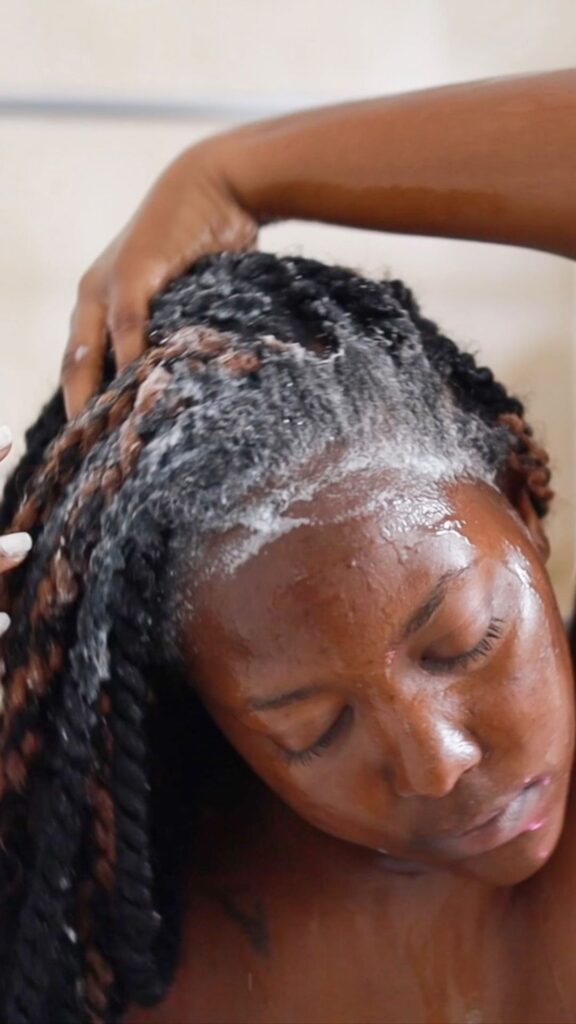
Washing your scalp is one of the most important parts of maintaining healthy locs. Your scalp collects sweat, dead skin cells, natural oils, dust, and product residue. When these substances accumulate, they can contribute to unpleasant smells, itching, irritation, and buildup.
Some people avoid washing their locs because they worry about unraveling, frizz, or disturbing the locking process. However, avoiding cleansing for extended periods can create more problems than it prevents.
Choose a shampoo that cleans effectively without leaving your scalp excessively dry. A gentle, residue-free shampoo formulated for locs can be a useful option. If you have sensitive skin, consider fragrance-free products with mild cleansing ingredients.
Concentrate shampoo on your scalp rather than rubbing your locs aggressively. Use your fingertips to massage the product gently across the scalp. Avoid scratching with your fingernails because this can create tiny injuries and worsen irritation.
Rinse thoroughly. Shampoo residue trapped between locs can contribute to itching and discomfort.
Your washing schedule should depend on your scalp, lifestyle, activity level, and hair condition. Someone who exercises frequently or sweats heavily may need to wash more often than someone with a less active routine.
Learning how to keep your scalp healthy and moisturized with locs requires finding a washing schedule that removes dirt without unnecessarily stripping your scalp.
Read our guides on
How to Fix Thinning Locs and Prevent Them From Getting Worse
Faux Locs: How to Prevent Itching, Buildup, and Premature Frizz
Choose the Right Moisturizing Products
Not every moisturizing product is suitable for locs. Some products contain heavy ingredients that remain trapped inside the hair, making it difficult to remove residue during washing.
Your scalp generally benefits from lightweight products that provide hydration without leaving a thick coating. Water-based moisturizers, suitable scalp sprays, and lightweight lotions may help when used appropriately.
Before purchasing a product, examine its ingredients. Look for formulations designed to hydrate and soothe the scalp without excessive oils, waxes, or heavy silicones.
A product that works beautifully for another person may not work for you. Scalp sensitivity, hair density, climate, and individual skin conditions all influence how products perform.
When learning how to keep your scalp healthy and moisturized with locs, remember that applying more moisturizer does not automatically produce better results. A small amount of a suitable product may be more beneficial than repeatedly coating your scalp with different formulations.
Test new products carefully, especially if you have sensitive skin. Stop using anything that causes burning, redness, or increased itching.
Use Water to Hydrate Your Scalp
Water is one of the simplest ways to support scalp hydration. Although people often focus on oils when discussing moisture, oil and water perform different functions. Water provides hydration, while oils can help reduce moisture loss depending on the formulation and how they are used.
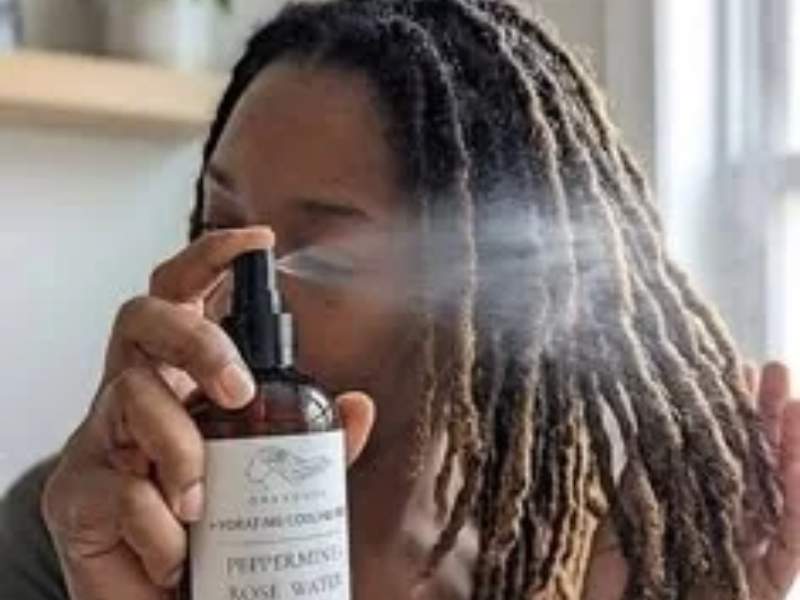
If your scalp feels dry, consider incorporating a lightweight water-based scalp spray into your routine. Apply a small amount directly to the scalp, making sure you reach the skin between your locs.
Avoid soaking your locs unnecessarily. Excessive moisture that does not dry properly can encourage unpleasant smells and other problems.
A useful approach is to moisturize your scalp when it feels dry rather than following a rigid schedule that encourages unnecessary product application.
Understanding how to keep your scalp healthy and moisturized with locs means recognizing that hydration should be balanced. Your scalp needs enough moisture to remain comfortable, but it also needs proper cleansing and adequate drying.
Avoid Applying Too Much Oil to Your Scalp
Oils are popular in loc care because they can help soften the hair and reduce moisture loss. However, applying large amounts of oil directly to your scalp is not always beneficial.
Heavy oil application can leave residue, attract dirt, and make cleansing more difficult. Some people also experience irritation when using particular oils or fragranced mixtures.
If you enjoy using oils, choose lightweight options and apply them sparingly. A few drops may be sufficient for your needs. Consider products containing jojoba oil or other ingredients that suit your skin.
Remember that oils do not replace water-based hydration. Applying oil to an already dehydrated scalp may not resolve the underlying dryness.
When exploring how to keep your scalp healthy and moisturized with locs, think about the difference between hydration and sealing. Both may have a place in your routine, but neither requires excessive application.
Do Not Scratch Your Scalp When It Itches
An itchy scalp can be extremely uncomfortable. When the irritation becomes noticeable, scratching may seem like the quickest solution. Unfortunately, repeated scratching can damage the skin and make the problem worse.
Your fingernails can create small cuts, introduce bacteria, and increase inflammation. Scratching may also cause additional flaking, especially when your scalp is already irritated.
Instead of scratching, gently massage the affected area with clean fingertips. If dryness is responsible, a suitable lightweight moisturizer may help.
However, itching is not always caused by dryness. Dandruff, seborrheic dermatitis, psoriasis, allergic reactions, and infections can also produce itching.
If your scalp continues to itch despite appropriate cleansing and moisturizing, consider consulting a dermatologist.
A major part of learning how to keep your scalp healthy and moisturized with locs is understanding when home care is appropriate and when professional treatment is necessary.
Keep Your Locs and Scalp Clean After Sweating
Exercise is beneficial for your general health, but sweat can sometimes contribute to scalp discomfort. When sweat mixes with dirt, dead skin cells, and styling products, your scalp may become irritated.
You do not necessarily need to shampoo your hair after every workout. However, allowing excessive sweat and moisture to remain trapped for extended periods may make your scalp uncomfortable.
After exercising, allow your scalp to dry properly. You can gently blot excess moisture with a clean towel and avoid covering damp locs with a tight scarf or hat.
If you sweat heavily, adjust your washing schedule accordingly. A gentle rinse or appropriate cleansing routine may help remove accumulated sweat.
Maintaining cleanliness is an important part of how to keep your scalp healthy and moisturized with locs because a clean scalp is less likely to experience problems associated with accumulated residue.
Sleep with a Satin or Silk Bonnet

Your nighttime routine can influence the condition of your locs and scalp. Cotton pillowcases may absorb some of the moisture from your hair and create friction as you move during sleep.
A satin or silk bonnet can help reduce friction and protect your locs from unnecessary rubbing. It may also help your hair retain moisture more effectively.
Choose a bonnet that fits comfortably. It should not feel excessively tight around your hairline or place pressure on your scalp.
Wash your bonnet regularly because fabric can collect sweat, oil, dust, and product residue. Sleeping with an unclean covering can undermine your scalp care routine.
If you prefer not to wear a bonnet, consider using a satin or silk pillowcase instead.
These simple habits support how to keep your scalp healthy and moisturized with locs without requiring additional expensive hair products.
Avoid Tight Hairstyles That Pull on Your Scalp
Beautiful loc hairstyles can improve your appearance and make everyday styling easier. However, some styles place excessive tension on the scalp.
Very tight ponytails, high buns, elaborate updos, and tightly secured loc extensions can pull on your hair roots. Repeated tension may cause tenderness, irritation, hairline thinning, and traction alopecia.
Choose hairstyles that allow your scalp to remain comfortable. If you notice pain, headaches, bumps, or tenderness after styling, loosen the hairstyle immediately.
Your locs should not need to be painfully tight to look neat. A comfortable style is generally a better choice for long-term hair maintenance.
People sometimes confuse a tight hairstyle with a properly maintained hairstyle. However, neatness should never come at the expense of scalp health.
Learning how to keep your scalp healthy and moisturized with locs also means choosing styling methods that protect your roots and avoid unnecessary tension.
Be Careful with Retwisting and Maintenance
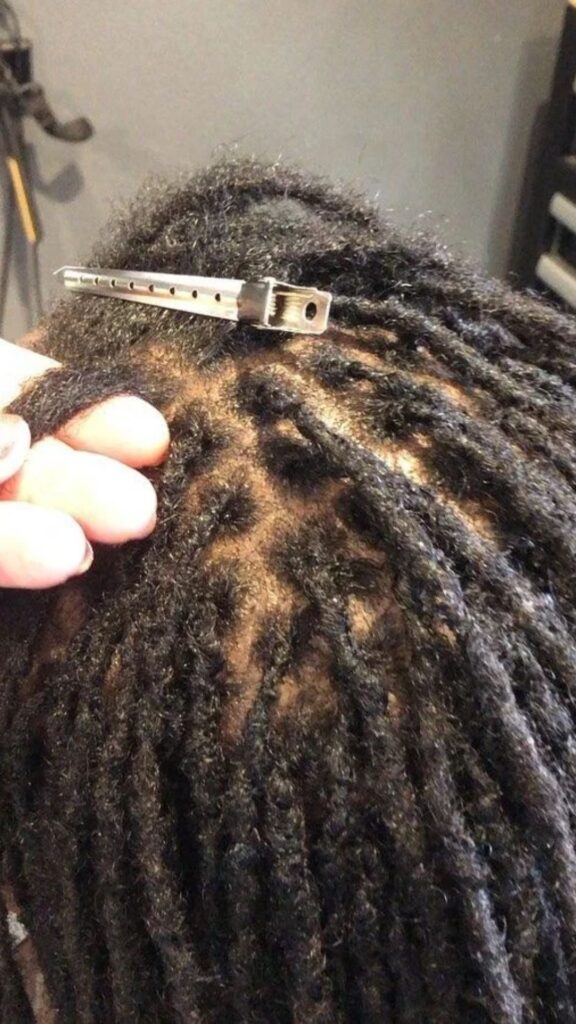
Retwisting helps maintain the appearance of traditional locs, but excessive manipulation can affect your scalp.
Retwisting too frequently may create tension around the roots. It can also make your scalp feel sore, especially when your stylist pulls the locs tightly.
Give your hair sufficient time between maintenance sessions. Your ideal schedule depends on your loc maturity, hair texture, preferred appearance, and the condition of your roots.
Avoid repeatedly twisting the same areas simply because you want perfectly neat roots. Healthy locs do not need constant manipulation.
If you experience tenderness after retwisting, discuss gentler techniques with your loctician. You can also explore styles that require less frequent maintenance.
When practicing how to keep your scalp healthy and moisturized with locs, remember that healthy roots are more important than maintaining a freshly retwisted appearance every week.
How to Keep Your Scalp Healthy and Moisturized is to Avoid Product Buildup
Product buildup is one of the most common challenges associated with loc maintenance. Because locs are tightly formed, some products can become trapped inside them.
Buildup may develop from excessive oils, creams, gels, waxes, conditioners, and styling products. Over time, residue can contribute to unpleasant smells, dullness, and difficulty keeping the hair clean.
Your scalp can also become uncomfortable when products accumulate around the roots.
Use products sparingly and select formulations that rinse out easily. Avoid applying thick creams directly to your scalp unless recommended for a specific skin condition.
Clarifying shampoos may help remove stubborn residue when used appropriately. However, frequent aggressive clarifying can leave your scalp dry.
The best approach is prevention. Use fewer products, wash thoroughly, and avoid layering multiple formulations without understanding their purpose.
This is another important lesson in how to keep your scalp healthy and moisturized with locs: a simple routine often works better than constantly introducing new products.
Pay Attention to the Ingredients in Your Hair Products
Reading product labels can help you avoid ingredients that irritate your scalp.
Fragrances, essential oils, preservatives, and certain cleansing ingredients may trigger reactions in some individuals. Natural ingredients are not automatically harmless, and even plant-based products can cause allergic reactions.
If you frequently experience itching after applying a particular product, stop using it and observe whether the irritation improves.
Look for products that suit your scalp condition. People with sensitive skin may prefer fragrance-free formulations with fewer unnecessary ingredients.
You should also be cautious with homemade mixtures. Combining several essential oils or applying undiluted ingredients directly to the scalp can cause irritation.
A patch test before introducing a new product can help identify possible reactions, although it cannot guarantee that a product will never irritate you.
Understanding how to keep your scalp healthy and moisturized with locs includes making informed choices instead of purchasing products simply because they are popular.
Maintain a Healthy Diet
Your scalp is part of your skin, and your hair follicles depend on adequate nutrition to function properly.
A balanced diet provides nutrients that support normal skin and hair health. Include protein sources, fruits, vegetables, whole grains, and healthy fats in your everyday meals.
Foods containing iron, zinc, vitamin D, vitamin B12, and other essential nutrients contribute to normal body functions. Deficiencies can sometimes contribute to hair-related problems, although supplements should not be taken unnecessarily.
Protein is particularly important because hair is primarily made of a protein called keratin. Include suitable sources such as eggs, beans, fish, meat, nuts, and other protein-rich foods.
Remember that eating well will not immediately cure an itchy scalp or replace appropriate treatment for a skin condition.
Nevertheless, good nutrition supports the broader goal of how to keep your scalp healthy and moisturized with locs.
Give Your Scalp Time to Dry Properly
Moisture is important, but leaving locs and the scalp damp for extended periods is not ideal.
Thick or mature locs can take considerable time to dry. If the roots remain damp, trapped moisture may contribute to unpleasant smells and an environment that encourages microbial growth.
After washing, gently squeeze excess water from your locs using a clean microfiber towel.
Allow your hair to dry completely before sleeping or covering it with a bonnet. If necessary, use a hair dryer on a suitable low or medium setting, maintaining a comfortable distance from your scalp.
Pay particular attention to the roots and thicker sections of your locs.
Avoid applying heavy oils to damp roots as a substitute for proper drying.
A balanced routine combines appropriate hydration with adequate drying. Both are important when learning how to keep your scalp healthy and moisturized with locs.
Manage Dandruff and Persistent Flaking
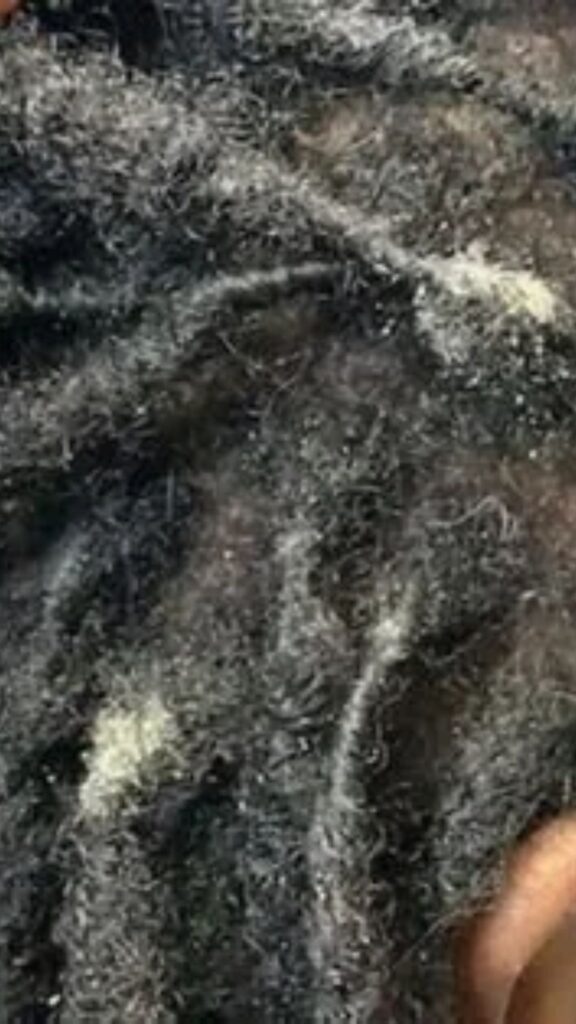
Not every white flake on your scalp indicates simple dryness. Dandruff is a common condition that can cause visible flakes and itching.
Dry scalp flakes are often small and associated with tightness or roughness. Dandruff may produce more noticeable flakes and sometimes occurs alongside an oily or irritated scalp.
Seborrheic dermatitis is another condition that can cause persistent scaling, redness, and itching.
If you suspect dandruff, an appropriate medicated shampoo may help. Ingredients such as ketoconazole, selenium sulfide, or zinc pyrithione, where available and appropriate, are commonly used in dandruff treatments.
Follow product directions carefully and seek professional advice if symptoms persist.
Do not assume that adding more oil will resolve every type of flaking. Some scalp conditions require targeted treatment rather than additional moisturizing products.
Understanding the difference between dryness and dandruff is essential to how to keep your scalp healthy and moisturized with locs.
How to Keep Your Scalp Healthy and Moisturized is by Creating a Simple Weekly Scalp Care Routine
A consistent routine makes it easier to maintain healthy locs without overwhelming your scalp with unnecessary products.
You do not need to perform every hair care activity daily. Instead, create a schedule that addresses your scalp’s needs while allowing enough time between treatments.
For example, your weekly routine could include gentle cleansing when needed, checking for dryness, applying a lightweight moisturizer, and inspecting your roots for buildup.
Pay attention to how your scalp responds. If a particular product leaves your skin greasy or irritated, reconsider using it.
Your routine should also change when necessary. Hot weather, increased exercise, seasonal changes, and different hairstyles can influence your scalp’s needs.
The goal of how to keep your scalp healthy and moisturized with locs is not to follow a complicated schedule. It is to develop habits that keep your scalp clean, comfortable, and properly cared for.
Being Patient with Your Loc Journey is How to Keep Your Scalp Healthy and Moisturized
Your scalp and locs may change as your hair matures. Starter locs, budding locs, and mature locs can have different maintenance requirements.
During the starter stage, you may need to be particularly careful about washing techniques and excessive manipulation. As your locs mature, you may discover that your scalp responds differently to particular products and routines.
Do not compare your hair care needs with someone else’s experience. Your scalp has individual characteristics that deserve attention.
Give new products enough time to demonstrate whether they suit your routine, but discontinue anything that causes irritation.
Patience is an important part of how to keep your scalp healthy and moisturized with locs because healthy maintenance involves understanding your own hair rather than copying every popular routine.
Common Mistakes That Can Make Scalp Dryness Worse
Even people who maintain their locs regularly can develop habits that contribute to scalp problems.
Some common mistakes include:
Overwashing: Washing too frequently with harsh products may strip natural oils and worsen dryness.
Underwashing: Avoiding shampoo for extended periods can allow sweat, dirt, and product residue to accumulate.
Excessive oiling: Applying too much oil may cause buildup without adequately hydrating the scalp.
Ignoring itching: Persistent itching may indicate a condition that needs appropriate treatment.
Using unsuitable products: Strong fragrances and irritating ingredients may trigger reactions.
Retwisting too frequently: Excessive manipulation can cause tension and discomfort around the roots.
Sleeping with damp locs: Inadequate drying may contribute to unpleasant smells and scalp problems.
Avoiding these mistakes makes how to keep your scalp healthy and moisturized with locs easier to understand and practice.
How to Tell Whether Your Scalp Care Routine Is Working
A successful routine should make your scalp feel comfortable rather than constantly requiring attention.
You may notice less dryness, reduced itching, fewer visible flakes, and improved comfort between washing sessions.
Your scalp should not regularly feel painfully tight, inflamed, or tender. You should also be able to maintain your locs without constantly applying additional products.
However, remember that healthy scalp care does not mean your scalp will never itch or produce flakes. Occasional changes can happen because of weather, washing, and other environmental factors.
Pay attention to patterns rather than judging your routine after one application.
If symptoms continue or become worse, consult a dermatologist instead of repeatedly changing products.
Adjust Your Scalp Care Routine During Different Seasons
Your scalp may not need exactly the same care throughout the year.
During hot weather, increased sweating may make regular cleansing more important. You may also need to protect exposed areas of your scalp from sunlight.
During colder or drier periods, your scalp may feel tighter and require more attention to hydration. Indoor air conditioning can also contribute to dryness.
Instead of applying the same products in the same quantities throughout the year, observe your scalp and adjust your routine.
People living in warm, humid environments may also need to pay particular attention to sweat, adequate drying, and product buildup.
Understanding how to keep your scalp healthy and moisturized with locs means adapting your habits to your surroundings rather than following a routine that ignores changing conditions.
Maintaining a Healthy Relationship with Your Loctician Ensures You keep Your Scalp Healthy and Moisturized
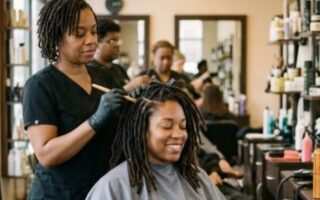
A knowledgeable loctician can help you maintain your locs while identifying maintenance habits that may be causing unnecessary tension.
During appointments, discuss any itching, dryness, tenderness, or buildup you have noticed.
Ask questions about suitable washing schedules, retwisting techniques, and products that are compatible with your loc type.
Your loctician can also help you recognize when a particular hairstyle is too tight or when your roots need a break from manipulation.
However, remember that a loctician is not a substitute for a dermatologist. Persistent skin conditions, infections, and unexplained hair loss require appropriate medical evaluation.
Good communication supports how to keep your scalp healthy and moisturized with locs because your maintenance routine should consider both the appearance of your hair and the condition of your scalp.
Give Your Scalp the Same Attention as Your Locs
It is easy to become excited about the appearance of your locs, especially when they are growing, becoming fuller, and developing beautiful shapes.
However, healthy-looking locs should not be your only priority. The scalp underneath deserves regular attention.
Make it a habit to inspect your roots when washing and styling. Look for unusual flakes, redness, irritation, excessive dryness, or signs of product accumulation.
Do not wait until your scalp becomes uncomfortable before paying attention to it.
A balanced routine should combine cleanliness, appropriate hydration, gentle handling, and protection from environmental stress.
Once you understand how to keep your scalp healthy and moisturized with locs, maintaining your hair becomes less about constantly fixing problems and more about preventing unnecessary discomfort.
Frequently Asked Questions
How often should I moisturize my scalp with locs?
There is no universal schedule because everyone’s scalp is different. Some people benefit from moisturizing several times a week, while others need it less frequently. Pay attention to dryness and avoid applying excessive products that may cause buildup.
Why does my scalp itch even after washing my locs?
Itching may result from dryness, shampoo residue, product irritation, dandruff, or an underlying scalp condition. Rinse thoroughly after washing and avoid scratching. If the itching continues, consult a dermatologist for proper assessment.
What is the best oil for a dry scalp with locs?
Lightweight oils such as jojoba oil may suit some people, but no single oil works for everyone. Remember that oil does not replace water-based hydration. Choose products carefully and discontinue anything that causes irritation.
Can I use a moisturizer on my scalp every day?
Daily moisturizing is not necessary for everyone. Your scalp may become uncomfortable if you apply too much product, especially when the formulation leaves residue. Use a suitable lightweight moisturizer when needed and maintain regular cleansing.
Conclusion
Maintaining beautiful locs begins with taking care of the scalp underneath them. Dryness, itching, irritation, and product buildup can make your loc journey uncomfortable, but the right habits can help you manage these concerns.
Understanding how to keep your scalp healthy and moisturized with locs starts with recognizing your scalp’s needs. Wash gently, choose appropriate moisturizing products, avoid excessive oil application, protect your roots, and allow your locs to dry completely.
Remember that more products do not always mean better results. A simple, consistent routine is often more effective than constantly experimenting with different treatments.
Pay attention to changes in your scalp and seek professional advice when itching, flaking, or irritation becomes persistent. Some scalp conditions require medical treatment rather than ordinary moisturizing.
Most importantly, do not neglect your scalp while concentrating on the appearance of your locs. Healthy maintenance should support both your hair and the skin beneath it.
With patience, consistency, and suitable products, you can enjoy a more comfortable loc journey while keeping your scalp clean, hydrated, and healthy.