What Do Mature Locs Look Like? 11 Signs Your Locs Are Fully Mature
Are you wondering what mature locs look like and how to know when your locs are fully mature? If you are growing locs, you may have noticed that your hair changes in appearance, texture, thickness, and structure as time passes. Your starter locs may have looked neat and defined at first, but as your hair develops, you may begin to notice frizz, budding, shrinkage, and changes in the shape of your locs.
These changes are a normal part of the loc journey. Locs do not become fully mature overnight. They develop gradually as the hair strands tangle, intertwine, and form a more established structure. Depending on your hair texture, loc size, installation method, and maintenance routine, this process may take months or several years.
One important thing to understand is that mature locs do not have to look perfectly smooth, identical, or completely free of frizz. Different people have different loc textures, and even the locs on the same head may develop at different rates.
In this guide, you will learn what mature locs look like, the stages of loc development, the 11 signs your locs are fully mature, how long maturity takes, and how to care for your locs as they develop.
Whether you have traditional locs, sisterlocks, microlocs, or another loc style, understanding these signs can help you appreciate your progress and make informed decisions about your hair care routine.
What Are Mature Locs?
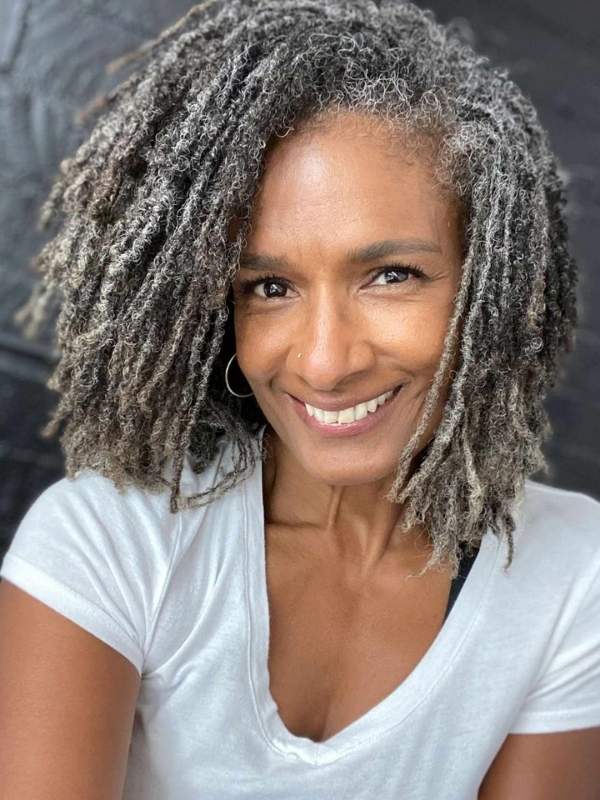
Mature locs are locs that have developed a relatively stable, established structure. During the locking process, hair strands gradually tangle and become integrated into the loc. Over time, the loc may become more compact and less likely to unravel during normal washing and handling.
When locs are mature, their structure is generally more established than it was during the starter, budding, or teenage stages. They may feel firmer, hold their shape better, and have a more consistent appearance.
However, maturity does not mean that your locs stop changing. Your hair continues to grow from the scalp, new growth appears around the roots, and the texture of your locs may change with washing, moisture, styling, and everyday wear.
Mature locs can also have frizz, bumps, and loose hairs. These features are not automatically signs that something is wrong. They are often part of the natural appearance of locs.
The exact appearance of mature locs depends on several factors, including your natural hair texture, the size of your locs, the method used to start them, and how you maintain them.
For example, traditional locs may be thicker and have more noticeable variations in shape, while sisterlocks and microlocs are usually smaller. Both can mature, but their final appearance may be quite different.
The most important factor is not whether your locs look like someone else’s. It is whether your locs have developed a stable structure that suits your hair and loc method.
Wondering which loc style suits you best? Read my guide on Sisterlocks vs. Traditional Locs: Which One Is Right for You? to compare both styles and learn how to choose the right option for your hair and lifestyle.
The Stages of Loc Development
Before looking at the signs of mature locs, it helps to understand how locs develop. Although the names and timelines can vary, the loc journey is commonly described in four stages: starter locs, budding locs, teenage locs, and mature locs.
These stages are useful guides rather than strict rules. Your hair may move through them differently, and some stages may overlap.
Starter Locs
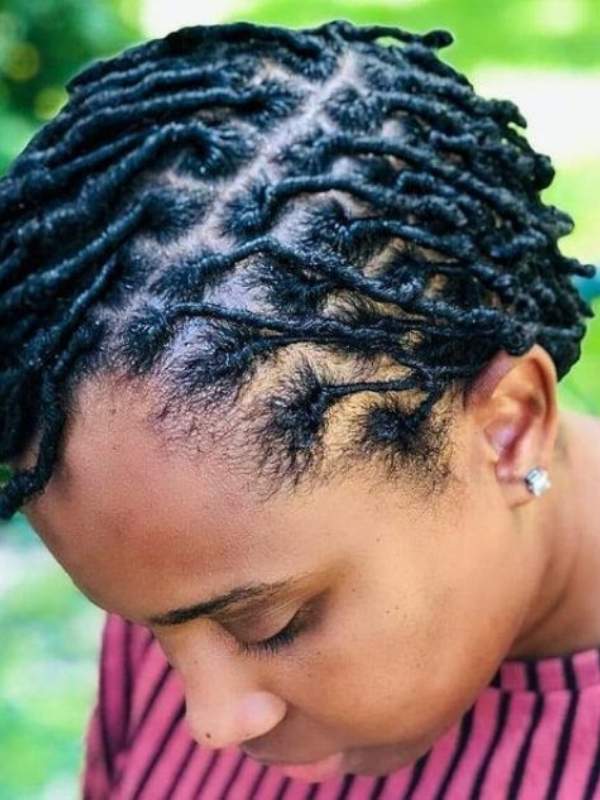
Starter locs are the beginning of the loc journey. They may be created using comb coils, two-strand twists, braids, interlocking, or another suitable method.
At this stage, the hair has been arranged into sections, but the strands have not necessarily formed a fully established loc structure. The locs may look neat immediately after installation, but that appearance does not mean they have matured.
Starter locs can be soft, delicate, and prone to unraveling. Some may appear thin, while others may look fuller depending on your hair texture and the method used to create them.
You may also notice frizz, loose hairs, or changes in the shape of your locs. These are common during the early stages.
Washing and handling starter locs may require extra care because the sections can loosen before the hair has locked sufficiently. The appropriate maintenance method depends on how your locs were started and the advice of your loctician.
It is important not to judge your loc journey by the appearance of your starter locs alone. The early stage is simply the foundation for the structure that will develop over time.
Budding Locs
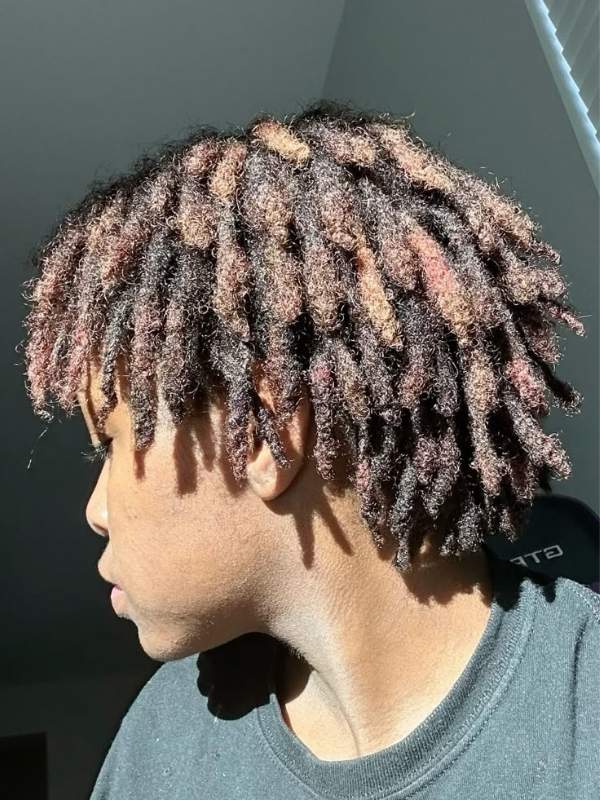
The budding stage is when the hair begins to tangle and form a more noticeable internal structure. You may feel small bumps or thicker sections along your locs.
These bumps are often a normal part of loc development. They can occur as the hair strands intertwine and begin to form a more established structure.
During this stage, your locs may look uneven. Some sections may feel firm, while others remain soft or loose. You may also notice that your locs become thicker in certain areas or develop a less uniform appearance.
Budding can make your locs look different from the neat sections you had when they were first installed. This does not necessarily mean your locs are developing incorrectly.
The rate of budding varies. Some locs may begin budding relatively early, while others take longer. Loc size, hair texture, installation method, and individual hair characteristics can all influence the process.
Avoid trying to flatten every bump or force your locs into a perfectly smooth shape. Excessive manipulation can interfere with the natural development of your hair.
Teenage Locs
Teenage locs are more developed than starter locs but may not yet have a fully established structure throughout their length.
This stage can sometimes be frustrating because your locs may look fuller and stronger while still behaving unpredictably. Some may hold their shape well, while others may have loose sections, noticeable frizz, or uneven thickness.
You may also notice changes in length as your hair continues to lock and settle. The locs may look shorter at certain times because of shrinkage or changes in their structure.
The name teenage locs describes this transitional stage rather than a specific age. There is no exact month when every person’s locs enter or leave this stage.
During this period, patience is important. Comparing your locs with someone else’s may create unnecessary concern because two people can have different experiences even when they started their locs at the same time.
Continue following a maintenance routine appropriate for your loc method, and avoid excessive retwisting or manipulation simply to make your locs look more mature.
Mature Locs
Mature locs have a more established structure than locs in the earlier stages. The hair has had more time to intertwine and become integrated into each loc.
You may notice that your locs feel more compact, maintain their shape better, and are less likely to unravel during ordinary handling. Their appearance may also become more consistent over time.
However, mature locs do not have to be perfectly cylindrical, smooth, or identical. Some may have bumps, curves, frizz, or variations in thickness.
New growth continues at the roots, so the hair nearest your scalp may look different from the older portions of your locs. This is normal and does not mean your locs have become immature again.
Mature locs also need regular care. They should be cleansed, dried properly, and handled gently. Excessive tension, heavy product buildup, and repeated tight retwisting can still cause problems.
The goal is not to make mature locs look perfect. It is to maintain healthy hair and a stable loc structure.
11 Signs Your Locs Are Fully Mature
Loc maturity is not determined by one feature alone. Instead, it is helpful to consider several signs together, including how your locs feel, how well they hold their shape, and how their structure has developed over time.
Here are 11 signs that can help you understand whether your locs are becoming fully mature.
1. Your Locs Feel Firm and Compact
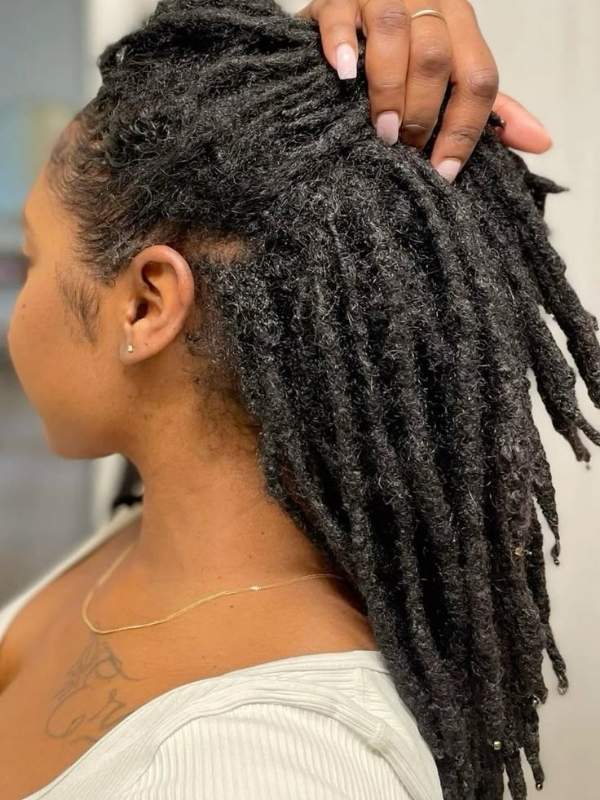
One of the signs associated with mature locs is a firm, compact feel. When you gently touch your locs, they may feel more established than they did during the starter or budding stages.
In the early stages, your locs may feel soft, fluffy, or loose because the hair strands are still forming their locking structure. Some sections may feel more compact than others, and the overall texture may change as your hair develops.
As the locking process continues, the strands become more integrated into the loc. This can create a denser structure that feels more solid when you gently hold it between your fingers.
You may notice that your locs no longer feel as loose or delicate as they did when you first started your journey. Their shape may also become more stable.
However, firm locs do not always mean mature locs. Certain installation methods, particularly interlocking, can create a compact feel relatively early. The hair may still need time to develop along the rest of its length.
Likewise, mature locs do not all feel hard. Some remain soft or flexible because of hair texture, loc size, and the way the locs have developed.
What to look for: Consider whether your locs feel more established than they did several months ago. Look at the overall structure rather than judging maturity by firmness alone.
Avoid squeezing or pulling your locs repeatedly to test them. Gentle handling is enough to observe changes in their texture.
2. Your Locs Hold Their Shape
Another sign of developing maturity is that your locs maintain their shape more consistently.
When locs are first installed, they may look neat because the hair has been arranged into sections. However, those sections may loosen or unravel because the hair has not yet formed a stable internal structure.
As your locs develop, they generally become better at maintaining their shape during everyday activities. You may notice that they remain intact after gentle handling, styling, or washing when your particular loc method is ready for regular washing.
Their shape may also become more predictable. Instead of changing dramatically after every wash, your locs may retain a relatively consistent structure.
This does not mean mature locs will never change. Hair naturally responds to moisture, humidity, styling, and movement. Your locs may look different when wet compared with when they are completely dry.
The important difference is that the locs are less likely to come apart or lose their overall structure during normal care.
What to look for: Notice whether your locs maintain their structure over time and whether they are less prone to loosening than they were during the early stages.
If your locs still unravel occasionally, do not automatically assume they are unhealthy or immature. Certain areas may take longer to lock, and the roots may behave differently because new hair continues to grow.
3. Your Locs Have Less Loose Hair Inside
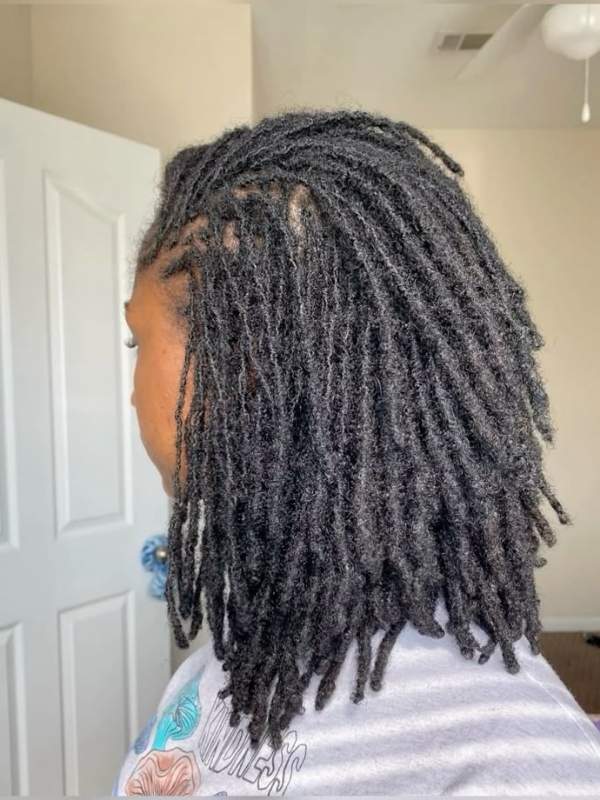
Loose hairs and frizz are common throughout the loc journey. However, as locs develop, more of the hair may become integrated into the structure of each loc.
During the starter stage, individual strands may stick out because the hair has not yet tangled sufficiently. You may notice fuzzy sections, loose hairs around the body of your locs, or areas that look less compact.
As the hair continues to lock, some of these strands become incorporated into the loc. This may give your locs a more established appearance and reduce the amount of loose hair that stands away from the main structure.
However, it is important to distinguish between loose hair within the loc and natural frizz on the outside.
Frizz can occur when shorter hairs or new growth extend away from the loc. It may also be influenced by your natural hair texture, humidity, and everyday movement.
Even fully mature locs can have loose hairs. The goal is not to eliminate every strand sticking out, because doing so may encourage unnecessary manipulation.
Struggling with frizzy locs? Read my guide on How to Fix Frizzy Locs Without Retwisting: Easy Steps That Work to discover simple ways to manage frizz and keep your locs looking neat without frequent retwisting.
If you repeatedly pull loose hairs into your locs or retwist them too tightly, you may place excessive tension on the roots or surrounding hair.
What to look for: Observe whether the overall structure of your locs has become more established, even if some frizz remains.
A mature loc can look natural and slightly fuzzy. Perfect smoothness is not a requirement for maturity.
4. Your Locs Feel Denser
As locs develop, they may begin to feel fuller or denser. This can happen as the hair strands intertwine and become more integrated into the loc structure.
In the early stages, some locs may feel fluffy or loose. Their texture may also vary along the length because different sections are developing at different rates.
As the hair continues to lock, certain sections may become more compact. You may notice that a loc feels more substantial when you gently hold it, or that its overall shape appears fuller than it did previously.
However, not everyone’s locs become thicker as they mature. Some locs may remain relatively slim, especially when they were started in small sections.
The final thickness depends on several factors, including the amount of hair in each section, natural hair density, hair texture, loc size, and the installation method.
For example, traditional locs may have a different thickness and shape from sisterlocks or microlocs. These differences do not mean that one type is more mature than another.
It is also important to remember that density and maturity are not the same thing. A loc may feel thick because of the amount of hair in the section, even if its internal structure is still developing.
What to look for: Pay attention to changes in the feel and structure of your locs over time. A more substantial feel can be one sign of development, but it should be considered alongside other signs.
Do not attempt to make your locs thicker by adding heavy products. Product buildup can collect inside locs and make cleansing more difficult.
5. Your Locs Have a More Consistent Shape
When locs are developing, they may look uneven or have noticeable differences in thickness. Some sections may be soft, while others feel firm. One loc may appear rounded, while another has bumps or irregular sections.
These differences can occur because the hair does not always lock at the same rate throughout the head.
As your locs mature, their overall structure may become more consistent. The hair continues to intertwine and settle, helping the locs maintain a more established shape.
However, consistency does not mean that every loc should look identical. Natural locs often have variations in thickness, length, curvature, and texture.
The method used to create your locs also influences their shape. Traditional locs, microlocs, and sisterlocks can have different appearances even when they are all mature.
Some mature locs have visible bumps or irregularities along their length. These features may be part of the way the hair has locked rather than a sign of a problem.
It is also possible for some locs to mature before others. For example, locs around the nape or sides of the head may develop differently from those at the crown.
What to look for: Look for a more established overall structure rather than perfectly uniform locs. If your locs maintain their shape and continue developing, natural differences between individual locs are usually nothing to worry about.
Avoid repeatedly combining, separating, or manipulating locs just to make them look identical. Such changes may affect their size and structure.
6. Your Locs Are Less Likely to Unravel
Unraveling is common when locs are new because the hair strands have not yet formed a stable structure. You may notice that a loc loosens after washing, that the ends begin to open, or that certain sections need additional maintenance.
As locs mature, the strands become more securely intertwined. This generally makes the locs less likely to unravel during normal activities.
You may find that your locs retain their structure after routine washing and gentle handling. You may also notice that the ends remain more established than they did during the early stages.
However, unraveling can still occur in particular areas, even when much of the loc is mature. The roots contain new growth, which has not been part of the loc for as long as the older hair.
The ends may also develop differently depending on how your locs were started and whether the ends were left open or secured.
Different maintenance methods can influence how your locs behave. For example, interlocked locs may be less prone to loosening at the roots than some locs maintained through other methods. This does not automatically mean they have matured faster throughout their entire length.
What to look for: Consider whether your locs are becoming more stable and less likely to unravel over time.
If a loc repeatedly opens, becomes significantly thinner, or develops a weak area, ask an experienced loctician to assess it. Avoid pulling or tightening the section excessively in an attempt to secure it.
7. Your Locs Have a More Established Root-to-Tip Structure
The roots, middle sections, and ends of your locs may develop at different rates.
The older portions of your locs have had more time to form a locking structure, while the new growth near your scalp has not been part of the loc for as long.
During the early stages, you may notice that some parts of a loc feel compact while other sections remain soft or uneven. This can make the loc feel different depending on where you touch it.
As your locs develop, more of the existing length may become established. You may notice that the body of each loc has a more consistent structure, even though some variations remain.
However, the roots will continue to grow. New hair emerges from the scalp and must be incorporated into the loc over time, depending on your maintenance method.
This means that the roots of mature locs may never look exactly like the older sections. If you retwist your roots, they may appear neater and more defined after maintenance. If you prefer less frequent retwisting, your roots may look fuller or more natural.
Neither appearance automatically determines maturity.
What to look for: Observe whether the existing length of your locs has developed a stable structure. Do not expect every part of every loc to feel exactly the same.
If you notice thinning near the roots, persistent weakness, or a loc becoming noticeably smaller, consider whether tight styling or repeated tension could be contributing to the problem.
8. Your Locs Experience Less Dramatic ShrinkageSource
Shrinkage is a natural characteristic of textured hair. During loc development, your hair may appear to change length as it tangles, compacts, and settles into its structure.
You may notice that your locs look longer at one time and shorter at another. Washing can also affect their appearance because wet hair behaves differently from dry hair.
As locs mature, their shape and length may become more predictable. You may find that they no longer change as dramatically as they did during the earlier stages.
However, mature locs can still shrink. The amount of shrinkage depends on your natural hair texture, the structure of your locs, moisture, and other factors.
Some people experience noticeable shrinkage even after their locs have become well established. Others may notice relatively little change in length.
Shrinkage should not automatically be viewed as a problem. It is a normal feature of many hair textures and does not necessarily indicate that your locs are damaged or immature.
It is also important not to confuse shrinkage with breakage. Shrinkage changes how long your hair appears, while breakage involves hair strands breaking off. If you notice sudden changes in length accompanied by broken hairs or thinning areas, consider seeking advice from a qualified hair professional.
What to look for: Notice whether the length and shape of your locs have become more predictable over time, but do not use shrinkage alone to determine maturity.
9. Your Locs Feel More Established During Everyday Handling
As locs develop, they generally become easier to handle during normal hair care. Their more established structure may make them less likely to loosen when you gently move or arrange them.
During the starter stage, locs can be delicate because the hair is still forming its structure. Excessive manipulation may cause them to unravel or become misshapen.
As the locs mature, you may notice that they remain intact during ordinary activities such as separating neighbouring locs, arranging them for a hairstyle, or gently moving them while cleansing.
This can make some aspects of maintenance easier. You may feel more confident handling your locs because their structure is less fragile than it was during the early stages.
However, mature locs still require gentle care. They can become damaged by excessive pulling, tight hairstyles, repeated tension, or rough handling.
It is particularly important to pay attention to the roots. Heavy locs, tight ponytails, and repeated tension in the same areas can place stress on the hair around the scalp.
If your locs are becoming longer or heavier, consider choosing hairstyles that distribute their weight comfortably.
What to look for: Notice whether your locs maintain their structure during normal, gentle handling. Do not deliberately pull or stretch them to test their strength.
Maturity does not make locs indestructible. A gentle routine remains important throughout your loc journey.
10. Your Locs Have a More Settled Appearance
Mature locs often have a more settled appearance than they did during the earlier stages. Their structure may become more consistent, and their shape may change less dramatically over time.
During the starter and budding stages, your locs may look different from one month to the next. You might notice new bumps, changes in thickness, or sections that become more compact as the hair develops.
As the locs mature, the overall structure generally becomes more established. You may find that their appearance is more predictable and that they hold their shape better.
However, a settled appearance does not mean that your locs must be perfectly smooth. Mature locs can still have frizz, bumps, loose hairs, and natural variations in size.
Your locs may also look different depending on whether they have recently been washed, dried, retwisted, or styled. These temporary changes do not necessarily indicate a change in maturity.
It is important to distinguish between a neat appearance and a mature structure. A freshly retwisted loc may look smooth and defined, but that does not automatically mean it is mature. Similarly, a mature loc with visible frizz does not become immature because of its appearance.
What to look for: Consider whether your locs have developed a stable structure over time rather than focusing only on how neat they look on a particular day.
The natural appearance of your locs is part of their character. You do not need to remove every bump or loose strand to have mature locs.
11. Your Locs Have Developed Over Time
Time is an important part of loc maturity because the hair needs time to form and establish its structure. However, there is no exact timeline that applies to everyone.
Some people notice substantial development within the first year, while others find that their locs continue changing for two years or longer.
Your hair texture, loc size, installation method, maintenance routine, and individual hair characteristics can all influence how your locs develop.
For example, locs created through interlocking may feel compact relatively early because the method secures the hair in a particular way. Locs started with comb coils or two-strand twists may have a different development pattern.
However, the amount of time you have had your locs does not automatically determine whether they are fully mature. Two people who started their locs on the same day may have very different results.
Even the locs on one person’s head may mature at different rates. Some may feel firm and stable while others are still developing.
Rather than counting months alone, consider the overall condition and structure of your locs. Look at whether they are less prone to unraveling, whether the existing length feels established, and whether their shape has become more consistent.
What to look for: Think about how your locs have changed since installation. Progress over time, combined with the other signs discussed in this guide, can help you understand their development.
Most importantly, avoid rushing the process. Locs develop naturally, and patience is an important part of the journey.
How Long Does It Take for Locs to Mature?
There is no single timeline for loc maturity. Some locs may become well established within a year, while others may take two years or longer.
The time required depends on your natural hair texture, the size of your locs, the method used to start them, and how you maintain them.
Smaller locs and larger traditional locs may develop differently. Likewise, interlocking, comb coils, two-strand twists, and braids can produce different patterns of development.
It is also important to understand that loc maturity is gradual rather than a single event. Your locs may become more established over time, with some sections developing faster than others.
You might notice that your locs feel compact before their entire length has developed a consistent structure. This is one reason why it is helpful to consider several signs rather than relying on one characteristic.
If your locs are still developing after a year, it does not automatically mean something is wrong. Continue caring for them according to your loc method and seek professional advice if you notice persistent weakness, thinning, or other concerns.
What Do Mature Locs Look Like Compared to Teenage Locs?
Mature locs and teenage locs can look similar in some cases, which makes it difficult to determine maturity by appearance alone.
Teenage locs are still developing. They may have bumps, uneven sections, loose hairs, or changes in thickness. Some may feel firm, while other sections remain soft or less compact.
Mature locs generally have a more established structure. They tend to maintain their shape better and are less likely to unravel during normal handling.
However, mature locs can still have frizz and uneven sections. These features do not automatically mean that the locs are immature.
The most useful distinction is the overall development of the loc structure. Consider whether your locs have become more stable over time rather than expecting them to look perfectly smooth.
Your installation method also matters. Some loc methods can produce a compact appearance earlier than others, so visual neatness is not a reliable way to compare maturity between different loc types.
If you are uncertain about your locs, an experienced loctician who understands your method can help you assess their condition and development.
Can Mature Locs Still Have Frizz?
Yes, mature locs can still have frizz. Frizz is a normal feature of locs and can occur at different stages of the loc journey.
It may result from new hair growth, shorter hairs extending away from the loc, your natural hair texture, humidity, or everyday movement.
Even when your locs are fully mature, new growth continues to emerge from the scalp. These new hairs may look different from the older, locked sections.
The amount of frizz you experience can also depend on your loc method and maintenance routine. Some people prefer a neat, retwisted appearance, while others prefer a fuller, more natural look.
You do not need to eliminate all frizz to maintain healthy mature locs. Repeatedly retwisting your hair or pulling every loose strand into the loc may create unnecessary tension.
If you prefer a neater appearance, discuss an appropriate maintenance routine with your loctician. The goal should be to maintain your preferred style without compromising the health of your roots.
Can Locs Be Mature After One Year?
Yes, some locs may become well established within a year, but this does not mean that every person’s locs will be fully mature at that point.
The development process varies depending on hair texture, loc size, installation method, and maintenance.
Some locs may feel compact and hold their shape relatively early. Others may continue developing for several years.
It is also possible for locs to look mature before their entire structure has become established. For this reason, age alone should not be the deciding factor.
Instead, consider the overall structure of your locs. Look at how well they hold their shape, how likely they are to unravel, and how their texture has changed since installation.
If your locs are still developing after one year, be patient. Continued development is a normal part of the loc journey.
Do Sisterlocks and Microlocs Mature Differently From Traditional Locs?
Sisterlocks, microlocs, and traditional locs can all mature, but their appearance and development may differ because of their size and installation methods.
Thinking of starting Sisterlocks on short hair? Read my guide on How to Start Sisterlocks on Short Hair: A Beginner’s Guide to learn the basics and what to expect when starting your Sisterlocks journey.
Traditional locs are often larger and may have more noticeable variations in thickness and shape. Their development can include visible budding, frizz, and changes in density.
Microlocs are smaller locs, and their structure may look different because each loc contains a smaller section of hair. Their appearance and maintenance requirements depend on the installation method used.
Sisterlocks are a specific small-loc system created using a trained installation technique. Their size and structure can make their development look different from that of traditional locs.
Some interlocked locs may feel compact relatively early. However, a compact feel does not necessarily mean that the entire loc has reached full maturity.
The same general principles still apply: maturity is about the development and stability of the loc structure, not simply its size or neatness.
If you have sisterlocks or microlocs, follow maintenance guidance appropriate for your particular installation method. Avoid applying maintenance practices designed for larger traditional locs without considering whether they are suitable for your hair.
How to Care for Your Locs as They Mature
Mature locs still need regular care. Although their structure may be more established, poor maintenance can contribute to buildup, dryness, breakage, or scalp discomfort.
A suitable routine should focus on keeping your scalp clean, allowing your locs to dry properly, and avoiding unnecessary tension.
Cleanse Your Scalp and Locs Regularly
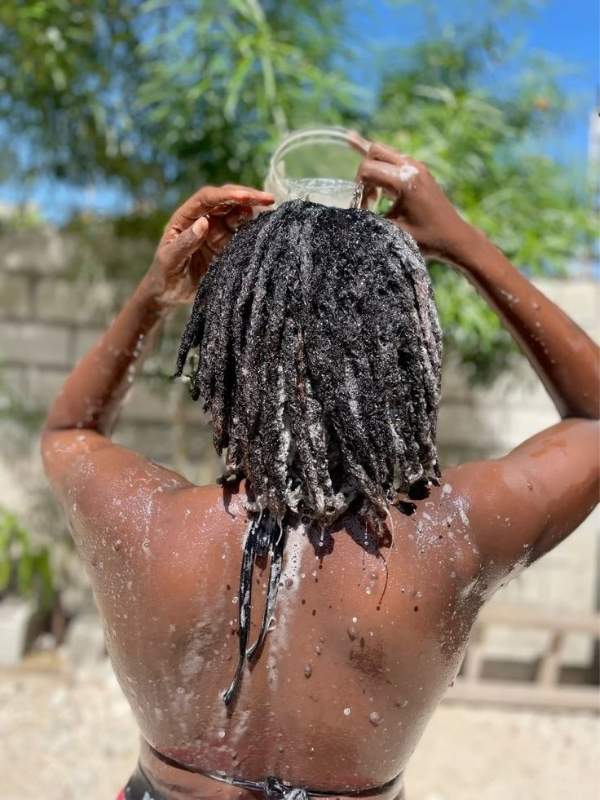
Washing helps remove sweat, dirt, excess oil, and product residue from your scalp and locs.
The appropriate washing frequency depends on your scalp, activity level, products, and loc method. Follow the guidance suited to your hair, and make sure you rinse thoroughly.
Product residue can accumulate inside locs, particularly when heavy creams, waxes, or oils are used excessively. Choose products that are suitable for locs and avoid applying more than you need.
If you have a recently installed loc style or a maintenance method with specific washing instructions, follow the advice of your loctician.
Dry Your Locs Thoroughly
Proper drying is important because locs can retain moisture within their structure.
After washing, gently remove excess water using a clean towel and allow your locs to dry completely. Depending on their thickness, length, and density, drying may take longer than it does for loose hair.
Avoid repeatedly tying up or covering damp locs for long periods. Trapped moisture can contribute to an unpleasant smell and other problems.
If your locs regularly remain damp for an extended time, consider adjusting your drying routine.
Avoid Excessive Retwisting
Retwisting can help maintain the appearance of your roots, but excessive retwisting may create unnecessary tension.
Repeatedly tightening the same areas can place stress on the hair around the scalp. Over time, this may contribute to thinning or breakage, particularly if your hairstyles are also tight.
Your maintenance schedule should reflect your hair, loc method, and preferred appearance. You do not need to retwist your locs every time new growth appears.
If you notice tenderness, persistent tightness, or thinning around the roots, reduce tension and consider seeking advice from an experienced loctician or a qualified healthcare professional if scalp symptoms persist.
Be Careful With Heavy Products
Heavy oils, waxes, butters, and creams may accumulate inside locs if they are used excessively or are difficult to rinse out.
Product buildup can make locs feel coated or unusually heavy and may contribute to residue or odor.
Choose lightweight products when needed and pay attention to how your hair responds. Remember that adding more product does not automatically make your locs healthier.
A simple routine with suitable cleansing and minimal buildup is often easier to maintain than one involving many products.
Protect Your Locs While Sleeping
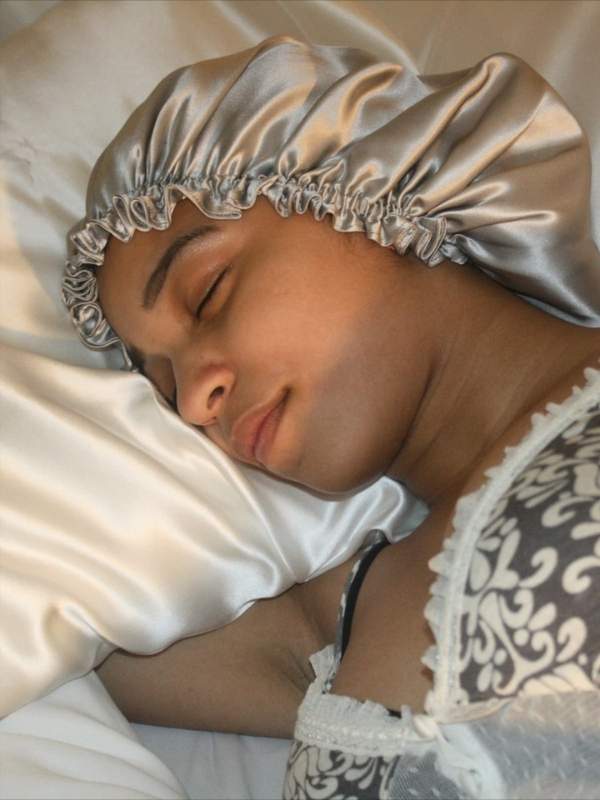
A satin bonnet, scarf, or pillowcase can help reduce friction while you sleep.
Less friction may help reduce unnecessary disturbance to your locs and make your hair easier to manage in the morning.
Choose a covering that fits comfortably and does not pull tightly around your hairline. If you tie your locs up before bed, avoid hairstyles that create excessive tension.
Handle Your Locs Gently
Even mature locs can break or become damaged if they are handled roughly.
Avoid repeatedly pulling, twisting, or stretching your locs. Be particularly careful when separating locs that have grown together or when removing a hairstyle.
If two locs have joined at the roots, do not force them apart. Gentle separation or professional assistance may be safer, depending on the condition of the hair.
Regularly inspect your locs for thinning, weak areas, or breakage, especially if you frequently wear tight hairstyles.
Pay Attention to Your Scalp
Healthy loc care includes looking after the scalp as well as the locs themselves.
If your scalp becomes persistently itchy, painful, inflamed, or develops unusual scaling, do not assume that the symptoms are simply part of the loc journey.
Consider whether a product is irritating your scalp, and seek medical advice if symptoms persist or worsen.
Avoid scratching aggressively or applying strong products without understanding the cause of the irritation.
Common Mistakes to Avoid While Your Locs Mature
Understanding the loc journey can help you avoid habits that may interfere with your hair’s development.
Comparing Your Locs With Someone Else’s
Everyone’s loc journey is different. Two people can start their locs at the same time and experience different rates of development.
Hair texture, loc size, installation method, and maintenance can all influence appearance.
Instead of comparing your locs with someone else’s, pay attention to how your own hair changes over time.
Expecting Every Loc to Mature at the Same Time
Individual locs may develop at different rates. Some may become compact before others, and certain areas of the head may have different textures or growth patterns.
This is not automatically a problem. Assess the overall condition of your locs rather than expecting every section to look identical.
Retwisting Too Frequently
Frequent retwisting may create unnecessary tension, especially if the roots are tightened repeatedly.
A neat appearance is not worth compromising the health of your roots. Choose a maintenance schedule that suits your hair and avoid pulling your locs tightly into hairstyles.
Trying to Remove All Frizz
Frizz is common, even in mature locs. Repeatedly manipulating loose hairs may cause unnecessary stress.
Rather than trying to achieve a perfectly smooth appearance, focus on maintaining the structure of your locs and keeping your scalp healthy.
Using Too Many Products
Applying multiple products does not guarantee healthier locs. Heavy or difficult-to-remove products may build up inside the hair.
Keep your routine simple and choose products according to your scalp and hair needs.
Judging Maturity by Time Alone
Having locs for a particular number of months or years does not automatically mean they are mature.
Consider their structure, stability, and overall development instead of relying only on the date you started your locs.
Frequently Asked Questions About Mature Locs
How Do I Know If My Locs Are Fully Mature?
Look for several signs together. Mature locs generally have a more established structure, hold their shape better, and are less likely to unravel during normal handling.
Their appearance may also become more consistent over time. However, frizz, bumps, and loose hairs can remain in mature locs.
How Many Years Does It Take for Locs to Mature?
There is no fixed timeline. Some locs become well established within a year, while others may take two years or longer.
The time required depends on your hair texture, loc size, installation method, and maintenance routine.
Do Mature Locs Get Thicker?
Some locs may feel fuller or denser as the hair becomes more compact. However, not every loc becomes thicker with maturity.
The final thickness depends on the amount of hair in each section, your natural hair density, loc size, and installation method.
Do Mature Locs Stop Growing?
No. Your hair continues growing from the scalp after your locs mature.
New growth appears around the roots, and the overall length of your locs can increase over time. Breakage and shrinkage may affect how much length you notice.
Can Mature Locs Still Be Soft?
Yes. Mature locs can feel soft or flexible. Firmness depends on several factors and is not the only measure of maturity.
Can Mature Locs Still Unravel?
Mature locs are generally less likely to unravel than starter locs, but some sections may still loosen.
The roots and ends can behave differently from the older sections, and certain loc methods may be more prone to loosening in particular areas.
Do Mature Locs Need Retwisting?
Some mature locs still receive root maintenance, depending on the wearer’s preferred appearance and maintenance method.
Retwisting is not required at one universal interval. Avoid excessive tension, and follow a routine appropriate for your hair.
Can I Change My Hairstyle After My Locs Mature?
Yes. Mature locs can be styled into ponytails, buns, updos, and many other hairstyles.
Choose styles that are comfortable and avoid excessive tension around the hairline and roots.
Are Mature Locs Easier to Maintain?
They may be easier to manage because their structure is more established and they are generally less likely to unravel.
However, mature locs still require cleansing, proper drying, and gentle handling.
Can Mature Locs Become Thin?
Yes. Mature locs can become thin due to repeated tension, breakage, damage, or other factors.
If you notice thinning, reduce tension and consult an experienced loctician. Persistent scalp symptoms or significant hair loss should be assessed by a qualified healthcare professional.
Do Mature Locs Have to Look Perfect?
No. Mature locs can have frizz, bumps, curves, and variations in thickness.
These natural features do not automatically mean your locs are unhealthy or immature.
Can Starter Locs Look Mature?
Starter locs can look neat or compact, particularly when created using certain methods. However, their appearance alone does not prove that their internal structure has fully matured.
Can Interlocked Locs Mature Faster?
Interlocked locs may feel compact relatively early because of the way the hair is secured. However, that does not necessarily mean the entire loc has reached full maturity.
The overall development depends on several factors.
Can Traditional Locs Become Fully Mature?
Yes. Traditional locs can develop a stable, established structure over time.
Their final appearance depends on hair texture, loc size, installation method, and maintenance.
Do Sisterlocks Go Through the Same Stages?
Sisterlocks also develop over time, although their small size and installation method can make the stages look different from those of traditional locs.
Their maturity depends on the development of the loc structure rather than age alone.
Should I Retwist Mature Locs More Often?
Not necessarily. Frequent retwisting can create tension around the roots.
Choose a maintenance schedule that suits your hair and preferred appearance. If you notice tenderness or thinning, reconsider your routine.
Can Mature Locs Still Shrink?
Yes. Mature locs can shrink, particularly after washing. The amount depends on hair texture, moisture, and loc structure.
Do Mature Locs Need Moisture?
Your scalp and hair still need appropriate care. Use suitable products when necessary, and avoid excessive product buildup.
Can Mature Locs Have Loose Hair?
Yes. Loose hairs and frizz can occur even after locs mature. New growth also continues to emerge around the roots.
Are Mature Locs Stronger Than Starter Locs?
Mature locs generally have a more established structure, but they can still break or become damaged.
Gentle handling, suitable maintenance, and reduced tension remain important.
What Happens After Locs Mature?
Your locs continue to grow and change. Their length, texture, and appearance may develop further as new hair grows and the locs experience everyday wear.
Can Mature Locs Be Combined?
Yes, some mature locs can be combined to create thicker locs. The appropriate method depends on their size, structure, and condition.
Consult an experienced loctician before making significant changes.
Can Mature Locs Be Repaired?
Some loc problems, such as loose sections or certain forms of thinning, may be addressed with professional assistance.
The appropriate approach depends on the cause and severity of the problem. Significant thinning or scalp concerns may require professional assessment.
Do All Locs Mature at the Same Time?
No. Individual locs can mature at different rates because of differences in hair texture, size, location, and development.
Is Frizz a Sign That My Locs Are Not Mature?
No. Frizz can occur at every stage of the loc journey. Consider the overall structure and stability of your locs rather than relying on frizz alone.
Understanding Your Loc Journey
Mature locs generally have a more established structure than starter or teenage locs. They may feel firmer, hold their shape better, and be less likely to unravel during normal handling.
However, maturity does not mean perfection. Mature locs can still have frizz, bumps, loose hairs, shrinkage, and natural variations in thickness.
The time it takes for locs to mature depends on your hair texture, loc size, installation method, and maintenance routine. Some locs develop a stable structure relatively quickly, while others need more time.
Rather than focusing only on how many months or years you have had your locs, pay attention to how they feel, how well they maintain their shape, and how their structure has developed.
Take care of your scalp, cleanse your locs appropriately, allow them to dry thoroughly, and avoid excessive tension or manipulation.
Most importantly, be patient with your loc journey. Every head of locs develops differently, and your hair does not have to look exactly like someone else’s to be healthy and beautiful.