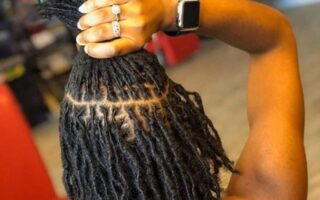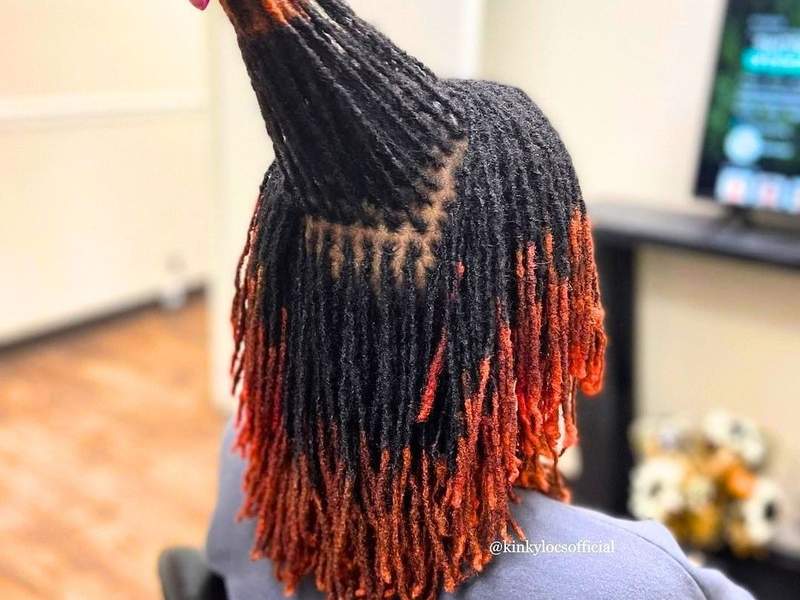
Healthy locs do not happen by accident. They require patience, consistency, and a hair care routine that understands the unique needs of locked hair. Whether you have traditional locs, sisterlocks, microlocs, or starter locs, keeping your hair moisturized without creating buildup is one of the most important parts of maintaining its health and appearance.
Many people struggle to find the right balance. Their locs may feel dry, rough, or brittle even after applying several products. Others notice white residue, unpleasant smells, a sticky feeling, or locs that seem heavier than usual. These problems often happen when moisture and product use are not properly balanced.
Learning how to moisturize and maintain locs without buildup begins with understanding that moisture is not the same as coating your hair with oil, cream, or grease. Your locs need water, a clean scalp, gentle handling, and enough drying time. They also need a routine that suits your hair texture, environment, and stage of locking.
The good news is that maintaining moisturized locs does not require an expensive collection of products. In many cases, a few suitable products, the right washing schedule, and simple daily habits can make a noticeable difference.
This guide explains how to moisturize and maintain locs without buildup, prevent unnecessary dryness, choose suitable products, care for your scalp, and keep your locs looking healthy without making your routine complicated.
Understand What Moisture Means for Locs
Before changing your hair care routine, it helps to understand what moisture actually does.
Hair needs water to remain flexible. When hair becomes excessively dry, it may feel rough, lose elasticity, and become more vulnerable to breakage. Locs are formed from hair strands that interlock over time, so maintaining their condition requires special attention.
Unlike loose natural hair, locs can trap lint, shed hair, dust, and product residue within their structure. This means that applying heavy products repeatedly can create problems that are difficult to remove later.
Understanding how to moisturize and maintain locs without buildup starts with recognizing that healthy locs need hydration without unnecessary coating. Water-based products are often useful because they provide moisture without leaving the same heavy residue associated with thick creams and waxes.
Your scalp also deserves attention. A healthy scalp supports comfortable hair growth, while excessive dryness, irritation, or product accumulation can make your loc journey uncomfortable.
Remember that locs do not all behave the same way. Fine locs, thick locs, mature locs, and newly established locs may respond differently to products and washing schedules.
Pay attention to how your hair feels after each routine. If it feels soft and comfortable without becoming sticky or greasy, you may have found a suitable balance.
Start With Water-Based Moisture

Water is one of the simplest and most important tools for keeping locs hydrated.
Many people assume that oil is the main source of moisture. However, oils primarily help lubricate hair and reduce moisture loss; they do not replace water. Applying oil to very dry hair may make it feel smoother temporarily without addressing its need for hydration.
For this reason, how to moisturize and maintain locs without buildup should begin with a gentle, water-based approach.
You can use clean water in a spray bottle to lightly mist your locs. Another option is a lightweight, water-based moisturizing spray formulated for natural hair or locs.
Apply a small amount evenly, paying attention to areas that feel especially dry. Your locs should feel lightly refreshed rather than soaking wet throughout the day.
Avoid spraying your hair excessively if it takes a long time to dry. The goal is to provide reasonable hydration while allowing your locs to dry completely.
If your hair feels comfortable after misting, you may not need another product immediately. Give the water time to distribute before deciding whether additional moisture support is necessary.
For everyday maintenance, simple water-based hydration is often more useful than repeatedly layering several products.
If you want your locs to look fuller, stronger, and healthier, learning how to care for them properly is essential. Check out our guide on Thick Locs: 9 Tips for Fuller, Healthier-Looking Locs for practical tips to help you maintain your locs, improve their appearance, and keep them looking their best.
Choose Lightweight Products Carefully for moisturizing and maintaining locs
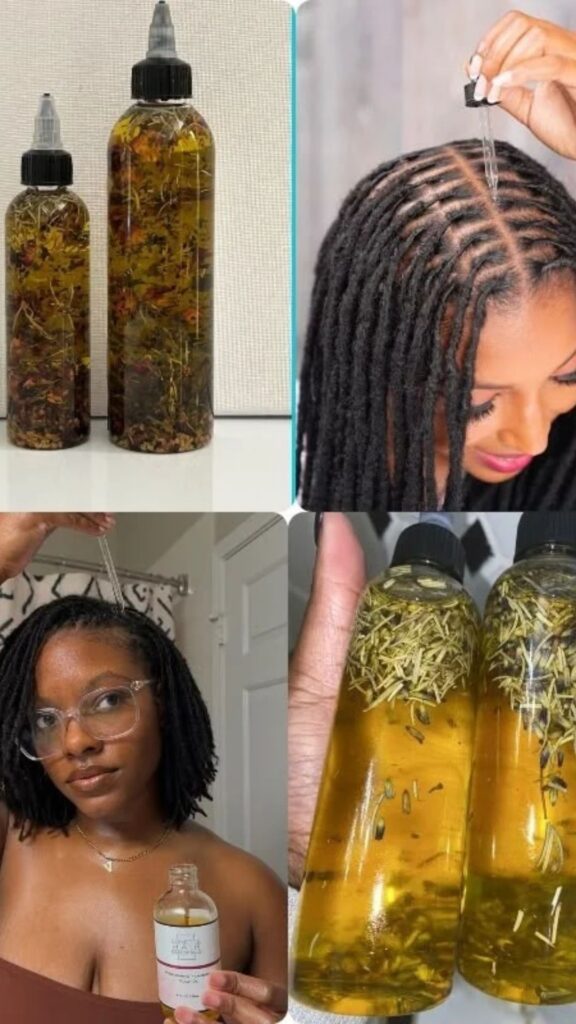
The products you use can determine whether your locs remain light and clean or gradually develop residue.
Thick butters, petroleum-based grease, heavy styling creams, and waxes may leave deposits that collect between locked strands. These deposits can become especially difficult to remove from mature locs.
When learning how to moisturize and maintain locs without buildup, prioritize products that rinse cleanly and suit your hair’s needs.
Look for lightweight sprays, water-based leave-in products designed for locs, and gentle scalp moisturizers when needed. Check ingredient labels rather than relying only on packaging claims such as natural, organic, or moisturizing.
Natural ingredients are not automatically suitable for every head of locs. Some botanical oils and butters can still leave residue, particularly when used heavily or too frequently.
You do not need to purchase a separate product for every concern. A gentle shampoo, clean water, and one suitable moisturizing spray may be enough for a basic routine.
Introduce new products gradually. Using several new products simultaneously makes it difficult to identify which one causes itching, residue, or irritation.
After introducing a product, observe your scalp and locs over the following days. If you notice persistent stickiness, unusual residue, or discomfort, stop using it and reassess your routine.
Choosing the right starter locs can make your loc journey more enjoyable and help you find a style that suits your natural hair. Whether you have short, medium-length, or long hair, your face shape and hair texture can influence which starter loc method works best for you. If you’re unsure where to begin, check out our guide on How to Choose the Best Starter Locs for Every Face Shape and Hair Length to discover suitable starter loc styles and find the perfect look for your loc journey.
Understand the Role of Oils in maintaining locs
Oils can have a place in loc maintenance, but they should be used thoughtfully.
Light oils may help reduce friction, improve the feel of the hair, and condition the scalp when applied appropriately. However, using oil excessively can leave the scalp greasy and contribute to residue when combined with sweat, dust, and other products.
A common mistake is pouring oil directly onto the locs every day. This can make the hair feel coated without solving the original dryness.
A better approach is to use a small amount only when necessary. If your scalp feels dry, apply a few drops of a suitable lightweight oil to the affected area rather than saturating your entire head.
How to moisturize and maintain locs without buildup involves recognizing that oil is an optional supporting product, not a replacement for water.
Some people do not need regular oil application at all. Others find occasional use helpful, especially when their scalp feels uncomfortable or their hair experiences friction.
Avoid applying oil to an irritated scalp without understanding the cause. Itching can result from dryness, product sensitivity, dandruff, or other scalp conditions, and oil will not solve every problem.
If you use oil, keep the quantity small and wash your locs regularly enough to prevent accumulation.
Wash Your Locs Consistently
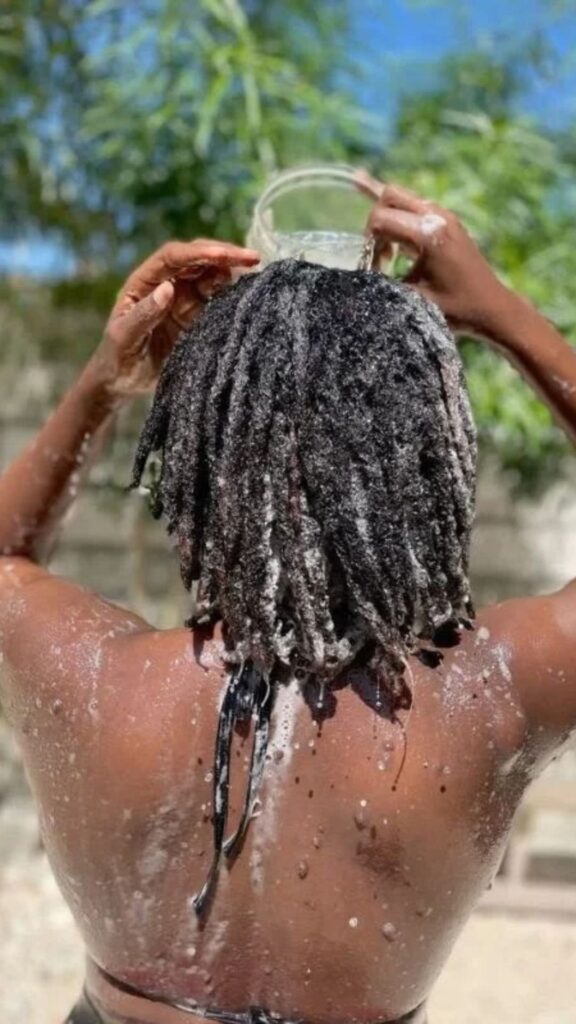
Washing is essential for maintaining a clean scalp and preventing residue from accumulating inside your locs.
Some people avoid washing because they fear unraveling, frizz, or disturbing the locking process. Although new locs may require special handling, avoiding cleansing for too long can allow sweat, dirt, and product deposits to accumulate.
Your washing schedule should reflect your activity level, scalp condition, hair products, and stage of locking.
People who exercise frequently, sweat heavily, or live in hot and humid environments may need to wash more often than those with less active lifestyles.
How to moisturize and maintain locs without buildup includes cleansing before accumulated dirt becomes difficult to remove.
Use a shampoo suitable for your scalp and locs. A gentle clarifying shampoo may be helpful occasionally if ordinary washing leaves persistent residue, but frequent aggressive cleansing can leave your hair and scalp uncomfortable.
Apply shampoo primarily to the scalp, then allow the lather to move through the locs during rinsing. Massage gently with your fingertips instead of scratching with your nails.
Rinse thoroughly. Shampoo left inside locs can cause irritation or contribute to residue.
Do not rely on fragrance to determine whether your locs are clean. A pleasant smell does not necessarily mean the scalp is healthy or free from buildup.
A consistent washing routine is generally more useful than trying to compensate for infrequent washing with additional moisturizing products.
Dry Your Locs Completely After Washing
Drying is just as important as cleansing.
Because locs contain densely packed hair, they may retain water longer than loose hair. If the inner sections remain damp for extended periods, you may experience an unpleasant smell or other problems associated with persistent moisture.
After washing, gently squeeze excess water from your locs using a clean towel. Avoid aggressive rubbing, which can create unnecessary friction and frizz.
Allow enough time for your hair to dry. Depending on loc thickness, density, length, and environmental conditions, this may take several hours or longer.
A clean, well-ventilated environment can help. If you use a hair dryer, choose a suitable setting and avoid excessive heat.
How to moisturize and maintain locs without buildup also means knowing when not to add more water. If your locs are still damp from washing, adding another layer of moisture is unnecessary.
Do not routinely sleep with soaking-wet locs or cover damp hair tightly for extended periods. Make sure the roots and inner sections have dried adequately before using a protective covering.
If your locs repeatedly develop a musty smell despite thorough washing and drying, consult an experienced loctician or healthcare professional as appropriate. Persistent odor may require more than a change in fragrance or oil.
Build a Simple Daily Moisturizing Routine
A good routine should be easy enough to maintain consistently.
Start by checking your hair rather than automatically applying products every morning. Feel a few locs, examine your scalp, and consider whether your hair actually needs attention.
If your locs feel comfortable, you may not need to do anything beyond gentle handling and ordinary scalp care.
When they feel dry, lightly mist them with clean water or a suitable water-based spray. Concentrate on areas that need hydration instead of soaking your entire head.
Give your hair time to absorb the water and dry appropriately. If necessary, apply a very small amount of a suitable lightweight product afterward.
Avoid repeating the process several times simply because your locs do not immediately look shiny. Shine is not a reliable measure of hydration.
How to moisturize and maintain locs without buildup becomes easier when you follow a needs-based routine instead of a product-heavy schedule.
You can also keep a small note of which products you use and how your hair responds. This makes it easier to identify helpful habits and discontinue products that leave residue.
Consistency does not mean doing the same thing every day regardless of your hair’s condition. It means responding sensibly to your locs’ changing needs.
Avoid Product Layering to prevent buildup
Product layering occurs when you apply one product after another without removing the previous deposits.
For example, someone might use a moisturizing spray, add leave-in cream, apply oil, and finish with styling gel. Repeating this combination several times a week can gradually create a coating.
The problem becomes more noticeable when products contain ingredients that do not rinse easily from locked hair.
To avoid this, select products that serve a clear purpose. If your water-based spray works well, you may not need a cream, butter, and oil on top of it.
How to moisturize and maintain locs without buildup is largely about using less product more intelligently.
Introduce one product at a time, use the recommended amount, and wash your hair according to its needs.
If your locs begin feeling stiff, unusually heavy, tacky, or coated, review what you have been applying. Persistent residue may indicate that your routine needs simplifying.
Do not respond to every sign of dryness by adding another product. Sometimes, cleansing and allowing the hair to return to a simpler routine is more appropriate.
Remember that a healthy routine is not measured by the number of products on your shelf. It is measured by how comfortably your scalp feels and how well your hair maintains its condition.
Recognize the Signs of Buildup
Buildup can develop gradually, which makes it easy to overlook.
One common sign is visible residue. You may notice white flakes, pale deposits, or sticky material on the outside of your locs. However, not every white particle is product buildup; it may be lint, dandruff, or another form of debris.
Another sign is a greasy or coated feeling that remains even after ordinary styling. Your locs may also feel heavier than usual or become difficult to rinse thoroughly.
An unusual smell can occur when residue, sweat, and moisture accumulate, although odor can have other causes.
How to moisturize and maintain locs without buildup requires distinguishing between a hair that needs hydration and one that needs cleansing.
Dry locs may feel rough or less flexible. Locs with product accumulation may feel waxy, sticky, or coated. Sometimes both problems occur together.
Avoid attempting to remove deposits with sharp objects or by aggressively pulling apart your locs. These methods can damage the hair and irritate your scalp.
Instead, review your product use and washing technique. Consider seeking professional help if buildup is deep, persistent, or difficult to remove.
A qualified loctician can assess your locs and recommend a suitable cleansing approach without unnecessary damage.
- Keep Your Scalp Comfortable and Healthy
Your scalp is an important part of your loc care routine.
A clean, comfortable scalp helps you maintain your hair without constantly reacting to itching or irritation.
Use your fingertips to massage the scalp gently during washing. Avoid scratching aggressively, even when your head feels itchy.
If your scalp feels dry, consider whether you are washing too aggressively, using irritating products, or exposing your hair to environmental conditions that worsen discomfort.
How to moisturize and maintain locs without buildup includes treating the scalp according to its actual needs instead of automatically applying oil whenever itching occurs.
Some scalp conditions produce flakes or itching that cannot be corrected through ordinary moisturizing. Dandruff, allergic reactions, and other skin conditions may require specific treatment.
If you experience persistent itching, redness, swelling, sores, significant flaking, or unusual hair loss, seek advice from a qualified healthcare professional.
Avoid putting strong essential oils, undiluted fragrances, or irritating home remedies directly on your scalp. These may worsen sensitivity.
Wash regularly, rinse completely, and avoid tight hairstyles that place excessive tension on your roots.
When your scalp is comfortable, your routine becomes easier to maintain and your locs are less likely to be disturbed by constant scratching.
Protect Your Locs While Sleeping
Nighttime habits can affect the condition of your locs.
Friction from cotton bedding may contribute to frizz, tangling around the roots, and unnecessary wear. A clean satin or silk covering, bonnet, or pillowcase can reduce friction for many people.
Choose a covering that fits comfortably without pulling on your hairline or compressing your locs too tightly.
Make sure your locs are dry before covering them for the night. A tight covering over damp hair can slow drying and leave your scalp uncomfortable.
How to moisturize and maintain locs without buildup also involves avoiding unnecessary nighttime product application. You do not need to spray and oil your locs every evening if they already feel comfortable.
If your hair feels dry, lightly mist it earlier in the evening and allow it to dry adequately before bed.
Wash your bonnet or pillowcase regularly to remove sweat, oils, dust, and residue. A dirty covering can transfer unwanted material back onto clean hair.
People with longer locs may find it helpful to arrange them loosely to reduce pulling and friction.
A simple nighttime routine can protect your hair without requiring extra creams, gels, or heavy oils.
Care for Starter Locs Differently
Starter locs require patience because they are still developing their structure.
Depending on the method used to establish them, excessive manipulation, unsuitable products, or poorly timed styling may interfere with the locking process.
Ask your loctician how to care for your specific starter locs, including when to wash them and how to manage frizz or unraveling.
How to moisturize and maintain locs without buildup is particularly important during this stage because heavy products may interfere with the clean, natural texture needed for locking.
Use lightweight products only when necessary, and avoid repeatedly retwisting your roots in an attempt to keep every strand perfectly neat.
Some frizz and changes in shape are normal during the locking process. They do not automatically indicate damage or poor maintenance.
Do not assume that starter locs must remain completely dry. Washing may still be necessary, but the timing and technique should suit your locking method and the advice of your loctician.
When you wash, handle the hair gently and rinse thoroughly. Avoid rough towel drying or excessive manipulation while the locs are wet.
If a loc repeatedly unravels, ask your loctician to assess the technique and recommend an appropriate maintenance schedule.
Patience during the early stages can help you avoid unnecessary product use and excessive manipulation later.
Create a Weekly Loc Maintenance Schedule
A flexible schedule can help you stay consistent without overworking your hair.
Daily: Check whether your locs feel comfortable. Use water-based hydration if needed, and avoid unnecessary product application.
On wash days: Cleanse the scalp and locs with a suitable shampoo. Rinse thoroughly and allow the hair to dry completely.
Weekly: Examine your scalp, roots, and locs for residue, lint, irritation, or unusual changes. Clean your bonnet and other hair accessories.
As needed: Use a suitable lightweight moisturizer or a small amount of oil if your hair or scalp benefits from it. Avoid applying products simply because they are part of a fixed calendar.
During maintenance appointments: Ask your loctician to assess your roots, discuss your product routine, and identify any developing problems.
How to moisturize and maintain locs without buildup does not require an elaborate timetable. Your schedule should reflect your lifestyle, scalp condition, hair type, and environment.
If you exercise frequently, you may need to wash more often. If your scalp becomes irritated after using a product, stop using it and investigate the cause.
A simple routine that you can maintain consistently is usually more useful than a complicated schedule that encourages unnecessary product layering.
How to Tell Whether Your Routine Is Working
A successful loc care routine should make your hair easier to maintain, not more difficult.
Your scalp should generally feel comfortable, without persistent itching, burning, or irritation. Your locs should not feel constantly greasy, sticky, or coated.
You should also notice that washing removes everyday dirt and that your hair dries adequately afterward.
How to moisturize and maintain locs without buildup involves observing changes over time rather than judging your routine after one application.
Keep track of the products you use and any changes in your scalp or hair. If a particular product consistently leaves residue, discontinue it and consider a simpler alternative.
If your locs remain persistently dry despite appropriate cleansing and hydration, reassess your products and washing habits. Environmental exposure, frequent heat styling, and scalp conditions may also influence how your hair feels.
Avoid diagnosing every problem yourself. Persistent odor, significant itching, painful scalp changes, sores, or unusual hair loss deserve professional assessment.
Your goal is not to make your locs look artificially glossy. It is to maintain clean, comfortable, well-cared-for hair that suits your personal style.
Frequently Asked Questions About Loc Moisture and Buildup
- How often should I moisturize my locs?
There is no single schedule that suits everyone. Some people benefit from light hydration several times a week, while others need it less frequently. Check how your hair feels and avoid applying products automatically when your locs are already comfortable.
Understanding how to moisturize and maintain locs without buildup means responding to your hair’s actual needs.
- Can I moisturize my locs with water alone?
Yes. Clean water may be enough for many people, especially when their locs are not excessively dry. A lightweight water-based spray can also be useful. If your hair remains uncomfortable, review your cleansing routine and consider whether a suitable additional product would help.
- Does oil moisturize locs?
Oil primarily helps lubricate hair and may reduce moisture loss. It does not replace water. Applying oil to dry hair may improve its feel, but it is often more helpful to begin with water-based hydration and use oil sparingly when needed.
- Why do my locs feel dry after washing?
Your shampoo may be too harsh, your washing routine may be excessive, or your hair may need gentle hydration after cleansing. Environmental conditions can also contribute. Consider a gentler shampoo and a lightweight water-based moisturizer, and avoid excessive heat during drying.
- How can I remove buildup from my locs?
Start by reviewing your product use and washing technique. Use a suitable shampoo, rinse thoroughly, and avoid adding more products until the residue is addressed. Persistent or deep buildup may require help from an experienced loctician who can assess your hair and recommend an appropriate cleansing method.
- Can I use leave-in conditioner on locs?
You may be able to use a lightweight leave-in conditioner formulated for locs or natural hair. However, thick products can leave residue. Introduce the product gradually, use a small amount, and stop if your locs become sticky or coated.
- Is it normal for locs to itch?
Occasional itching can happen, but persistent itching should not be ignored. It may result from dryness, sweat, product irritation, dandruff, or another scalp condition. Cleanse appropriately, avoid scratching aggressively, and seek professional advice if the irritation continues.
- Why do my locs smell unpleasant?
Persistent odor may be associated with trapped moisture, inadequate drying, accumulated residue, or scalp problems. Wash thoroughly and allow your locs to dry completely. If the smell continues despite proper cleansing and drying, consult an experienced loctician or healthcare professional as appropriate.
- Can starter locs be moisturized?
Yes, starter locs can often be moisturized carefully. Use clean water or an appropriate lightweight spray, and follow your loctician’s instructions for your particular locking method. Avoid heavy creams, excessive manipulation, and unnecessary product layering while your locs develop.
- Does moisturizing cause mold in locs?
Moisturizing does not automatically cause mold. However, locs that remain damp for prolonged periods may develop unpleasant odors and other moisture-related problems. Use reasonable amounts of water, ensure good ventilation, and allow your hair to dry completely after washing or misting.
Summarily, maintaining healthy locs is about balance rather than using as many products as possible. Your hair needs appropriate hydration, a clean scalp, thorough rinsing, sufficient drying time, and gentle handling.
The most useful approach to how to moisturize and maintain locs without buildup is to keep your routine simple, observe your hair, and make changes when necessary.
Start with water-based hydration and use oils or other moisturizing products sparingly. Wash your locs regularly according to your needs, dry them completely, and avoid repeatedly layering products that leave deposits.
Remember that starter locs and mature locs may need different approaches. Your climate, lifestyle, scalp condition, and hair texture also influence what works best.
If your locs feel dry, do not automatically assume that adding more oil will solve the problem. Review your shampoo, washing frequency, environment, and product choices. If buildup persists, seek help from a qualified loctician. If you experience persistent scalp irritation, sores, or unusual hair loss, consult a healthcare professional.
Ultimately, how to moisturize and maintain locs without buildup is a practical skill developed through observation and consistency. You do not need an expensive routine or a crowded shelf of products. You need habits that keep your scalp comfortable, your locs clean, and your hair adequately hydrated.
Give your locs time, treat them gently, and remember that healthy maintenance matters more than achieving perfection every day. With a thoughtful routine, you can enjoy locs that feel comfortable, look cared for, and remain easier to maintain throughout your loc journey.