Sisterlocks vs Traditional Locs: How to Choose the Best Style for You
If you’re considering locs, you might be torn between Sisterlocks and traditional locs, their differences and the type that meets your style, especially when both styles offer beautiful ways to embrace your natural hair.
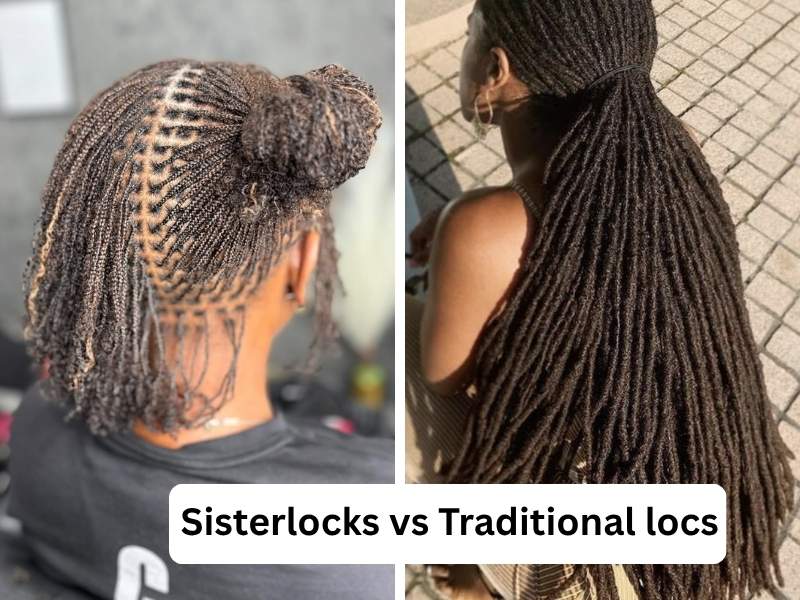
The most noticeable difference, but not the only difference is the size. While Sisterlocks are known for their tiny, uniform appearance and styling versatility, traditional locs offer greater freedom in size, shape, and installation methods.
However, the difference goes beyond appearance. Your choice can affect your installation experience, maintenance routine, budget, and the hairstyles you can achieve as your locs mature.
Worried about your next appointment? Check out our guide on How to Do a Deep Cleanse for Locs: A Step-by-Step Guide for a simple yet effective routine.
If you are considering starting your loc journey, understanding the differences between Sisterlocks and traditional locs can help you make a decision that suits your hair goals and lifestyle.
In this guide, we will compare Sisterlocks vs traditional locs, explore their advantages and disadvantages, and explain how to choose the option that works best for you.
What Are Sisterlocks?
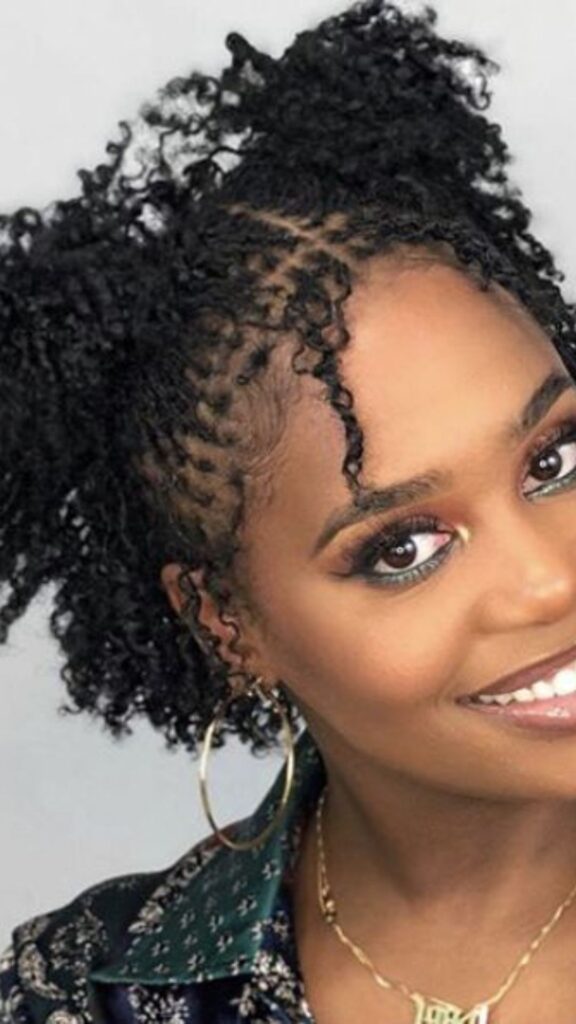
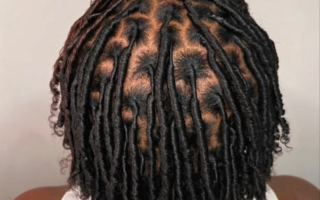
Sisterlocks are a specialized form of very small locs created using a specific installation technique and grid pattern. The system was developed to help people wear their natural hair in small, lightweight locs that offer considerable styling flexibility.
Unlike traditional locs, Sisterlocks are installed by trained Sisterlocks consultants who follow the established method. The process involves carefully sectioning the hair and using a specialized technique to create individual locks.
The installation package usually includes a consultation, the locking session, and a follow-up retightening appointment. The consultation allows the consultant to examine your hair, discuss your preferences, and assess sample locks before the full installation.
Thinking about starting your loc journey with a short hair? Before committing, check out our complete guide on How to Start Sisterlocks on Short Hair: A Beginner’s Guide
Sisterlocks are particularly appealing to people who want small, natural-looking locs. Many people opt for Sisterlocks because of the lightweight feel, the versatility, and the uniform appearance.
If you’re someone who wants the flexibility to style your hair in various ways, Sisterlocks might be the right choice for you.
What Are Traditional Locs?
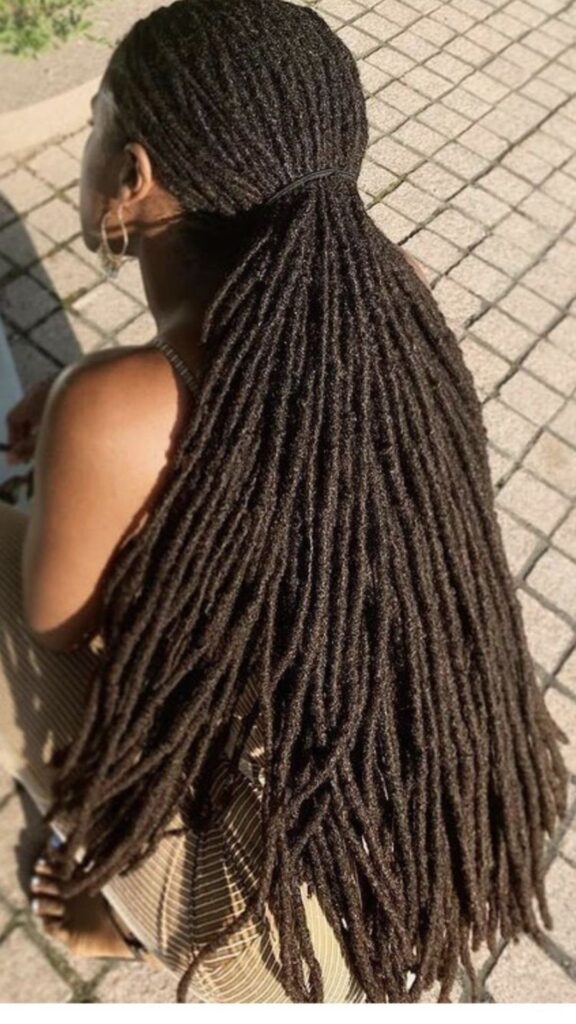
Traditional locs are a natural hairstyle formed when hair strands intertwine and gradually develop into individual locks. The traditional locks method has a rich history dating centuries back to the Rastafarian culture.
Unlike Sisterlocks, if you want a larger, more classic loc look with a faster start and a lower upfront cost, traditional locs often win. They can be created using different starter methods, including comb coils, two-strand twists, braids, and interlocking.
For actionable advice on keeping your crown healthy and voluminous, check out our article on Thick Locs: 9 Tips for Fuller, Healthier-Looking Locs
Traditional locs do not follow one standardized installation system. Their size, parting pattern, and overall appearance depend on your preferences, hair characteristics, and the method used by your loctician.
Traditional locs can range from small, pencil-sized locks to thick, chunky locs. Some people prefer neat, uniform sections, while others enjoy a more organic appearance.
Traditional locs are suitable for people who want to personalize their hairstyle and choose a size and maintenance routine that fit their needs.
Sisterlocks vs Traditional Locs: Key Differences
Although both styles involve locking natural hair, they differ in several important ways.
1. Size and Appearance
One of the most noticeable differences between Sisterlocks and traditional locs is their size.
Sisterlocks are very small and generally follow a consistent parting pattern. Their fine structure creates a lightweight appearance and allows the hair to move more freely than many larger loc styles.
Traditional locs are available in a wider range of sizes. You can choose small, medium, or thick locs depending on the look you want.
Choose Sisterlocks if: You prefer tiny, uniform locs with a lightweight appearance.
Choose traditional locs if: You want more control over your loc size, thickness, and overall look.
2. Installation Process
Sisterlocks require a specialized installation technique performed by a a certified Sisterlock consultant who has undergone extensive training in sectioning and the grid system.
Because the locks are small and the parting pattern is precise, the process can take many hours sometimes even 1-2 days, depending on the length and density of your hair. and may be divided into multiple sessions.
Traditional locs can be started using several methods. Comb coils and two-strand twists are popular options, while interlocking is another choice for people who prefer that technique.
The installation time depends on your hair length, density, desired loc size, and chosen method.
Sisterlocks require someone familiar with the interlocking method, whereas traditional locs offer more flexibility in choosing a stylist or learning an appropriate maintenance technique.
3. Maintenance Requirements
Sisterlocks vs traditional, both locs require regular maintenance to keep them neat and healthy. However, the maintenance techniques and scheduling can differ.
Sisterlocks are typically maintained through a process called retightening, which involves carefully tightening new growth using the appropriate technique.
You are required to schedule early retightening visits at approximately four- to six-week intervals, with the schedule adjusted as the locs mature and the consultant assesses your hair.
If you decide to switch to another maintenance method, such as retwisting, your Sisterlocks will no longer be considered authentic Sisterlocks and will begin to look like traditional locs.
Traditional locs may be maintained through palm rolling, interlocking, or other methods appropriate for the loc structure. Some people visit a loctician regularly, while others learn to maintain their own hair.
Neither style is maintenance-free. Your hair texture, growth rate, scalp condition, and chosen technique influence how often your locs need attention.
4. Cost of Installation
Cost is another important factor when comparing Sisterlocks vs traditional locs.
Sisterlocks can require a higher initial investment because the installation involves detailed sectioning, a specialized technique, and many hours of work.
Follow-up appointments and ongoing retightening also need to be included in your budget.
Traditional locs may be less expensive to install, particularly when you choose a simpler starter method. However, the final price depends on your location, hair length, density, stylist’s experience, and desired loc size.
Remember to consider long-term expenses rather than comparing installation prices alone. Ask your prospective stylist for a quote that includes the expected maintenance schedule and fees.
5. Styling Versatility
Sisterlocks are popular for their styling versatility. Their small size makes it easier to create different looks, including ponytails, buns, curls, braids, and elegant updos, depending on your hair length and the maturity of your locs.
Traditional locs can also be styled in numerous ways. You can wear them loose, create buns, try loc updos, or accessorize them with suitable beads and cuffs.
However, styling possibilities depend on loc thickness, length, flexibility, and the tension created by a particular hairstyle.
If you enjoy changing your hairstyle frequently, Sisterlocks may appeal to you because of their small size. If you prefer thicker locs or bold, statement-making styles, traditional locs may be a better fit.
6. Hair Length and Texture
Both Sisterlocks and traditional locs can work with different hair textures, but suitability should be assessed individually.
Sisterlocks consultant should examine your hair’s texture, density, condition, and ability to hold the locking pattern before installation. A consultation helps determine whether your hair is suitable for the system.
Ready to elevate your look with something uniquely textured and stunning? Whether you’re in your starter phase or looking for fresh inspiration, explore our 10 Two Strand Twist Loc Styles That Are Too Beautiful To Ignore for gorgeous ideas to try on your next wash day or salon visit.
Traditional locs also work across a range of hair types, although the most suitable starting method may vary. For example, comb coils, two-strand twists, and interlocking behave differently during the early stages of the loc journey.
If you have short hair, relaxed hair, fragile strands, or a history of breakage, consult an experienced professional before deciding which method to use.
7. Commitment and Long-Term Flexibility
Both Sisterlocks and traditional locs are long-term hairstyles that require patience and consistent care.
Sisterlocks follow a defined installation and maintenance system. If you choose this option, you should understand the technique and ongoing maintenance expectations before beginning.
Traditional locs offer more freedom in how they are started, sized, and maintained. However, changing the size or structure of established locs may still require significant effort.
As your locs mature, they undergo a transformation where they become solid, and settled in weight. If you are wondering what full maturity looks like, check out our guide on What Do Mature Locs Look Like? 11 Signs Your Locs Are Fully Mature
Before making your decision, think about the style you want several years from now, not just how you want your hair to look immediately after installation.
Pros and Cons of Sisterlocks
Advantages of Sisterlocks
- Small, lightweight locs: Their fine size can provide a natural-looking finish.
- Styling versatility: They can accommodate a variety of hairstyles as they grow.
- Consistent appearance: The specialized installation creates a planned parting pattern.
- Natural hair expression: They allow you to wear your natural hair without relying on extensions for the basic style.
Disadvantages of Sisterlocks
- Higher initial cost: Installation can be expensive because of the time and precision required.
- Long installation sessions: Creating many small locks may take several hours or multiple appointments.
- Ongoing maintenance: Regular retightening is necessary.
- Specialized professional support: You need a consultant trained in the Sisterlocks system, particularly for installation and early maintenance.
Pros and Cons of Traditional Locs
Advantages of Traditional Locs
- Flexible sizing: You can choose the thickness and general appearance you prefer.
- Multiple installation methods: Options include comb coils, twists, braids, and interlocking.
- Personalized maintenance: You can work with a loctician to establish a suitable routine.
- A wide range of styles: Traditional locs can look neat, chunky, textured, or organic, depending on how they are created and maintained.
Disadvantages of Traditional Locs
- Starter-stage challenges: Some methods may unravel, shrink, or require patience as the hair begins to lock.
- Maintenance still matters: Retwisting or interlocking too frequently or too tightly can damage the hair.
- Changing your preferred size can be difficult: Established locs may require substantial work to alter.
- Styling depends on thickness: Some intricate styles may be easier with smaller locs than with thicker ones.
How to Choose Between Sisterlocks and Traditional Locs
Now that you understand the differences, consider these factors before making your final decision.
1. Identify Your Preferred Look
Start by deciding how you want your locs to look. If you love tiny, uniform locs and a lightweight finish, Sisterlocks may be the right option.
If you prefer thicker locs, customized parting, or a more textured appearance, traditional locs may suit your taste better.
Save pictures of hairstyles you like and discuss them with your consultant or loctician before installation.
For helpful tips on keeping your hair fresh, read our guide on How to Do a Deep Cleanse for Locs: A Step-by-Step Guide
2. Consider Your Budget
Think about both installation and ongoing maintenance expenses. Sisterlocks may require a larger initial investment, while traditional locs can offer more choices in how you begin your journey.
However, costs vary considerably by location and stylist. Get a detailed quote before making a commitment.
3. Evaluate Your Lifestyle
Consider how much time you can dedicate to maintaining your hair. Both styles need care, but their maintenance methods and appointment schedules differ.
If you travel frequently, exercise often, or swim regularly, discuss your routine with your stylist so they can recommend an appropriate installation and maintenance plan.
4. Consult an Experienced Professional
A professional consultation can help you determine whether your hair is suitable for your preferred style. Ask about the installation process, expected maintenance, possible challenges, and how your locs may change as they mature.
For Sisterlocks, look for a consultant trained in the official system. For traditional locs, choose an experienced loctician who understands your preferred method and hair needs.
5. Think About Long-Term Hair Health
Your chosen style should not come at the expense of your scalp or hairline. Avoid excessive tension, overly tight styling, and maintenance techniques that cause discomfort.
The American Academy of Dermatology warns that locs and other hairstyles that pull repeatedly on the scalp can contribute to traction alopecia. It recommends reducing tension and seeking medical advice if you notice hairline thinning or other signs of hair loss.
Which Is Better: Sisterlocks vs Traditional Locs
There is no single winner in the Sisterlocks vs traditional locs comparison. The best choice depends on your styling preferences, budget, maintenance expectations, and long-term goals.
Sisterlocks may be ideal if you want very small, uniform locs and are comfortable with the specialized installation process and regular retightening.
Traditional locs may be better if you prefer greater freedom in loc size, installation technique, and the way your locs are shaped.
Both options can be beautiful when installed appropriately and maintained with care. Take time to research your options, consult a qualified professional, and choose a style that fits your everyday life.
Whether you have a fresh set of starter locs or a mature crown, finding the right look for your special day is essential. Explore creative and elegant ways to style your hair in our guide on Wedding Hairstyles for Locs: How to Choose a Style That Works With Your Loc Length
FAQs
1. Are Sisterlocks better than traditional locs?
Sisterlocks are not necessarily better than traditional locs. They offer smaller, more uniform locks and a specialized maintenance system, while traditional locs provide more flexibility in size and installation methods. Your preferences, budget, and lifestyle should guide your decision.
2. Do Sisterlocks require more maintenance than traditional locs?
Sisterlocks require regular retightening, often beginning at four- to six-week intervals. Traditional locs also need maintenance, but the method and frequency vary. The amount of work involved depends on your loc size, hair growth, technique, and maintenance routine.
3. Can you switch from traditional locs to Sisterlocks?
Switching from established traditional locs to Sisterlocks is not usually a straightforward process. Depending on the condition and size of your existing locs, you may need to remove them and begin again with natural hair. Consult a trained Sisterlocks professional to discuss your options.
4. Which is more expensive: Sisterlocks or traditional locs?
Sisterlocks often have a higher initial installation cost because the process is detailed and time-consuming. Traditional locs may cost less to start, but prices vary based on location, hair length, density, and maintenance needs. Compare the total long-term cost before deciding.
5. Can both Sisterlocks and traditional locs grow long?
Yes. Both Sisterlocks and traditional locs can grow long when your hair and scalp are healthy and your maintenance routine supports length retention. Avoid excessive tension, unnecessary manipulation, and practices that cause breakage.
Choose your Style
Choosing between Sisterlocks and traditional locs is a personal decision that should reflect your hair goals, lifestyle, and budget. Sisterlocks offer a distinctive small-loc appearance and styling flexibility, while traditional locs provide freedom in size, installation, and overall design.
Before making your choice, consider the cost, maintenance commitment, and look you want to achieve. With the right professional guidance and consistent care, either option can become a beautiful part of your natural hair journey.
Don’t be swayed by trends, choose the most appropriate using our guide, have fun exploring your options.