How to Sleep With Locs Without Damaging Them or Causing Frizz
Learning how to sleep with locs is an important part of maintaining healthy, beautiful, and well-groomed hair. Whether you have starter locs, mature locs, sisterlocks, microlocs, or thick traditional locs, your nighttime routine can make a significant difference in how your hair looks and feels in the morning. A good sleeping routine helps protect your locs from unnecessary friction, excessive frizz, lint buildup, and dryness.
Many people focus on washing, moisturizing, and retwisting their locs during the day. However, what happens while you sleep also matters. Your hair rubs against your pillow, moves beneath your head, and sometimes becomes trapped under your shoulders. Over time, these small movements can contribute to frizz, tangling, lint accumulation, and breakage, especially when your hair is delicate.
Understanding how to sleep with locs does not mean spending hours preparing your hair every night. In fact, the best routine is usually simple, comfortable, and easy to maintain. With a satin bonnet, a silk or satin pillowcase, and a few healthy habits, you can protect your locs without making bedtime complicated.
This guide explains how to sleep with locs safely, reduce frizz, preserve your hairstyle, and support healthy hair growth. You will also discover common nighttime mistakes to avoid and practical solutions for different stages of your loc journey.
Understand Why Nighttime Loc Care Matters
Before learning how to sleep with locs, it helps to understand why nighttime protection is necessary.
During sleep, your head moves against your pillowcase. Cotton pillowcases can absorb moisture from your hair and create friction as you turn from one side to another. This friction may contribute to dryness, frizz, and lint accumulation.
Starter locs require particular care because they are still developing their structure. Excessive rubbing, pulling, or manipulation can loosen the hair and cause some locs to unravel. Mature locs are generally more established, but they still benefit from protection against friction and unnecessary tension.
Learning how to sleep with locs also helps you maintain your preferred hairstyle for longer. If you have recently styled your locs, a protective nighttime routine can help preserve their appearance.
Healthy loc care begins with consistency. You do not need an expensive collection of products. Instead, focus on reducing friction, protecting your hair from debris, and keeping your scalp comfortable.
Wear a Satin or Silk Bonnet

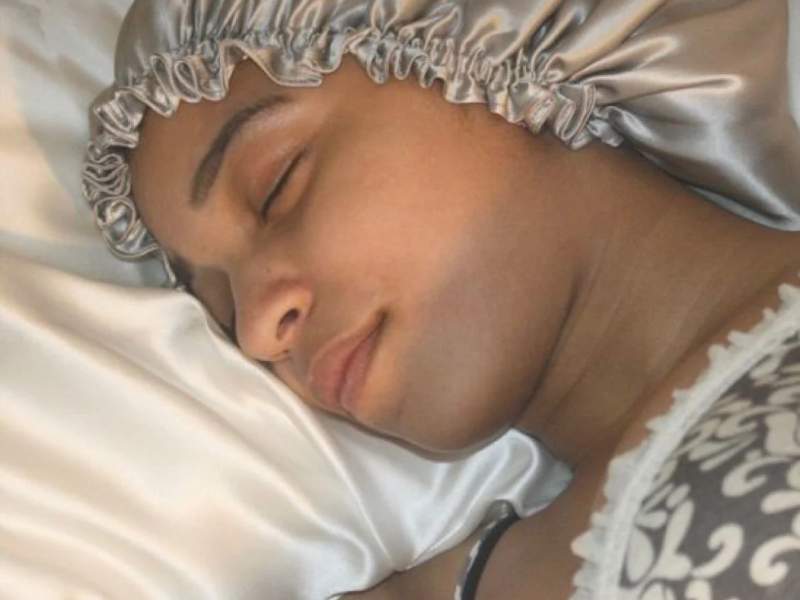
One of the easiest ways to learn how to sleep with locs is to make a satin or silk bonnet part of your nighttime routine.
A bonnet creates a protective barrier between your locs and your pillow. Its smooth surface reduces friction and helps keep your hair contained while you sleep. This is especially useful if you move around frequently during the night.
Choose a bonnet that comfortably accommodates the length and thickness of your locs. Your hair should fit inside without being squeezed tightly or folded into an uncomfortable position.
A bonnet with a secure but gentle band is usually a practical choice. If the band leaves marks on your forehead or causes discomfort, consider a different design.
For people with long locs, an extra-large bonnet can provide more room and prevent excessive bending. Shorter locs may fit comfortably inside a smaller style.
When practicing how to sleep with locs, remember that tightness is not the goal. Your bonnet should stay in place without pulling your hairline or creating tension around your scalp.
Wash your bonnet regularly to remove sweat, oils, and product residue. A clean bonnet helps prevent unwanted buildup from transferring back onto your hair.
Choose a Silk or Satin Pillowcase
Sometimes, a bonnet slips off during sleep. That is why choosing the right pillowcase is another useful part of how to sleep with locs.
Silk and satin pillowcases generally have smoother surfaces than ordinary cotton pillowcases. This helps reduce friction when your head moves across the pillow.
A satin pillowcase is often an affordable option for people who want additional protection without purchasing expensive bedding. Silk is another option, although its price and care requirements may be different.
You do not necessarily need to replace all your bedding. Simply changing your pillowcase can make your nighttime routine more protective.
Keep your pillowcase clean, especially if you use scalp oils, moisturizers, or styling products. Regular washing helps remove accumulated residue and keeps your sleeping environment fresh.
If you prefer sleeping without a bonnet, a smooth pillowcase can provide some protection. However, it may not keep your locs contained as effectively as a properly fitted covering.
For the best results, combine a satin bonnet with a satin pillowcase. This gives your locs an additional layer of protection if the bonnet moves during the night.
Protect Starter Locs Carefully
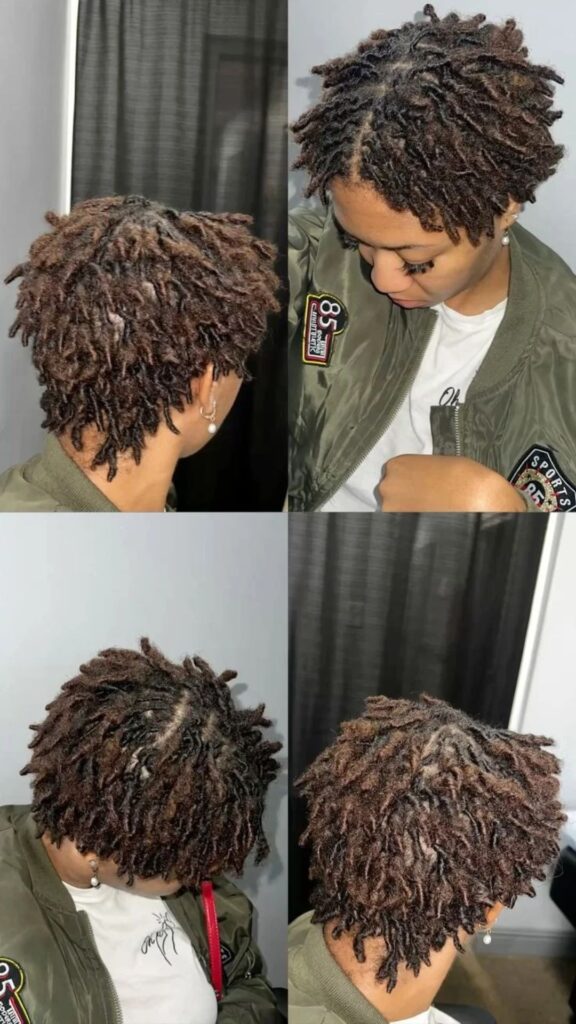
Starter locs need special attention because they have not fully matured. During this stage, your hair is gradually developing the structure that will eventually form established locs.
If you are learning how to sleep with locs for the first time, avoid unnecessary manipulation before bed. Constantly twisting, separating, or rearranging your starter locs can interfere with their development.
Use a lightweight satin bonnet that allows your hair to rest naturally. Avoid tying your locs tightly or forcing them into styles that pull on the roots.
If your starter locs are short, you may not need to arrange them at all. Simply place your bonnet over your head and ensure that the hair is comfortably covered.
Be gentle when removing your bonnet in the morning. Pulling it off quickly can disturb delicate locs, particularly if your hair has become caught in the fabric.
It is also important to understand that some frizz is normal during the locking process. Your hair is changing naturally, and every strand does not need to remain perfectly smooth.
Knowing how to sleep with locs means protecting your hair without trying to control every stage of its development.
Avoid Sleeping With Wet Locs
Going to bed with soaking-wet locs is a habit worth avoiding whenever possible.
Locs can retain water for a long time because their structure makes drying more difficult than drying loose hair. When damp locs remain pressed against your scalp or pillow for hours, they may develop unpleasant odors or create an environment where mildew becomes a concern.
For this reason, how to sleep with locs includes planning your washing routine carefully.
If possible, wash your hair early enough to allow your locs to dry thoroughly before bedtime. Gently squeeze out excess water with a clean towel rather than rubbing your hair aggressively.
You can also allow your locs to air-dry in a well-ventilated space. If you use a hair dryer, follow suitable heat precautions and ensure that the inner portions of your locs are not left damp.
Do not assume that dry-looking surfaces mean your locs are completely dry. Thick locs may hold moisture inside even when the outside feels dry.
If you must wash your hair later in the day, allow additional drying time before covering it for sleep.
A breathable sleeping environment and properly dried hair help support a clean, comfortable scalp.
Keep Your Locs Moisturized Without Overdoing It
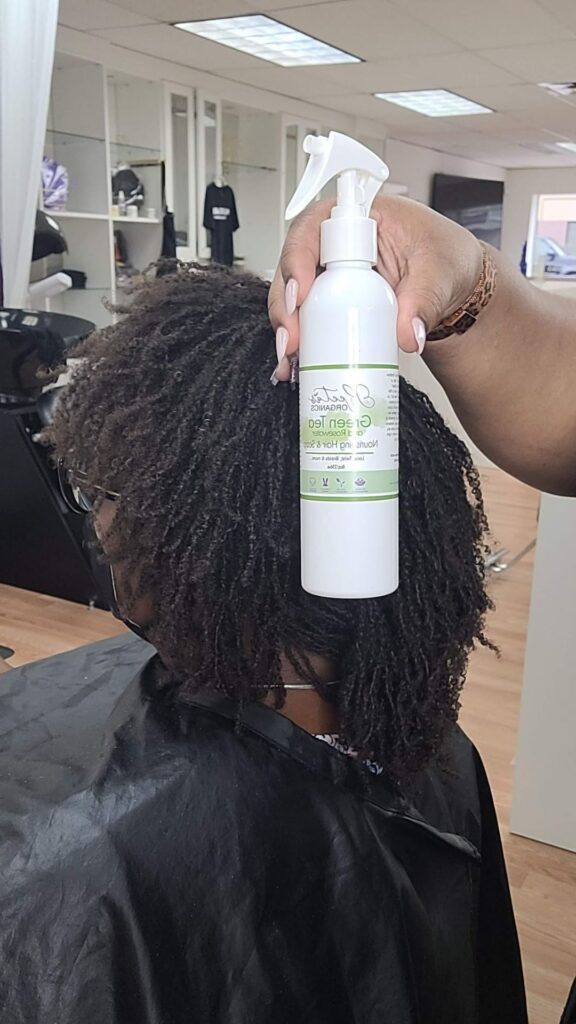
Moisture is important for healthy hair, but applying too many products before bedtime can create problems.
When considering how to sleep with locs, remember that excessive product use may leave residue inside your locs. Heavy oils, thick creams, and sticky styling products can accumulate over time, especially when applied repeatedly without proper cleansing.
Instead, focus on keeping your scalp and hair comfortable. If your hair feels dry, use a suitable lightweight moisturizer or a small amount of water-based product when appropriate for your hair-care routine.
Avoid soaking your locs immediately before bed. Excess moisture can make drying more difficult and may transfer onto your pillowcase.
Your scalp also deserves attention. If it feels dry, choose a gentle product that suits your needs rather than applying large amounts of oil every night.
Different people have different hair textures, scalp conditions, and product preferences. What works for someone else may not work equally well for you.
The goal of how to sleep with locs is to maintain a healthy balance. Your hair should feel comfortable without becoming greasy, sticky, or overloaded with products.
Read our giudes on
10 Things You Should Never Do to Your Locs for Healthy Growth
Signs Your Locs Are Locking Properly and When to Worry
How to Moisturize and Maintain Your Locs Without Causing Dryness or Buildup
Find a Comfortable Sleeping Position
Your sleeping position can affect how much pressure and friction your locs experience overnight.
If you have long locs, sleeping directly on them may cause discomfort or leave your hair flattened in certain areas. Your locs may also become trapped beneath your neck, shoulders, or back.
Learning how to sleep with locs comfortably begins with arranging your hair so that it does not pull against your scalp.
If your locs are long, gently move them away from areas where your body will rest. You might allow them to lie above your pillow or position them loosely beside your head.
Avoid forcing long locs into a tight bun simply to keep them out of the way. Tight hairstyles can place unnecessary stress on your roots and hairline.
Side sleepers may find that a satin pillowcase makes turning more comfortable. Back sleepers can also benefit from arranging their locs so they are not compressed beneath the head.
There is no single sleeping position that works for everyone. Choose a position that feels natural while reducing unnecessary pressure on your hair.
Comfort matters because a nighttime routine is easier to maintain when it does not interfere with restful sleep.
Avoid Tight Hairstyles Before Bed
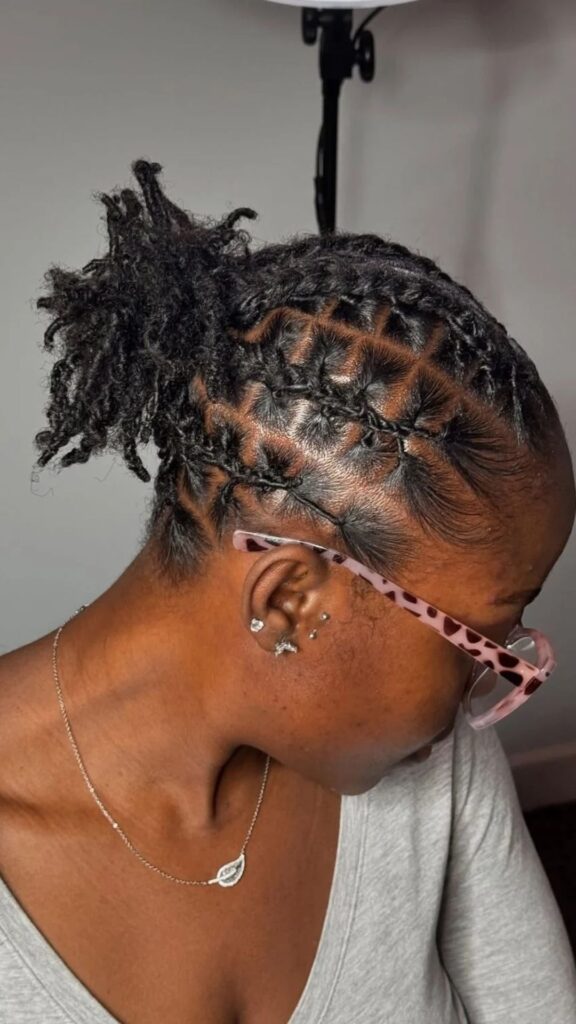
Tying your locs too tightly before sleeping can create unnecessary tension.
Although certain hairstyles may keep your hair organized, tight ponytails, buns, and high updos can pull on the roots. Repeated tension may contribute to thinning around the hairline or discomfort in sensitive areas.
When learning how to sleep with locs, prioritize loose, gentle arrangements over restrictive styles.
If your locs are long, you can loosely gather them to keep them away from your face. However, avoid tight elastic bands that snag the hair or compress the locs.
Soft hair ties made from suitable materials may be helpful when you need to secure your hair temporarily. Make sure the arrangement does not pull when you move your head.
You can also leave your locs down if they fit comfortably inside your bonnet.
Remember that protective styling should protect your hair rather than create another source of damage.
A simple, loose arrangement is often more effective than an elaborate hairstyle that places constant pressure on your scalp.
Reduce Frizz Without Fighting Your Locs
Frizz is a common concern for people with locs, but it is important to understand that some frizz is completely normal.
Hair naturally moves and changes as locs mature. New growth, loose hairs, humidity, and everyday movement can all influence their appearance.
How to sleep with locs without causing frizz involves reducing unnecessary friction rather than expecting every strand to remain perfectly smooth.
Wear a satin bonnet consistently, use a smooth pillowcase, and avoid rubbing your hair against rough fabrics.
Do not repeatedly retwist your locs simply because you notice a few loose hairs in the morning. Excessive retwisting can place stress on your roots and may contribute to thinning over time.
Instead, follow a maintenance schedule appropriate for your loc type and the advice of a knowledgeable loctician.
If your locs look slightly different after sleeping, gently arrange them with your hands. Avoid pulling or twisting them aggressively.
Your hair does not need to look freshly styled every morning to be healthy.
The aim is to maintain neatness while allowing your locs to develop naturally.
Keep Lint Away From Your Locs
Lint can become trapped in locs, particularly when hair regularly comes into contact with towels, blankets, clothing, and pillowcases.
Once lint becomes embedded in a loc, removing it can be difficult without disturbing the hair.
An important part of how to sleep with locs is choosing bedding that does not shed excessive fibers.
Wash your pillowcases and bedding regularly. If your blankets release noticeable lint, consider using smoother fabrics or keeping them away from your hair.
Dry your hair with a clean towel that does not leave fibers behind. Some people prefer a microfiber towel designed for hair because it can reduce friction when used gently.
Avoid sleeping with your locs rubbing directly against fuzzy blankets or textured fabrics.
If you notice lint in your locs, resist the urge to dig aggressively with sharp objects. This can damage the hair or weaken the loc structure.
Prevention is usually easier than removal, so maintaining a clean sleeping environment is worthwhile.
Create a Simple Nighttime Routine
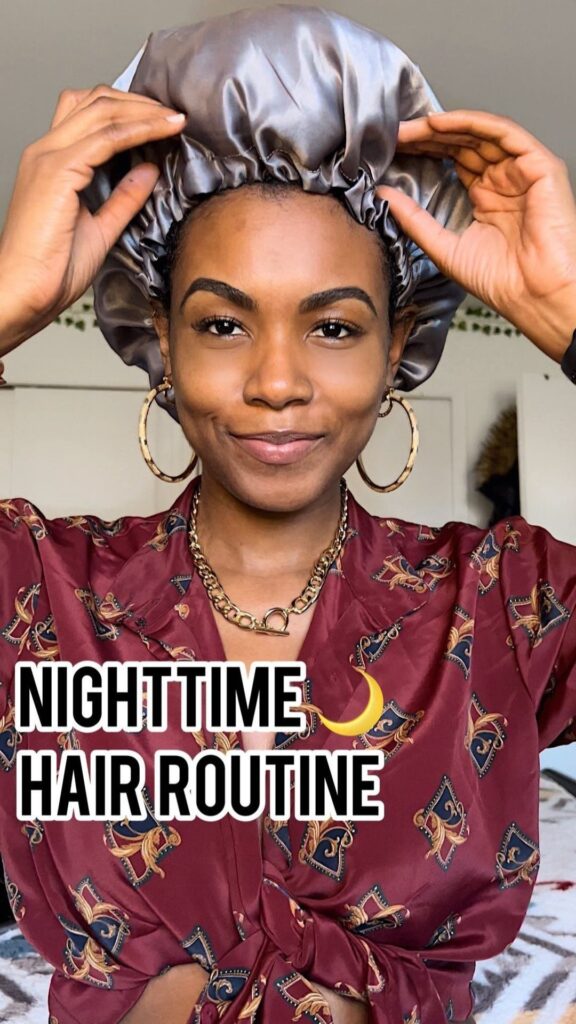
You do not need a complicated routine to protect your locs.
In fact, the best approach to how to sleep with locs is one that you can follow consistently without sacrificing comfort.
Start by checking that your scalp feels comfortable and that your locs are dry. If your hair needs gentle moisturizing, use an appropriate amount rather than applying multiple heavy products.
Next, arrange long locs loosely so they are not trapped beneath your body. Put on a clean satin bonnet or another suitable protective covering.
Check that the bonnet is secure without being tight. If you prefer additional protection, use a satin pillowcase.
Finally, allow your hair to rest. You do not need to separate every loc, retwist loose hairs, or inspect your entire hairstyle before sleeping.
A practical routine might take only a few minutes.
Consistency is more valuable than perfection. Following a simple routine most nights can help reduce friction and protect your hair over time.
Adjust Your Routine to Your Loc Type
Different loc types may require slightly different nighttime care.
Starter locs benefit from gentle handling because their structure is still developing. A secure bonnet and minimal manipulation can help protect them while they mature.
Traditional locs may be thicker and heavier, so choosing a bonnet with enough room is particularly important.
Microlocs and sisterlocks are usually smaller, making it helpful to use a covering that accommodates the hair without squeezing or tangling individual locs.
Long locs may require additional attention because they can become trapped beneath your body while sleeping.
Short locs are often easier to contain, but they still benefit from reduced friction and a clean sleeping environment.
When deciding how to sleep with locs, consider your hair’s length, thickness, maturity, and personal comfort.
If you have recently undergone a retwist or another maintenance service, follow your loctician’s recommendations. Avoid excessive pulling or manipulation that could disturb the roots.
Your routine should support the needs of your hair rather than follow a rigid rule that may not suit you.
Common Nighttime Mistakes to Avoid
Several habits can undermine your efforts to maintain healthy locs.
First, avoid sleeping with wet locs whenever possible. Allowing them to dry thoroughly helps reduce moisture-related problems.
Second, do not use a bonnet that is too tight. Excessive pressure around your hairline can cause discomfort and contribute to tension.
Third, avoid applying heavy products every night without considering buildup. Too much residue can affect how your locs look and feel.
Fourth, do not ignore your pillowcase. Dirty bedding can transfer oils, sweat, and lint onto your hair.
Fifth, avoid constantly retwisting your locs to eliminate every sign of frizz. Some frizz is natural, and frequent manipulation may weaken your hair.
Finally, do not force your hair into uncomfortable sleeping positions.
Understanding how to sleep with locs means making small, sensible choices that protect your hair without creating unnecessary stress.
What to Do When You Wake Up With Frizzy Locs
Even with a good nighttime routine, you may occasionally wake up with flattened or frizzy locs.
Start by removing your bonnet gently. Give your hair a moment to settle before deciding whether it needs attention.
Use clean hands to separate locs that have become pressed together. Be gentle, especially if your hair is still in the starter stage.
If your locs feel dry, consider whether a small amount of suitable moisture is needed. Avoid automatically adding oil or styling products whenever your hair looks untidy.
If your hair is flattened, allow it to fall naturally and make minor adjustments with your hands.
Do not immediately retwist your entire head because of a few stray hairs. Regular maintenance should follow your hair’s needs and your chosen loc method.
Learning how to sleep with locs is not about eliminating every imperfect hair day. It is about reducing avoidable damage and developing healthy habits that make daily maintenance easier.
With time, you will learn what your locs need and how to respond without overhandling them.
Frequently Asked Questions
- What is the best way to sleep with locs?
The best way to sleep with locs is to wear a comfortable satin or silk bonnet and use a smooth pillowcase. Keep your hair dry before bed, avoid tight hairstyles, and arrange long locs so they are not trapped beneath your body.
- Should I cover my locs every night?
Covering your locs is generally helpful because it reduces friction and limits contact with lint and rough fabrics. A satin bonnet is a practical choice, although a smooth pillowcase can provide additional protection.
- Can sleeping with locs cause frizz?
Yes, friction from pillowcases, bedding, and movement can contribute to frizz. However, some frizz is normal, particularly during the early stages of the locking process. Gentle nighttime protection can help reduce unnecessary friction.
- Can I sleep with wet locs?
It is best to avoid sleeping with soaking-wet locs. Locs can take a long time to dry, and prolonged dampness may contribute to unpleasant odors or mildew. Allow your hair to dry thoroughly before bedtime whenever possible.
- Do starter locs need nighttime protection?
Yes. Starter locs can benefit from a comfortable satin bonnet and gentle handling. Avoid tight hairstyles, excessive manipulation, and unnecessary retwisting while your locs develop.
Final note
learning how to sleep with locs is one of the simplest ways to support healthy hair and maintain a neat appearance. Although daytime care is important, your nighttime habits can also influence dryness, friction, frizz, and lint accumulation.
Fortunately, protecting your locs does not require expensive products or a complicated bedtime routine. A comfortable satin bonnet, a clean pillowcase, properly dried hair, and gentle handling can make a meaningful difference.
Remember to adjust your routine to your loc type, hair length, and personal comfort. Starter locs need gentle treatment, while mature locs still benefit from protection against friction and unnecessary tension.
Most importantly, do not become discouraged by occasional frizz. Locs naturally change as they mature, and healthy hair does not have to look perfectly smooth every morning.
Once you understand how to sleep with locs and develop a routine that suits your needs, nighttime care becomes much easier. Make a few simple habits part of your evening, give your hair room to rest, and enjoy the confidence that comes with caring for your locs consistently.