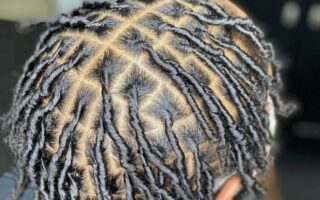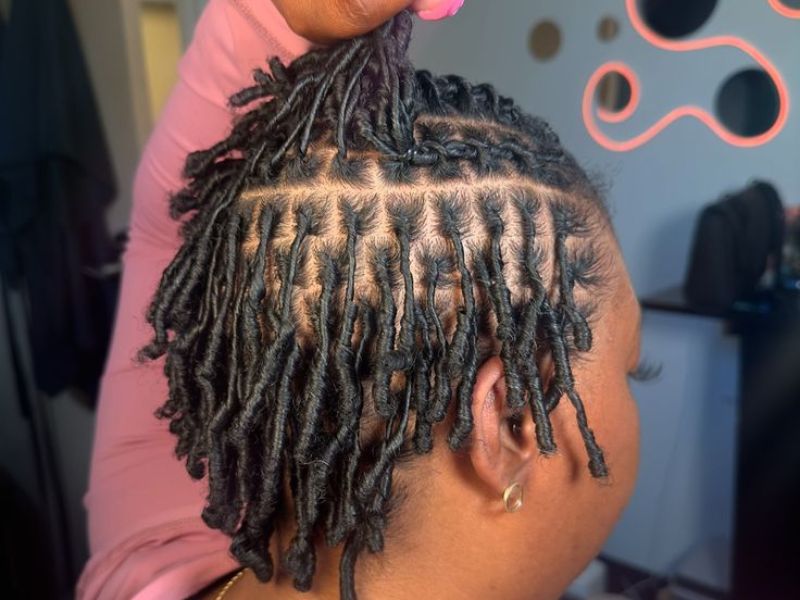
Starting your natural hair journey can be exciting, especially when you imagine the beautiful, mature locs you will eventually have. However, there is a side of the process that many beginners do not fully understand until they experience it themselves. Starter locs require patience, consistent care, realistic expectations, and a willingness to embrace changes in your hair. Although the idea of growing locs sounds simple, the early stages can look and feel very different from the hairstyles you see online.
Perhaps you have been saving pictures of beautiful loc hairstyles, researching different installation methods, or wondering whether locs will suit your lifestyle. You might even be ready to book your first appointment. Before you make that decision, there are several things worth understanding about the journey ahead.
Your hair will change as it begins to lock. Some days, your locs may look neat and defined. On other days, they may appear fuzzy, uneven, or completely different from what you expected. You may also discover that your washing routine needs adjusting, your favourite hairstyles require a different approach, and your maintenance appointments deserve more planning than you initially imagined.
None of these changes automatically means you have made the wrong decision.
The starter stage is simply the beginning of a longer process. Your hair needs time to develop, and your routine will evolve as your locs mature. Understanding what to expect can help you avoid common mistakes, choose a suitable installation method, and enjoy your progress without worrying about every small change.
In this guide, we will explore 15 important things nobody tells you before starting your loc journey. Whether you are still researching your options or have already installed your first set, these insights will help you approach your loc journey with greater confidence.
Bookmark How to Style Starter Locs Without Unraveling or Weakening Them
Starter Locs: 15 Things Nobody Tells You Before Starting Your Loc Journey
1. Starter Locs Will Not Look the Same Every Day
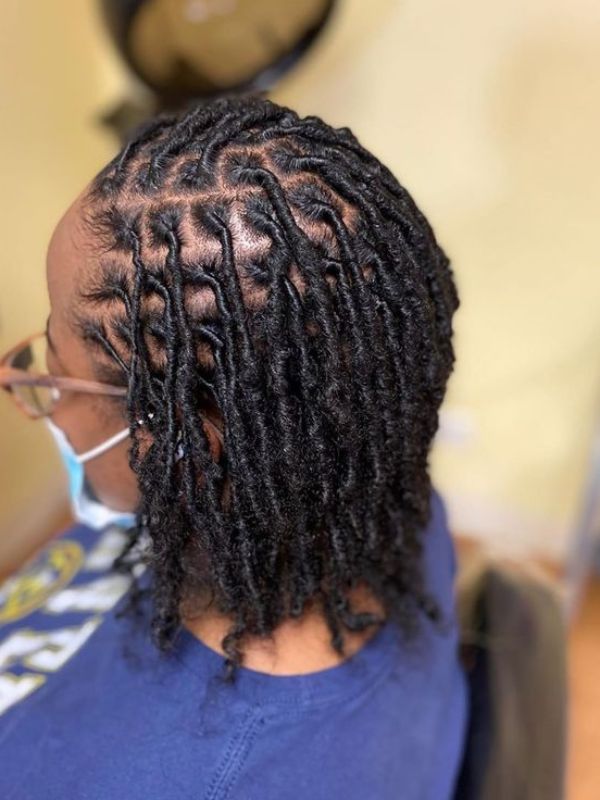
One of the first things to understand about starter locs is that their appearance can change considerably during the early stages. You might leave your loctician’s chair with beautifully defined coils or twists, only to notice that your hair looks puffier a few days later.
This change can be surprising, especially when you expected your hairstyle to maintain the same appearance for several weeks.
However, starter locs are not finished locs. They are the beginning of a process in which your hair gradually develops a more established structure. Depending on your hair texture, installation method, and maintenance routine, the sections may become fuzzy, swell, loosen slightly, or develop uneven textures.
These changes can happen at different times, so your locs may not all look identical.
Why Your Hair Changes During the Early Stage
Your hair is adjusting to its new formation. Individual strands begin to interact, tangle, and settle within their sections as the locking process continues.
Consequently, the smooth appearance you see immediately after installation may not last.
You may also notice that some locs look thicker than others. This can happen because of differences in hair density, section size, curl pattern, and the way individual sections develop.
Instead of trying to correct every difference, observe how your hair changes over time. If you notice persistent thinning, significant unraveling, or other concerns, ask your loctician to examine the affected sections.
What Should You Expect?
Give yourself permission to experience different stages without judging your progress too quickly.
Your hair may look neat one week and less defined the next. That does not automatically mean your locs are failing.
The important thing is to establish a suitable maintenance routine and allow your hair to develop.
If you want to understand the changes your hair may experience, explore Starter Locs on Short Hair: What to Expect and How to Style Them
2. The Starter Stage Requires More Patience Than You Might Expect
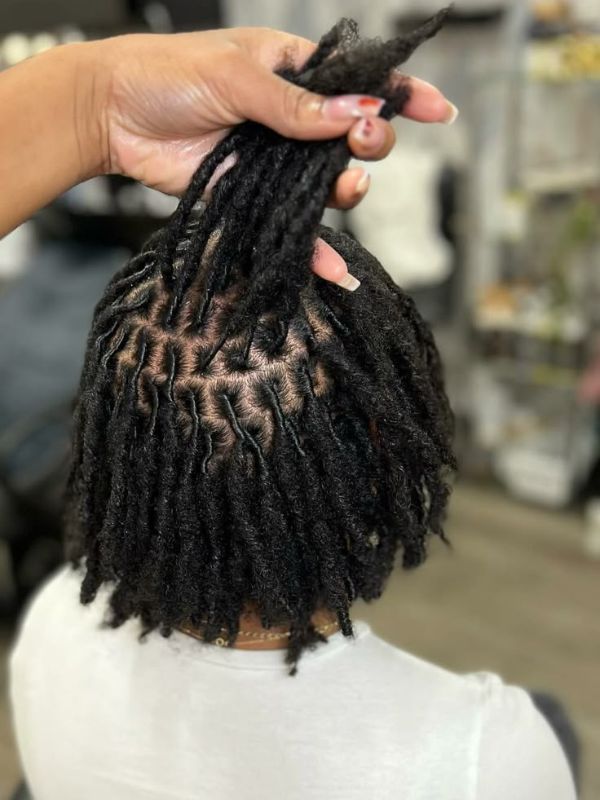
You may have seen photographs of long, mature locs and imagined how beautiful your own hair will look in a few months. However, the journey from freshly installed sections to mature locs takes time.
The exact timeline depends on several factors, including your hair texture, loc size, installation method, and maintenance practices.
Some people notice significant changes within the first few months. Others experience a longer period of puffiness, frizz, and gradual tightening.
Therefore, it is better to avoid setting a strict deadline for when your locs should look mature.
Why You Cannot Rush the Locking Process
Locs develop through the gradual interaction and entanglement of hair strands. Different sections can progress at different rates, even when they were installed during the same appointment.
Your hair also continues growing throughout the journey. New growth appears at the roots, while the existing lengths gradually change in texture and structure.
Although regular maintenance can help manage your locs, it cannot eliminate the time needed for natural development.
Repeatedly twisting, tightening, or manipulating your hair in an attempt to speed up the process can create unnecessary tension.
Instead, focus on habits that support your hair. Keep your scalp clean, follow an appropriate maintenance schedule, and avoid constantly comparing your progress with somebody else’s.
How to Make the Waiting Period Easier
Set realistic expectations before your installation appointment.
You can also take photographs every few weeks to observe gradual changes. This approach may help you appreciate progress that is difficult to notice when you examine your hair every day.
Most importantly, remember that your loc journey does not have to look exactly like someone else’s.
Learn more about the development process in How to Start Sisterlocks on Short Hair: A Beginner’s Guide
3. Choosing the Right Starter Method Matters More Than You Think
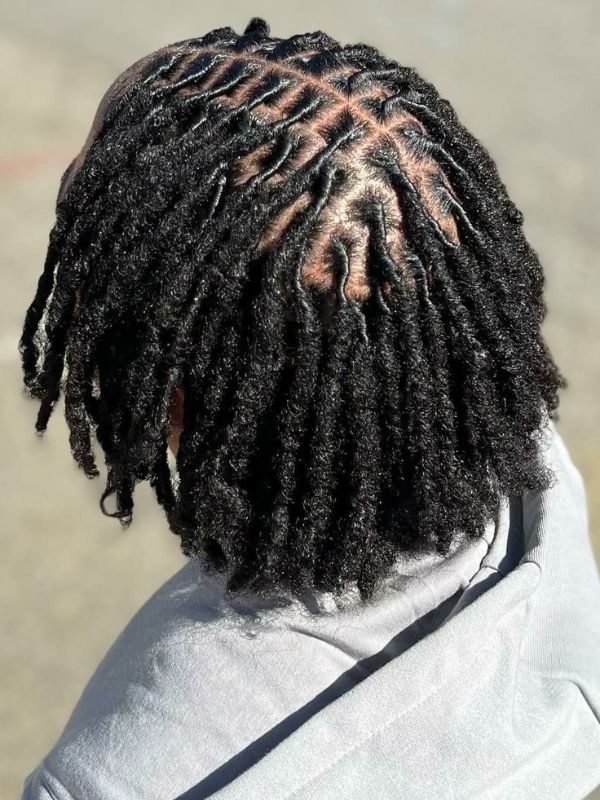
Before starting your loc journey, you will need to decide how you want your hair installed. This decision can influence your initial appearance, maintenance routine, and experience during the early stages.
Common methods include comb coils, two-strand twists, braids, and interlocking. Each method has different characteristics, and no single option is automatically suitable for everyone.
Your hair length, density, texture, lifestyle, and preferred loc size should all influence your decision.
Understanding the Different Starter Methods
Comb coils
Comb coils are created by rotating small sections of hair into individual coils. They can provide a defined appearance immediately after installation.
However, the coils may loosen when disturbed, depending on the hair and maintenance method.
Two-strand twists
This method involves wrapping two sections of hair around each other. The twists create a visible pattern that may remain noticeable as the locs develop.
Some people prefer this method because the initial hairstyle looks more substantial than individual coils.
Braided starter locs
Braided starters begin with small braids. The braid pattern may remain visible during part of the locking process.
This option may suit people who prefer a braided appearance during the early stages.
Interlocking
Interlocking involves passing the end of a loc through its root using a specific technique. It can provide a different maintenance experience from palm-rolled methods, but the technique must be performed correctly to avoid excessive tension or weak areas.
How Should You Choose?
Start by discussing your goals with an experienced loctician.
Explain your preferred loc size, how often you wash your hair, and whether your routine includes frequent exercise or swimming.
Ask about the advantages and limitations of each suitable method. You should also understand the maintenance appointments and techniques your chosen method requires.
Choosing a method based only on photographs may lead to disappointment if it does not fit your hair or lifestyle.
Related reading: Compare the options in What Do Mature Locs Look Like? 11 Signs Your Locs Are Fully Mature
4. Frizz Is Not Automatically a Sign That Something Is Wrong
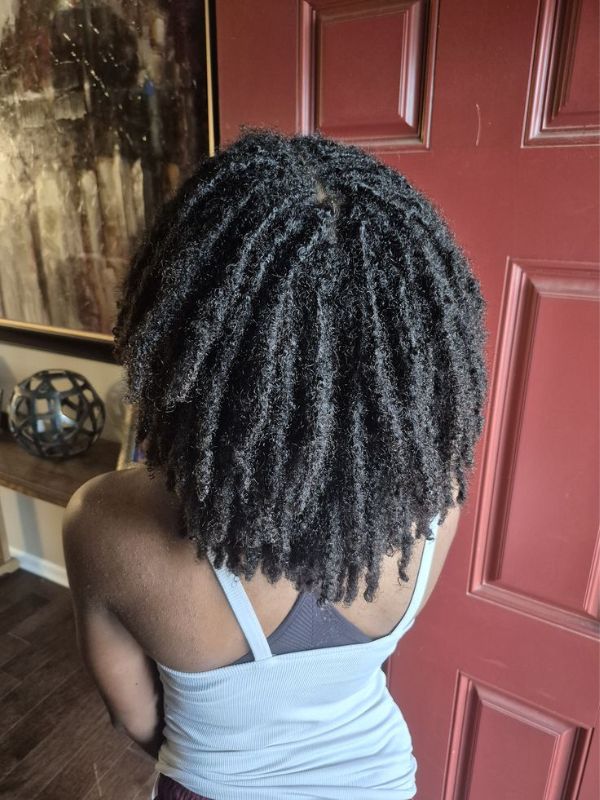
If you prefer smooth, neatly defined hairstyles, the amount of frizz that develops during the starter stage may surprise you.
You might notice loose hairs around your locs, uneven surfaces, or sections that appear less defined than they did immediately after installation.
It is easy to assume that you need another retwist whenever this happens. However, that is not necessarily the case.
Frizz is a common part of the locking process because individual hairs do not remain perfectly aligned as the locs develop.
Understanding Normal Frizz
As your hair grows and the existing sections begin to change, loose strands may appear around the surface.
The amount of frizz varies from person to person. Your hair texture, installation method, washing routine, and everyday manipulation can all influence how your locs look.
Some locs may appear smoother than others, even when they were installed on the same day.
Therefore, you should not expect every section to develop identically.
When Should You Be Concerned?
Frizz alone is usually not a reason to panic.
However, repeated unraveling, persistent scalp discomfort, or unusual thinning deserves closer attention.
If you notice that an entire section is opening or a loc is becoming noticeably thinner near its root, consult your loctician.
Avoid repeatedly twisting individual sections simply to remove surface frizz. Excessive manipulation may create tension without solving the underlying problem.
How Can You Feel More Comfortable With the Process?
Learn to distinguish between ordinary frizz and a genuine maintenance concern.
You can also experiment with gentle hairstyles that work with your hair’s natural texture rather than trying to make every loc look perfectly smooth.
The more you understand your hair, the easier it becomes to recognize which changes are normal and which need professional attention.
For practical advice about maintaining your hair, explore What Really Causes Dandruff with Locs and How to Treat It
5. Your Washing Routine May Need to Change
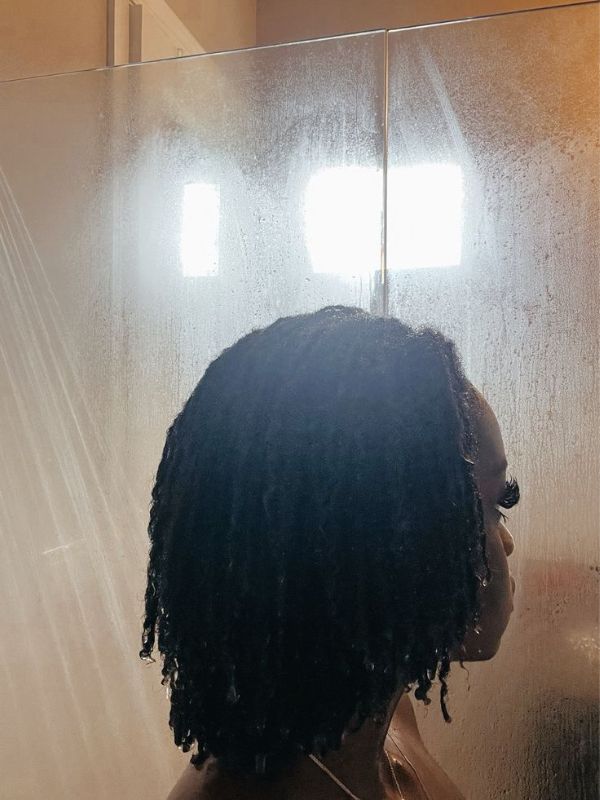
One common concern among beginners is washing. You may worry that water will unravel your starter locs or make them lose their shape.
Although some starter methods are more vulnerable to loosening than others, avoiding scalp cleansing indefinitely is not a good solution.
Your scalp still needs regular care, even when your hair is newly installed.
The right washing schedule depends on your installation method, scalp needs, and loctician’s recommendations.
Why Clean Hair Matters
Your scalp naturally produces oil and sheds skin cells. Sweat, dust, and styling products can also accumulate over time.
If you never cleanse your scalp because you fear disturbing your locs, residue may build up and make your hair uncomfortable.
However, washing carelessly can also create problems. Aggressive rubbing, pulling, or twisting may loosen delicate sections.
The goal is to balance cleanliness with appropriate handling.
How to Approach Washing Starter Locs
First, ask your loctician when and how you should wash your particular installation.
When washing is appropriate, use a suitable shampoo and concentrate on cleansing the scalp without aggressively rubbing the locs.
Rinse thoroughly to remove shampoo residue.
Next, gently squeeze excess water from your hair instead of wringing the locs. Allow them to dry completely.
If your hair is particularly dense or your locs are thick, pay attention to drying time. Hair that remains damp for extended periods may develop an unpleasant smell.
Do not assume that one washing schedule works for everybody. Your scalp, activity level, and installation method may require adjustments.
What If Your Locs Become Loose After Washing?
Some loosening may occur, especially with certain starter methods.
Avoid immediately twisting every section back into place. If several locs unravel or you repeatedly experience the same problem, ask your loctician to review your technique and routine.
For a more detailed maintenance routine, explore Starter Locs on Short Hair: What to Expect and How to Style Them
6. Retwisting Too Frequently Can Create Unnecessary Problems
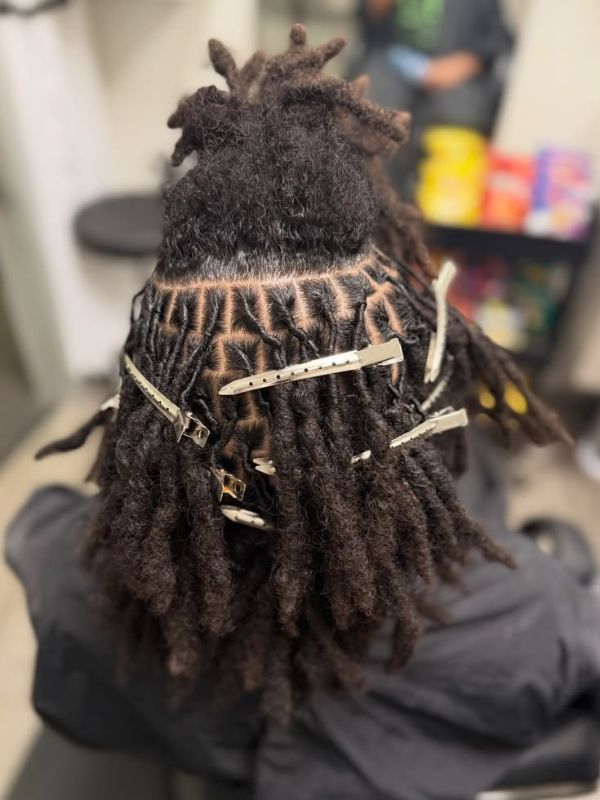
When you first start your loc journey, you may feel tempted to keep your hair looking freshly installed.
You might notice new growth at the roots or see your parts becoming less defined. Naturally, you may want to schedule another retwist immediately.
However, frequent retwisting is not always necessary.
Maintenance should support your locs without creating excessive tension or repeatedly manipulating the same sections.
Why You Should Avoid Chasing Perfect Roots
Your hair continues growing throughout the journey. As new growth appears, the roots naturally become less defined.
This is not automatically a problem that requires immediate correction.
Retwisting too frequently or too tightly may contribute to tension, thinning, and breakage, particularly around vulnerable areas of the scalp.
Your maintenance schedule should therefore account for the condition of your hair rather than being based entirely on appearance.
How Often Should You Retwist?
There is no single schedule that suits every person.
Your installation method, hair texture, scalp needs, and preferred appearance all influence the timing.
Some people require maintenance more frequently than others. Your loctician can help you establish an appropriate schedule and explain how to care for your roots between appointments.
Avoid repeatedly twisting your locs at home simply because they look less neat than they did on installation day.
What Should You Do Between Appointments?
Keep your scalp clean, protect your locs while sleeping, and avoid excessive manipulation.
If you notice significant unraveling or unusual thinning, seek professional advice instead of trying to correct the issue through repeated retwisting.
Remember that healthy maintenance is about supporting your hair, not keeping every root perfectly smooth.
Learn more about everyday styling for medium locs in How to Style Medium Length Locs
7. Starter Locs Can Look Shorter Before They Look Longer
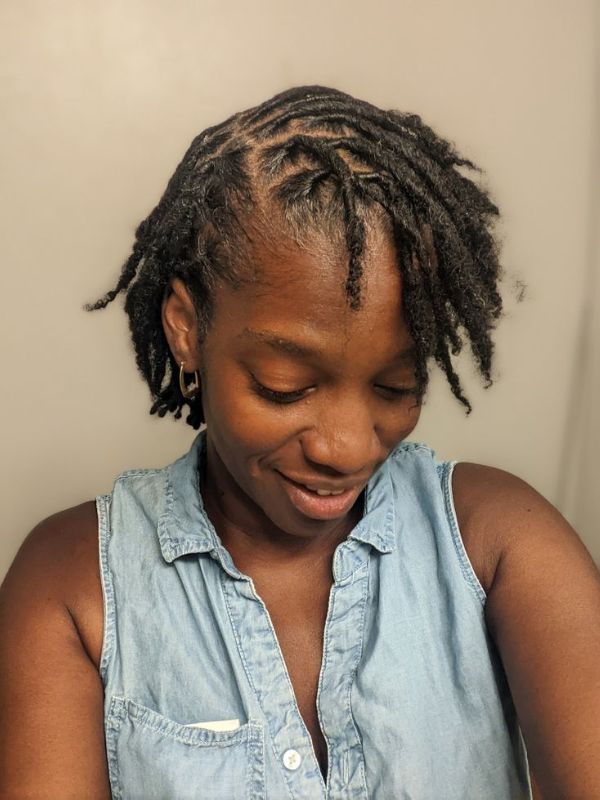
If you are starting your loc journey with stretched natural hair, you may notice that your hair appears shorter after installation.
This can be confusing when you expected your new hairstyle to preserve the length you previously saw.
However, the appearance of your hair can change when it is coiled, twisted, braided, or otherwise arranged into starter locs.
The difference is particularly noticeable if your natural hair has considerable shrinkage.
Understanding Shrinkage and Starter Loc Length
Natural hair can contract when it returns to its natural curl pattern after being stretched.
Consequently, your locs may appear shorter than the hair you saw when it was blow-dried or stretched.
The installation method can also affect how much length is visible.
For example, a compact coil may not hang as far as a stretched section of loose hair.
This does not automatically mean your hair has broken or stopped growing.
What Happens as Your Locs Develop?
Your locs will continue changing as they mature.
Some sections may swell during the early stages, while others may gradually become more compact.
The final appearance depends on several factors, including your hair texture, loc size, and installation method.
Avoid judging your progress by comparing your current locs with photographs of your stretched hair.
Instead, take occasional photographs under similar conditions so you can observe changes more accurately.
Should You Stretch Your Starter Locs to Show More Length?
Avoid using unnecessary tension or heat simply to make your locs appear longer.
If you are concerned about shrinkage or length retention, discuss your options with your loctician.
The aim is to support healthy hair development rather than force your locs into an appearance they have not naturally reached.
Explore How to Choose the Best Parting Pattern for Locs for more information about the changing appearance of locs.
8. Not Every Hairstyle Will Suit Your Starter Locs Immediately
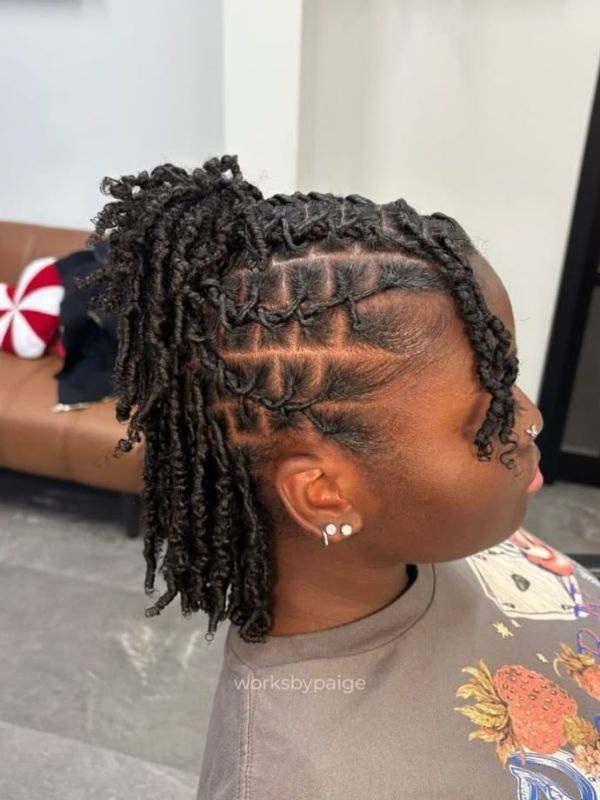
You may have a collection of hairstyle inspiration photographs saved on your phone before you even book your installation appointment.
Perhaps you love high buns, elegant updos, half-up styles, or long loc ponytails.
Although these hairstyles may become possible later, some will not work comfortably with short starter locs.
Trying to recreate them too early can place unnecessary tension on your hair.
Why Your Styling Options May Feel Limited
Starter locs need time to develop, and their length may not support every hairstyle.
If your locs are short, gathering them into a ponytail may require pulling individual sections toward a central point.
That tension can stress the roots and hairline.
Likewise, heavy accessories or extensions may place additional weight on developing locs.
The fact that a style works beautifully on someone else does not automatically mean it is appropriate for your hair.
What Can You Wear Instead?
Simple styles can still look attractive during the early stages.
You can wear your locs naturally, create a gentle side part, or use a soft headband.
A lightweight scarf can also add colour and interest without requiring you to manipulate every section.
As your locs gain length, you can gradually explore more structured hairstyles.
The important thing is to choose looks that work with your current hair rather than stretching it to match an inspiration photograph.
How Can You Make Styling Easier?
Discuss your preferred hairstyles with your loctician.
They can help you understand which options are suitable for your installation method and current length.
Remember that you do not need to create an elaborate style every day. Sometimes, allowing your locs to fall naturally is the simplest option.
Explore Wedding Hairstyles for Locs: How to Choose a Style That Works With Your Loc Length for inspiration you can revisit as your locs develop.
9. The Products You Used on Loose Natural Hair May Not All Suit Your Loc Routine
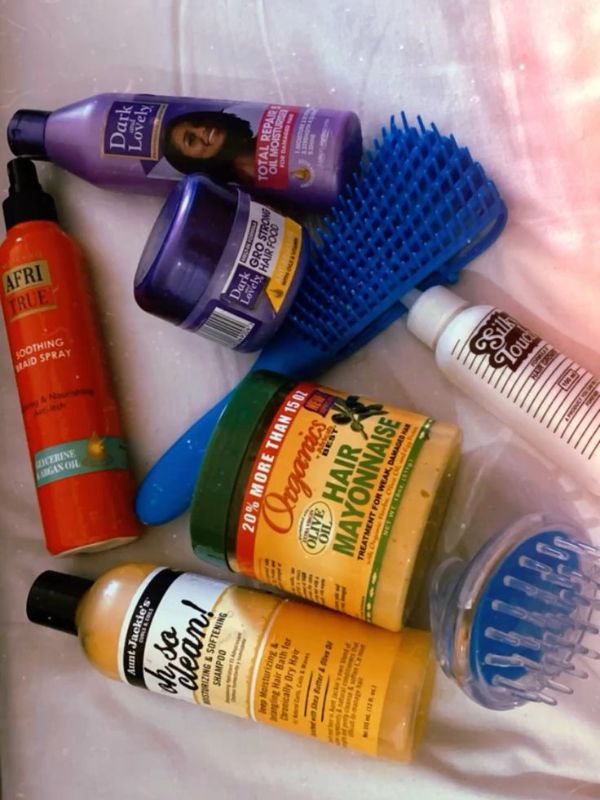
Before starting locs, you may have enjoyed using several creams, oils, butters, gels, and leave-in conditioners.
However, your loc-care routine may need to change after installation.
Products that worked well on loose hair can sometimes leave unwanted residue inside locs, especially when applied heavily or repeatedly.
This does not mean you must stop using every product. Instead, you should understand what your hair and scalp need.
Why Product Buildup Matters
Locs contain intertwined strands of hair, so removing residue can be more challenging than washing loose hair.
Heavy products may accumulate inside the sections over time.
You might notice a coated feeling, visible residue, or an unpleasant smell if buildup becomes significant.
Excessive product use can also make your hair feel greasy without necessarily improving its moisture balance.
What Should You Use Instead?
Choose products according to your scalp needs, hair condition, and installation method.
A suitable shampoo is important for cleansing. If your hair or scalp needs additional moisture, ask your loctician which lightweight products are appropriate.
Avoid layering several products simply because your hair looks frizzy.
Remember that frizz is not always a sign that your hair needs more oil or cream.
How Can You Recognize a Product That Does Not Suit Your Hair?
Pay attention to how your scalp and locs respond after using a product.
If you notice persistent residue, irritation, or an unpleasant coating, reconsider your routine and seek professional advice when necessary.
Introduce new products gradually rather than changing everything at once.
This makes it easier to identify which products work for you.
For practical advice about building a suitable routine, read Why Are My Locs Thinning at the Roots? 9 Causes and How to Fix Them
10. Your Loc Journey Will Require a Realistic Maintenance Budget
Starting locs may seem like a single appointment, but the installation is only the beginning.
You will also need to consider ongoing maintenance, suitable cleansing products, nighttime protection, and occasional professional advice.
The total cost depends on your chosen method, hair length, density, location, and maintenance preferences.
Understanding these expenses before installation can help you avoid unnecessary financial pressure later.
What Should You Include in Your Budget?
Start with the installation appointment.
Different methods require different amounts of time and skill, so their prices may vary.
Next, consider professional maintenance. Depending on your method, you may need periodic retwisting, interlocking, or other forms of upkeep.
You should also budget for basic hair-care supplies, including shampoo and a suitable nighttime covering.
Additional expenses may arise if you need professional help with a maintenance concern.
How Can You Keep Your Routine Affordable?
You do not need to purchase every loc product you see advertised.
Start with the essentials recommended by your loctician, then add products only when your hair needs them.
Follow the maintenance instructions you receive and avoid experimenting with unfamiliar techniques that could lead to unnecessary repairs.
You should also ask about the expected cost and frequency of appointments before committing to a particular installation method.
Why Planning Matters
A realistic budget helps you maintain your locs consistently without feeling pressured to spend money on unnecessary products or frequent styling appointments.
It also allows you to choose a method that fits your circumstances.
Your loc journey should be manageable, both for your hair and your everyday life.
If you are still comparing installation options, explore Sisterlocks vs. Traditional Locs: Which One Is Right for You? and discuss the expected maintenance costs with your loctician.
11. Your Scalp Needs Attention Throughout the Loc Journey
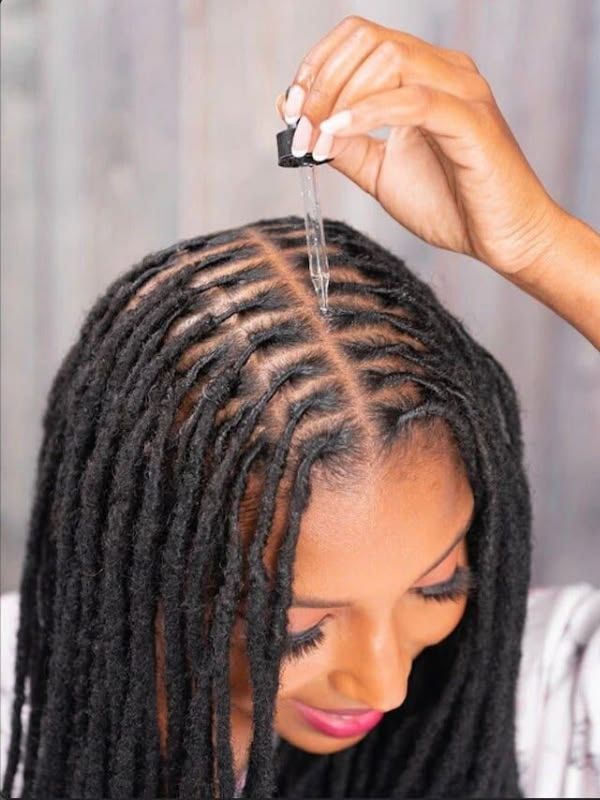
It is easy to focus entirely on how your locs look. You may spend time checking your parts, examining the length, or looking for signs of budding.
However, scalp care deserves just as much attention.
Your scalp supports the hair growing from it, so keeping it clean and paying attention to discomfort should remain part of your routine.
Why Scalp Care Matters
Sweat, natural oils, shed skin cells, and product residue can accumulate on the scalp.
If you do not cleanse your hair appropriately, buildup may contribute to discomfort and an unpleasant smell.
At the same time, aggressive washing or excessive manipulation can irritate the scalp.
The goal is to maintain cleanliness without using unnecessarily harsh techniques.
What Should Your Routine Include?
Follow an appropriate washing schedule based on your scalp needs and installation method.
Use suitable cleansing products, rinse thoroughly, and allow your locs to dry completely.
Avoid scratching your scalp aggressively or applying heavy products whenever it feels uncomfortable.
If you experience persistent itching, redness, swelling, unusual scaling, or pain, seek advice from a qualified healthcare professional rather than assuming the problem is simply part of the loc journey.
Your loctician can also help identify whether a maintenance technique or product may be contributing to discomfort.
Do Not Ignore Changes Around Your Hairline
Your hairline can be affected by repeated tension from tight hairstyles and maintenance techniques.
Choose comfortable styles and avoid pulling your locs tightly away from your face.
If you notice persistent thinning or changes in the density of your hairline, seek professional advice promptly.
Healthy locs begin with a routine that considers the scalp as well as the visible hairstyle.
For additional guidance, explore Starter Locs on Short Hair: What to Expect and How to Style Them
12. Your Hair May Need a Different Approach During Exercise and Swimming
An active lifestyle does not automatically prevent you from starting locs.
You can exercise, travel, and participate in many everyday activities while maintaining your hair.
However, you may need to adjust how you manage sweat, moisture, and friction.
What Happens When You Exercise?
Sweating is a normal response to physical activity.
If you exercise frequently, your scalp may need cleansing more often than someone with a less active routine.
A soft, breathable headband can help keep your locs away from your face.
After exercising, allow your scalp to cool and follow your usual cleansing routine when needed.
Avoid leaving your locs damp under a tight covering for extended periods.
What About Swimming?
Swimming requires a little more planning.
Pool water and salt water can affect your hair differently, and freshly installed locs may be more vulnerable to loosening depending on the method used.
Ask your loctician how to protect your particular installation before swimming.
You should also follow appropriate pool hygiene and hair-cleansing guidance.
Avoid assuming that every starter method behaves the same way when wet.
How Can You Prepare for an Active Lifestyle?
Tell your loctician about your exercise routine and swimming habits before installation.
This allows them to recommend a suitable method and explain the maintenance it requires.
You can then plan your washing schedule around your activities rather than trying to avoid exercise to protect your hairstyle.
Your locs should fit into your lifestyle, not prevent you from enjoying it.
For practical maintenance advice, explore Locs Care for Beginners: How to Keep Your Locs Clean, Healthy and Moisturized.
13. Comparing Your Starter Locs With Other People’s Hair Can Be Discouraging
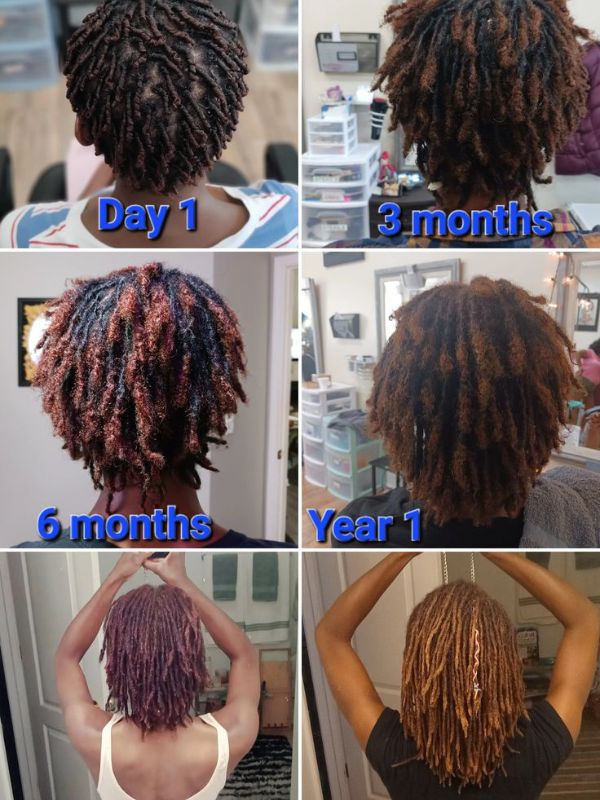
Social media makes it easy to find photographs of beautiful locs at almost every stage.
You might see someone whose starter locs look neat after several months, while yours appear fuzzy or uneven.
Naturally, you may wonder whether your hair is developing correctly.
However, photographs rarely provide enough information to explain why two people’s loc journeys look different.
Why Every Loc Journey Is Different
Your hair texture, density, section size, and installation method can influence the appearance of your locs.
Your maintenance routine also matters.
Two people who start their locs on the same day may experience different changes during the following months.
One person’s hair may swell considerably, while another person’s locs may appear more compact.
Neither outcome automatically means one person is doing better than the other.
What Should You Focus On Instead?
Pay attention to your own progress.
Are you following a suitable maintenance routine? Is your scalp comfortable? Are your locs developing without persistent thinning or repeated damage?
These questions are more useful than comparing the exact appearance of your hair with somebody else’s photographs.
You can still use social media for inspiration. However, treat other people’s hairstyles as ideas rather than deadlines for your own progress.
How Can You Track Your Development?
Take photographs occasionally under similar lighting conditions.
Look at how your locs change over several weeks or months rather than examining every small difference each day.
If something concerns you, ask your loctician to assess your hair.
Your loc journey does not need to match another person’s experience to be successful.
Learn more about the changes that occur over time in How Long Do Starter Locs Take to Mature? A Complete Guide to What to Expect.
14. You Will Need to Learn When to Leave Your Hair Alone
When you first install starter locs, it is tempting to touch them constantly.
You might separate the sections, twist individual locs, smooth down frizz, or rearrange your hairstyle throughout the day.
Although these actions may seem harmless, repeated manipulation can disturb delicate sections and create unnecessary tension.
Why Constant Handling Can Become a Problem
Starter locs are still developing.
Repeated twisting or pulling may loosen the original formation, particularly when your hair is installed using a method that is sensitive to manipulation.
Frequent handling can also make it harder to distinguish normal changes from problems caused by your routine.
You may end up spending more time correcting your hair than allowing it to develop.
What Does a Low-Manipulation Routine Look Like?
Begin by choosing a comfortable hairstyle that does not require constant adjustments.
Wear your locs naturally or use a gentle accessory when appropriate.
Protect your hair at night and follow your loctician’s maintenance instructions.
If a few loose hairs appear, remember that frizz is common during the early stages.
Avoid twisting every section simply to make it look smooth.
What If You Enjoy Styling Your Hair?
You do not have to stop enjoying hairstyles.
Instead, choose options that suit your current loc length and installation method.
You can experiment with scarves, comfortable headbands, and simple arrangements that do not require repeated manipulation.
As your locs mature, additional styling options may become available.
The goal is to find a balance between enjoying your appearance and giving your hair the space it needs to develop.
If you want practical guidance on maintaining your hair, explore Crochet Locs Hairstyle: What to Know Before Installing Crochet Locs
15. Starting Locs Is a Personal Decision, Not a Race
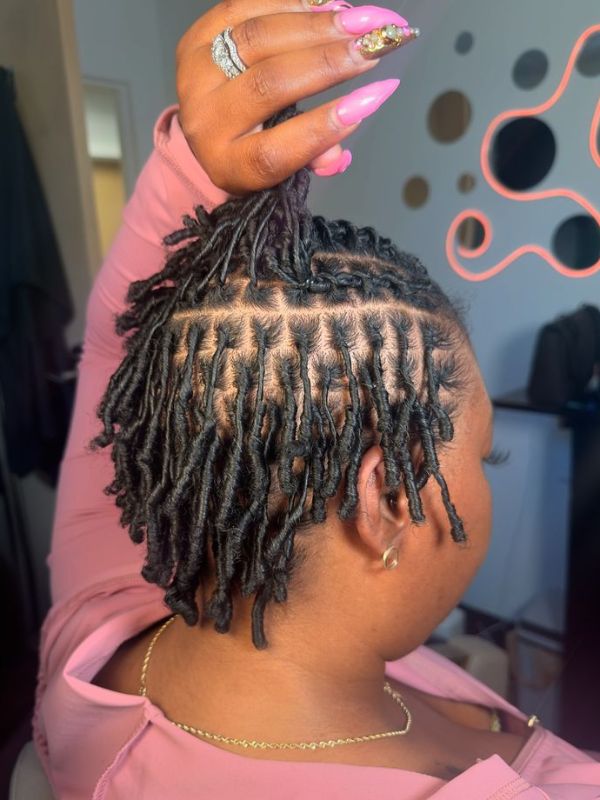
Perhaps you have wanted locs for years. Maybe you recently discovered a hairstyle that inspired you, or you are ready for a different approach to your natural hair.
Whatever your reason, it is worth taking time to understand what you want from the journey.
Locs can be a meaningful way to wear your natural hair, but they also involve changes, maintenance, and personal preferences that may evolve over time.
Think About Your Reasons Before Installation
Ask yourself why you want to start locs.
Are you interested in the appearance? Do you prefer a routine that involves less daily detangling? Are you drawn to the way locs develop over time?
There is no single correct reason to begin.
However, understanding your motivation can help you choose a method and maintenance routine that fit your expectations.
Consider Your Lifestyle and Long-Term Plans
Think about your daily activities, budget, preferred hairstyles, and willingness to maintain your locs.
You should also understand that the early stages may look different from the mature locs you admire.
If you are uncertain about which method suits your hair, consult a loctician before making a decision.
You do not need to rush simply because someone else has started their journey.
Give Yourself Room to Learn
You will probably discover new things about your hair after installation.
Some routines may work better than others. Your styling preferences may change, and your locs will continue developing.
Instead of expecting yourself to know everything immediately, approach the process with curiosity.
You can ask questions, learn from your experiences, and adjust your routine when necessary.
Ultimately, your loc journey belongs to you.
You do not have to follow someone else’s timeline, copy every hairstyle, or make your locs look a certain way to enjoy the experience.
If you are still deciding how to care for your hair after installation, explore How to Do a Deep Cleanse for Locs: A Step-by-Step Guide.
Frequently Asked Questions About Starter Locs
What Are Starter Locs?
Starter locs are the initial sections created when someone begins the loc journey. They can be formed using methods such as comb coils, two-strand twists, braids, or interlocking.
At this stage, the hair has not necessarily developed the compact structure associated with mature locs.
The appearance and maintenance needs depend on the installation method, hair texture, and individual routine.
How Long Do Starter Locs Take to Mature?
There is no universal timeline for loc maturity.
Some people notice significant changes within several months, while others need considerably longer.
Your hair texture, loc size, installation method, and maintenance practices can all influence the process.
Rather than focusing on a strict deadline, observe your progress and follow a suitable care routine.
Can I Wash My Starter Locs?
Yes, but you should follow instructions appropriate for your installation method and stage of development.
Ask your loctician when to begin washing and which techniques to use.
When washing is appropriate, cleanse the scalp gently, rinse thoroughly, and allow the locs to dry completely.
Avoid aggressive rubbing or twisting, particularly when your hair is newly installed.
Why Are My Starter Locs So Frizzy?
Frizz is common during the early stages of the locking process.
Individual hairs may become visible around the surface as the locs develop.
The amount of frizz varies depending on hair texture, installation method, and maintenance routine.
You do not need to eliminate every stray hair. However, repeated unraveling or unusual thinning should be assessed by your loctician.
Should I Retwist My Starter Locs Frequently?
No. Retwisting too frequently or too tightly can create unnecessary tension.
Your maintenance schedule should suit your hair, installation method, and scalp needs.
If you are unsure how often to retwist, ask your loctician to recommend an appropriate schedule.
Avoid retwisting simply because your roots look less defined than they did immediately after installation.
Can I Start Locs With Short Hair?
Whether you can start locs with short hair depends on your hair length, texture, and chosen installation method.
Some methods require more length than others.
A loctician can examine your hair and help determine which options are suitable.
If your hair is not yet long enough for your preferred method, they can explain whether waiting or considering another approach makes sense.
Are Starter Locs Difficult to Maintain?
The level of maintenance depends on your installation method, lifestyle, and hair needs.
You will need to establish suitable washing, drying, nighttime protection, and professional maintenance routines.
Although you may spend less time detangling than you did with loose hair, locs still require attention.
The key is finding a manageable routine rather than assuming that locs need no maintenance.
Can I Style My Starter Locs?
Yes, but you should choose styles that suit your current length and installation method.
Simple options include wearing your locs naturally, using a soft headband, or arranging the front sections gently.
Avoid tight ponytails, heavy accessories, and styles that require stretching the roots.
As your locs develop, additional styling options may become possible.
What Should I Avoid During the Starter Stage?
Avoid excessive manipulation, tight hairstyles, heavy product buildup, and maintenance techniques that create unnecessary tension.
You should also avoid comparing your progress with photographs of mature locs.
Follow your loctician’s advice about washing and maintenance, and seek professional guidance if you notice persistent thinning, discomfort, or repeated unraveling.
Can Starter Locs Unravel?
Yes. Some starter methods are more vulnerable to unraveling than others, particularly when the hair is disturbed or washed improperly for its stage of development.
If a section becomes loose, avoid repeatedly twisting it without understanding the cause.
Contact your loctician if significant unraveling occurs or the same sections repeatedly open.
Conclusion: Prepare for Your Starter Loc Journey With Patience and Realistic Expectations
Starting locs is an exciting decision, but understanding the early stages can make the experience much easier.
Your starter locs will not necessarily look the same every day. You may experience frizz, changes in length, different textures between sections, and a learning curve as you establish your maintenance routine.
These changes are part of why patience matters.
Before installation, take time to understand the available methods and choose one that suits your hair, lifestyle, and preferences. Ask questions about washing, maintenance, styling, and costs so you know what to expect.
Once your locs are installed, focus on consistent care rather than trying to make every section look perfectly neat.
Keep your scalp clean, follow appropriate maintenance instructions, avoid excessive manipulation, and choose hairstyles that do not pull on your roots. If you notice persistent discomfort, thinning, or repeated unraveling, seek professional advice.
Most importantly, remember that your journey does not need to follow somebody else’s timeline.
Your hair may develop differently from the locs you see online, and that is perfectly understandable. Learn what works for your hair, observe your progress, and give yourself time to adjust.
With realistic expectations and a suitable care routine, you can approach your loc journey with greater confidence and enjoy the experience as your hair develops.